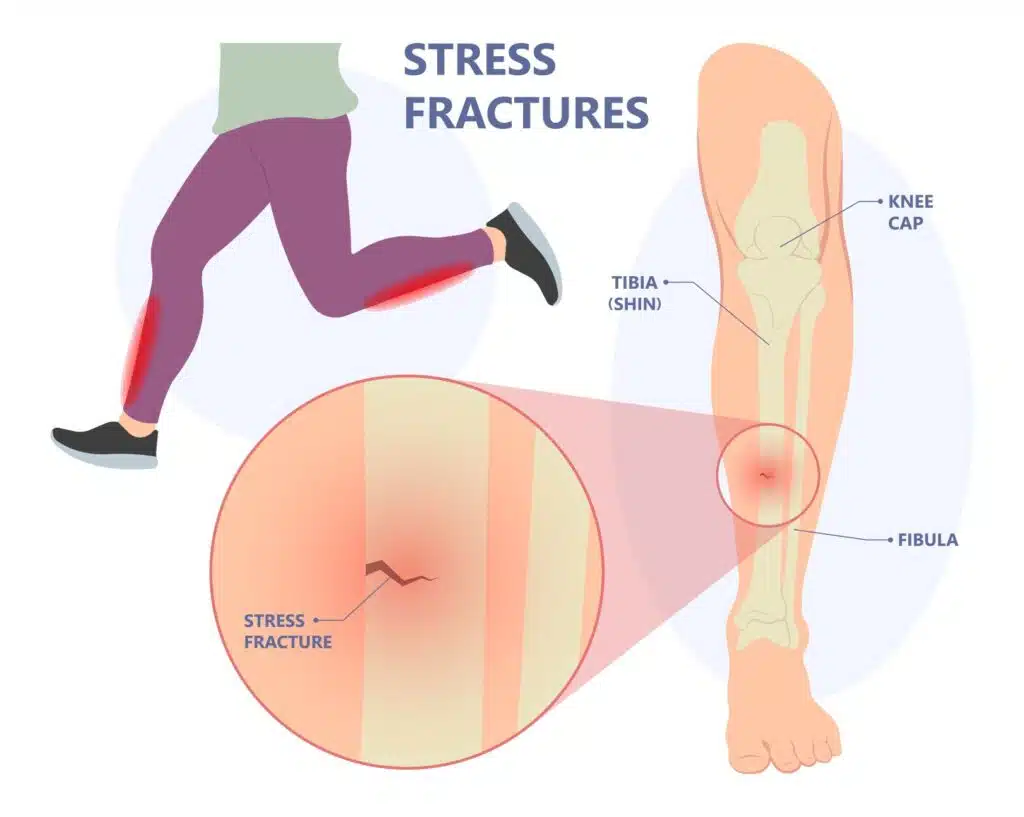
If you’re an athlete, dancer, or fitness enthusiast who’s suddenly sidelined by nagging foot pain that flares up during activity and fades with rest, you might be dealing with a stress fracture. These tiny, hairline cracks in the bone develop not from a single injury but from repetitive stress—especially when training ramps up too quickly. The foot, bearing the brunt of every step, jump, and sprint, is one of the most common sites for these overuse injuries. The good news? Most foot stress fractures heal fully with a simple yet non-negotiable approach: rest combined with the right protective gear.
Ignoring a stress fracture can lead to serious consequences—a complete break, non-union, or even surgery. But when managed correctly, recovery is achievable without invasive procedures. This guide walks you through how to treat a foot stress fracture using only rest and supportive equipment, how to recognize high-risk injuries, and how to return safely to activity. Whether you’re a runner, soldier, or weekend warrior, understanding how to support your body’s natural healing process is key to getting back on your feet—without setbacks.
Recognize the Early Signs of a Stress Fracture
Spot the Subtle Warning Signals
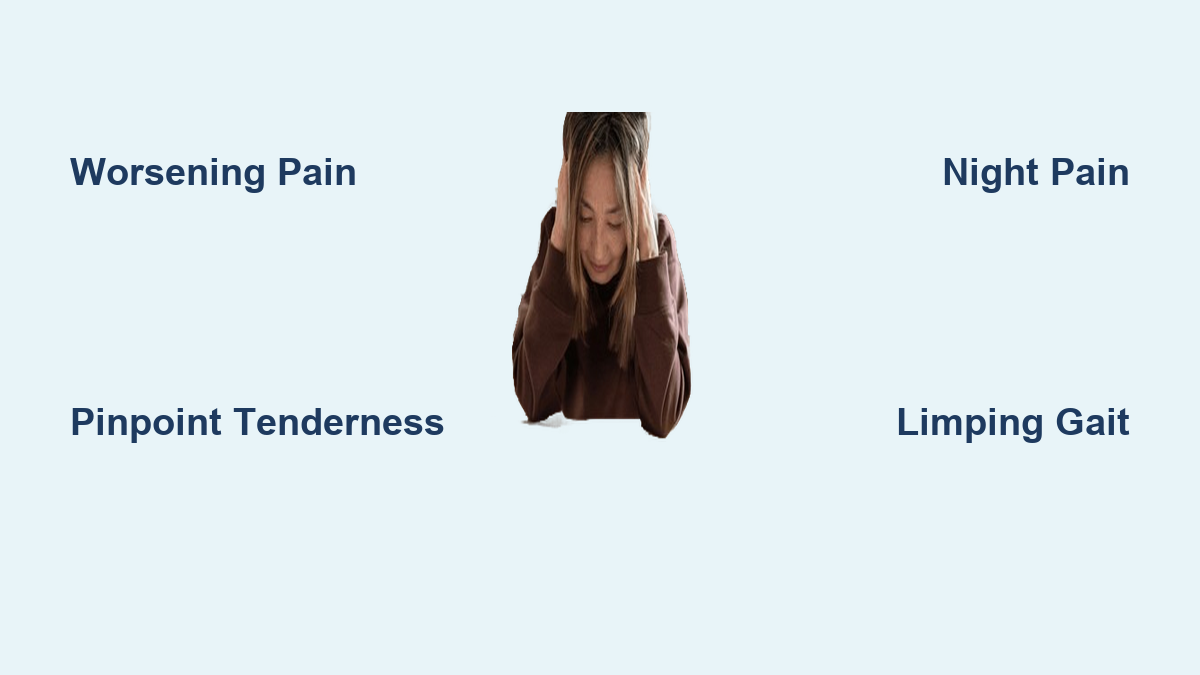
Stress fractures don’t announce themselves with a dramatic snap. Instead, the pain starts subtly—often dismissed as muscle soreness or tightness. You might notice discomfort during or after weight-bearing activities like running, jumping, or even prolonged walking. At first, the pain eases with rest, but over time, it becomes more persistent, lingering even during daily movement.
The key clue? Pinpoint tenderness. Unlike general aches, stress fracture pain is localized—you can press directly on the affected bone and reproduce the pain. Swelling may be mild or absent, and bruising is rare unless the injury has progressed. Athletes often report being able to walk but unable to run or jump without sharp, localized discomfort. Dancers may feel a deep ache in the midfoot or forefoot that worsens during performance.
Know When Pain Isn’t Normal
Not all foot pain is created equal. Muscle soreness typically resolves within 48 hours. If your discomfort persists beyond a few days of rest, especially if it worsens with activity, it’s a red flag. Continuing to train on a stress fracture increases the risk of a full break, delayed healing, or permanent damage—particularly in high-risk bones like the navicular or fifth metatarsal.
Differentiate High-Risk from Low-Risk Stress Fractures

Low-Risk Fractures Respond Well to Conservative Care
Some foot bones heal reliably with rest and protection due to strong blood supply and low mechanical stress. These low-risk fractures include:
– Shaft of the second to fourth metatarsals
– Calcaneus (heel)
– Cuboid and cuneiform bones
With proper offloading, these typically heal in 4–8 weeks using rest and gear alone. Pain usually subsides before the bone is fully healed, so it’s essential to follow a structured recovery timeline.
High-Risk Fractures Require Strict Protection
Other areas are prone to complications due to poor blood flow or high mechanical demand. These high-risk fractures include:
– Navicular bone (central midfoot)
– Fifth metatarsal Zone 2 and 3 (Jones fracture)
– Sesamoid bones (under the big toe)
– Talus
These injuries often require 6–12 weeks of non-weightbearing and close medical monitoring. Returning too soon can lead to non-union or chronic pain, especially in athletes. Surgical intervention is more common in these cases if healing stalls.
Immediate Rest and Activity Modification
Stop High-Impact Activities Immediately
The most critical step in healing a stress fracture is stopping all aggravating activities. Running, jumping, or dancing must cease—even if the pain seems manageable. Pushing through the discomfort delays healing and risks turning a hairline crack into a full fracture.
Rest isn’t optional; it’s the foundation of recovery. The bone needs time to repair microdamage, and continued stress disrupts this process.
Apply the RICE Protocol
While RICE (Rest, Ice, Compression, Elevation) doesn’t heal the fracture, it helps manage symptoms:
– Rest: Eliminate repetitive loading
– Ice: Apply for 15–20 minutes every 2–3 hours to reduce inflammation
– Compression: Use a light elastic bandage to control swelling
– Elevation: Keep the foot above heart level when sitting or lying down
Stay Fit with Low-Impact Alternatives
Complete rest doesn’t mean total inactivity. You can maintain cardiovascular fitness with non-weightbearing exercises, such as:
– Swimming
– Stationary cycling
– Water aerobics
– Upper-body strength training
Always consult a healthcare provider before starting any substitute routine to ensure it won’t compromise healing.
Use Protective Footwear and Supportive Gear
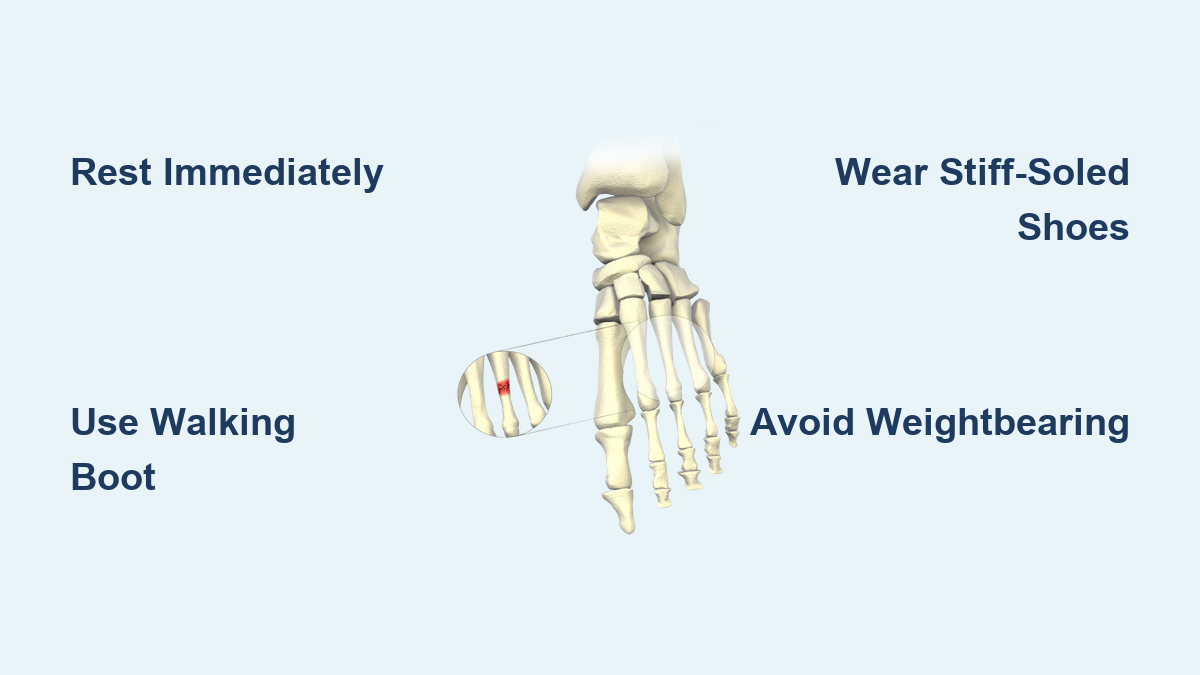
Wear a Walking Boot for Immobilization
A removable walking boot (fracture brace) is the go-to gear for most low- to moderate-risk stress fractures. It:
– Restricts motion at the fracture site
– Absorbs impact during walking
– Allows limited mobility while protecting the bone
Wear it during all weight-bearing activities, even for short distances. Most people use it for 4–8 weeks, depending on healing progress.
Transition to Stiff-Soled Shoes
As healing progresses, a stiff-soled shoe helps reduce stress on the forefoot by limiting bending during push-off. This is especially helpful for metatarsal or sesamoid fractures. Avoid flexible or minimalist shoes until fully healed.
Use Wooden-Soled Sandals for Maximum Protection
In some conservative protocols, wooden-soled sandals are prescribed. Their rigid base minimizes bending forces across the foot, making them ideal for midfoot or metatarsal stress fractures during early recovery.
Rely on Crutches for Non-Weightbearing
For high-risk fractures, crutches are essential. They ensure no pressure is placed on the injured foot, particularly during the first 4–6 weeks. Even brief weightbearing can disrupt healing in vulnerable areas like the navicular or Jones fracture.
Consider a Cast for High-Risk Injuries
A non-weightbearing cast (fiberglass or plaster) may be used for:
– Navicular stress fractures
– Fifth metatarsal Zone 2–3
– Cases not improving with a boot
Casting offers maximum immobilization and has 86–96% success rates for navicular healing when combined with strict non-weightbearing.
Support Healing with Orthotics and Insoles

Get Custom Orthotics to Correct Biomechanics
Once healing begins, custom orthotics can address underlying issues like overpronation, flat feet, or high arches. Designed from a gait analysis, they:
– Distribute pressure evenly
– Reduce strain on fracture-prone areas
– Improve alignment and stability
A podiatrist can prescribe orthotics tailored to your foot structure and activity level.
Add Metatarsal Pads or Morton Extensions
For metatarsal or sesamoid fractures, specialized padding helps:
– Metatarsal pads lift and spread the metatarsal heads, reducing pressure
– Morton extensions extend under the big toe to offload the sesamoids
These are often built into orthotics or added to shoes for targeted relief.
Supportive Supplements and Adjunctive Therapies
Use Pain Relief Strategically
- Acetaminophen (Tylenol): Preferred for pain without interfering with bone healing
- NSAIDs (ibuprofen, naproxen): Can reduce pain and swelling but may impair healing if used long-term—limit to short-term relief
Take Vitamin D and Calcium
If you have low bone density or dietary deficiencies, supplements support healing:
– Vitamin D: 1000–2000 IU/day
– Calcium: 1000–1200 mg/day
These are especially important for women, older adults, or those with a history of stress fractures.
Consider Bone-Stimulating Therapies
- Extracorporeal Shockwave Therapy (ECSWT): Non-invasive; some studies show faster return to running
- Low-Intensity Pulsed Ultrasound (LIPUS): Daily use; evidence is mixed but safe
These are adjuncts, not replacements for rest and offloading.
Healing Timeline and Safe Return to Activity

Expect a Minimum of 6–8 Weeks
- Low-risk fractures: Heal in 4–8 weeks
- High-risk fractures: May take 8–16 weeks or longer
Remember: Pain relief doesn’t mean full healing. The bone needs time to regain strength before impact resumes.
Follow a Phased Recovery Plan
Phase 1: Immobilization (Weeks 1–6)
- Use boot, cast, or crutches
- No weightbearing for high-risk fractures
- Stay active with swimming or cycling
Phase 2: Protected Weightbearing (Weeks 6–10)
- Transition to stiff-soled shoe
- Begin partial weightbearing
- Start gentle toe and ankle movements
Phase 3: Gradual Reintroduction (Weeks 10–16)
- Add pool running or elliptical
- Begin walking, then light jogging every other day
- Follow the 10% rule: Increase activity by no more than 10% per week
Phase 4: Sport-Specific Training (Months 4–6)
- Resume cutting, jumping, and sprinting
- Monitor for pain recurrence
- Full return only after pain-free performance
Prevent Future Stress Fractures
Train Smart and Progress Gradually
- Increase mileage or intensity by no more than 10% per week
- Cross-train with low-impact activities
- Warm up properly and include recovery days
Wear the Right Footwear
- Replace running shoes every 300–500 miles
- Choose shoes with cushioning and support for your foot type
- Avoid sudden switch to minimalist shoes
Eat for Bone Health
- Eat calcium-rich foods: dairy, leafy greens, fortified products
- Get vitamin D from sun, fatty fish, or supplements
- Maintain adequate calorie intake—especially for female athletes
Fix Biomechanical Issues
- Get a gait analysis from a podiatrist
- Use custom orthotics if needed
- Stretch tight muscles (Achilles, calves) that alter foot mechanics
When to See a Doctor
Seek Evaluation If:
- Pain is localized to one spot on the bone
- Tenderness worsens with activity
- Swelling or bruising appears without injury
- Pain lasts more than a few days of rest
Go to ER If:
- You can’t bear any weight
- There’s sudden severe pain after trauma
- The foot looks deformed or unstable
Early diagnosis with MRI or bone scan can detect stress reactions before X-rays show changes—speeding up treatment.
Key Takeaways for Healing
- Rest is critical: No healing happens without it.
- Gear protects: Boots, crutches, and orthotics reduce stress on the bone.
- Healing takes time: Rushing back risks re-injury or surgery.
- Address root causes: Fix training errors, nutrition, or biomechanics.
- Follow a step-by-step return: Don’t skip phases.
A stress fracture doesn’t have to end your active lifestyle—but ignoring it can. With disciplined rest and the right supportive gear, most people return stronger and smarter. Listen to your body, trust the process, and heal fully so you can keep moving forward.