

Guide to Using Arch Support for Children with Flat Feet: What Every Parent Should Know

If you have ever looked at your child’s footprints and noticed there is almost no curve in the middle, you are not alone. Flat feet are among the most common concerns parents bring to pediatricians. The good news is that in most children flat feet are normal and painless. The better news is that when discomfort does appear, the right arch support for kids can make walking, running, and playing much more comfortable.
This guide explains what flat feet really are, when arch support helps, how to choose the right type and size, how to introduce insoles, and which mistakes to avoid.
Flat feet are normal in young children. Arch support is useful when there is pain, tiredness, or poor alignment. Choose a firm but gentle pediatric insole, check the size every few months, and see a professional if symptoms persist.
What Are Flat Feet in Children?
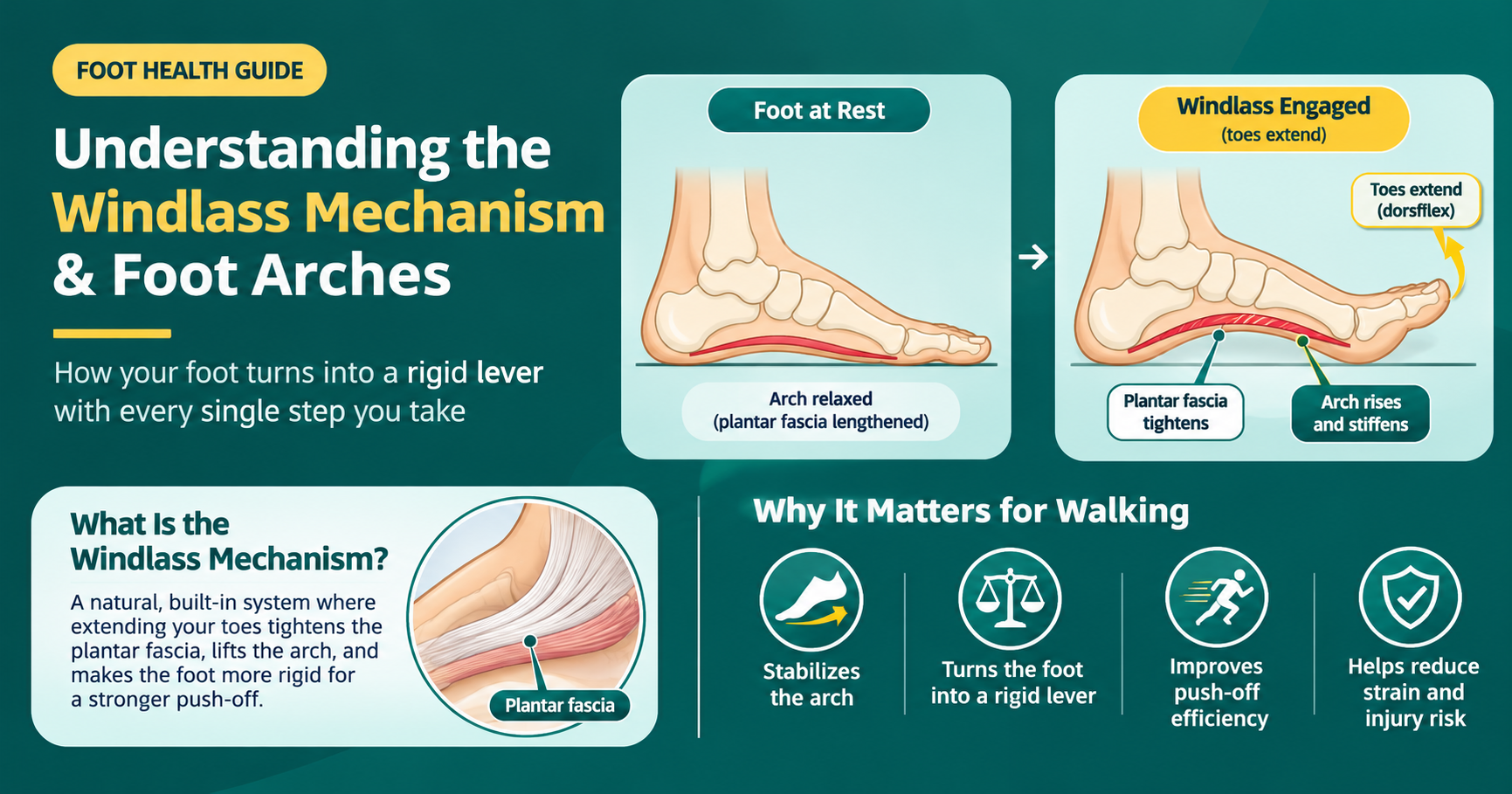
Flat feet (pes planus) means the inner arch of the foot lowers or touches the ground when standing. Babies are born with a fat pad in the foot and loose ligaments, so their arches are not visible. The arch develops gradually as muscles and ligaments strengthen, typically becoming more visible between ages 6 and 10.
Flexible vs. Rigid Flat Feet
| Type | What You See | Typical Outlook |
|---|---|---|
| Flexible flat foot | Arch appears when the child stands on tiptoes or sits; flat when standing | Very common, usually painless, often improves with age |
| Rigid flat foot | Arch stays flat even when not bearing weight; foot may feel stiff | Less common; needs medical assessment |

Signs Your Child May Benefit from Arch Support
- Complaints of foot, heel, ankle, or leg pain after activity
- Getting tired quickly when walking or running compared with peers
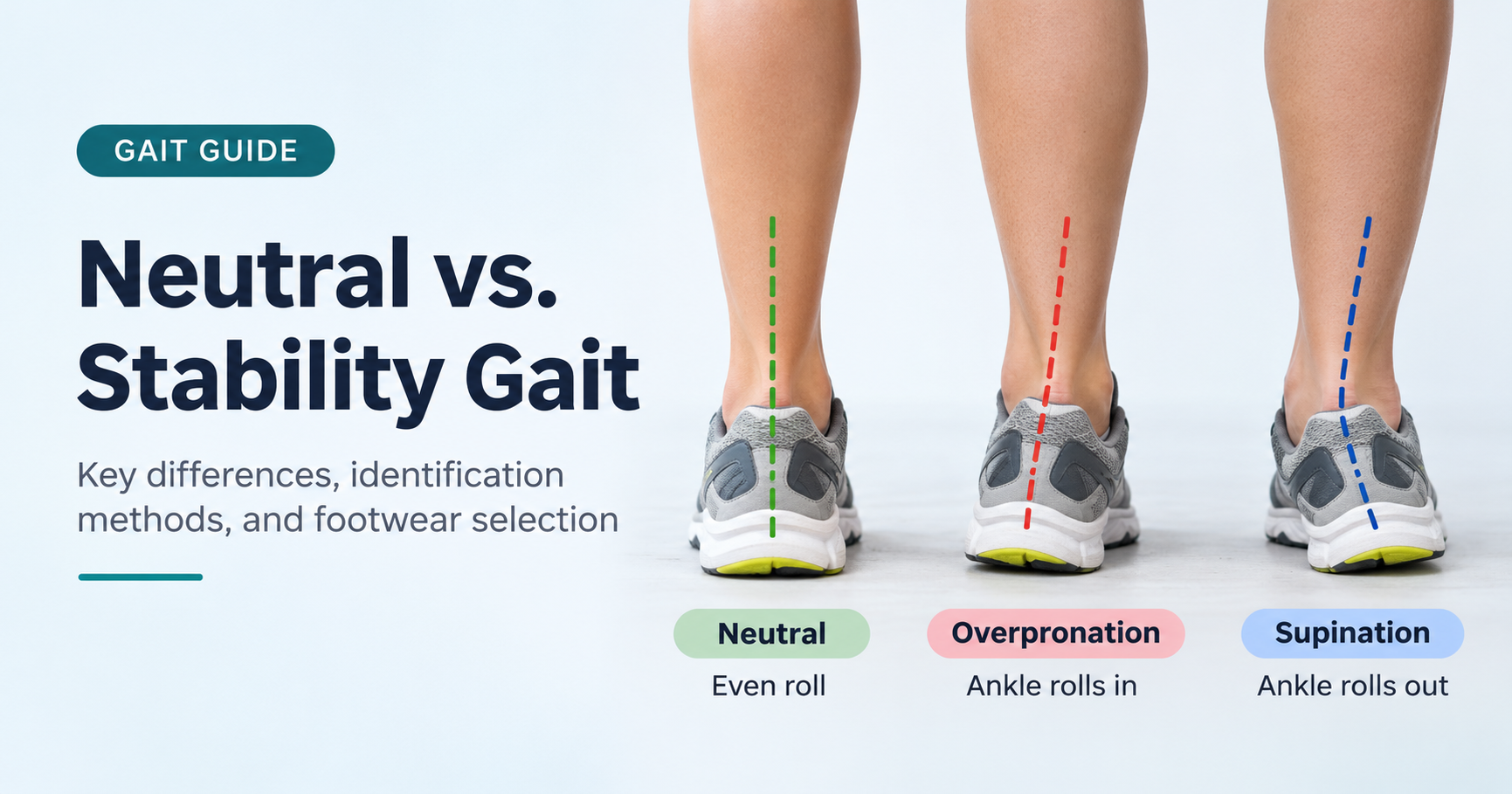
- Ankles that roll inward (overpronation) when standing or walking
- Shoes that wear out unevenly, mainly on the inner edge
- Knee or lower-leg discomfort, sometimes called growing pains
- Frequent tripping or reluctance to join sports
Seek professional advice if your child has significant pain, limping, swelling, a stiff or rigid foot, flat feet on only one side, or flat feet that appeared suddenly. A pediatrician, orthopedic specialist, or podiatrist can check for underlying causes.
How Does Arch Support Help Flat Feet?
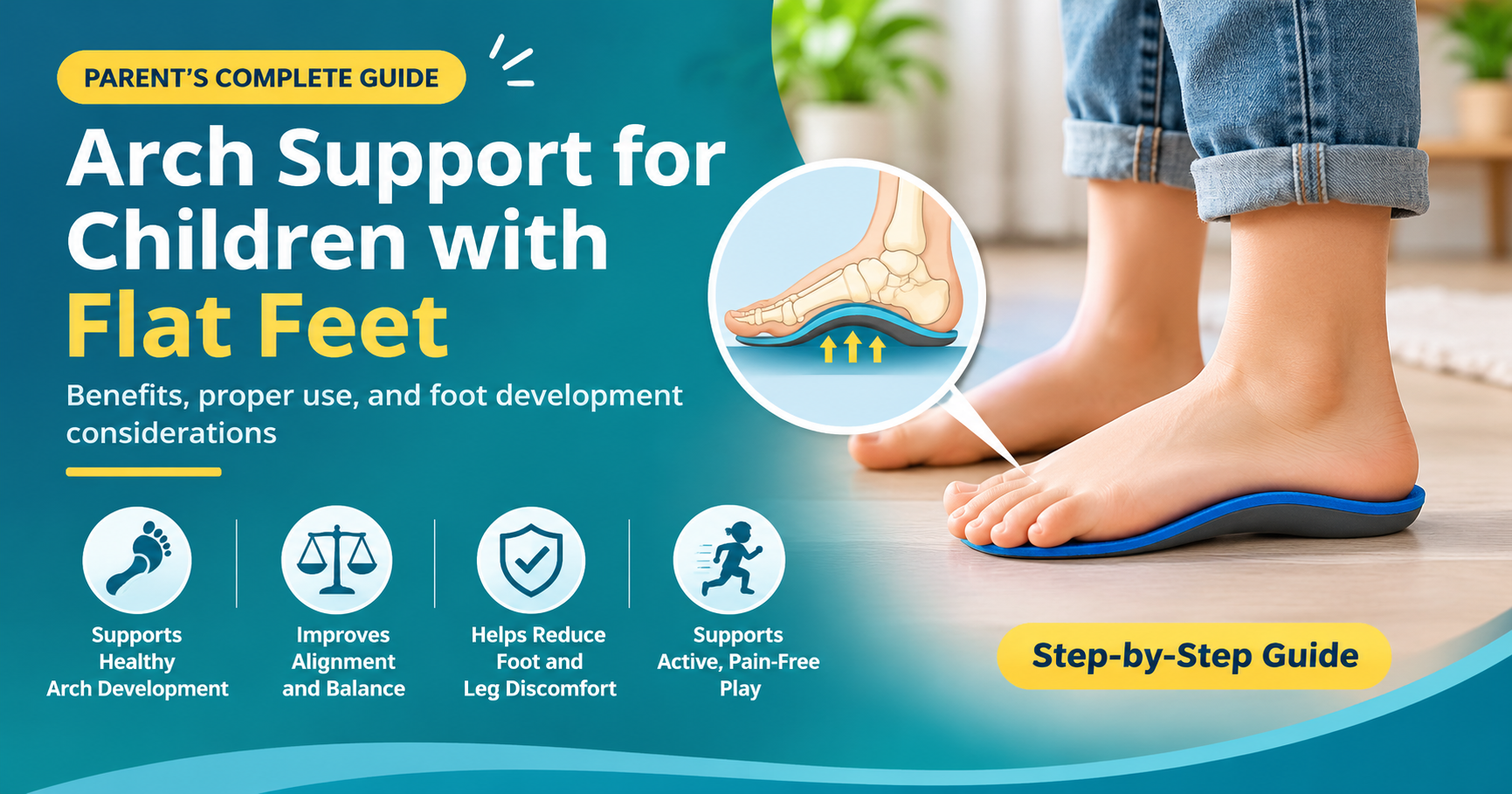
An arch support (also called an insole, orthotic, or arch insert) sits inside the shoe and supports the midfoot. For children with symptomatic flat feet, it can help by:
- Improving alignment of the heel and ankle during walking
- Distributing pressure more evenly across the sole
- Reducing strain on the arch ligaments and calf muscles
- Adding cushioning for comfort during school and sports
- Helping the child stay active for longer without fatigue
It is important to set realistic expectations. Arch supports manage symptoms while they are worn. They are not a guaranteed way to change foot structure, and they work best alongside good shoes, strengthening exercises, and healthy activity.
Types of Arch Support for Kids
| Type | Best For | Pros | Cons |
|---|---|---|---|
| Over-the-counter (prefabricated) insoles | Mild, painless or mildly painful flexible flat feet | Affordable, easy to find, many sizes | Not tailored to the individual foot |
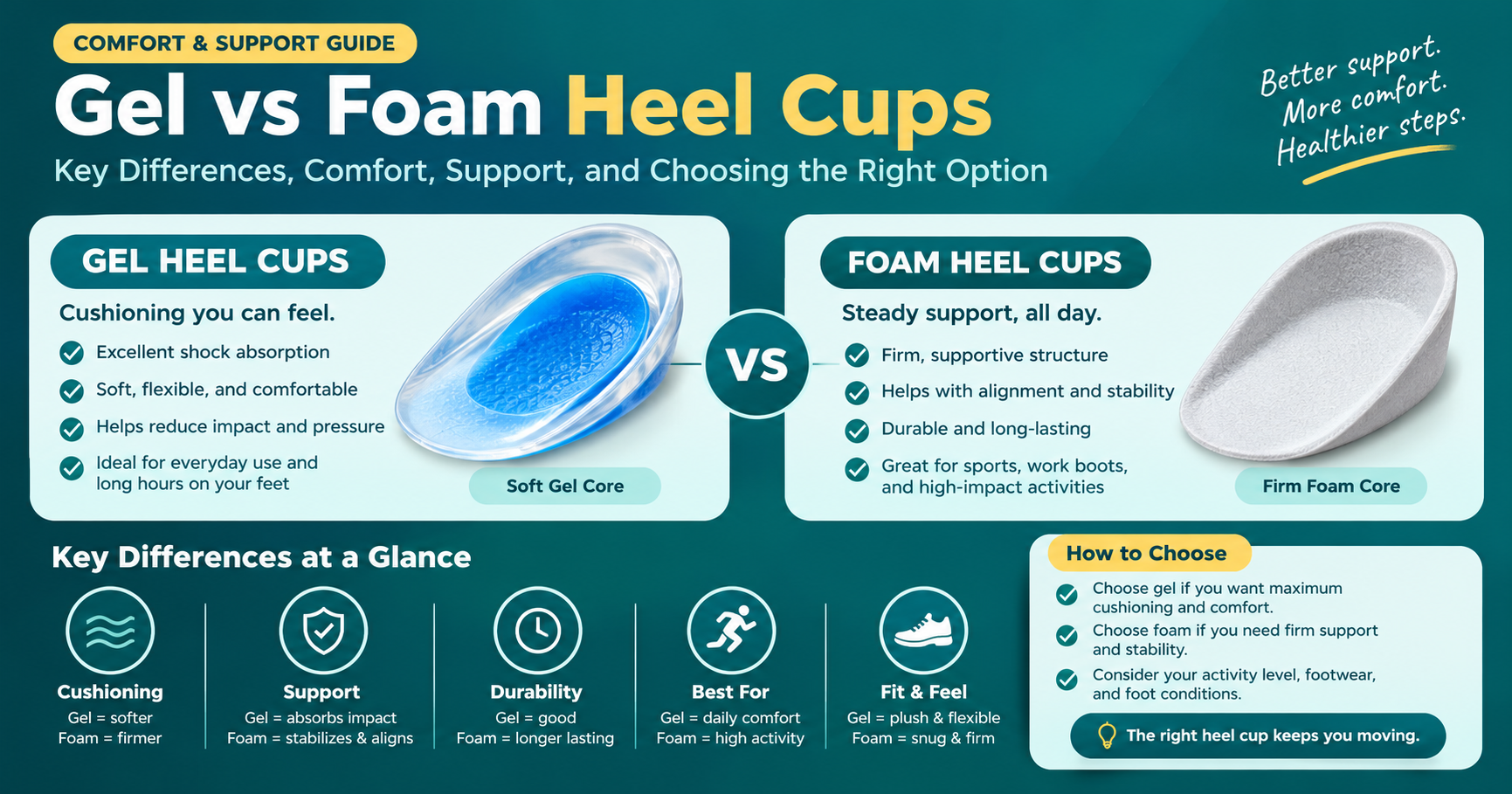
| Heel cups / heel seats | Heel pain and overpronation | Simple, small, fits most shoes | Limited arch support |
| Semi-custom insoles | Moderate symptoms needing better fit | Better contour than generic | Higher price |
| Custom orthotics | Significant pain, rigid or complex foot problems | Made from a professional assessment | Most expensive; replaced as the child grows |
How to Choose the Right Arch Support for Your Child

1. Look for a Deep Heel Cup
A deep, firm heel cup keeps the heel centered and is one of the most important features for controlling inward rolling.
2. Choose Moderate, Not Aggressive, Arch Height
Children need a supportive but gentle contour. An arch that is too high can cause pressure and discomfort. When your child stands on the insole, it should feel supportive and never like a bump.
3. Check Materials
- EVA foam: lightweight and cushioned, good for everyday use
- Polypropylene or semi-rigid shell: more structure for stronger correction
- Breathable top cover: helps reduce sweat and odor
- Antimicrobial fabric: useful for active kids
4. Get the Size Right
Trace your child’s foot on paper, cut it out, and compare it with the insole. If the insole is made to be trimmed, cut gently along the guide line and test inside the shoe. The insole should lie flat with no bunching and should not push the foot up so high that the shoe becomes tight.
5. Make Sure the Shoe Fits the Insole
Remove the shoe’s original insole before inserting the new one, so the foot is not too high. Choose shoes with a firm heel counter, a flexible forefoot, and enough depth.
Step-by-Step: How to Use Arch Support Properly
- Remove the original insole from the shoe to make room.
- Place the arch support flat and make sure the heel sits snugly in the back of the shoe.
- Check the fit by having your child stand and walk a few steps. The shoe should not feel tight.
- Start gradually: 1 to 2 hours on day one, then add an hour or two each day.
- Ask for feedback. Mild awareness is normal; sharp pain or blisters are not.
- Move to full days after about 1 to 2 weeks if comfortable.
- Rotate and re-check the insoles when you buy new shoes.
If your child complains, do not force it. Reduce wearing time, check the size, and consult a professional if discomfort lasts more than a couple of weeks.
Best Shoes to Pair with Arch Support
- Firm heel counter that does not collapse when squeezed
- Bends at the ball of the foot, not in the middle
- Removable insole so the arch support fits properly
- Adjustable closure such as laces or hook-and-loop straps
- Roomy toe box with about a thumb’s width of space
- Lightweight, breathable materials
Avoid very flat, flimsy shoes such as thin flip-flops or unsupportive slip-ons for long periods of walking.
Exercises to Support Foot Strength
Alongside arch support, simple exercises build the muscles that hold the arch. Turn them into games for younger children:
- Toe scrunches: pick up a small towel or marbles with the toes.
- Heel raises: rise onto tiptoes slowly and lower down, 10 repetitions.
- Short-foot exercise: try to shorten the foot by lifting the arch without curling the toes.
- Walking on tiptoes and heels: a fun game across the room.
- Barefoot play: on sand, grass, or carpet when safe.
Common Mistakes Parents Make
- Assuming every flat foot needs treatment
- Buying a rigid adult insole for a child
- Skipping the break-in period
- Leaving the original insole in the shoe
- Forgetting to replace insoles as the child grows
- Ignoring ongoing pain and delaying a professional visit
Caring for Your Child’s Insoles
- Wipe with a damp cloth and mild soap; air dry away from direct heat
- Take insoles out of shoes at night so both can dry
- Do not machine-wash or tumble dry unless the label allows
- Inspect for cracks, flattening, or thinning every few months
Buying Checklist for Parents
| Check | Why It Matters |
|---|---|
| Child-specific size range | Adult insoles are the wrong shape and stiffness |
| Deep heel cup | Controls heel position |
| Medium arch height | Comfort and gradual support |
| Breathable top layer | Reduces sweat and odor |
| Easy to trim | Allows precise fit |
| Durable materials | Withstands active play |
Frequently Asked Questions
At what age should a child start using arch support?
There is no fixed age. Most toddlers have flat-looking feet, and arches usually develop gradually through the early school years. Arch support is considered when a child has pain, fatigue, or visible problems, not just because the foot looks flat. A pediatrician or podiatrist can advise on timing.
Will arch support cure flat feet?
Insoles do not permanently build an arch. They support the foot and reduce strain while worn. Many flexible flat feet improve naturally with growth, strength, and activity.
Can my child wear arch support all day?
Yes, once broken in and if the fit is comfortable. Start with 1 to 2 hours a day and increase over one to two weeks.
How often should insoles be replaced?
Children outgrow shoes and insoles quickly. Check fit every 3 to 4 months and replace when worn, flattened, or too small.
Are over-the-counter insoles enough?
For mild, painless flexible flat feet with mild symptoms, a well-fitted pediatric insole is often sufficient. Persistent pain, rigid feet, or uneven wear calls for a professional assessment and possibly custom orthotics.
Do barefoot activities help?
Safe barefoot play on grass, sand, or carpet can strengthen foot muscles. Use supportive shoes on hard surfaces and for long walking.
Final Thoughts
Flat feet in children are usually a normal stage of development. If your child is comfortable and active, treatment is often not needed. When pain, fatigue, or alignment issues do appear, a well-chosen arch support, the right shoes, and a few foot-strengthening games can make a real difference. Focus on comfort and gradual use, re-check the fit as your child grows, and involve a healthcare professional when symptoms continue.
This article is for general information only and does not replace professional medical advice. Please consult a qualified pediatrician, orthopedic specialist, or podiatrist for diagnosis and treatment of your child’s foot condition.