Waking up with a sore, tight arch or ending a long day with burning, aching feet is something millions of people deal with. If that sounds familiar, you have probably wondered whether a foot massager can help. The short answer is yes, it can ease discomfort and muscle tension, but only when you know how to use a foot massager for arch pain relief the right way.
Used badly, a massager can irritate sore tissue and make things worse. Used well, it becomes a simple and relaxing habit that supports your feet after a hard day. This guide explains why arch pain happens, which type of massager suits you, the exact steps to follow, a ready-made weekly routine, helpful stretches, safety rules and the signs that mean you should see a doctor.
Quick Summary
- Start on the lowest intensity and increase slowly.
- Place the arch, not the heel or the toes, on the main massage zone.
- Keep sessions to 10 to 15 minutes per foot.
- Pressure should feel firm and relaxing, never sharp.
- Pair massage with calf and arch stretches and supportive shoes.
- See a doctor if pain is severe, lasts for weeks or comes with numbness or swelling.
What Is in This Guide
- What arch pain is and what causes it
- How a foot massager helps (and what it cannot do)
- Types of foot massagers compared
- Safety check before you start
- Step-by-step: how to use a foot massager for arch pain relief
- Best techniques, timing and a weekly routine
- Stretches and home care that work alongside massage
- Common mistakes to avoid
- How to choose and care for a foot massager
- When to see a doctor, FAQs and final thoughts
What Is Arch Pain and Why Does It Happen?
The arch is the natural curve on the underside of your foot, running from the heel bone to the ball of the foot. It acts like a spring, absorbing shock every time you walk, run or stand. A thick band of tissue called the plantar fascia runs along the bottom of the foot and supports that curve. When this band or the small muscles around it become overloaded, strained or inflamed, you feel pain in the arch.
Common Causes of Arch Pain
- Plantar fasciitis: irritation of the plantar fascia, often felt as a stabbing or pulling pain in the heel and arch, especially with the first steps of the day.
- Overuse: long walks, running, hiking or a sudden jump in exercise.
- Standing for long hours: especially on hard floors such as tile or concrete.
- Unsupportive footwear: flat sandals, worn-out shoes or high heels.
- Foot structure: flat feet or very high arches change how weight spreads across the foot.
- Tight calf muscles: a stiff calf pulls on the heel and puts extra strain on the arch.
- Extra body weight: more load on the feet with every step.
Typical Symptoms
Arch pain can feel like a dull ache, a burning sensation, tightness or a sharp pull. It is often worse after rest, such as in the morning or after sitting for a long time, and again at the end of a long day on your feet.
How Can a Foot Massager Help With Arch Pain?
A foot massager does not cure the underlying cause of arch pain, but it can make the symptoms easier to live with. Regular, gentle massage may help in these ways:
- Loosens tight muscles: kneading and rolling relax the small muscles under the foot.
- Boosts circulation: pressure and release encourage blood flow to tired tissue.
- Reduces stiffness: a few minutes of massage can make the arch feel more flexible before activity.
- Promotes relaxation: a calm routine lowers overall tension and helps you wind down.
- Makes stretching easier: warmed-up tissue usually stretches more comfortably.
Keep expectations realistic: massage is a comfort and recovery tool. It works best together with rest, stretching and proper footwear, not as a replacement for medical care.
Types of Foot Massagers: Which One Suits Arch Pain?
Before you learn how to use a foot massager for arch pain relief, it helps to know what kind you own or plan to buy. Each type works differently and suits different foot conditions.
| Type | How It Works | Good For | Keep in Mind |
|---|---|---|---|
| Shiatsu | Rotating nodes knead the sole | Deep arch tension and tight spots | Can feel strong, so start low |
| Manual Roller | You roll your foot over a ball or roller | Daily gentle relief with full control | Easy to press too hard |
| EMS | Low electrical pulses stimulate muscles | Tired and weak foot muscles | Not for pacemaker or implant users |
| Vibration | Gentle oscillation relaxes tissue | Sensitive or easily irritated feet | Lighter effect on deep tension |
If your arch is very tender, a vibration model or a soft manual roller is a gentle place to begin. If you carry deep, stubborn tension, a shiatsu model with adjustable intensity is often more effective. Many modern machines also include a heat function, which can feel soothing on stiff muscles.
Safety Check: Who Should Be Careful Before Using a Foot Massager?
Foot massage is safe for most healthy adults, but some conditions need medical advice first. Speak with a doctor before using a foot massager if any of these apply to you:
- Diabetes, especially with reduced feeling or poor circulation in the feet
- Deep vein thrombosis, blood clots or serious circulation problems
- Pregnancy (some pressure points and strong settings may not be advised)
- A pacemaker, implanted device or metal implants (especially with EMS models)
- Open wounds, ulcers, infections, bruising or skin conditions on the feet
- A recent fracture, surgery or severe swelling
- Osteoporosis or very fragile bones
- Numbness or tingling in the feet
Important: if you cannot feel your feet properly, you may not notice when pressure or heat is too strong. In that case, check with your healthcare provider before using any massager.
How to Use a Foot Massager for Arch Pain Relief: Step by Step
Follow these steps every time. They work for electric foot massagers and, with small changes, for manual rollers too.
Step 1: Sit Down and Get Comfortable
Sit on a sturdy chair or sofa with your back supported. Keep your knees bent at roughly 90 degrees and your feet flat. Place the massager on a flat, non-slip surface so it does not slide while you use it. Remove socks or wear thin ones, depending on the manufacturer’s instructions. If you use a manual roller, avoid standing on it with your full weight at first.
Step 2: Begin on the Lowest Setting
Switch the device to its gentlest mode. Spend the first two to three minutes just warming up the foot. Cold, stiff tissue reacts badly to strong pressure, so a slow start protects the arch and lets you feel how sensitive it is that day.
Step 3: Position the Arch on the Massage Zone
Rest the arch of your foot on the main massage area. Avoid focusing on the heel pad or the toes at the start. Then slowly slide your foot from the heel toward the ball and back again. Slow movement gives the muscles time to release.
Step 4: Increase Pressure Only If It Feels Good
Once the foot feels warm, raise the intensity one level at a time. Use a simple pain guide: mild tenderness that eases as you breathe out is fine; sharp, burning or stabbing pain is not. If you wince or tense up, lower the intensity or stop.
Step 5: Limit the Session to 10 to 15 Minutes Per Foot
More is not better. Long, intense sessions can bruise tissue and leave the arch more painful the next day. Finish by turning the device down, switching it off, and doing a few gentle stretches. Drinking a glass of water afterward is a good habit.
Best Techniques for Targeting Arch Tension
- Heel-to-ball sweep: glide slowly along the length of the arch for the first few minutes.
- Pause on tight spots: when you find a tender but tolerable spot, hold your foot still for 10 to 20 seconds and breathe slowly.
- Side-to-side rocking: gently roll the foot inward and outward to reach the edges of the arch.
- Toe flex: while the arch is on the massager, lift and spread your toes a few times to loosen the fascia further.
- One foot at a time: this gives you better control over pressure and positioning.
- Finish gently: end with light pressure or a manual rub so the foot settles down.
Using a Manual Roller or Ball
Sit down, place the roller under the arch and roll from the heel to the ball of the foot with slow, controlled movements for one to two minutes at a time. Choose a softer ball if your arch is very sore, and a firmer one only when the foot feels comfortable.
How Often and How Long Should You Use a Foot Massager?
Consistency matters more than intensity. A good starting plan is three to four sessions per week, each lasting 10 to 15 minutes per foot. If your arch tolerates it well, you can move to one session a day. Avoid going beyond two sessions in a single day.
Best Time of Day
- Evening: ideal for unwinding after a long day on your feet and easing built-up tension.
- After a walk or workout: helps tired muscles recover.
- Morning: if your first steps hurt, do a few gentle foot stretches in bed first and use only a light massage later, once the foot has warmed up.
Stretches and Home Care That Work With Massage
A foot massager works best as part of a bigger plan. These simple habits help address the causes of arch pain, not just the symptoms.
1. Calf Stretch
Stand facing a wall, place both hands on it and step one foot back, keeping the heel on the floor. Lean forward until you feel a stretch in the back of the lower leg. Hold for 20 to 30 seconds and repeat two to three times per leg.
2. Towel Stretch for the Arch
Sit with your leg straight, loop a towel around the ball of your foot and gently pull your toes toward you. Hold for 20 to 30 seconds. You should feel a stretch along the arch and calf.
3. Toe Curls and Towel Scrunches
Place a small towel on the floor and use your toes to scrunch it toward you. This strengthens the small muscles that support the arch.
4. Cold Roll
After a long day, rolling the arch over a chilled water bottle for a few minutes can calm irritated tissue. Keep a thin sock between the bottle and your skin and stop if it feels uncomfortable.
5. Supportive Footwear
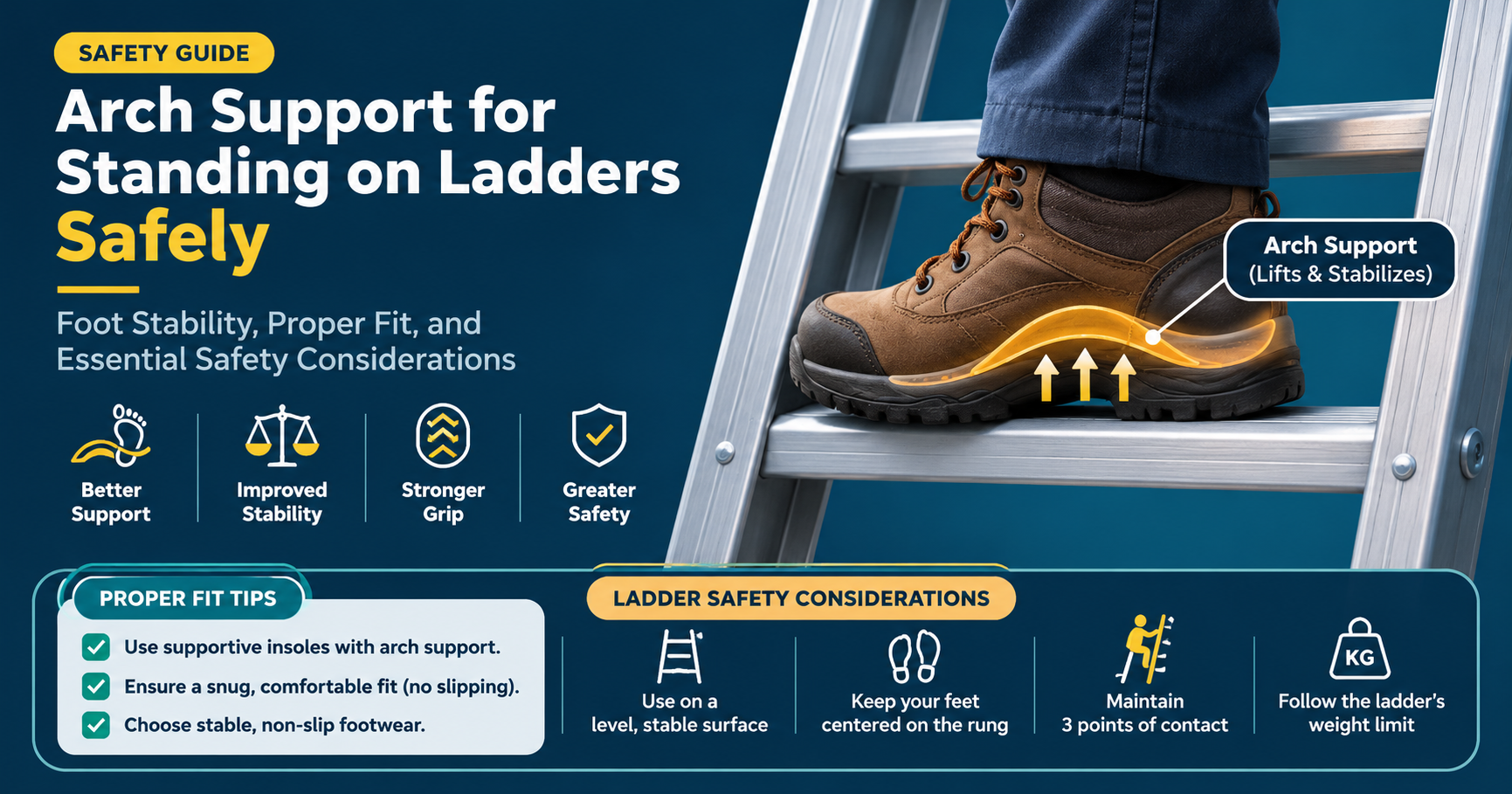
Choose shoes with good arch support, a cushioned sole and a firm heel. Replace worn-out shoes and avoid walking barefoot on hard floors for long periods. Some people benefit from supportive insoles, and a podiatrist can advise on the right type.
6. Smart Activity Habits
- Increase walking or exercise gradually instead of suddenly.
- Take short breaks if your job needs long hours of standing.
- Maintain a healthy body weight to reduce load on your feet.
Common Mistakes to Avoid
- Using maximum intensity right away: this can bruise the arch and increase pain.
- Massaging for too long: over-stimulating the tissue causes soreness instead of relief.
- Pushing through sharp pain: pain is a warning sign, not a goal.
- Ignoring the cause: unsupportive shoes or tight calves will keep the problem coming back.
- Using it on an injured foot: swelling, bruising or a suspected fracture needs medical attention first.
- Skipping rest days: your feet also need recovery time.
- Using damaged equipment: a device with exposed wiring, strange noises or overheating should not be used.
How to Choose a Foot Massager for Arch Pain
If you are still shopping, look for these features:
- Adjustable intensity levels: lets you start gently and increase gradually.
- Targeted arch coverage: nodes or rollers that reach the middle of the foot, not just the heel and toes.
- Size and fit: a wide platform that suits your foot size.
- Heat option: useful for stiff muscles, but should be optional and adjustable.
- Auto shut-off timer: prevents overuse and adds safety.
- Washable or removable cover: keeps the device hygienic.
- Quiet motor and stable base: makes regular use more pleasant.
- Clear safety certification and warranty: a sign of a reliable product.
Cleaning and Caring for Your Foot Massager
- Unplug the device before cleaning.
- Wipe the surface with a slightly damp cloth and mild soap; never soak it in water.
- Wash removable covers according to the care label.
- Store it in a dry place away from direct sunlight.
- Check cables and buttons regularly for damage.
When Should You See a Doctor?
Home care and massage suit mild, everyday arch discomfort. Stop using the massager and speak with a doctor or podiatrist if you notice any of the following:
- Severe pain, or pain that keeps getting worse
- Pain that does not improve after two weeks of regular care
- Swelling, redness, warmth or visible bruising in the foot
- Numbness, tingling or burning that does not go away
- Difficulty walking or putting weight on the foot
- Pain that began after an injury or fall
- Diabetes together with any new foot pain or skin changes
A professional can find the real cause, which might be plantar fasciitis, a stress injury, nerve irritation or a structural issue, and recommend treatments such as physical therapy, orthotics or other medical options.
Frequently Asked Questions
Can a foot massager really help with arch pain?
It can help relieve muscle tightness and soreness, improve comfort and support relaxation. It does not fix the root cause, so combine it with stretching, good footwear and rest.
Is it okay to use a foot massager every day?
Many people tolerate one gentle session a day, but it depends on your feet. Start with three or four sessions a week and increase only if you feel better, not sore, the next day.
How long should I use a foot massager on my arches?
Ten to fifteen minutes per foot is a safe range for most people. Shorter sessions are better if the arch is very sensitive.
Should a foot massager hurt?
No. You may feel firm pressure or mild tenderness, but sharp, stabbing or burning pain means you should reduce the intensity or stop.
Is a foot massager good for plantar fasciitis?
Many people with plantar fasciitis find gentle massage soothing, particularly together with stretching. Because the tissue is already irritated, avoid strong pressure and ask a healthcare professional for guidance if pain is severe.
Should I use heat or no heat?
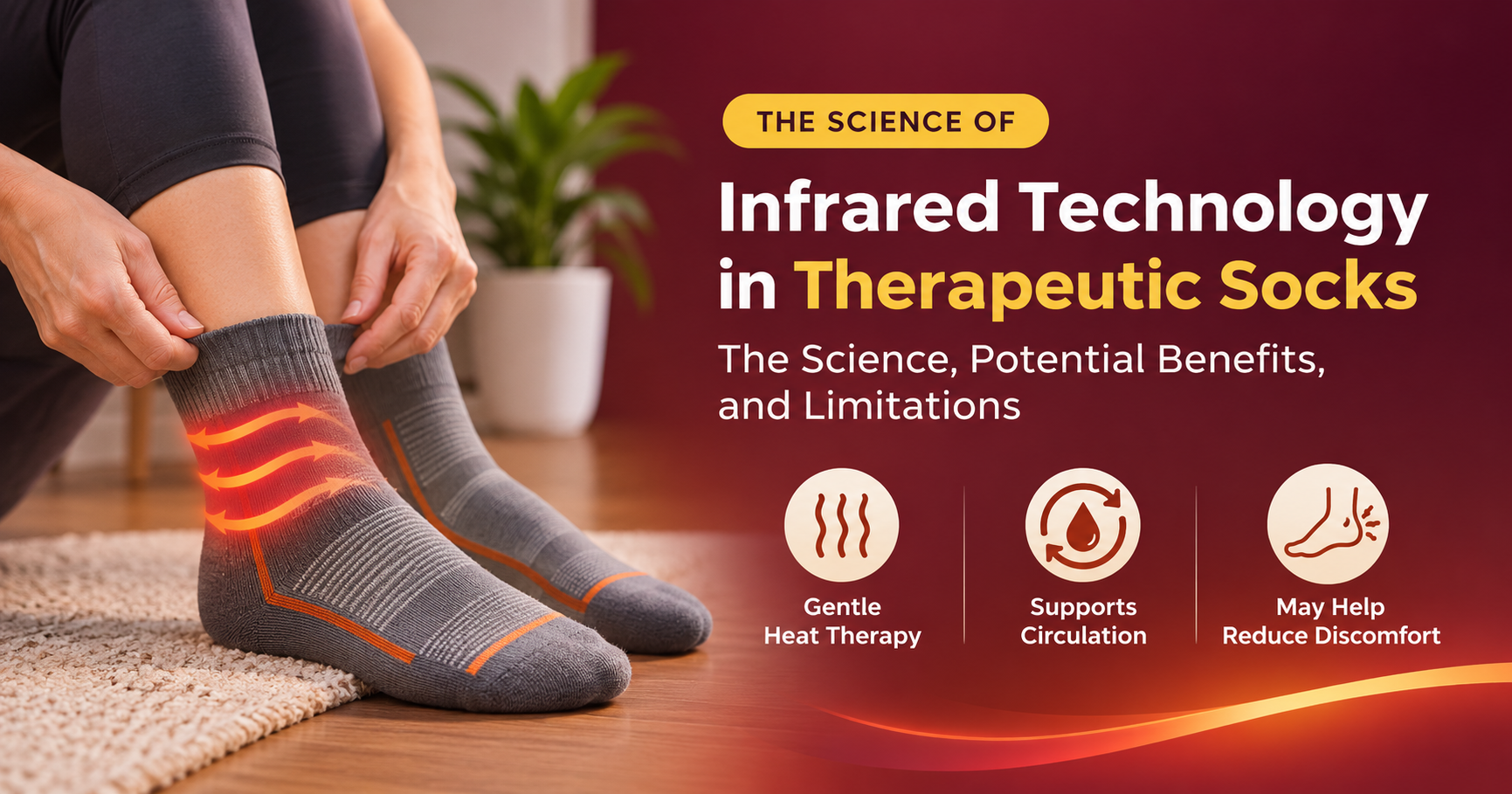
Mild heat can relax tight muscles, but avoid it if your foot is swollen, inflamed, numb or if you have diabetes or circulation problems unless your doctor agrees.
Can I use a foot massager while wearing socks?
Often yes, but follow the manufacturer’s guide. Thin cotton socks are usually fine and can be more hygienic, though bare feet give the most direct contact.
How soon will I feel relief?
Some people feel looser after the first session. Lasting improvement usually takes consistent use, along with stretching and better footwear, over a couple of weeks.
Final Thoughts
Knowing how to use a foot massager for arch pain relief comes down to a few simple rules: start gently, target the arch slowly, keep sessions short and listen to your body. Combined with calf and arch stretches, supportive shoes and sensible rest, a foot massager can become a comforting part of your daily foot care and help you move with less discomfort.
Be patient, stay consistent and do not ignore warning signs. If the pain is intense, persistent or accompanied by swelling or numbness, get professional advice. Your feet carry you every day, so they deserve the same care you give the rest of your body.
Disclaimer: This article is for general information only and is not medical advice. It does not replace consultation with a doctor, physiotherapist or podiatrist. Always seek professional advice for persistent or severe foot pain.