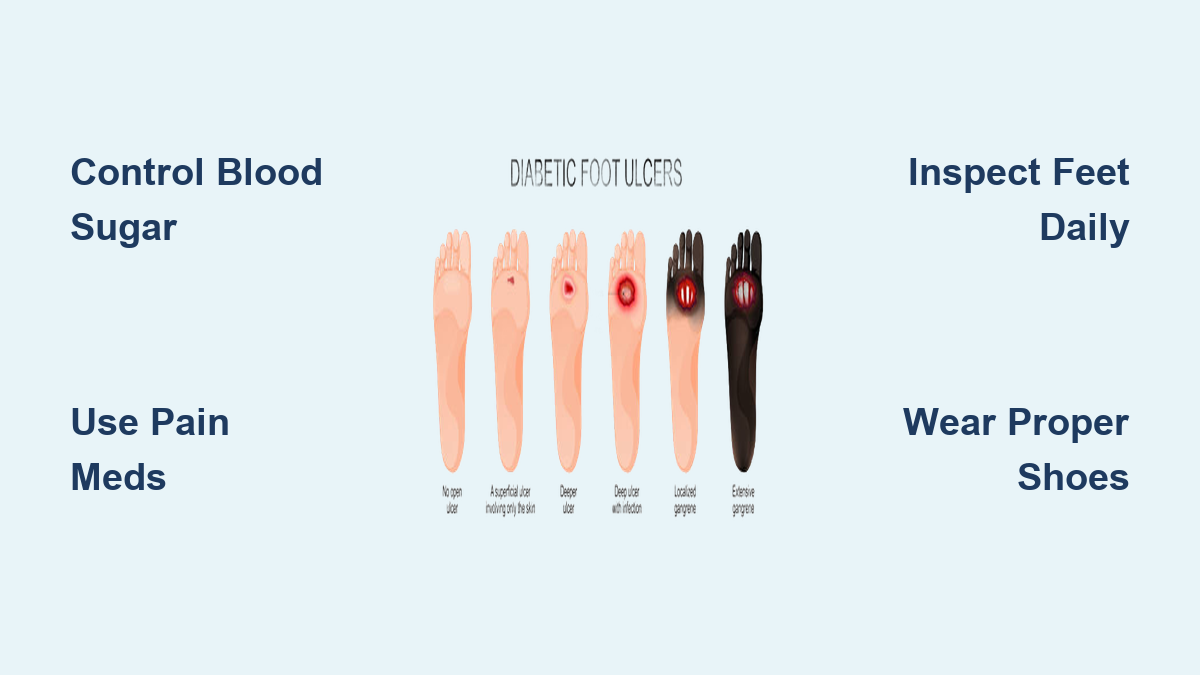
Every 30 seconds, someone loses a lower limb due to diabetes-related complications—most often starting with a small, unnoticed foot injury that escalates into a diabetic foot ulcer (DFU). For the 15–25% of diabetic patients who will face a foot ulcer in their lifetime, the consequences can be life-altering: chronic wounds, severe infections, hospitalization, and even amputation. Yet research shows that nearly half of all diabetic amputations are preventable with consistent daily care and early detection. The key lies not in complex medical interventions, but in disciplined, everyday habits that protect the feet from injury and promote long-term health. This guide delivers a science-backed, step-by-step plan for how to prevent foot ulcers for diabetic patients—covering foot inspections, hygiene, footwear, blood sugar control, and advanced tools—all designed to help you stay mobile, independent, and ulcer-free.
Check All Foot Surfaces Daily

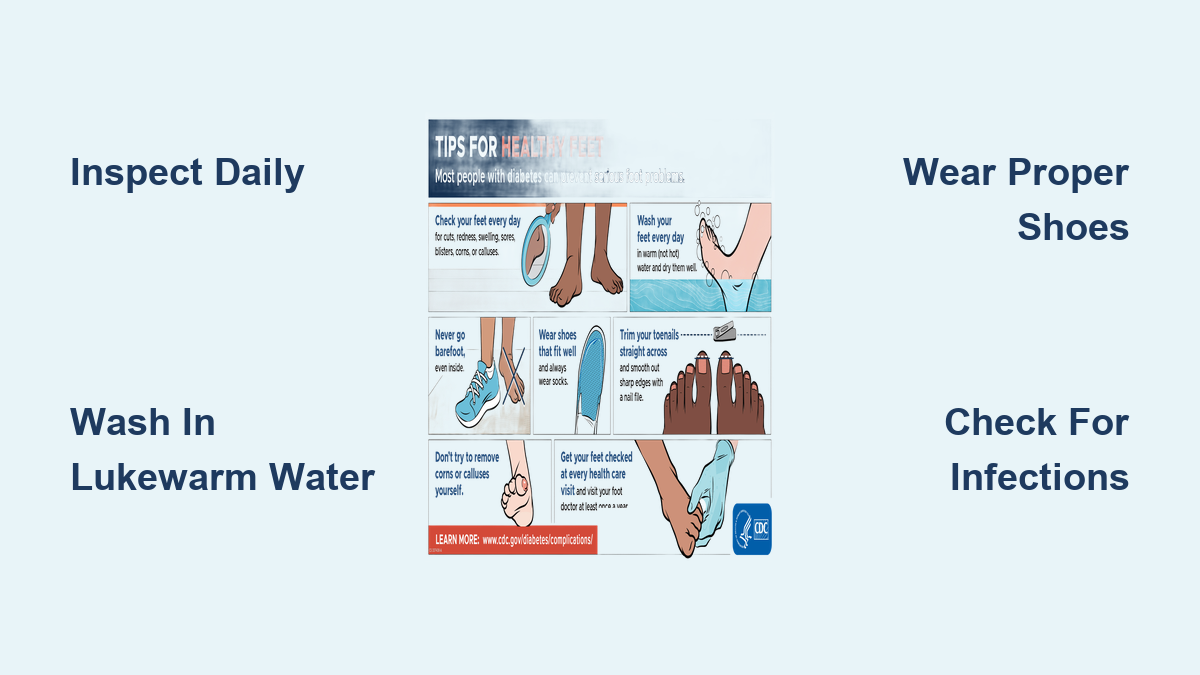
Inspect your feet every single day, even when they feel fine. Diabetic neuropathy—nerve damage caused by high blood sugar—can dull sensation, meaning you might not feel a cut, blister, or foreign object embedded in your skin. Without daily checks, minor injuries can go unnoticed and quickly turn into ulcers. Look closely at the soles, heels, sides, and spaces between your toes, where moisture and friction often lead to breaks in the skin.
Use a long-handled mirror or your smartphone camera to see areas that are hard to view. If you have poor vision, joint stiffness, or difficulty bending, ask a family member or caregiver to help. Never assume a sore will heal on its own—what seems small can escalate rapidly in diabetic patients due to impaired healing and immune function.
Act Immediately on Any Foot Changes
Even a tiny scratch or red spot requires action. Gently clean the area with mild soap and lukewarm water, pat dry, apply an over-the-counter antibiotic ointment, and cover with a sterile bandage. Monitor the spot daily for worsening signs: increased redness, warmth, swelling, or discharge.
If you notice any of these red flags, contact your doctor immediately. Infections in diabetic patients can progress quickly and become deep tissue or bone infections (osteomyelitis), drastically increasing amputation risk. Early treatment with antibiotics or wound care can stop a minor issue from becoming a major crisis.
Wash Feet Daily in Lukewarm Water
Clean your feet every day using lukewarm water (no hotter than 37°C or 98.6°F) and a gentle, fragrance-free soap. Never use hot water—neuropathy can prevent you from sensing a burn, leading to serious scalds. Always test the water with your elbow or forearm, not your foot.
Avoid soaking your feet, even if they feel dry or tired. Prolonged soaking softens the skin too much, making it more prone to cracking and fungal infections. Limit washing to 5–10 minutes, then move straight to drying.
Dry Thoroughly, Especially Between Toes
After washing, pat your feet dry with a soft towel—don’t rub, which can irritate sensitive skin. Pay special attention to the areas between your toes, where moisture can get trapped and create a breeding ground for athlete’s foot and other fungal infections. These infections can cause skin to crack, opening the door to bacterial invasion and ulcers.
Never use electric blankets, heating pads, or hot water bottles on your feet. These can cause serious burns without you feeling them, especially if you have neuropathy.
Use Urea-Based Creams to Prevent Cracked Skin

Dry, cracked skin is a major entry point for infection. Apply a diabetic-safe moisturizer to the tops and bottoms of your feet every day. Urea-based creams (10–20%) are clinically proven to hydrate thickened skin, reduce calluses, and prevent fissures.
Avoid greasy lotions—they can make floors slippery—and steer clear of alcohol-based products, which dry skin further. Never apply moisturizer between your toes, as this can trap moisture and encourage fungal growth.
Trim Toenails Straight Across
Cut your toenails straight across, not rounded at the corners, to prevent ingrown toenails. Use clean, sharp nail clippers and file the edges with an emery board to smooth any sharp points. Leave a small amount of white at the tip—never cut too short.
If you have poor vision, numbness, circulation problems, or thickened nails, do not trim your own toenails. Instead, see a podiatrist every 6–8 weeks for professional care. Never attempt to cut corns, calluses, or warts yourself—using blades or chemicals increases ulcer risk.
Never Walk Barefoot—Not Even Indoors
Going barefoot, even at home, is one of the most dangerous habits for diabetic patients. You could step on a sharp object, hot surface, or rough carpet without feeling it. Always wear socks and supportive shoes, both inside and outside the house.
Avoid flip-flops, open-toed sandals, and walking barefoot on beaches or pool decks. These expose your feet to cuts, burns, and infections. Instead, wear non-slip slippers or diabetic indoor shoes with cushioned soles and seamless interiors to reduce friction.
Choose Properly Fitted Diabetic Shoes

Ill-fitting shoes are a leading cause of foot ulcers. Buy shoes later in the day when your feet are slightly swollen. Get measured each time—feet can change size over time, especially with diabetes.
Look for shoes with:
– A wide toe box
– Soft, seamless lining
– Cushioned insoles
– Non-slip soles
– At least 1.25 cm (thumb’s width) of space beyond your longest toe
Break in new shoes gradually—wear them for just 1–2 hours the first few days and check for redness or pressure spots. Consider custom-molded or therapeutic shoes if you have foot deformities like bunions or hammertoes.
Wear Diabetic-Specific Socks
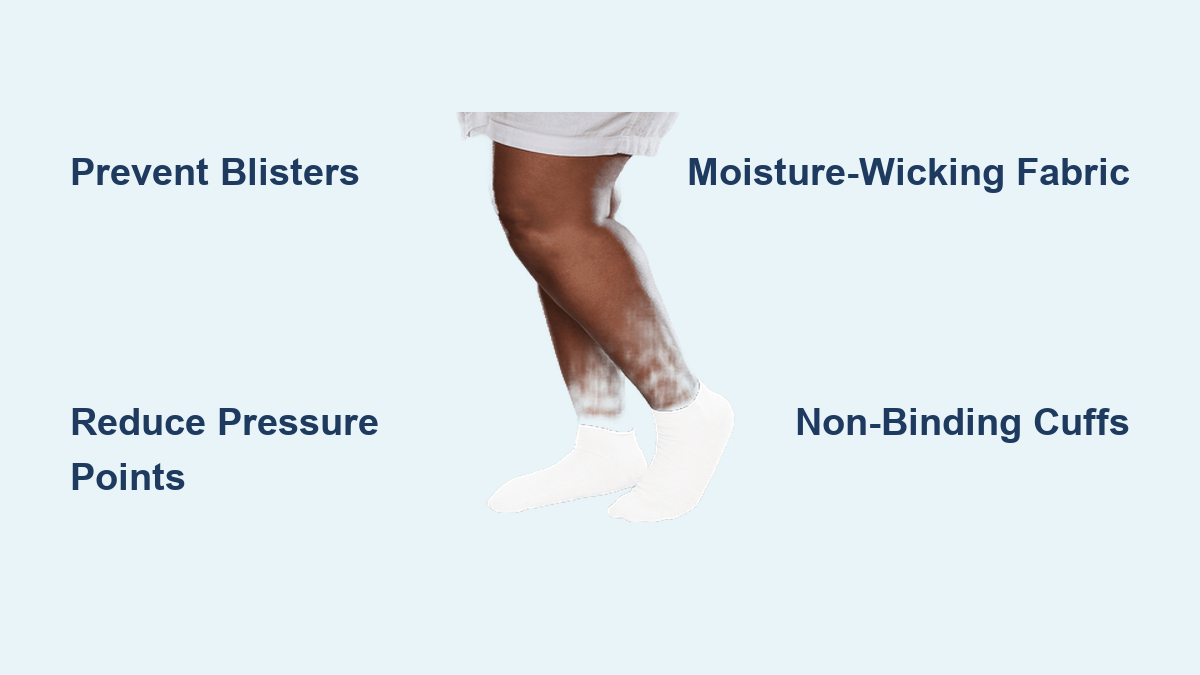
Choose seamless socks made of moisture-wicking materials like synthetic blends or wool. Avoid cotton—it absorbs sweat but doesn’t dry quickly, increasing infection risk. Look for socks with non-binding tops that don’t squeeze your legs and restrict circulation.
For high-risk patients, diabetic-approved socks with the APMA Seal of Approval are recommended. Some smart socks now include temperature sensors that alert you to early inflammation—ideal for catching problems before they become visible.
Elevate Feet to Improve Circulation
When sitting, elevate your feet to or slightly above heart level to reduce swelling and improve blood flow. Use a footstool or leg rest, and avoid crossing your legs, which can restrict circulation.
If you have swelling or venous insufficiency, compression socks may help—but only if you don’t have severe peripheral artery disease (PAD). Always consult your doctor before using compression, as it can be harmful in ischemic feet.
Keep HbA1c Below 7% to Protect Nerves and Blood Vessels
Maintaining HbA1c under 7% is crucial to preventing nerve damage (neuropathy) and poor circulation (PAD)—the two biggest risk factors for foot ulcers. High blood sugar stiffens arteries, impairs immune function, and slows healing.
Work with your doctor to adjust your medications, diet, and activity level to keep glucose levels stable. Consistent control not only prevents ulcers but also slows the progression of other complications like kidney disease and vision loss.
Manage Blood Pressure and Cholesterol
High blood pressure and cholesterol worsen peripheral artery disease, reducing blood flow to your feet. Take prescribed medications and follow a heart-healthy diet rich in vegetables, whole grains, lean proteins, and healthy fats.
Good cardiovascular health means better circulation, faster wound healing, and lower amputation risk.
Quit Smoking to Reduce Amputation Risk by 70%
Smoking narrows blood vessels and cuts oxygen delivery to your feet. Diabetic smokers have three times the amputation risk of non-smokers. Quitting improves circulation, speeds healing, and reduces infection risk.
Ask your doctor about smoking cessation programs, nicotine patches, or prescription medications to help you quit for good.
Stay Active with Safe, Low-Impact Exercise
Walking, swimming, water aerobics, and stationary cycling improve blood flow, help control blood sugar, and strengthen foot muscles. Always wear proper footwear during activity and avoid high-impact sports like running or jumping.
If you have neuropathy, deformities, or a history of ulcers, get clearance from your podiatrist before starting any new exercise.
Get Annual Comprehensive Foot Exams
All diabetic patients need a full foot check at least once a year. This includes:
– Visual inspection for skin changes or calluses
– Pulse checks (dorsalis pedis, posterior tibial)
– Neurological tests like the 10-g monofilament test, tuning fork, and pinprick testing
If you’re high-risk, see your doctor every 3–6 months.
Build a Multidisciplinary Care Team
Preventing ulcers is a team effort. A coordinated approach can reduce amputation risk by over 30%. Your team should include:
– Endocrinologist or primary doctor (for glucose control)
– Podiatrist (for foot exams and nail care)
– Vascular specialist (for PAD)
– Wound care nurse
– Orthotist (for custom shoes)
– Diabetes educator
Regular visits mean problems are caught early—before emergencies happen.
Know the Warning Signs of Infection
Seek help immediately if you notice:
– Redness, warmth, or swelling that doesn’t improve
– Open sores or pus
– Foul odor or red streaks
– Fever or chills
– Cold, pale, or blue toes
– Worsening numbness or tingling
Infections spread fast in diabetic patients. Early treatment saves feet.
Use Advanced Tools Like Smart Socks and Pressure Mapping
Ask your doctor about:
– Monofilament and Doppler testing to check sensation and blood flow
– Plantar pressure mapping to identify high-risk areas
– Smart socks that detect temperature differences—a 2°C rise in one foot may signal inflammation before any visible signs
Telemedicine can also help you stay on track between visits.
Educate Yourself and Stay Committed
Ask for structured foot care education from your healthcare provider. Learn how to inspect, wash, trim nails, and choose shoes. Use mirrors, visual aids, or caregiver help if needed.
Preventing foot ulcers is a lifelong habit—like brushing your teeth. Small daily actions add up to big protection. Up to 50% of diabetic amputations are preventable. Start today. Your feet—and your future—depend on it.