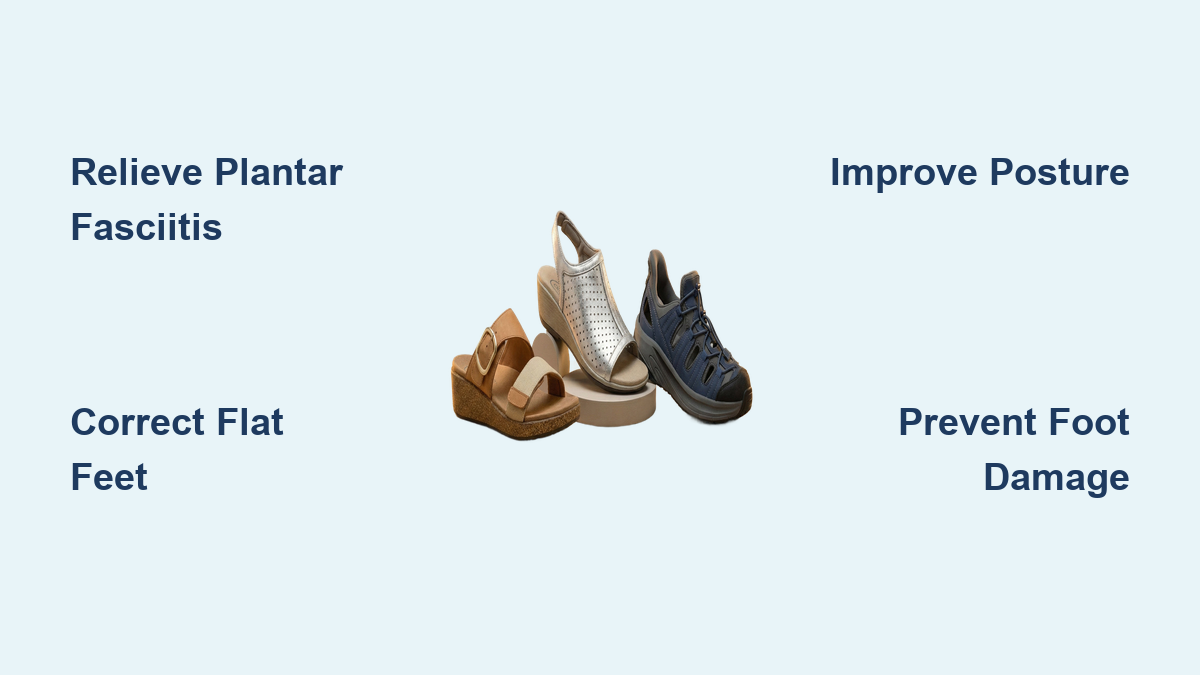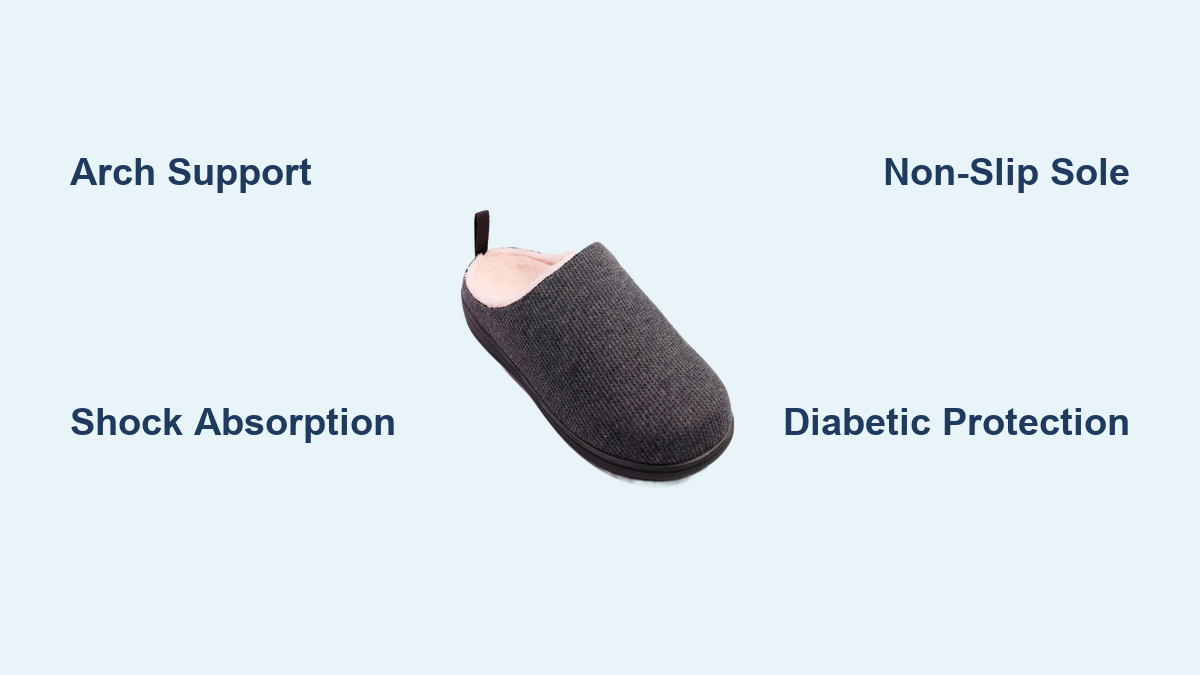
Stepping out of bed onto a cold tile floor in thin slippers—or worse, bare feet—might seem like a small daily habit, but its impact on your body adds up over time. For millions dealing with foot pain, chronic conditions, or the natural wear of aging, orthotic slippers for indoor use offer a powerful, science-backed solution. These aren’t just cozy footwear—they’re engineered with medical-grade support to protect your feet from the first step in the morning to the last at night.
Unlike plush memory foam slippers that collapse under pressure, orthotic slippers deliver targeted arch support, shock absorption, and stability—features proven to reduce foot strain, prevent injuries, and improve posture. Whether you’re managing plantar fasciitis, diabetes, arthritis, or simply want to avoid aching feet after standing at the counter, these supportive slippers can make a measurable difference. Backed by podiatrists and clinical insights, orthotic slippers are more than comfort—they’re a proactive investment in long-term foot and body health.
This guide explores the top science-backed benefits of orthotic slippers, who needs them most, what features to look for, and how they can transform your daily comfort—one step at a time.
Enhanced Arch Support and Improved Foot Alignment
Why Proper Foot Alignment Matters
Your feet are the foundation of your body. When they’re unsupported—especially on hard indoor floors like tile or hardwood—your arches can collapse, causing overpronation, an inward rolling of the foot that misaligns your ankles, knees, hips, and lower back. Orthotic slippers counteract this with anatomical arch support that mirrors the natural curve of the foot, keeping your posture in check.
This support evenly distributes your weight, reducing pressure on high-impact areas like the heel and ball of the foot. Over time, consistent use helps prevent conditions like Achilles tendonitis, fallen arches, and plantar fasciitis. Brands like Vionic (Vio-Motion™) and PowerStep (ArchWear™) use contoured footbeds that cradle the arch and heel, correcting mild to moderate alignment issues.
Preventing Long-Term Foot Damage
Walking barefoot or in unsupportive footwear indoors accelerates fat pad atrophy—a thinning of the protective fat under the heel that occurs with age and lack of cushioning. Orthotic slippers slow this degeneration by providing consistent support, preserving your foot’s natural shock absorption.
Podiatrist Insight: “The right support can do more than relieve pain—it corrects overpronation, reduces fatigue, and improves mobility.” – PowerStep
Pain Relief for Common Foot Conditions
Alleviate Plantar Fasciitis Pain
If you wake up with sharp heel pain, you may have plantar fasciitis, caused by strain on the thick tissue band running from your heel to your toes. Orthotic slippers help by:
- Supporting the arch to reduce tension on the plantar fascia
- Featuring deep heel cups that stabilize the heel and absorb impact
- Using shock-absorbing midsoles (EVA, memory foam) to cushion each step
Models like PowerStep ArchWear Slippers and Vionic Izzy Clog are specifically designed for this condition, combining removable orthotic insoles with rigid heel counters for maximum relief.
Support for Flat Feet and Overpronation
Flat feet lack natural arch support, leading to overpronation and joint pain. The best orthotic slippers for flat feet include:
- Firm, flexible arch profiles that lift and stabilize the foot
- Deep heel cups to guide proper alignment
- Structured midsoles that resist compression
These features improve gait mechanics and reduce strain on the knees and lower back.
Comfort for Bunions, Hammer Toes, and Neuromas
Bony deformities and nerve issues need space and soft interiors. Orthotic slippers from Anodyne and Portofino offer:
- Roomy toe boxes to prevent pressure on bunions
- Seamless linings that reduce friction on sensitive nerves
- Adjustable straps to accommodate swelling
This makes them ideal for Morton’s neuroma and inflammatory conditions.
Diabetic Foot Protection
For diabetics, foot safety is critical. Neuropathy and poor circulation increase the risk of unnoticed injuries and ulcers. Orthotic slippers help by:
- Using smooth, non-irritating linings (Merino wool, faux shearling)
- Providing cushioned footbeds to prevent microtrauma
- Featuring closed-back designs that protect the heel
These slippers act as a daily defense system, reducing the risk of complications that could lead to hospitalization.
Fact: Over 38 million Americans have diabetes—making protective footwear a public health necessity.
Shock Absorption for Joint Protection

Cushioning on Hard Indoor Floors
Tile, hardwood, and concrete offer zero shock absorption. Each step sends impact up your kinetic chain—ankles, knees, hips, and spine. Without cushioning, this leads to joint fatigue and long-term wear.
Orthotic slippers use EVA foam, memory foam, or micro cork midsoles to absorb impact. These materials compress on contact and rebound, reducing stress on joints—especially beneficial for people with arthritis or joint pain.
Technologies That Make a Difference
- Vio-Motion™ (Vionic): Combines arch support with flexible stability
- Micro cork (Portofino): Naturally molds to the foot while resisting compression
- PowerStep ArchWear™: Cradles the arch and cushions the heel
These features not only reduce pain but also preserve joint health over time.
Insight: “Walking barefoot on hard floors increases pressure on the heel and ball of the foot—leading to discomfort and fatigue.” – Article 1
Fall Prevention and Better Traction

Reduce Slip and Fall Risks
Falls are the leading cause of injury in adults over 65. Many occur indoors, especially in bathrooms or kitchens with slick floors. Orthotic slippers reduce risk with:
- Non-slip rubber outsoles with tread patterns for grip
- Wider base designs that improve balance
- Secure closures (hook-and-loop, cross straps) that prevent slippage
Unlike backless slippers that slide off, models with closed backs and adjustable straps stay firmly in place.
Indoor/Outdoor Versatility
Some orthotic slippers, like the Vionic Snuggle and Sorel Go Coffee Run, feature durable rubber soles suitable for brief outdoor use—perfect for grabbing mail or stepping outside without changing shoes.
Recommendation: Anti-slip soles are essential for maintaining balance, especially for older adults. – Article 2
Improved Circulation and Warmth
Keep Feet Warm, Improve Blood Flow
Cold feet aren’t just uncomfortable—they can restrict circulation, worsening conditions like neuropathy and poor blood flow. Orthotic slippers help by:
- Using insulating materials like Merino wool, fleece, and faux shearling
- Retaining heat without trapping moisture
- Promoting healthy blood flow, which supports tissue healing and immune function
Breathable Materials Prevent Overheating
While warmth is key, breathability matters too. Look for slippers with:
- Soft leather or mesh uppers that allow airflow
- Moisture-wicking linings to prevent dampness
- Temperature-regulating fabrics for all-day comfort
This balance keeps feet warm in winter and comfortable year-round.
Quote: “Good circulation improves mobility, comfort, and immune function.” – Article 7
Hygiene and Skin Protection
Shield Feet from Indoor Hazards
Indoor floors collect dirt, bacteria, allergens, and moisture—posing risks, especially for those with open wounds or sensitive skin. Orthotic slippers act as a protective barrier, reducing exposure.
Features That Promote Foot Health
- Closed designs that cover the entire foot
- Antimicrobial, washable linings that resist odor and bacteria
- Seamless interiors to prevent chafing and blisters
Brands like Orthofeet and Anodyne prioritize hygienic, breathable materials to support long-term foot wellness.
Tip: Wash slippers per instructions—usually hand wash or delicate cycle, air dry. Spot clean insoles only.
Reduce Fatigue During Daily Tasks
Comfort for Standing and Moving Indoors
Many people spend hours standing while cooking, cleaning, or working from home. Without support, this leads to cumulative fatigue in the feet and legs.
Orthotic slippers reduce strain by:
- Supporting natural foot mechanics, decreasing energy use
- Using lightweight, ergonomic designs that feel like second skin
- Offering all-day cushioning without bulk
Real User Feedback
Users often report they “don’t want to take them off,” highlighting how effective these slippers are at maintaining comfort during routine activities.
Benefit: Less fatigue means more energy for daily life—especially valuable for remote workers and caregivers.
Psychological and Lifestyle Benefits
Support Starts at Home
Putting on supportive slippers isn’t just physical—it’s psychological. That moment of slipping them on can signal a shift from work to rest, promoting relaxation and mental comfort.
Enhance Sensory Well-Being
Plush linings like memory foam and shearling provide tactile comfort, reducing stress and enhancing feelings of safety and warmth. For older adults or those with chronic pain, this small act can improve mood and independence.
Brand Insight: “Support starts at home.” – Vionic
Accommodate Swelling and Custom Orthotics

Fit Changes? No Problem
Foot swelling is common due to pregnancy, lymphedema, heart conditions, or prolonged standing. Orthotic slippers handle this with:
- Extra depth (up to 5/16″) to accommodate swollen feet
- Adjustable closures (hook-and-loop, elastic gore) for a secure fit without bending
- Removable footbeds that make room for custom orthotics
Ideal for Personalized Support
If you use custom orthotics, look for models like:
- Mephisto Polli
- Anodyne No. 21
- PowerStep ArchWear Slippers
These allow you to insert your own inserts while still benefiting from a supportive sole and non-slip base.
Tip: Removable insoles also extend the life of your slippers—you can replace them when worn out.
Long-Term Durability and Value
Built to Last, Not Collapse
Unlike cheap memory foam slippers that flatten in months, orthotic slippers are made with high-quality, durable materials:
- Cork, EVA, rubber, and suede resist compression and wear
- Reinforced stitching withstands daily use
- Replaceable insoles let you refresh the support without buying new slippers
A Smart Investment
While orthotic slippers may cost more upfront (e.g., $73–$79 for PowerStep models), their longevity and health benefits make them cost-effective over time. Preventing pain, reducing fall risk, and avoiding medical issues far outweigh the initial price.
Maintenance Tip: Air dry after use, avoid direct heat, and clean as directed to maximize lifespan.
Who Should Use Orthotic Slippers?
| User | Key Benefit |
|---|---|
| Plantar Fasciitis Sufferers | Heel cushioning, arch support, pain relief |
| Flat Feet or Overpronators | Alignment correction, gait improvement |
| Diabetics | Skin protection, temperature regulation |
| Seniors (65+) | Fall prevention, joint support |
| Arthritis Patients | Shock absorption, joint protection |
| Pregnant Women | Swelling accommodation, arch support |
| Remote Workers | All-day comfort, reduced fatigue |
| Anyone with Foot Pain | Preventive care, long-term wellness |
Podiatrist Insight: “Everyone can benefit from supportive slippers—no prescription needed.” – Article 6
What to Look for in Orthotic Slippers
| Feature | Why It Matters |
|---|---|
| Anatomical Arch Support | Prevents overpronation, supports natural foot shape |
| Shock-Absorbing Midsole | Protects joints from hard floor impact |
| Non-Slip Rubber Outsole | Reduces fall risk on slick surfaces |
| Adjustable Fit (Straps, Gore) | Accommodates swelling, ensures secure fit |
| Removable Insole | Allows custom orthotics, extends lifespan |
| Breathable Upper Materials | Prevents overheating and moisture buildup |
| Roomy Toe Box | Prevents pressure on bunions and hammertoes |
| Closed Back | Improves stability, protects heel |
| Indoor/Outdoor Sole | Enables brief outdoor use safely |
| Washable, Antimicrobial Lining | Maintains hygiene and foot health |
Top Recommended Models

| Brand | Model | Best For |
|---|---|---|
| Vionic | Snuggle Slipper | Cozy support with indoor/outdoor sole |
| Izzy Clog | Full stability, ideal for plantar fasciitis | |
| Relax II | Adjustable fit, great for swelling | |
| PowerStep | ArchWear Slippers | Maximum arch support, removable insole |
| Mephisto | Thea | Cork footbed, Merino wool, shock absorption |
| Polli | Open back, removable insole for orthotics | |
| Anodyne | No. 21 Smooth Toe | Diabetic foot protection, closed back |
| No. 39 Moc Toe | Bunion comfort, removable footbed | |
| Portofino | Melina Slipper | Micro cork sole, arthritis support |
| Sorel | Go Coffee Run | Faux fur, EVA footbed, rubber sole for outdoor use |
Final Note: Orthotic slippers are not just a comfort upgrade—they’re a daily act of foot care with ripple effects on your entire body. From reducing heel pain and preventing falls to improving circulation and supporting custom orthotics, their benefits are both immediate and long-term. Whether you have a diagnosed condition or simply want to protect your feet at home, choosing a high-quality orthotic slipper is a simple, powerful step toward better health.
Because support really does start at home.