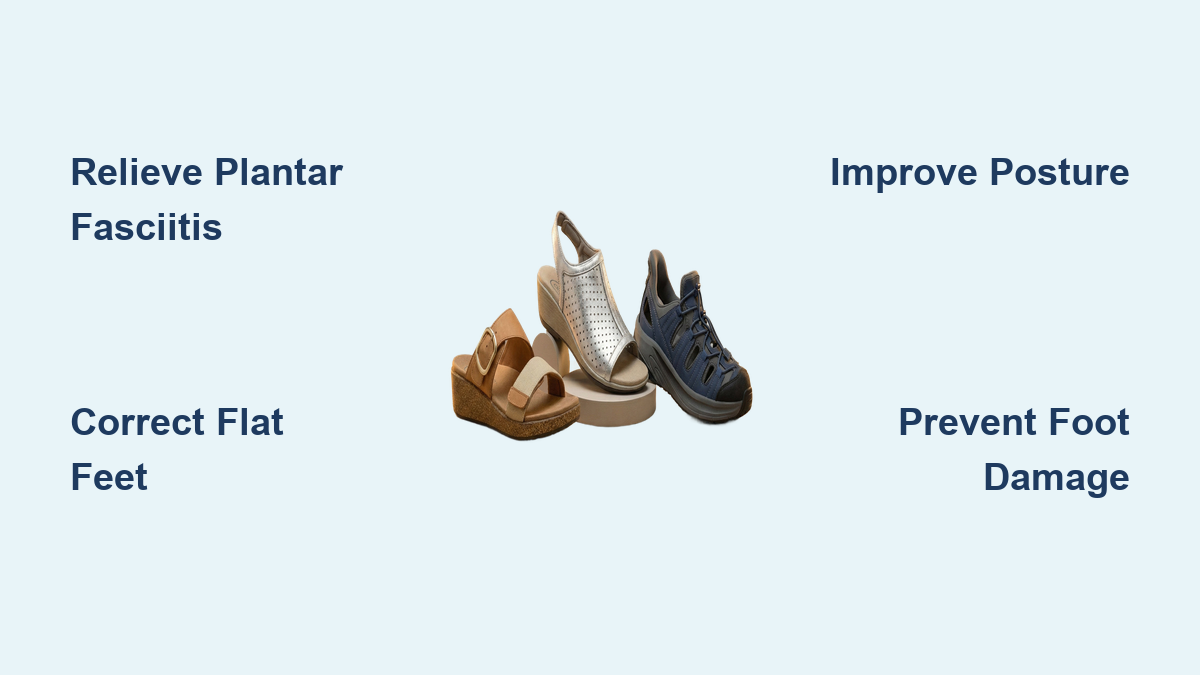
If you’ve ever traded supportive shoes for sandals only to end up with aching feet by midday, you’re not alone. Millions of people sacrifice foot health for breathability and style during warmer months—until now. Sandals with built-in orthotics are transforming warm-weather footwear by delivering medical-grade support without compromising comfort, aesthetics, or airflow. Unlike flat, flimsy flip-flops or generic sandals that offer zero structure, these advanced designs integrate clinical-level arch support, deep heel cups, and shock-absorbing midsoles directly into the shoe’s foundation.
The advantages go far beyond relieving foot pain. Wearing orthotic sandals can correct poor posture, reduce joint strain, enhance balance, and even prevent long-term foot damage. Whether you’re managing plantar fasciitis, standing on hard floors all day, or planning a walking-heavy vacation, built-in orthotics provide real, lasting relief. In this guide, you’ll discover how orthotic sandals work, who benefits most, and what features to look for in a pair that truly supports your feet—and your entire body.
Pain Relief for Common Foot Conditions

Orthotic sandals are clinically effective at reducing symptoms of chronic foot conditions by addressing their root biomechanical causes. The integrated support system stabilizes the foot, redistributes pressure, and reduces strain on tendons and ligaments.
Stop Plantar Fasciitis Pain
Plantar fasciitis affects over 2 million Americans annually, causing sharp, stabbing heel or arch pain—especially with the first steps in the morning. This condition stems from inflammation of the plantar fascia, a thick band connecting the heel to the toes. Without proper support, each step worsens micro-tears in the tissue.
Orthotic sandals combat this by:
– Supporting the medial arch to prevent collapse
– Cushioning the heel to absorb impact
– Maintaining a gentle stretch on the fascia during walking
This three-part approach reduces inflammation and accelerates healing. One verified user with chronic plantar fasciitis reported wearing orthotic sandals “without any discomfort,” a rare experience for long-term sufferers.
Correct Flat Feet and Overpronation
Flat feet—also called fallen arches—cause the entire sole to touch the ground, leading to excessive inward rolling (overpronation). This misalignment fatigues leg muscles and can trigger knee, hip, and back pain.
Built-in orthotics correct this by:
– Lifting and stabilizing the arch with firm, contoured support
– Aligning the heel and forefoot to improve gait efficiency
Users with flat feet, like Min Tran, report feeling “much better” in orthotic sandals, noting the perfect fit for their arch type. Consistent support prevents collapse, reducing long-term wear on joints.
Reduce Heel Spur Discomfort
Heel spurs are bony growths on the underside of the heel bone, often caused by chronic plantar fascia strain. While not always painful, they can become irritated with poor footwear.
Orthotic sandals ease discomfort by:
– Using deep heel cups to cradle the calcaneus
– Cushioning the heel to minimize pressure
– Absorbing impact with shock-absorbing midsoles
This protection reduces repetitive stress, allowing the area to heal and preventing further irritation.
Ease Bunion Pressure
Bunions form when the big toe angles inward, creating a painful bump at the joint. Tight, narrow shoes worsen the condition, but orthotic sandals help by:
– Featuring wide toe boxes that allow natural toe splay
– Distributing pressure evenly across the foot
– Using soft, plush cushioning over the bunion area
By eliminating friction and compression, these sandals prevent further irritation and slow bunion progression.
Manage High Arches and Metatarsalgia
High arches (cavus foot) reduce natural shock absorption, leading to ball-of-foot pain (metatarsalgia), calluses, and instability.
Orthotic sandals address this with:
– Strong, contoured arch support for stability
– Enhanced cushioning to compensate for poor shock absorption
– Metatarsal pads that lift and relieve pressure on the forefoot
This targeted support redistributes weight away from the ball of the foot, reducing pain and fatigue.
Improve Posture and Full-Body Alignment

Your feet are your foundation. When they’re misaligned, the effects ripple upward—altering posture and straining joints.
Fix Alignment from the Ground Up
Poor foot support leads to overpronation or supination, forcing your legs to rotate abnormally. This can tilt the pelvis, curve the spine, and create compensatory pain in the lower back and shoulders.
Orthotic sandals correct this by:
– Aligning the foot and ankle in a neutral position
– Reducing abnormal leg rotation
– Promoting a balanced gait cycle
As one source notes, “Wearing orthotic sandals promotes better alignment of the foot, ankle, and lower back,” significantly reducing injury risk and chronic pain.
Reduce Knee and Hip Strain
Misaligned feet alter how force travels through your body. With each step, improper mechanics increase stress on the knees and hips. Orthotic sandals stabilize the foot, ensuring even weight distribution and smoother joint movement—especially beneficial for people with arthritis or recovering from joint injuries.
Enhance Stability and Balance
Stability isn’t just for athletes—it’s essential for daily mobility and fall prevention.
Walk Confidently on Any Surface
Orthotic sandals improve balance by minimizing the micro-adjustments your body makes to stay upright. The deep heel cup and contoured footbed lock your foot in place, reducing slippage.
This is crucial on surfaces like:
– Gravel paths
– Sandy beaches
– Cobblestone streets
As experts note, “Proper arch support improves foot stability, helping you maintain balance on uneven surfaces.” This makes orthotic sandals ideal for travel, hiking, or walking your dog.
Prevent Ankle Sprains and Falls
Loose footwear forces your toes to grip to keep the shoe on, leading to muscle fatigue and instability. Adjustable straps in orthotic sandals eliminate this problem by securing the foot firmly over the orthotic base—reducing the risk of trips, slips, and ankle rolls. This is especially valuable for older adults or anyone with balance concerns.
Reduce Fatigue with Superior Shock Absorption
Hard surfaces transmit up to 2–3 times your body weight in impact with each step. Without cushioning, this strain builds in your feet, legs, and back.
Absorb 70–80% of Impact Forces
Orthotic sandals use advanced midsole materials:
– EVA: Lightweight and flexible
– Polyurethane: Durable and highly shock-absorbent
– Memory foam and cork: Conform to your foot
The best models combine these in dual-density layers—firm support below, soft cushioning on top—for optimal performance.
Ideal for Prolonged Standing
If you work in retail, healthcare, or hospitality, you know the toll of standing all day. Orthotic sandals reduce fatigue by:
– Absorbing impact
– Supporting the arch
– Allowing controlled motion without overexertion
One source confirms: “Premium shock-absorbing cushioning reduces foot and leg fatigue, so you can walk or stand for longer pain-free.”
Prevent Long-Term Foot Damage
Even without current pain, unsupportive sandals can lead to future problems.
Stop Deformities Before They Start
Consistent use of orthotic sandals helps prevent:
– Bunions and hammertoes by allowing natural toe splay
– Worsening arches through consistent support
As one article notes, “Supportive structure helps prevent the development of long-term foot issues such as bunions and hammertoes.”
Protect Connective Tissues
The plantar fascia, tendons, and ligaments weaken over time without proper support. Orthotic sandals reduce strain, slowing degeneration and preserving foot function as you age.
Boost Circulation and Foot Health

Good footwear supports overall health, especially for high-risk groups.
Promote Blood Flow for Diabetics
People with diabetes benefit because:
– Reduced pressure prevents ulcers
– Improved alignment enhances circulation
– Breathable materials keep feet dry
As one source states, “Reduced pressure promotes better blood flow, especially beneficial for diabetics.”
Reduce Swelling and Inflammation
Adjustable straps and even pressure distribution accommodate foot swelling, making these sandals ideal for people with edema.
Stay Cool and Comfortable in Warm Weather
Unlike closed orthopedic shoes, orthotic sandals deliver support without sacrificing breathability.
Enjoy Breathable, All-Day Wear
Materials like mesh, cork, and vegan leather allow airflow, wick moisture, and prevent odor—perfect for summer.
Maintain Style Without Sacrifice
Modern orthotic sandals are sleek and stylish. Brands like PowerStep®, Tread Labs, and Aerothotic prove medical support doesn’t have to look clinical.
Built-In vs. Aftermarket Insoles: Why Integration Wins
While inserts can help, they often shift or bunch. Built-in orthotics eliminate slippage, maintain consistent support, and last longer.
“Built-in arch support offers better alignment, less movement, and longer wear without shifting.” – Article 8
Who Should Wear Orthotic Sandals?
These sandals benefit:
– Plantar fasciitis sufferers
– Flat-footed or high-arched individuals
– Healthcare workers, teachers, retail staff
– Travelers, hikers, diabetics, and older adults
Even with normal arches, “unsupportive sandals wear your feet down over time.” – Podiatrist
Final Note
Sandals with built-in orthotics are more than a comfort upgrade—they’re a proactive investment in your long-term mobility and health. By combining clinical support with breathable, stylish design, they let you enjoy warm weather without sacrificing foot function. Whether you’re managing pain or preventing future issues, the right orthotic sandal can keep you walking confidently, all day and all season.