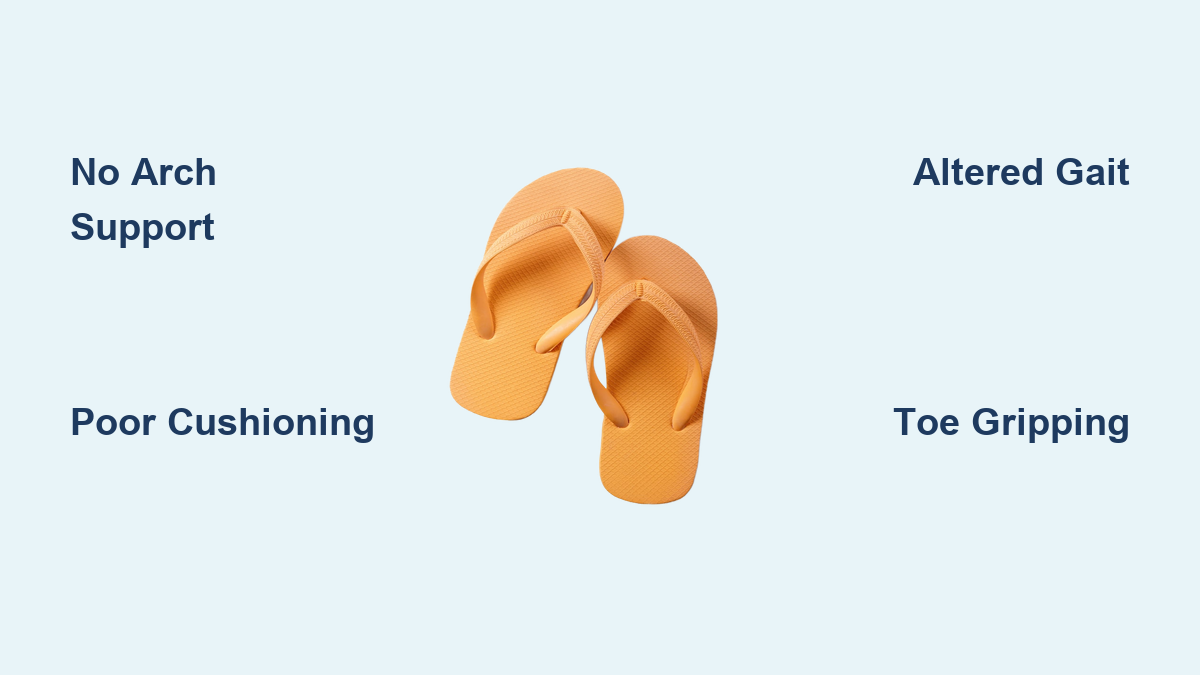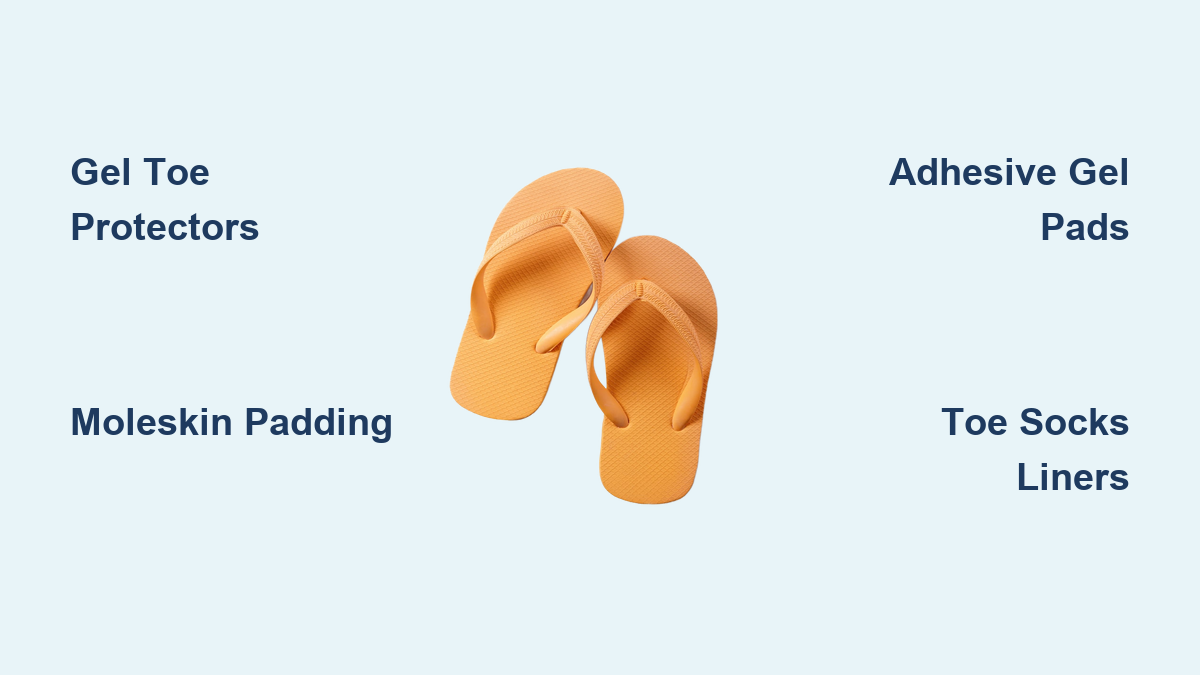
Nothing ruins a sunny day faster than the sharp, nagging pain of a flip flop strap rubbing between your big toe and second toe. That constant pinch isn’t just annoying—it’s a sign your feet are under stress. The toe post forces your toes to grip with every step, creating friction, pressure, and often blisters. Over time, this repetitive motion can even contribute to long-term foot problems like bunions, hammertoes, or plantar fasciitis. But you don’t have to ditch your favorite summer sandals. With the right strategies, you can wear flip flops comfortably—without the pain.
The good news? Relief is within reach. From simple protective accessories to smarter footwear choices and even DIY modifications, there are proven ways to stop flip flops from hurting between your toes. Whether you’re dealing with a new pair that’s already causing discomfort or an old favorite you can’t bear to part with, this guide will show you how to protect your feet, reduce friction, and enjoy pain-free wear. You’ll learn how to cushion the toe post, choose supportive designs, adapt your sandals, and know when it’s time to switch to something more stable.
Use Gel or Silicone Toe Protectors

One of the quickest and most effective fixes is adding a soft, cushioned barrier directly over the toe post. Gel or silicone toe protectors act like a shock absorber, eliminating direct contact between your skin and the hard strap.
Choose the Right Gel Toe Sleeve
Look for medical-grade silicone or gel sleeves that are flexible, reusable, and breathable. The best options stay in place without slipping and come in skin-toned or transparent colors so they don’t stand out.
Top performers include:
– Dr. Frederick’s Original Gel Toe Tubes – With over 900 verified reviews and FSA/HSA eligibility, this 12-piece variety pack offers multiple sizes for a perfect fit. It’s designed not just for flip flops but also for blisters, corns, and calluses.
– Silicone Anti-Friction Toe Protector (10Pcs) – At $4.99, this budget-friendly set features tiny ventilation holes to prevent overheating, making it ideal for hot weather.
– Hoogoo Pinky Toe Sleeves – Though marketed for small toes, users report wrapping them around toe posts for instant relief from chafing.
These sleeves last for multiple wears if rinsed with mild soap and air-dried after use. Avoid wearing them on cracked or irritated skin to prevent infection.
Apply Properly for Maximum Comfort
For full protection:
1. Slide the sleeve completely onto the toe post.
2. Ensure it covers the entire area that touches your skin.
3. If too long, carefully trim with scissors—don’t cut too short.
4. Reapply after washing or if it starts to shift during wear.
Pro Tip: Boost cushioning by placing a small piece of moleskin under the gel sleeve. Secure it with a drop of skin-safe adhesive for a double layer of protection.
Add Padding with Moleskin or Tape

When gel sleeves aren’t available, moleskin is a reliable, low-cost alternative. This soft, fabric-backed padding can be cut to size and wrapped around the toe post to create a thick, protective buffer.
Use Dr. Scholl’s Moleskin for Best Results
Dr. Scholl’s Moleskin Padding Roll is a top choice, praised for its durability and doctor-recommended quality. It’s also FSA/HSA eligible, making it an affordable investment in foot comfort.
To apply:
1. Cut a 1–2 inch strip.
2. Wrap it snugly around the toe post where it contacts your skin.
3. Secure the ends with waterproof tape or medical adhesive if needed.
4. Replace after 1–2 uses or when frayed.
Pre-cut moleskin strips save time and ensure consistent sizing. Many users swear by this method: “I wrapped the toe thing in moleskin so it’s less irritating,” one verified buyer shared across multiple platforms.
This hack works especially well on thicker straps and can be customized for exact thickness depending on sensitivity.
Try Self-Adhesive Gel Pads for Thong Straps
If you want a low-profile solution that stays hidden, self-adhesive gel pads are ideal. These clear, sticky cushions attach directly to the strap and provide targeted relief without changing the look of your sandals.
Top-Rated Adhesive Gel Options
- Gel Metatarsal Pads for Thong Sandals (3 Pairs) – Priced under $7, these transparent, anti-slip pads deliver all-day comfort.
- Tarpop 12 Pairs Silicone Thong Toe Guards – Reusable and compatible with various sandals, these are rated 3.3/5 from over 120 reviews.
- Handepo 12 Pairs Gel Pads – With a 4.1/5 rating, these are praised for durability and staying power.
These pads are perfect for people who want discreet, long-lasting protection that doesn’t slide off.
Installation Tips
- Clean the toe post with rubbing alcohol first.
- Press the pad firmly for 10–15 seconds to ensure strong adhesion.
- If stickiness fades, re-activate with water or mild soap.
Unlike bulkier options, these stay in place and provide consistent cushioning without altering your sandal’s fit.
Wear Toe Socks or Liners for Full Protection
For extended wear—like a full day at the beach or a city walk—consider open-toe socks with built-in padding. These create a full barrier between your skin and the sandal, reducing friction across the entire foot.
Recommended Liner Socks
- Flammi 6 Pairs Ball of Foot Cushion Socks – Features non-skid bottoms and padded toe toppers, ideal for sensitive feet.
- Women No Show Toe Socks (4 Pair) – Lightweight, moisture-wicking, and breathable.
These socks help manage sweat, prevent blisters, and are especially useful in humid climates where moisture increases chafing risk.
Best For: Long walks, travel days, or anyone prone to sweaty feet.
They’re also discreet—just slip them on and go, with no one the wiser.
Insert Gel Toe Separators for Alignment & Cushion
Originally designed for bunion correction, gel toe spacers can double as between-toe cushions. Placed between your big and second toe, they reduce direct contact with the strap while promoting natural alignment.
How to Use with Flip Flops
- Try the 8 Pack Gel Toe Separators ($9.99), which are soft, breathable, and marketed as “specially used for flip flops.”
- Insert before putting on your sandals.
- Ensure the strap sits gently over the spacer, not pinching it.
Over time, these may help prevent overlapping toes and reduce strain from narrow toe posts.
Bonus Benefit: Regular use can improve toe splay and foot function—especially if you spend hours in unsupportive footwear.
Not all flip flops accommodate spacers, so test with wider straps first.
Choose Flip Flops with Comfort in Mind

Prevention starts with your footwear choice. Not all flip flops are created equal—some are built for style only, while others prioritize foot health.
Look for These Key Features
| Feature | Why It Matters |
|---|---|
| Contoured footbed | Matches your foot’s shape, reducing pressure points |
| Arch support | Prevents plantar fasciitis and foot fatigue |
| Soft leather or cork | Less abrasive, wicks moisture better than plastic |
| Adjustable straps | Reduces toe gripping by securing the heel |
| Wide toe box | Allows natural toe spread, minimizes pinching |
| Flexible sole (bends at ball of foot) | Mimics natural gait, prevents awkward bending |
Avoid flimsy models that fold easily in half—these offer zero support and increase injury risk.
Top Comfort-Focused Brands
- Vionic Unisex Wave Toe Post Sandal – Podiatrist-approved arch support and proper flex.
- Clarks Alda Walk Off White Leather – Soft leather upper reduces sweat and irritation.
- FitFlop Jewel-Deluxe Metallic-Leather Flatform – Micro-suede footbed and cushioned sole for all-day wear.
- Arket Crocs Mellow Recovery Flip Flops – Designed for post-activity recovery with deep cushioning.
For active use, consider Chaco, Teva, or Naot sandals—these aren’t traditional flip flops but offer superior support and secure fit.
Podiatrist Advice: “Flip flops that bend only at the ball of the foot, have arch support, and slight heel elevation are much safer for walking.”
Modify Your Flip Flops with DIY Upgrades
If you love your current pair but hate the pain, modifying them can make a world of difference. With simple tools and a bit of creativity, you can customize your flip flops for comfort.
Add Correct Toes for Natural Alignment
Correct Toes are silicone spacers that promote healthy toe splay. You can integrate them into certain flip flops:
For Removable Toe Straps:
- Remove the plug from the sole.
- Thread the Correct Toes device through.
- Reinsert the strap through the toe spacers.
For Fixed Straps:
- Carefully cut only the front of the toe post gap straight down the middle.
- Slide the Correct Toes piece around the strap.
- Close the gap using:
– Medical tape (temporary fix)
– 100% clear silicone aquarium sealant (permanent fix)
Permanent Sealant Method:
– Apply sealant into the cut.
– Clamp edges with two clothespins for alignment.
– Let cure for 24 hours.
– Wipe excess with a damp cloth before drying.
Note: This modification is waterproof and flexible when cured—but voids warranties. Use only on older pairs.
Expert Insight: “With a little DIY effort, you can combine the freedom of flip-flop running with the foot health benefits of Correct Toes.”
Break In Flip Flops Gradually
Even the best-designed flip flops can cause discomfort if worn for hours on day one. Your feet need time to adapt—especially if they’re used to supportive shoes.
Follow a Smart Break-In Plan
- Start indoors: Wear new flip flops around the house for 30–60 minutes.
- Increase daily: Add 15–30 minutes each day.
- Stop before pain: Remove them at the first sign of redness or irritation.
- Use protective pads during the break-in period.
This approach builds tolerance without risking blisters or long-term damage.
M&S Expert Tip: “Take your time. Wear flip flops gradually to allow your feet to become used to them.”
Reduce Friction with Skin Care Tricks
Sometimes, the solution isn’t about changing your footwear—it’s about changing your skin’s interaction with it.
Apply Lubricants or Absorbents
- Vaseline or petroleum jelly: Apply a thin layer between toes to reduce friction.
- Talcum powder or cornstarch: Helps absorb sweat and minimize moisture-related chafing.
- Foot-specific antiperspirant: Reduces sweating that leads to slippery, blister-prone conditions.
M&S Expert Note: “Talc or Vaseline may help, although this is very much down to your choice.”
Use these in combination with other methods for maximum protection.
Know When to Stop Wearing Flip Flops
Flip flops are great for short-term wear, but they’re not designed for every activity.
Avoid Flip Flops When:
- You’re walking more than a few blocks
- You’re exercising, hiking, or running
- You’re doing yard work or standing for hours
- You notice persistent pain, blisters, or cuts
Podiatrist Warning: “Don’t ignore pain or irritation between your big toe and second toe—excessive rubbing can lead to infections.”
Long-term use increases the risk of:
– Blisters and abrasions
– Plantar fasciitis
– Bunions and hammertoes
– Morton’s neuroma
– Ankle sprains
If you’re developing any of these conditions, switch to supportive footwear and consult a podiatrist.
Try Supportive Sandal Alternatives
If flip flops continue to cause pain, consider switching to more stable, supportive styles that still keep your feet cool and comfortable.
Recommended Alternatives:
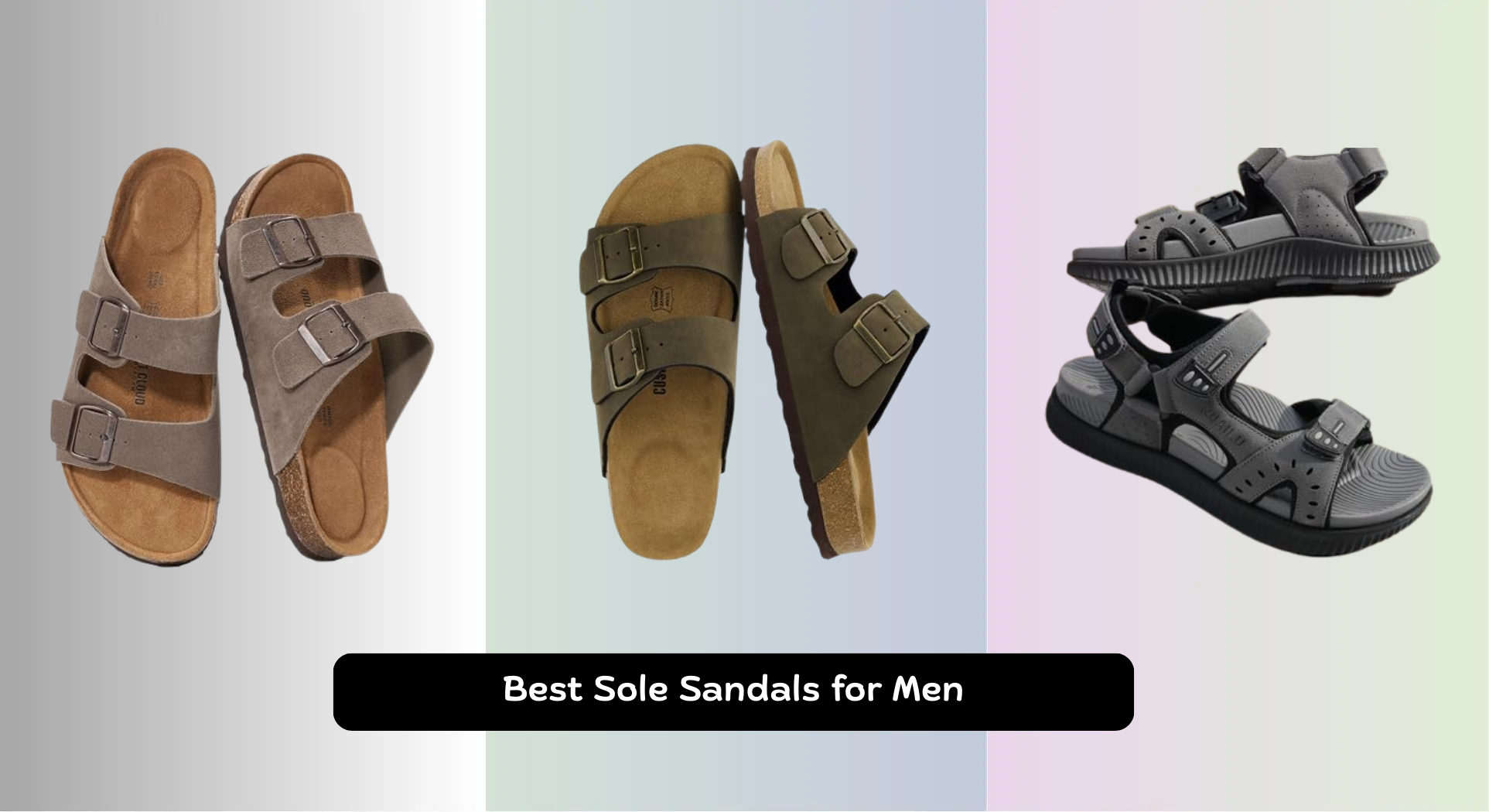
- Birkenstock sandals – Contoured cork footbed with excellent arch support
- Chaco Z/Cloud Sandals – Adjustable straps, rugged soles, ideal for walking
- Teva Original Universal – Secure fit with heel strap and cushioned midsole
- Closed-toe mesh shoes – Lightweight, breathable, and blister-safe for long days
These options offer the open-air feel of flip flops with far better support and stability.
Final Note: Flip flops don’t have to hurt. By using gel protectors, choosing supportive designs, modifying your pair, and caring for your skin, you can enjoy summer footwear without sacrificing foot health. Whether you’re lounging by the pool or strolling through town, prioritize comfort, cushioning, and proper fit—your toes will thank you.