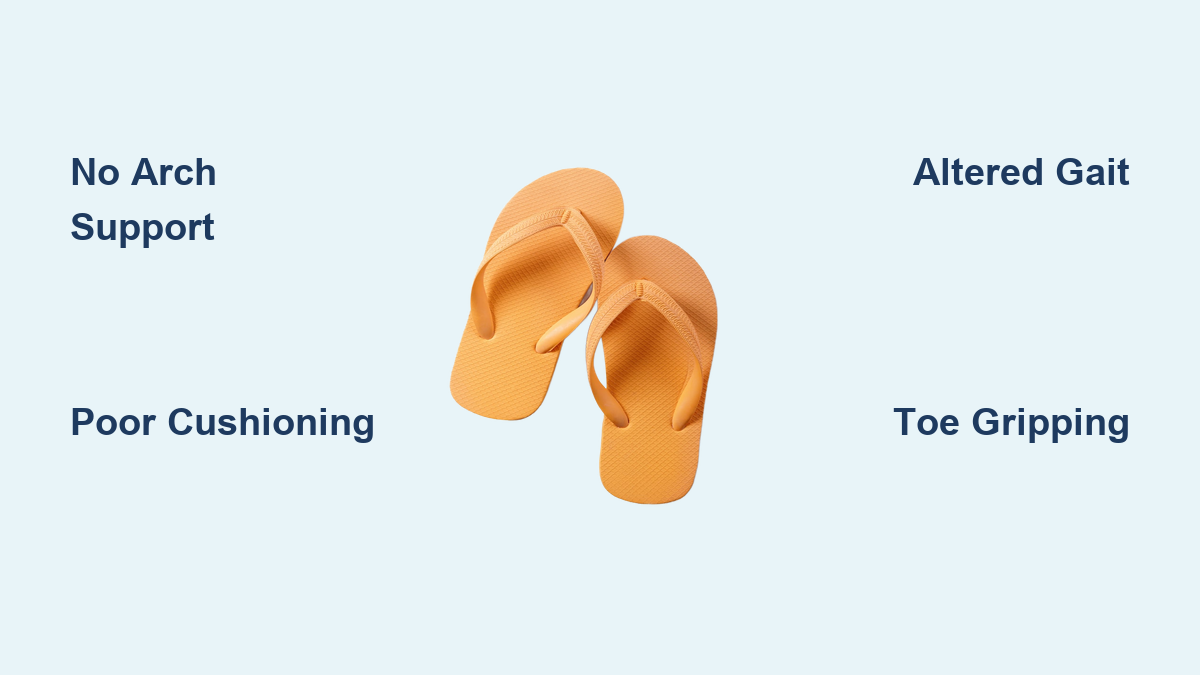
You’ve probably slipped into a pair of flip-flops for a beach stroll, a quick errand, or a sunny-day walk around town. They’re light, breathable, and easy to toss on—but if you’re walking more than a few blocks, you might be setting yourself up for foot pain, altered posture, and even long-term injuries. Despite their popularity, flip-flops—especially basic, flat models—are generally a poor choice for extended walking. The lack of support, poor shock absorption, and unnatural gait changes they cause can lead to problems not just in your feet, but all the way up to your lower back. This guide breaks down exactly why flip-flops fail during long walks, what risks they pose, and how to make smarter footwear choices without sacrificing summer comfort.
No Arch Support, Big Consequences
Most flip-flops have completely flat footbeds that don’t follow the natural curve of the foot. Without proper arch support, your foot’s plantar fascia—the thick band of tissue running from heel to toes—bears excessive strain with every step. This ligament acts like a shock absorber, but when it’s unsupported, it stretches abnormally, especially during prolonged walking.
Plantar Fasciitis Risk Increases
Over time, the constant overstretching of the plantar fascia leads to micro-tears and inflammation, resulting in sharp heel pain—especially first thing in the morning. This condition, known as plantar fasciitis, is one of the most common foot problems linked to flip-flop use. People with flat feet or high arches are even more vulnerable, as their natural foot structure already places uneven stress on the ligament. Podiatrists consistently warn that wearing unsupported footwear like flip-flops for long walks significantly raises the risk of developing this painful condition.
Foot Muscles Overwork to Compensate
Because there’s no built-in support, your foot muscles must work overtime just to stabilize each step. The small intrinsic muscles in your arch and along the sole contract continuously to keep the foot from collapsing. As Dr. Melody Stouder explains, “Flip-flops don’t support the foot’s joints, so tendons and muscles work harder.” This leads to fatigue, cramping, and long-term strain—even after relatively short distances. Over time, this chronic overuse can weaken the foot’s natural support system, making you more prone to injury.
Poor Cushioning Hurts Joints
Flip-flops typically have thin, rigid soles made from low-density EVA foam or plastic. While this keeps them lightweight, it offers almost no shock absorption, particularly on unforgiving surfaces like concrete, pavement, or tile.
Heel Pain from High-Impact Strides
Each step sends a jolt of force directly into your heel bone. Without cushioning, this impact travels straight up your leg, leading to bruised heels or chronic discomfort. On long walks, where you might take thousands of steps, this repetitive stress adds up quickly. The lack of a midsole means your body absorbs every pound of force without a buffer—like walking barefoot on hard ground, but with the added instability of loose footwear.
Joint Stress Extends Beyond Feet
The shock doesn’t stop at your feet. It travels up through the ankles, knees, hips, and lower back, increasing strain on joints and soft tissues. Ankle instability is common in flip-flops due to the lack of heel support, while the unnatural gait forces your knees to absorb more torque. This can lead to knee pain or misalignment, especially in people with pre-existing joint issues. Over time, the cumulative stress may contribute to early-onset arthritis or chronic back pain.
Altered Gait Changes Your Walking Pattern
and_control(blue__so.jpg)
Walking in flip-flops forces your body to adapt in subtle but damaging ways. Because the shoe isn’t securely attached, your body compensates to prevent it from slipping off—leading to abnormal gait mechanics.
Shorter Steps, Inward Foot Turn
Research from Auburn University found that flip-flop wearers take shorter, choppier strides and tend to turn their feet inward (increased adduction). This change in foot positioning alters how weight is distributed, placing extra pressure on the outer edge of the foot instead of a balanced heel-to-toe roll.
Uneven Pressure Distribution
Instead of a smooth, efficient gait cycle, walking in flip-flops creates abnormal loading patterns. The foot doesn’t land or push off naturally, disrupting the entire biomechanical chain. This inefficiency increases fatigue and raises the risk of overuse injuries, especially during long walks where the damage compounds with every step.
Toe Gripping Causes Long-Term Damage

To keep flip-flops from flying off, most people clench their toes around the thong strap. This constant gripping may seem harmless, but it has serious long-term consequences.
Chronic Muscle Tension and Imbalance
Your toes stay flexed throughout the walk, preventing the natural extension and push-off phase of walking. This leads to tightened plantar muscles, reduced toe mobility, and imbalanced muscle activation. Many long-term flip-flop users develop such ingrained gripping habits that they lose the ability to fully flex or extend their toes.
Toe Deformities May Develop
Persistent gripping accelerates or worsens structural foot issues, including:
– Hammertoes: Permanent bending of toe joints due to muscle imbalance
– Bunions: Misalignment of the big toe joint
– Morton’s neuroma: Nerve thickening between toes causing sharp pain
– Capsulitis: Inflammation of ligaments around the toe bases
These conditions often require orthotics, physical therapy, or even surgery if left unchecked.
Body-Wide Effects: From Ankles to Back
Your feet are the foundation of your posture. When flip-flops compromise foot function, the effects ripple through your entire kinetic chain.
Ankle Instability and Leg Rotation
Without heel support, your ankles wobble slightly with each step. This instability causes a subtle inward rotation of the lower leg, which then affects knee alignment.
Pelvic and Spinal Misalignment
As the lower leg rotates, it can shift the hip and pelvis out of neutral alignment. Over long walks, this leads to a slight twisting in the lower spine. Physical therapist Cindy Rankin notes:
“This changes the angle of your pelvis and causes lower back strain over time.”
Common Pain Conditions Linked to Flip-Flops
The altered biomechanics contribute to:
– Shin splints (medial tibial stress syndrome)
– Achilles tendonitis
– Posterior tibial tendonitis
– Patellofemoral knee pain
– Hip bursitis
– Lower back pain, especially in people with disc issues
These aren’t just foot problems—they’re full-body consequences of poor footwear.
Higher Risk of Trips and Falls
Flip-flops are notoriously unstable, making them a hazard in many environments.
Shoes That Slip or Come Off
The loose fit means flip-flops can easily slide off during walking, especially on inclines, uneven ground, or when stepping quickly. This increases the chance of:
– Tripping on curbs or steps
– Stumbling during turns
– Losing balance on wet surfaces
One analysis of grocery store injury claims found that 90% of slip-and-fall incidents involved flip-flop wearers, often due to poor traction or sudden shoe loss.
Limited Traction on Wet or Smooth Floors
Most flip-flop soles are smooth and made of slippery materials. They offer minimal grip on tile, linoleum, or wet pavement, increasing fall risk in public spaces like pools, showers, or parking lots.
Exposure to Environmental Dangers
Flip-flops leave your feet exposed, making them vulnerable to injuries and infections.
Physical Hazards You Can’t Avoid
Walking long distances in open sandals raises your risk of:
– Stubbed toes on furniture or steps
– Cuts from glass, rocks, or metal
– Sunburn on tops of feet
– Insect bites
– Stepping on sharp objects in parks or sidewalks
Even a short walk through a city or campground can turn painful with unprotected feet.
Infection Risks in Public Areas
Flip-flops are often worn in high-risk zones like:
– Public showers
– Locker rooms
– Pool decks
– Hotel bathrooms
These damp, communal areas harbor:
– Athlete’s foot fungus
– Toenail fungus (onychomycosis)
– Plantar warts (HPV virus)
While flip-flops offer some protection compared to bare feet, they’re not enough to fully prevent these infections—especially if worn daily.
How Long Is Too Long to Wear Flip-Flops?
There’s no strict time limit, but experts agree: flip-flops are for short-term use only.
Safe Use Cases (Under 30 Minutes)
Flip-flops can be acceptable for:
– Walking to and from the pool or beach
– Quick trips outside the house
– Use in hotel bathrooms or showers
– Wearing around the home on hard floors
Even then, inspect them regularly for wear and replace when the sole cracks or flattens.
Avoid for Extended Walking or Standing
Flip-flops should never be worn for:
– Sightseeing or shopping walks
– Hiking or trail use
– Standing at work (e.g., retail, hospitality)
– Travel with lots of walking
– Yard work or gardening
– Running or sports
These activities demand footwear with support, cushioning, and stability—all things flip-flops lack.
Not All Flip-Flops Are Equal: Better Options Exist

While standard flip-flops are problematic, high-quality, supportive models can reduce risks—especially for moderate walking.
Features of Good Flip-Flops
Look for designs that include:
– Anatomical arch support
– Thick, cushioned midsoles
– Contoured footbeds
– Secure straps (e.g., heel or ankle closure)
– Slip-resistant outsoles
– Snug, non-slip fit
Podiatrist-Approved Models
Some flip-flops meet medical standards for foot health:
– VIONIC Bella II: The only flip-flop with the APMA Seal of Acceptance
– Birkenstock Gizeh EVA: Offers deep heel cup and arch contour
– Tread Labs Orleans: Features orthotic-like support and recycled rubber outsoles
These are better suited for walking—but still not ideal for all-day use.
Better Alternatives for Summer Walking
Want the cool, airy feel of flip-flops without the risks? Choose footwear that combines breathability with support.
Supportive Summer Footwear Options
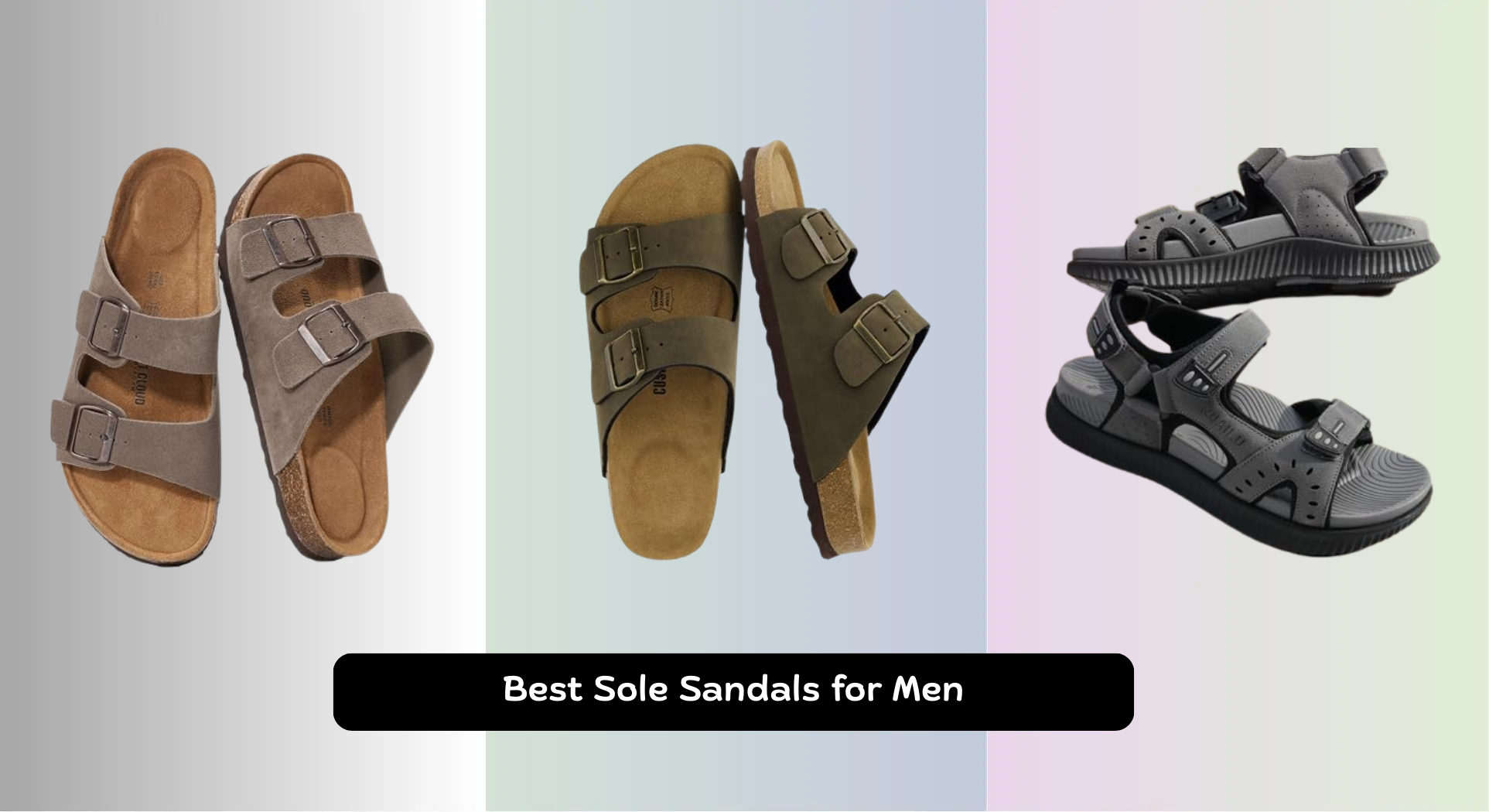
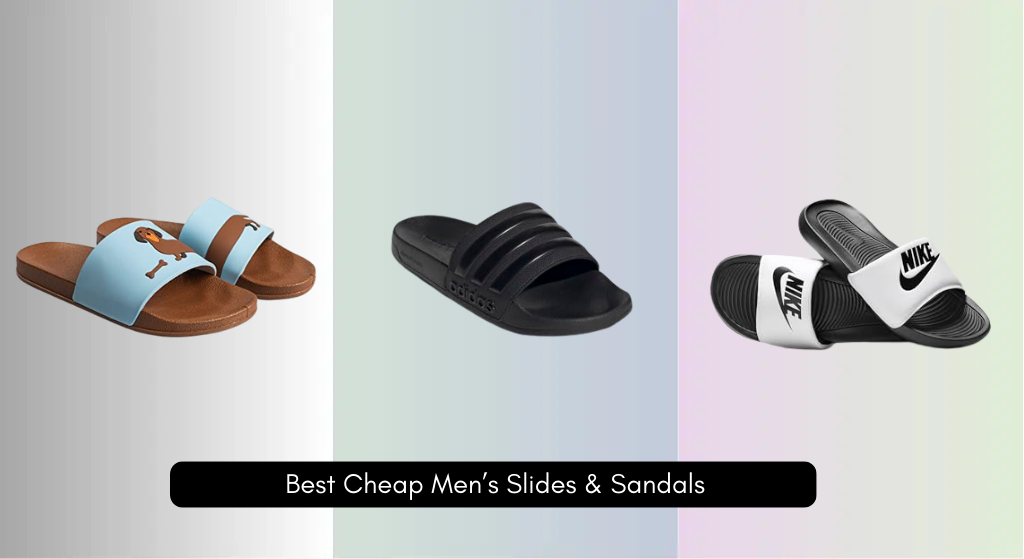
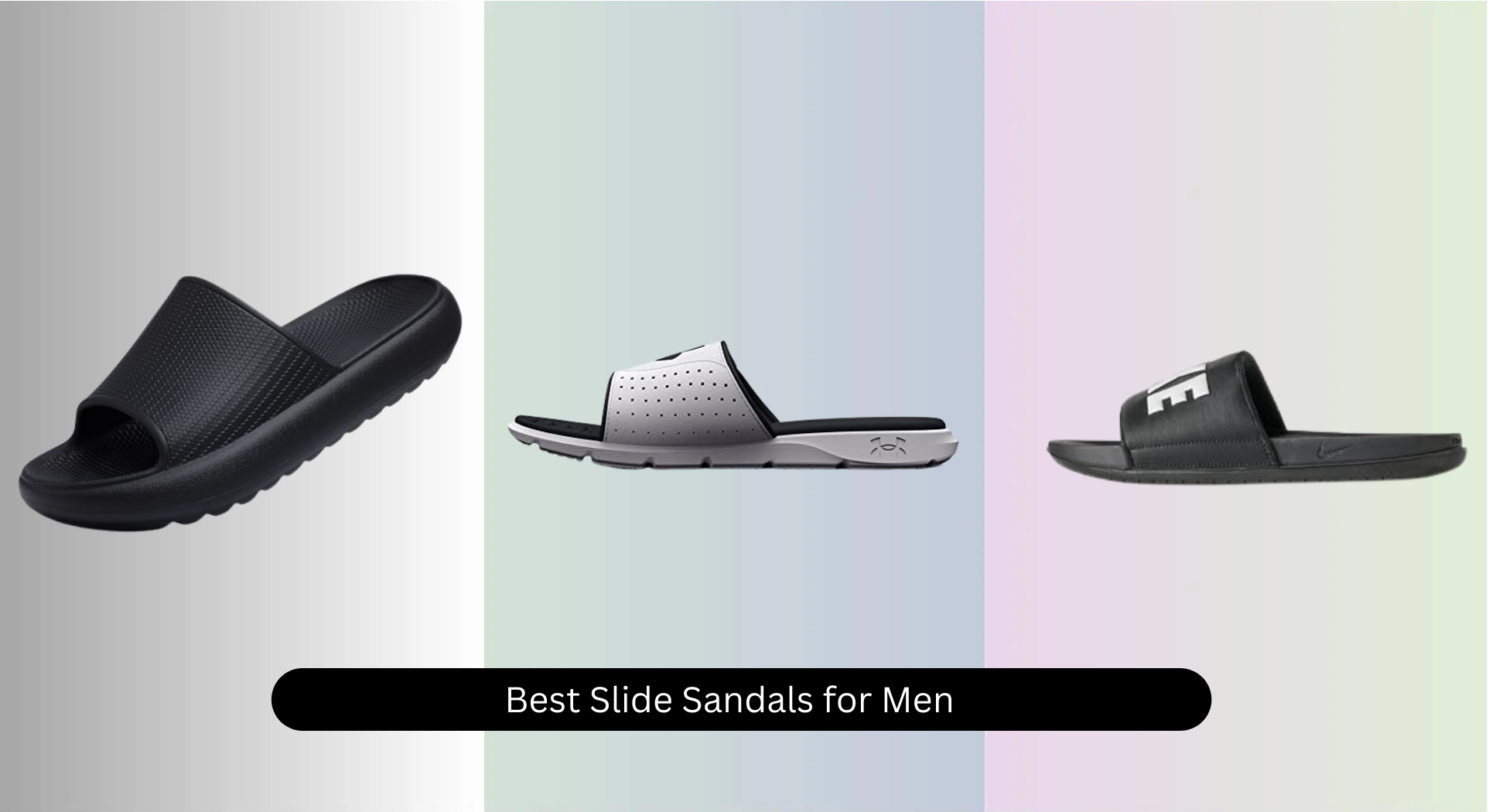
- Slides with cushioned footbeds (e.g., OluKai, Chaco)
- Sandals with heel straps (e.g., Teva, KEEN)
- Orthotic-friendly sandals
- Hybrid sneaker-sandals (e.g., Nike Kawa Slide)
- Closed-toe slippers for indoor use
How to Pick Safer Summer Shoes
Ask:
1. Does it bend at the ball of the foot?
2. Is the arch supported?
3. Is the heel cup deep?
4. Is the sole slip-resistant?
5. Does the strap stay in place without chafing?
Final Takeaways: Walk Smart This Summer
Flip-flops are convenient, but they’re not built for long walks. The combination of no arch support, poor cushioning, altered gait, and increased injury risk makes them a poor choice for anything beyond short, casual use.
Key Risks Recap
- Plantar fasciitis from unsupported arches
- Heel and joint pain due to lack of shock absorption
- Toe deformities from chronic gripping
- Knee, hip, and back pain from misaligned posture
- Higher fall and injury risk
Smart Footwear Rules
- Limit flip-flop use to under 30 minutes
- Avoid them for walking, standing, or sports
- Choose supportive models if you must wear them
- Switch footwear daily
- Listen to your body
- See a podiatrist if you have chronic pain
You don’t have to give up summer sandals—just choose ones that support your feet, not sabotage them. With the right pair, you can stay cool, comfortable, and pain-free all season long.