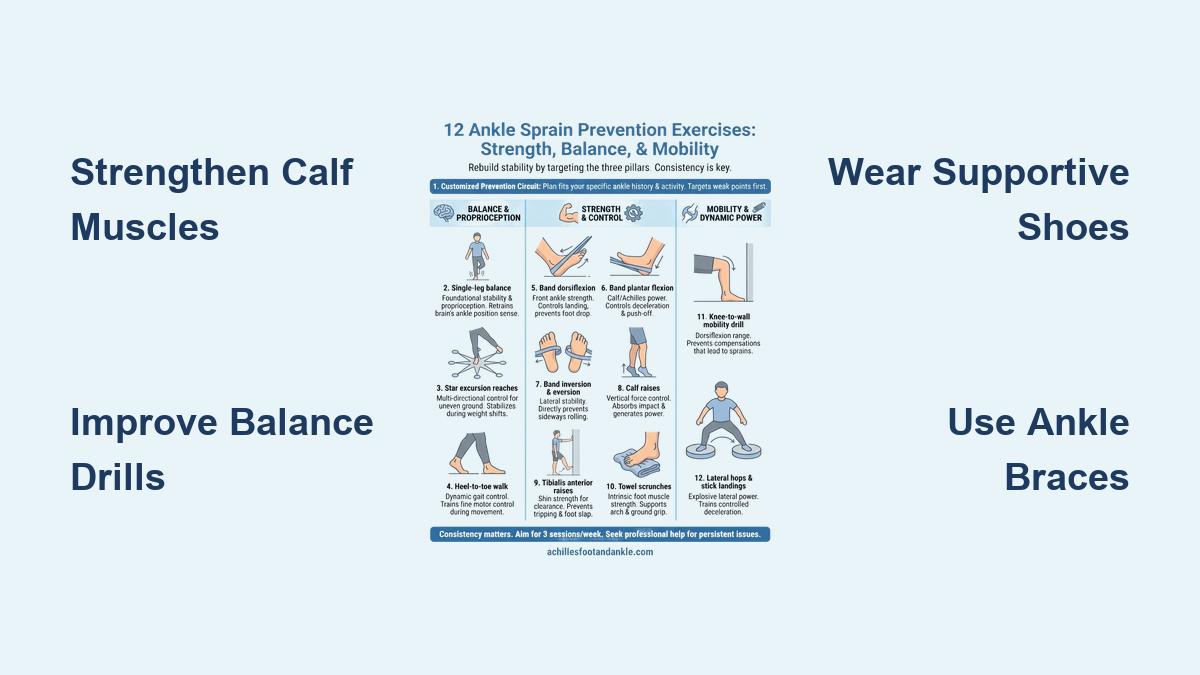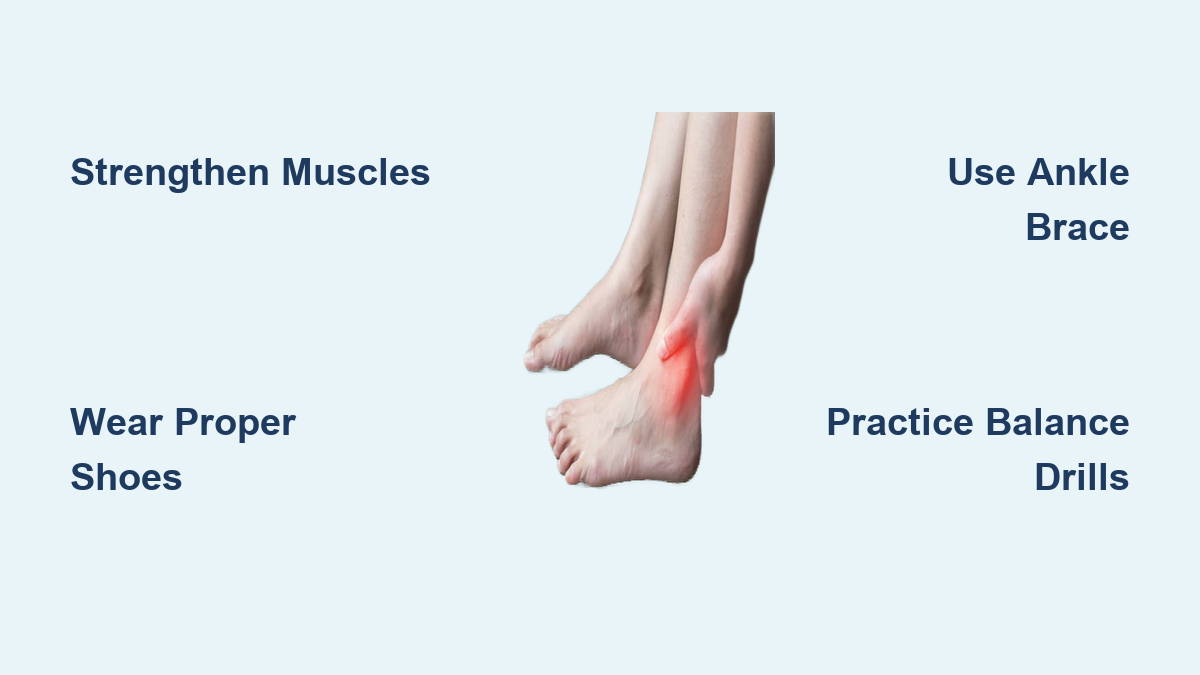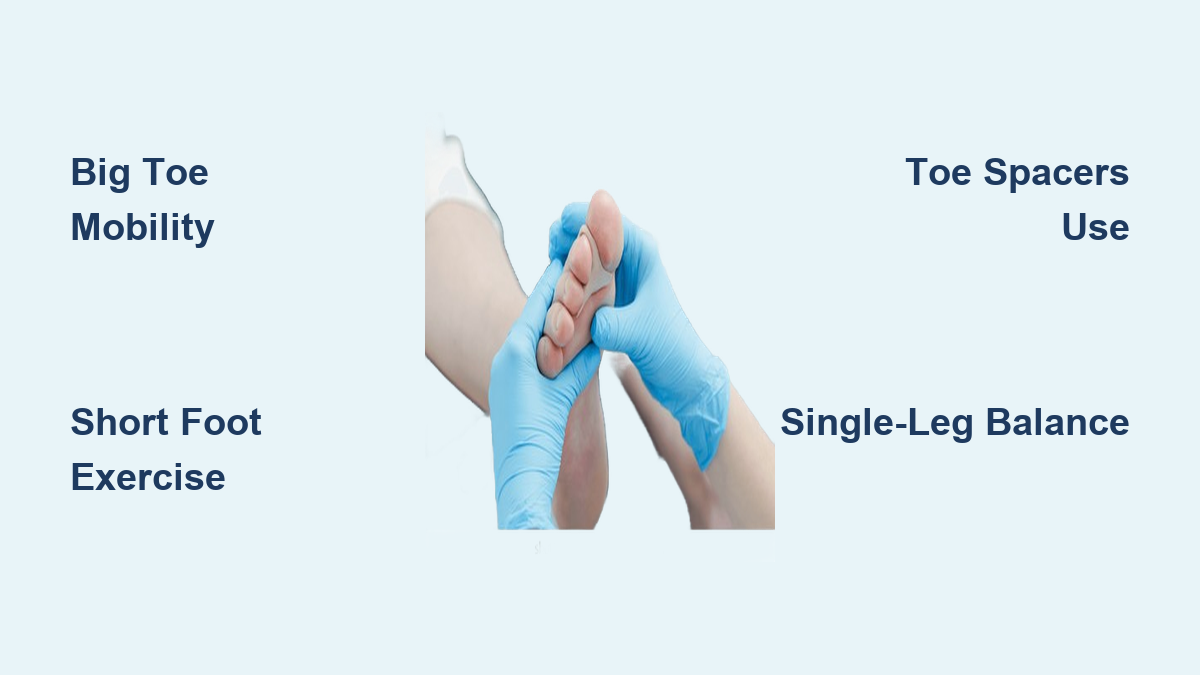
If your balance feels shaky, wobbly, or unreliable—especially when standing on one leg or walking on uneven ground—the issue may not be in your core or inner ear. It could start at the very foundation of your body: your toes. Poor toe alignment disrupts weight distribution, weakens foot stability, and diminishes proprioception—the body’s ability to sense its position in space. This significantly increases fall risk and alters how you walk, stand, and move. The big toe (hallux) is especially crucial: it anchors your push-off during gait and stabilizes your body when leaning forward. When it’s misaligned, stiff, or weak, the entire kinetic chain—from ankles to hips to spine—suffers. This guide delivers a science-backed, step-by-step approach to correct toe alignment, strengthen intrinsic foot muscles, and dramatically improve balance. You’ll learn targeted stretches, strengthening drills, alignment tools, and daily practices to restore natural foot function—no fancy equipment required.
Decode Toe Alignment Issues
Signs Your Toes Are Misaligned
Common signs of poor toe alignment include a big toe drifting outward (hallux valgus), toes overlapping or squeezed together in shoes, inability to actively spread your toes, calluses under the ball of the foot, and balance instability during single-leg stands. These issues reduce ground contact and sensory feedback, weakening your body’s ability to adjust posture. Over time, this leads to overpronation, knee strain, and lower back pain. Correcting alignment isn’t cosmetic—it’s functional. Proper toe positioning ensures even weight distribution, enhances push-off power, and sharpens balance responses.
Why the Big Toe Controls Balance
The big toe acts as a primary balance anchor. When you shift your weight forward, it grips the ground to prevent falling. Restricted motion in the first metatarsal (first ray) limits dorsiflexion—critical during walking and standing on uneven surfaces. Without adequate big toe extension, your body compensates by rolling the ankle inward or shifting weight to the outer foot, destabilizing your stance. Restoring mobility here directly improves postural control and gait efficiency.
Assess Your Foot Alignment
Perform a Footprint Test
Wet your bare feet and step onto a dry surface. Observe the imprint:
– Full footprint: Suggests flat feet or overpronation
– Thin or no midfoot contact: Indicates high arches or supination
– Moderate arch contact: Ideal neutral alignment
This simple test reveals how your foot loads during standing and walking, guiding corrective strategies.
Check Shoe Wear Patterns
Inspect the soles of your everyday shoes:
– Inner heel and big toe wear: Normal push-off pattern
– Excessive inner sole wear: Overpronation
– Outer sole wear: Supination or weak big toe engagement
Wear patterns expose imbalances in toe alignment and gait mechanics. If your big toe isn’t leaving a clear mark, it’s not doing its job.
Heel Lift Stability Check
Stand barefoot and slowly lift your heels off the ground. Keep your feet straight ahead. If your ankles wobble or feet collapse inward, you lack foot stability. This test assesses intrinsic muscle strength and big toe control during weight transfer—key for balance.
Restore Big Toe Mobility
Stretch the Big Toe for Dorsiflexion
Sit with legs extended. Place the four smaller toes flat on the floor and rest the big toe on a foam roller, stick, or rolled towel. Gently drive the knee forward while keeping the heel down. Feel the stretch in the arch and base of the big toe. Hold 30–45 seconds, repeat 2–3 times per foot. This stick stretch improves first ray mobility and plantar fascia flexibility, essential for balance during forward movement.
Try the Heel Sitting Stretch
Kneel with the tops of your feet flat on the floor. Slowly sit back onto your heels. Hold 10–30 seconds, building tolerance gradually. Tight extensor muscles restrict toe positioning. This stretch repositions the toes into extension, counteracting shoe compression.
Use the Three-Way Big Toe Stretch
Sit with one foot on the opposite thigh. Gently stretch the big toe upward (extension), downward (flexion), and outward (away from second toe), holding each for 5 seconds. Repeat 10 times per foot. This multi-directional mobility drill combats stiffness from narrow footwear and restores natural range of motion.
Strengthen Intrinsic Foot Muscles

Activate the Short Foot Exercise
Stand barefoot with weight evenly distributed. Slide the ball of your foot back toward the heel without curling toes. Lift the arch upward—keep toes flat. Hold 10–30 seconds until fatigued. Perform 10–20 reps daily. This arch-shortening drill fires the intrinsic foot muscles and tibialis posterior, improving subtalar stability and balance. Progress to single-leg stance for greater challenge.
Pick Up Marbles with Your Toes
Place 15 marbles and a bowl on the floor. Use only your toes to pick up and drop marbles one by one. Repeat with each foot. This classic exercise boosts toe dexterity and strengthens flexor digitorum brevis—critical for grip and balance on uneven terrain.
Press Down with Resistance Band
Place a Theraband under toes 2–5, anchored in front. Lift toes up, then slowly press them into the floor. Hold 2–3 seconds, release. Perform 10–15 reps. Focus on controlled motion—avoid hammer-toe formation. This builds strength in the plantar foot muscles, enhancing ground feedback.
Correct Toe Position with Tools

Wear Toe Separators Daily
Use soft silicone toe spacers (e.g., Tuli’s Soft Moves) to maintain natural toe alignment. Wear during stretching, workouts, or rest. Benefits: reduces splaying, improves balance, increases circulation, and prevents bunion progression. Even 10–15 minutes daily can retrain foot posture and enhance stability.
Use Joe’s Toe Gizmo for Alignment Training
Apply resistance loops to correct lateral drift of the big toe. The red loop is for beginners (single-toe correction); the black loop is for advanced users (multi-toe or standing use). Use during squats to prevent big toe splaying, during relevé to enhance heel engagement, or in Pilates to boost core-foot connection. This tool uses resisted isolation to retrain neuromuscular control, improving alignment and whole-body balance.
Boost Ankle and Foot Flexibility
Roll Out Your Feet Daily
Use a tennis ball, lacrosse ball, or frozen water bottle. Roll under the arch and ball of the foot for 5–10 minutes. Apply moderate pressure. This self-massage relieves plantar fascia tension, improves blood flow, and restores sensory feedback for better balance.
Stretch Your Calf and Achilles
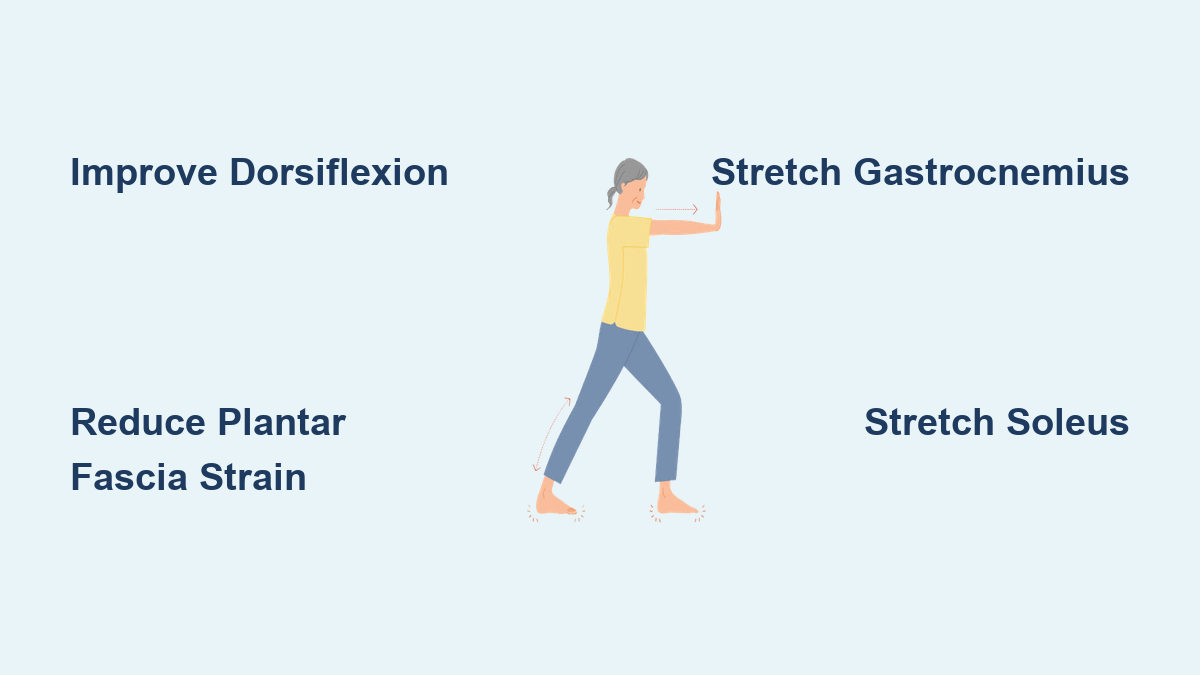
Stand facing a wall, one foot forward, one back. Keep back heel down, knee straight. Lean hips forward until you feel a stretch. Hold 30 seconds, repeat 3 times per leg. Tight calves limit ankle dorsiflexion, forcing the foot to compensate. This stretch supports proper toe alignment during stance.
Mobilize Ankles with Resistance Band
Anchor a band to a stable object. Loop it around your foot. Pull toes toward shin (dorsiflexion). Perform 15 slow reps per foot. This dynamic stretch improves ankle mobility and enhances neuromuscular control for balance.
Train Balance with Targeted Drills
Master Single-Leg Stance
Stand on one foot, arms out for balance. Hold 30 seconds. Progress by closing your eyes (if safe). This foundational drill sharpens proprioception. Focus on pressing through the big toe and heel for stability.
Add Arm Reach to Challenge Stability
Stand on one leg, core engaged. Extend arms forward or out. Lift opposite leg behind you, lean torso forward to form a “T”. Hold briefly, return slowly. Perform 5–10 reps per side. This dynamic movement integrates core and foot control, mimicking real-world balance demands.
Practice Step-Up Mimic
Face a sturdy chair. Lift one foot onto the seat, control the descent. Repeat 10 times per leg. Progress by removing hand support. This movement trains controlled weight shift—critical for stair climbing and fall prevention.
Optimize Footwear and Support
Choose Shoes with Wide Toe Boxes
Avoid narrow, pointed, or high-heeled shoes. Select footwear that allows toes to spread naturally. Look for flexible soles, arch support, and roomy forefoot. Proper shoes prevent toe deformation and support alignment gains from exercises.
Consider Custom Orthotics
Consult a podiatrist or Canadian Certified Pedorthist. Get a foot mold taken in neutral subtalar position. Benefits: corrects overpronation/supination, reduces bunion progression, enhances gait efficiency. Custom orthotics provide long-term support, especially for athletes or aging adults with chronic alignment issues.
Build a Daily Routine for Lasting Results
Follow a Weekly Practice Plan
- 3–4 days/week: Perform mobility and strengthening exercises
- Daily: Foot rolling, toe spreading, short foot activation
- 2–3 days/week: Balance drills (single-leg stance, step-up)
Consistency beats intensity. Even 10 minutes daily yields measurable improvements in 4–6 weeks.
Track Your Progress
Reassess footprint monthly. Time your single-leg stand (aim to increase duration). Note changes in shoe wear and comfort. Progress tracking keeps you motivated and confirms functional improvements.
Prevent Common Mistakes
Don’t force painful stretches. Avoid gripping the floor with toes during short foot exercise. Don’t skip warm-up—roll feet first. Progress gradually to avoid overuse. Quality form ensures lasting gains without injury.
Better balance starts with your toes. By restoring big toe mobility, strengthening intrinsic foot muscles, and correcting alignment with targeted tools and exercises, you rebuild stability from the ground up. Combine these strategies with proper footwear and professional support when needed, and you’ll gain confidence in every step. Start today—your balance depends on it.