After bunion surgery, the big toe joint becomes highly sensitive due to surgical trauma, swelling, nerve irritation, and realignment of bones. This sensitivity isn’t just uncomfortable—it’s a signal that your foot needs protection to heal properly. Without proper cushioning, pressure from walking, ill-fitting shoes, or even light contact can delay recovery, increase pain, or lead to complications like infection or misalignment. The goal isn’t only to relieve discomfort but to create a protective environment that supports tissue repair and reduces stress on the healing site.
Proper cushioning begins immediately after surgery and evolves throughout your recovery. From rigid surgical boots in the first days to gel pads during later stages, each step plays a crucial role in shielding your sensitive bunion. This guide delivers clinically backed strategies—covering footwear, elevation, padding, and lifestyle adjustments—to help you safely cushion your foot, minimize irritation, and speed healing. Whether you had minimally invasive or traditional surgery, these evidence-based techniques ensure you protect your foot at every stage.
Wear Post-Operative Footwear to Offload Pressure

The right shoe is your strongest defense against bunion irritation after surgery. Standard footwear compresses the forefoot and can disrupt healing, but post-op shoes are specifically designed to eliminate pressure on the surgical site.
Choose the Right Surgical Shoe
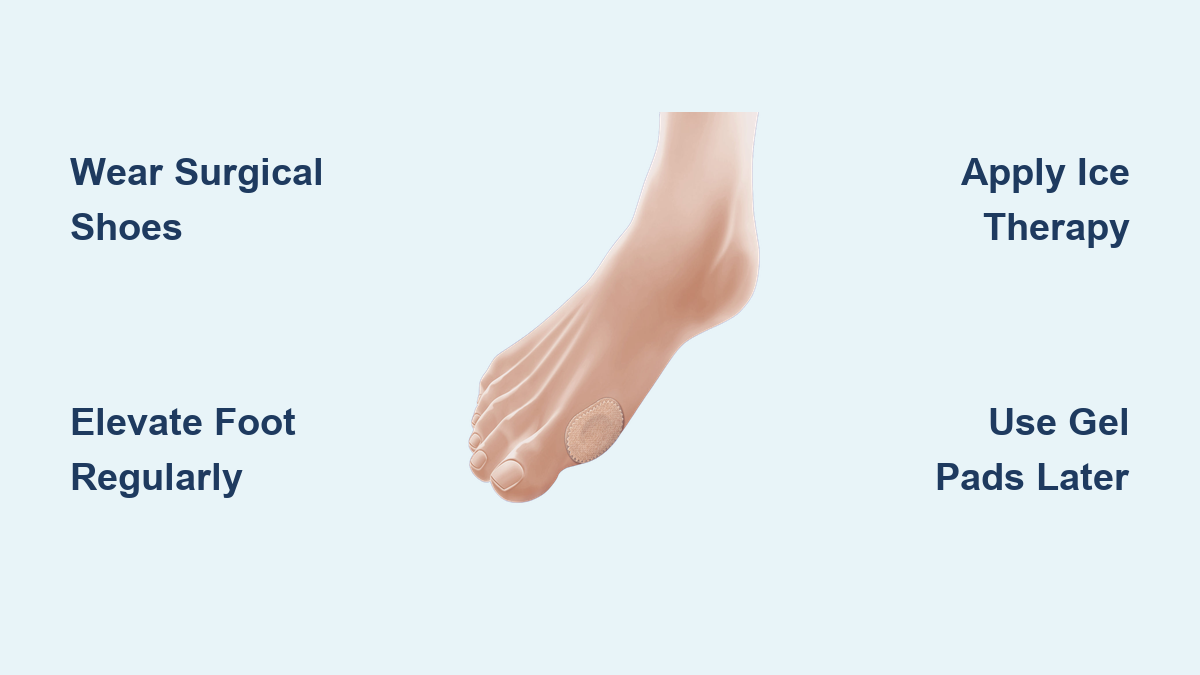
Post-operative shoes resemble lightweight sandals with a stiff sole and open toe. They prevent the big toe joint from bending, which is essential during early healing. By shifting weight to the heel and midfoot, they reduce strain on the bunion area. Most patients wear them for 3–6 weeks, depending on the surgical method and healing progress. These shoes are often prescribed immediately after surgery and should be worn at all times when walking—even indoors.
Use Aircast or Walking Boots for Maximum Protection
For more complex procedures or when early mobility is necessary, surgeons often prescribe rigid walking boots like the Aircast. These provide superior shock absorption, immobilization, and protection from accidental bumps or twists. Many models include built-in compression features that help control swelling. Follow your surgeon’s instructions precisely—removing the boot too soon or walking without it can compromise bone alignment and prolong recovery.
Pro Tip: Ensure your boot fits correctly—too tight increases pressure, while too loose causes instability. Adjust straps evenly and avoid walking barefoot or in slippers, even at home.
Elevate to Reduce Swelling and Internal Pressure
Swelling increases pressure on the surgical site, making the bunion feel tight, tender, and more painful. Elevation acts as internal cushioning by draining excess fluid and calming inflammation.
Keep Foot Above Heart Level When Resting
For best results, elevate your foot above heart level, especially during the first 72 hours. Prop your leg up with pillows while sitting or lying down. This position encourages blood and lymphatic fluid to flow back from the foot, reducing edema that aggravates sensitivity. Aim for 30–60 minutes of elevation every 2–3 hours, particularly after activity or prolonged sitting.
Elevate During Sleep to Prevent Morning Stiffness
Continue elevation at night using a wedge pillow or by placing pillows under your mattress. Avoid letting blankets or sheets press directly on your toes—this can cause discomfort and restrict circulation. Use a foot cradle or tented cover to maintain space. Consistent nighttime elevation helps prevent morning swelling and stiffness, making movement easier upon waking.
Warning: Letting your foot hang down for long periods worsens swelling and delays healing. Set hourly reminders to elevate, especially if you’re up and moving throughout the day.
Apply Ice Therapy to Calm Nerve Sensitivity
Cold therapy numbs nerve endings, reduces inflammation, and desensitizes the bunion area. When used early and correctly, it’s one of the most effective ways to manage post-surgical sensitivity.
Ice 2–4 Times Daily in the First Few Days
Apply ice packs for 20–30 minutes at a time, 2–4 times per day during the first 2–3 days post-op. Never place ice directly on skin or over wet dressings. Always use a thin towel or cloth barrier to prevent frostbite or skin damage. Focus the ice on the top and sides of the foot, avoiding direct contact with incision sites unless approved by your surgeon.
Try Icing Behind the Knee for Referral Relief
Some experts recommend applying ice behind the knee to reduce referred swelling and nerve hypersensitivity in the foot. This technique helps relax the sciatic nerve pathway and can decrease overall foot discomfort, especially if you’re experiencing radiating tightness or tingling.
Expert Note: Dr. Greenwald advises stopping routine icing after day 3 unless swelling persists. Over-icing can restrict blood flow needed for healing.
Maintain Sterile Dressings for Wound Protection
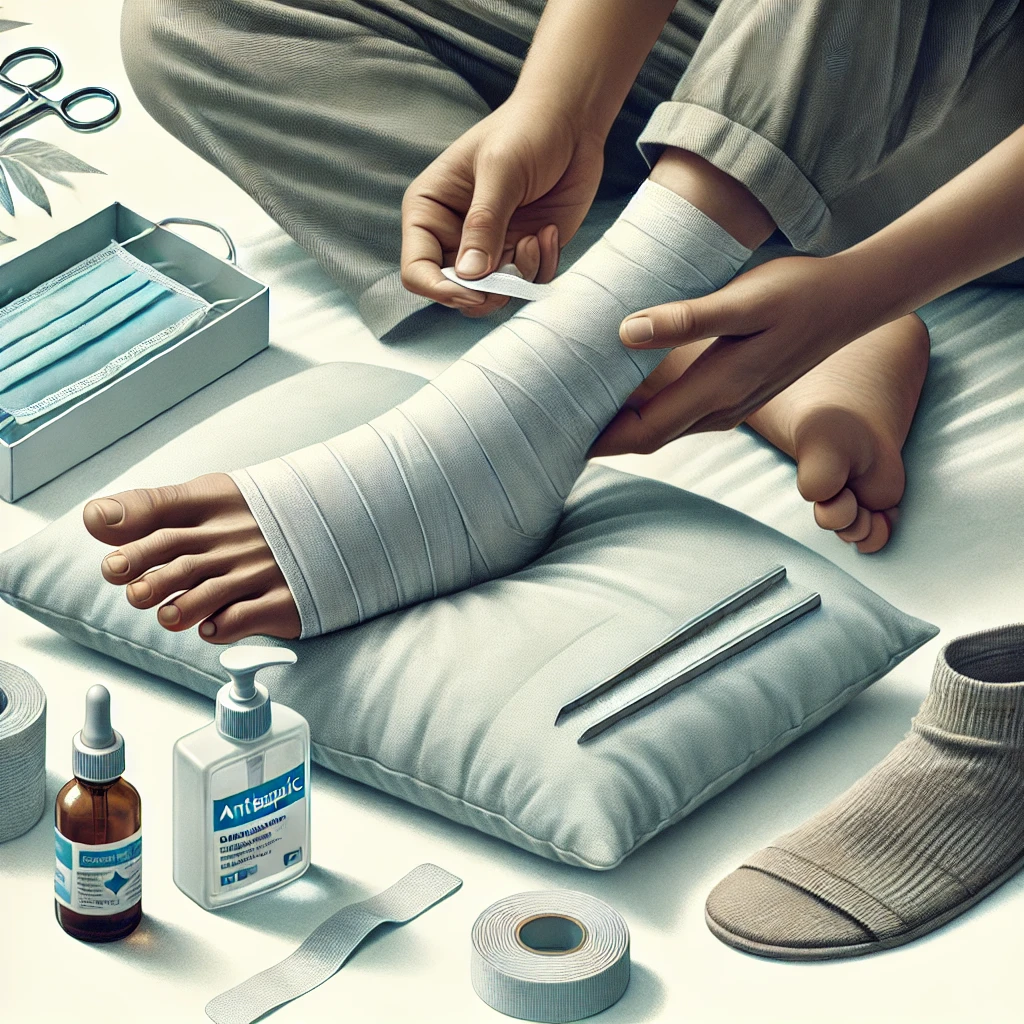
Immediately after surgery, dressings serve as both a physical barrier and a cushion for the surgical site, holding the toe in correct alignment.
Keep Dressings Dry and Intact
Moisture weakens adhesives and increases infection risk. Always cover your foot with a waterproof protector—such as a sealed plastic bag or commercial shower cover—during bathing. Do not adjust, loosen, or remove bandages unless instructed by your surgeon.
Avoid Touching the Surgical Site
Even light pressure from scratching or prodding can disrupt healing. Leave dressing changes to your medical team. Stitches are typically removed around two weeks post-op, after which additional padding may be introduced—only with medical approval.
Caution: Removing dressings too early can cause misalignment or expose the wound to bacteria. Wait for professional clearance before making any changes.
Use Compression to Improve Circulation and Reduce Swelling

While not a direct cushion, compression helps reduce leg and foot swelling, indirectly relieving pressure on the sensitive bunion.
Wear Compression Stockings During Daytime Hours
Start wearing graduated compression stockings (15–20 mmHg) around week 3, as recommended by Mr. Kaser Nazir. These improve venous return and lower the risk of deep vein thrombosis (DVT), especially during non-weight-bearing phases. Wear them during waking hours and remove at night unless otherwise directed.
Combine Compression With Gentle Movement
Pair stockings with ankle pumps and toe wiggles to boost circulation. This dynamic approach prevents blood pooling and keeps tissues oxygenated, promoting faster healing.
Note: Check your skin daily for redness, irritation, or pressure marks. Discontinue use and consult your doctor if discomfort occurs.
Add Gel Pads After Initial Healing Is Complete
Once the incision is closed and stitches are removed (usually after two weeks), soft protective aids can enhance cushioning—with surgeon approval.
Try Silicone Bunion Shields for Daily Protection
Gel pads made of medical-grade silicone fit snugly over the surgical bump, absorbing pressure and preventing shoe friction. They’re ideal when transitioning to regular shoes or during prolonged standing.
Insert Gel Toe Separators to Maintain Alignment
Placing gel spacers between the big toe and second toe helps maintain surgical correction and reduces rubbing. Use them while resting or sleeping to reinforce proper alignment.
Apply Foam Padding Carefully Around the Bunion
Moleskin or foam pads can be cut to surround (not cover) the bunion. Avoid placing any material directly on open or healing wounds. Ensure padding doesn’t bunch inside shoes, which could create new pressure points.
Rule of Thumb: If it causes pain, warmth, or redness, remove it immediately. Only use external padding once fully cleared by your doctor.
Limit Weight-Bearing to Protect Healing Bones
Putting weight on the foot too soon increases pressure on the bunion, delaying bone healing and increasing sensitivity.
Follow Non-Weight-Bearing Rules Early On
For weeks 1–2, avoid full weight-bearing. Use crutches, a knee scooter, or walker to move safely. Even “toe-touch” bearing should be minimal—used only for balance during transfers.
Avoid Driving After Surgery
Do not drive, especially if the right foot was operated on. Braking requires force and sudden movement that can damage healing structures. Most surgeons prohibit driving for 4–6 weeks.
Pro Tip: Set up a ground-floor recovery zone with water, medications, phone, and remote controls nearby to minimize movement.
Optimize Sleep Position to Prevent Nighttime Pressure
Poor sleep increases pain perception. Proper positioning prevents accidental pressure on the healing bunion.
Sleep on Your Back With Leg Support
This position keeps both feet neutral. Place a pillow under your knee for comfort and continued elevation.
Use a Pillow Between Legs When Side-Sleeping
If you roll onto your side, place a long pillow between your knees to prevent leg rotation and protect the surgical foot from being pressed into the mattress.
Protect Toes at Night
Wear your surgical boot to bed if recommended. If it feels too hot, switch to a breathable recovery sock or use a cooling pad. Never let sheets or blankets press directly on your toes.
Insight: Patients report better sleep when taking pain medication 30 minutes before bedtime—this prevents nighttime awakening due to discomfort.
Manage Pain Proactively to Reduce Nerve Hypersensitivity
Uncontrolled pain heightens nerve sensitivity, making the bunion feel more tender. Staying ahead of pain supports both comfort and healing.
Follow Prescribed Medication Schedule
Start painkillers before anesthesia wears off. Use a combination of:
- NSAIDs (e.g., ibuprofen) to reduce inflammation
- Acetaminophen for baseline pain control
- Prescription narcotics only for breakthrough pain (short-term)
- Gabapentin, if nerve pain or tingling occurs
Time doses before bedtime and after therapy sessions.
Warning: Do not combine blood thinners with turmeric or bromelain without medical approval. Always disclose supplements to your surgeon.
Eat an Anti-Inflammatory Diet to Support Healing
Healing starts from within. An anti-inflammatory diet reduces systemic swelling and supports tissue repair.
Focus on Healing Nutrients
Include:
– Protein (fish, eggs, legumes) for tissue regeneration
– Vitamin C (citrus, bell peppers) for collagen formation
– Zinc and magnesium (nuts, seeds) to speed wound healing
– Hydration—drink at least 8 glasses of water daily
Avoid Inflammatory Foods
Steer clear of:
– Sugary snacks and refined carbs
– Processed meats and excessive red meat
– Alcohol and high-dairy products (for some patients)
Supplement Smartly: Turmeric (curcumin), bromelain, and devil’s claw may help—but only take them with your doctor’s OK.
Start Physical Therapy to Desensitize Nerves and Restore Function
Gentle movement prevents stiffness and helps “reset” nerve sensitivity in the foot.
Begin Range-of-Motion Exercises
Around week 2, start ankle pumps, toe wiggles, and heel slides—only if cleared by your surgeon. These improve circulation and prevent joint freezing.
Progress to Strengthening
By week 4, add towel scrunches and marble pickups (once weight-bearing is allowed). A physical therapist will guide you safely to avoid overloading the bunion.
Therapy Benefit: Controlled motion desensitizes nerves and improves proprioception, reducing long-term hypersensitivity.
Watch for Warning Signs of Complications
Persistent or worsening sensitivity may signal complications.
Recognize Red Flags
Seek immediate care if you experience:
– Increasing redness, warmth, or pus at the incision
– Swelling that spreads up the leg (possible DVT)
– Fever over 101°F
– Severe pain not relieved by medication
– Numbness or cold toes (circulation issue)
Action Step: Call your surgeon the moment you notice these symptoms. Early treatment prevents serious setbacks.
Final Note: Cushioning a sensitive bunion after surgery goes beyond padding—it’s a full recovery strategy combining protection, positioning, nutrition, and patience. By following this structured approach, you minimize discomfort, prevent complications, and lay the foundation for long-term foot health. Stick to your plan, listen to your body, and trust the healing process.