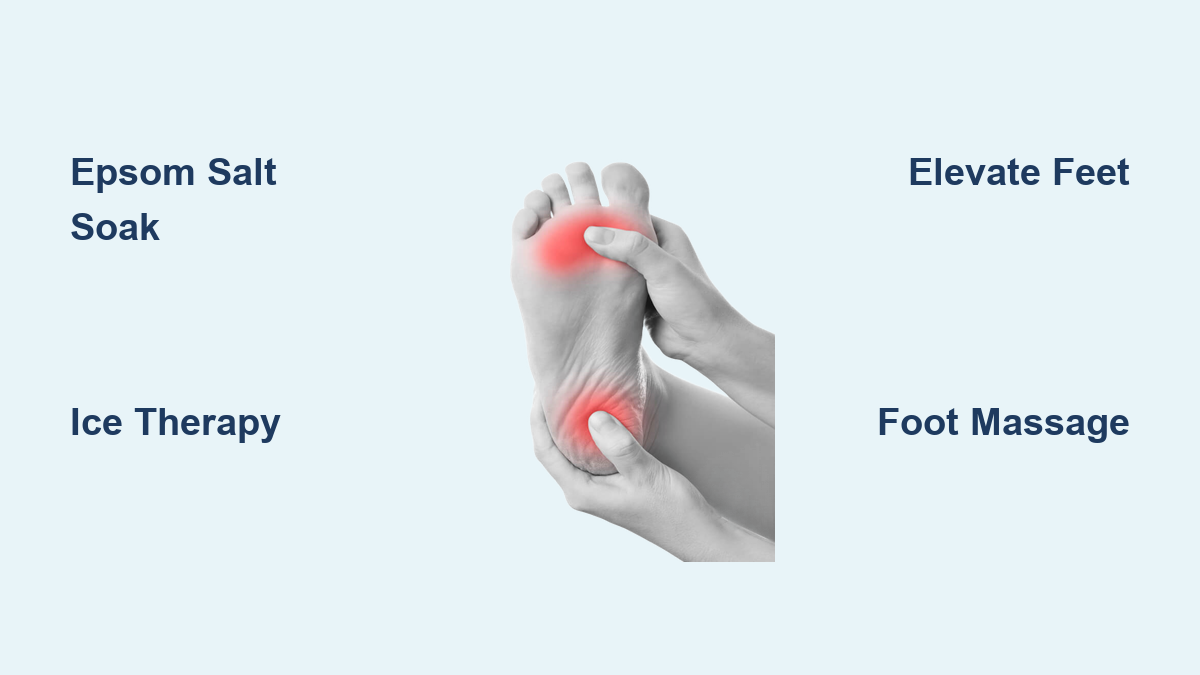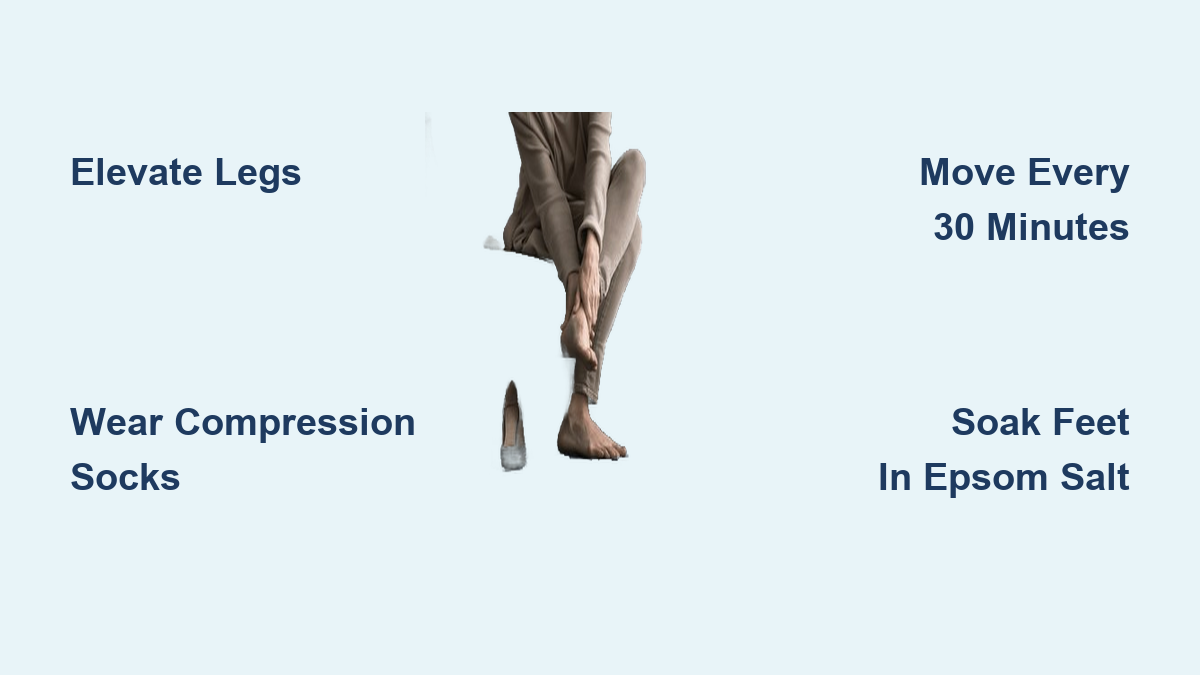
Do your legs feel like they’re dragging a brick at the end of the day? Are your feet so fatigued that even standing in line feels unbearable? You’re not alone. Millions of people—especially those with desk jobs, on their feet all day, or over the age of 45—regularly experience heavy legs and tired feet. While it’s easy to dismiss this as normal aging or simple fatigue, persistent heaviness is often a red flag for poor circulation, venous insufficiency, or lifestyle habits that trap fluid in your lower limbs.
The good news? Most cases can be dramatically improved with simple, science-backed strategies. From targeted movement and compression therapy to elevation techniques and smart nutrition, this guide delivers a complete action plan to fix heavy legs and tired feet—naturally and effectively. No guesswork, no fluff—just proven methods rooted in medical research and real-world results.
Elevate Legs Above Heart Level to Drain Pooled Fluid
One of the fastest ways to relieve heavy legs is elevation, which uses gravity to help blood and lymphatic fluid flow back toward your heart.
Use Gravity to Reduce Swelling and Improve Circulation
When you elevate your legs 6–12 inches above heart level, you counteract the effects of gravity that cause blood and fluid to pool in your lower extremities. This simple act can reduce swelling, ease discomfort, and restore a sense of lightness.
- Lie flat and prop your legs up with pillows, a recliner, or an adjustable bed.
- Aim for 15–30 minutes, 3–4 times daily, especially after long periods of sitting or standing.
- Clinical studies show that elevation significantly reduces leg circumference and fluid retention within minutes.
Try the Legs-Up-the-Wall Pose for Lymphatic Drainage
The Viparita Karani (legs-up-the-wall) yoga pose is a powerful tool for draining stagnant fluid.
- Lie on your back and extend your legs vertically against a wall.
- Hold for 5–15 minutes, ideally after work or before bed.
- This position promotes lymphatic drainage and activates the parasympathetic nervous system, helping your body relax and recover.
Pro Tip: If you’re uncomfortable with the wall pose, place your legs on a yoga ball or elevate the foot of your bed slightly for passive overnight drainage.
Wear Compression Socks Daily to Support Vein Function

Compression therapy is a clinically proven solution for tired, swollen legs—especially if you’re on your feet all day, pregnant, or frequently travel.
Choose Graduated Compression (15–20 mmHg) for Daily Relief
Graduated compression socks apply the most pressure at the ankle and gradually decrease up the leg, helping veins push blood upward.
- Opt for 15–20 mmHg—this level is effective for daily use and available without a prescription.
- Look for medical-grade brands like Socks Lane that combine comfort, durability, and style.
- These socks are particularly beneficial for healthcare workers, teachers, and long-haul travelers.
Put Them On First Thing in the Morning
Compression works best before swelling starts.
- Slip them on immediately after waking, before your legs have a chance to swell.
- Wear them throughout the day and remove at bedtime—unless your doctor advises otherwise.
- Replace every 3–6 months, as the fabric loses elasticity over time.
Scientific Backing: Studies confirm compression stockings improve venous return, reduce leg swelling, and enhance quality of life—even in healthy individuals.
Move Every 30 Minutes to Keep Blood Flowing
Sitting or standing for hours halts circulation. Your calf muscles act as a “second heart,” pumping blood upward—but only when they contract.
Break Up Long Periods with Simple Movements
Staying still for more than 90 minutes can reduce blood flow in the popliteal artery (behind the knee) by up to 50%.
- Set a timer to move every 30–60 minutes.
- Stand up and walk for 2–3 minutes, or do seated exercises:
- Ankle circles (10 each direction)
- Toe raises (lift heels, then toes)
- Heel-to-toe rolls
Avoid Crossing Your Legs
Sitting with legs crossed compresses veins in the thighs, restricting blood flow and increasing the risk of pooling.
- Keep feet flat on the floor or on a footrest.
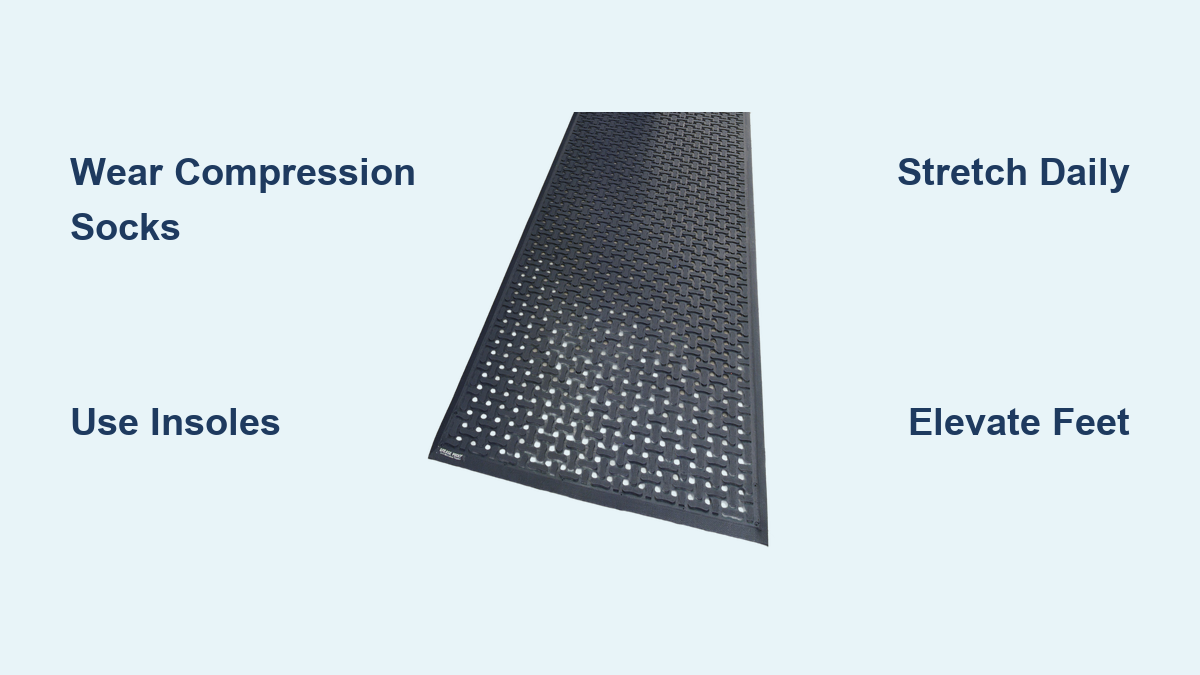
- Use an ergonomic chair and consider an anti-fatigue mat if you stand for long periods.
Do These 5 Daily Exercises to Activate the Calf Pump
Regular movement strengthens the calf muscles, improves circulation, and prevents fluid buildup.
1. Calf Raises (3 Sets of 20)
- Hold a chair for balance.
- Rise onto your toes, pause for 2 seconds, then lower slowly.
- Progress by doing them on a step for a deeper stretch.
- Builds calf strength and boosts venous return.
2. Wall Calf Stretch (30 Seconds Each Side)
- Step one foot back, keep heel down, and bend the front knee.
- Feel the stretch in the back calf.
- Repeat 3 times per leg.
3. Downward-Facing Dog (Hold 1–2 Minutes)
- Lift hips up and back, pressing heels toward the floor.
- Stretches calves, hamstrings, and lower back.
- Add small knee bends to create a pumping effect.
4. Forward Bend with Roll-Down (3–5 Reps)
- Slowly roll down spine, letting arms hang.
- Nod head gently, then roll back up vertebra by vertebra.
- Promotes circulation and releases tension.
5. Interval Walking (20 Minutes)
- Walk 4 minutes, then brisk walk or light jog for 1 minute.
- Repeat 4 rounds.
- Gets blood moving and strengthens cardiovascular function.
Bonus: Wear compression socks during exercise for added support.
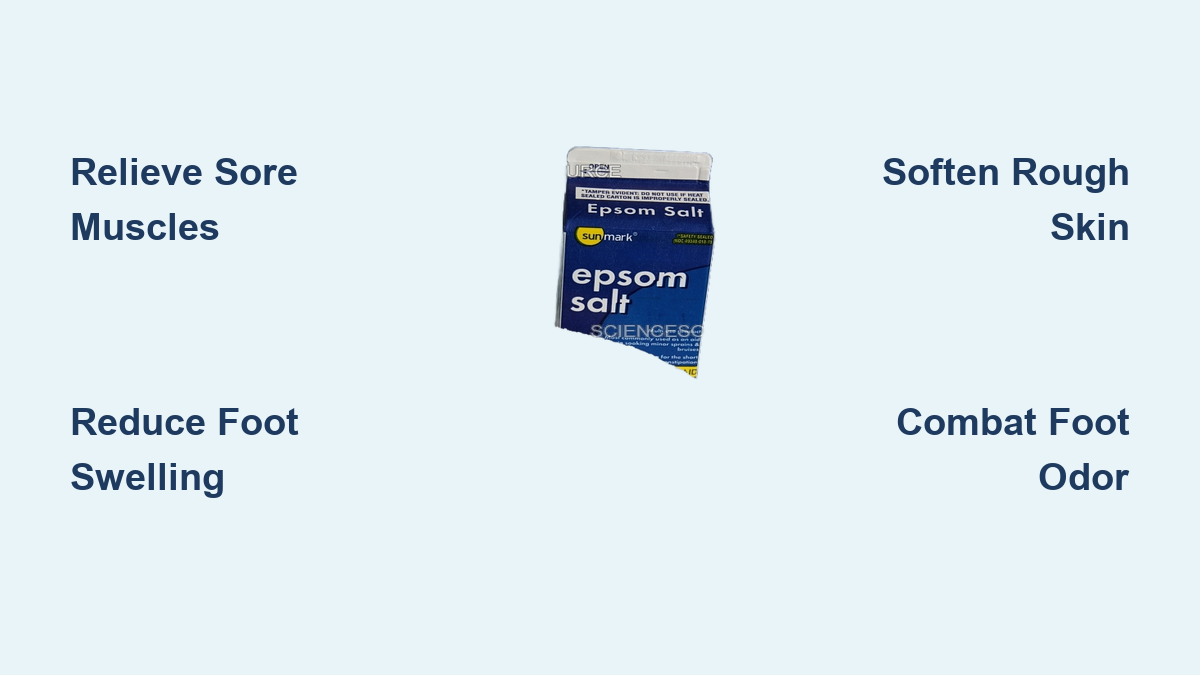
Soak Feet in Epsom Salt to Soothe Muscle Fatigue
A warm foot soak relaxes muscles, reduces inflammation, and eases foot fatigue.
Use Warm Water + 1 Cup of Epsom Salt
- Fill a basin with warm (not hot) water.
- Add 1 cup of Epsom salt (magnesium sulfate).
- Soak feet for 15–20 minutes, 2–3 times per week.
- Pat dry and moisturize after.
Why It Works: Magnesium may help relax muscles and reduce cramping.
Add Contrast Baths for Circulation Boost
In hot weather, try cool water soaks or contrast hydrotherapy:
- Alternate 30 seconds warm with 30 seconds cool water.
- Repeat 3–5 cycles to stimulate circulation.
Avoid: Hot tubs or saunas—they dilate veins and worsen swelling.
Choose Supportive Shoes and Orthotics to Prevent Strain
Your footwear plays a major role in leg comfort. Poor support leads to overpronation, strain, and fatigue.
Wear Shoes with Arch Support and Cushioning
Look for:
– Cushioned soles to absorb impact
– Good arch support
– Wide toe box
– Low heel (1–2 inches max)
Avoid:
– High heels
– Flip-flops
– Worn-out sneakers
– Tight socks or garters
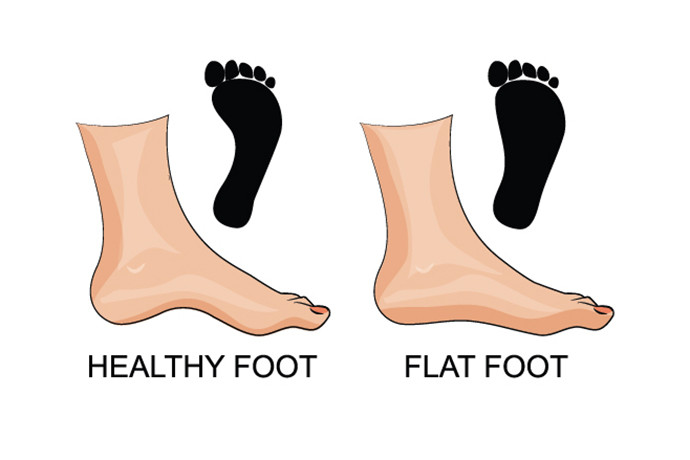
Try Orthotic Insoles for Flat Feet or Gait Issues
- Over-the-counter or custom orthotics correct imbalances.
- Recommended by podiatrists to reduce foot and leg fatigue.
- Especially helpful if you stand or walk all day.
Pro Tip: Replace athletic shoes every 300–500 miles or when soles show wear.
Stay Hydrated and Eat Smart to Support Circulation

Dehydration and poor nutrition contribute to cramps, swelling, and tired muscles.
Drink 8–10 Glasses of Water Daily
- Dehydration thickens blood and impairs circulation.
- Include water-rich foods: cucumber, watermelon, celery.
Eat These Key Nutrients
| Nutrient | Best Sources | Benefits |
|---|---|---|
| Potassium | Bananas, spinach, sweet potatoes | Prevents cramps, balances fluids |
| Magnesium | Almonds, pumpkin seeds, dark greens | Relaxes muscles, reduces spasms |
| Vitamin C | Oranges, bell peppers, broccoli | Supports blood vessel strength |
| B Vitamins | Whole grains, eggs, legumes | Aid energy production |
| Vitamin D | Sunlight, fatty fish, fortified milk | Supports muscle function |
Limit Salt and Processed Foods
- Excess sodium causes water retention and swelling.
- Avoid canned soups, chips, fast food, and frozen meals.
Bonus Tip: Try grapevine tea—a traditional herbal remedy used to support vein health.
Massage Legs with Cooling Oils to Boost Flow
Massage improves circulation, reduces swelling, and soothes tired muscles.
Use Upward Strokes Toward the Heart
- Start at the ankle and massage toward the thigh.
- Use firm but gentle pressure.
- Apply cooling creams or essential oils:
- Peppermint oil: cooling, pain-relieving
- Lavender oil: anti-inflammatory, calming
- Arnica or horse chestnut gel: reduces swelling
Warning: Never massage if you suspect a blood clot (DVT)—look for sudden swelling, redness, warmth.
Try a Handheld Massager
- Use a percussion or rolling massager on calves and thighs.
- 5–10 minutes per leg, daily.
See a Doctor If Symptoms Persist or Worsen
While most cases improve with lifestyle changes, some symptoms need medical evaluation.
When to Seek Help
See a healthcare provider if you have:
– Swelling in one leg only (possible DVT)
– Painful varicose veins or skin discoloration
– Leg ulcers or non-healing sores
– Cramping at rest or at night
– Symptoms that worsen despite home care
Who to Consult
- Vein Specialist (Phlebologist): For venous insufficiency. Diagnosis via Doppler ultrasound. Treatments include sclerotherapy and laser therapy.
- Podiatrist: For foot pain or gait issues. Can prescribe custom orthotics.
- Physiotherapist: For personalized exercise and posture correction.
- Pharmacist: Can recommend OTC compression socks, horse chestnut extract, or topical gels.
Fact: 1 in 3 adults over 45 has some form of venous insufficiency—yet most go undiagnosed.
Prevent Heavy Legs in Summer and Winter
Seasonal changes affect leg comfort. Adjust your routine accordingly.
Beat Summer Swelling
- Heat dilates veins and worsens fluid retention.
- Do: Use cooling gels, wear lightweight compression, stay hydrated.
- Avoid: Long hot showers, saunas, tight clothing.
Stay Active in Winter
- Cold can stiffen muscles and reduce circulation.
- Do: Keep exercising indoors—try swimming, yoga, or treadmill walking.
- Continue: Elevation, stretching, and supportive shoes.
Final Action Plan: Daily Habits to Fix Heavy Legs
| Habit | Frequency | Benefit |
|---|---|---|
| Elevate legs above heart | 3–4x/day, 15–30 min | Reduces swelling, improves flow |
| Wear compression socks | All day | Supports veins, prevents pooling |
| Walk or stretch | 20–30 min/day | Activates calf pump |
| Hydrate well | 8–10 glasses/day | Prevents cramps, aids circulation |
| Massage legs upward | Daily | Boosts lymphatic drainage |
| Soak feet in Epsom salt | 2–3x/week | Relaxes muscles, reduces fatigue |
| Wear supportive shoes | Always | Prevents strain and overuse |
| Avoid long sits/stands | Break every 30–60 min | Keeps blood moving |
Bottom Line: Heavy legs and tired feet are not normal aging—they’re a signal your body needs better circulation support. With consistent movement, proper footwear, elevation, and compression, you can restore lightness and energy to your legs. Start today. Your legs will thank you.