

How to Choose the Best Insole for Standing on Concrete

Standing on concrete for hours is one of the toughest things you can ask of your feet. Concrete does not flex or absorb impact, so every step and every hour of standing sends stress straight up through your heels, arches, knees, and lower back. Many workers in warehouses, factories, kitchens, retail stores, and construction sites know this feeling well: sore feet by midday and aching legs by the end of the shift.
The right insole will not solve every problem, but it can make a real difference to how your feet feel over a long day. This guide explains what to look for, how different insole types compare, and how to choose a pair that fits your feet and your work.
Why Concrete Floors Are So Hard on Your Feet
Walking on soft ground, such as grass or a wooden floor, allows a small amount of give with each step. Concrete offers almost none. When you stand or walk on it for long periods, several things happen:
- Impact is not absorbed. Your heel strikes a rigid surface, and the shock travels up the legs and spine.
- Muscles stay tense. Standing still for hours keeps the foot and calf muscles working without rest.
- Blood flow can slow down. Long periods of standing may lead to heavy, tired legs and swelling in the feet by the end of the day.
- Pressure builds in the same spots. The heel and the ball of the foot carry most of the load, so these areas often feel sore first.
Many factory-made shoes come with thin, basic insoles that flatten within weeks. Replacing them with a better insole is one of the simplest upgrades you can make.
What Makes an Insole Good for Standing All Day?
An insole for standing on concrete has a different job from one made for running or sport. Instead of cushioning repeated jumps, it needs to keep your foot comfortable and well supported while you spend hours in one place. The best designs usually combine several features.

1. Shock-Absorbing Cushioning
Cushioning is the first thing most people look for, and it matters on hard floors. Foam and gel layers absorb some of the impact at the heel and forefoot. However, extremely soft insoles are not always better. A very squishy insole can compress quickly and feel unstable, so look for cushioning that is soft but resilient and springs back after pressure.
2. Arch Support
Arch support spreads the load across the whole foot, instead of leaving it all on the heel and ball. This reduces the strain on the plantar fascia, the band of tissue under the foot, and helps the foot stay in a more stable position over many hours. Standing for long periods tends to make unsupported arches tired, so this feature is often more important than extra softness.
3. A Deep Heel Cup
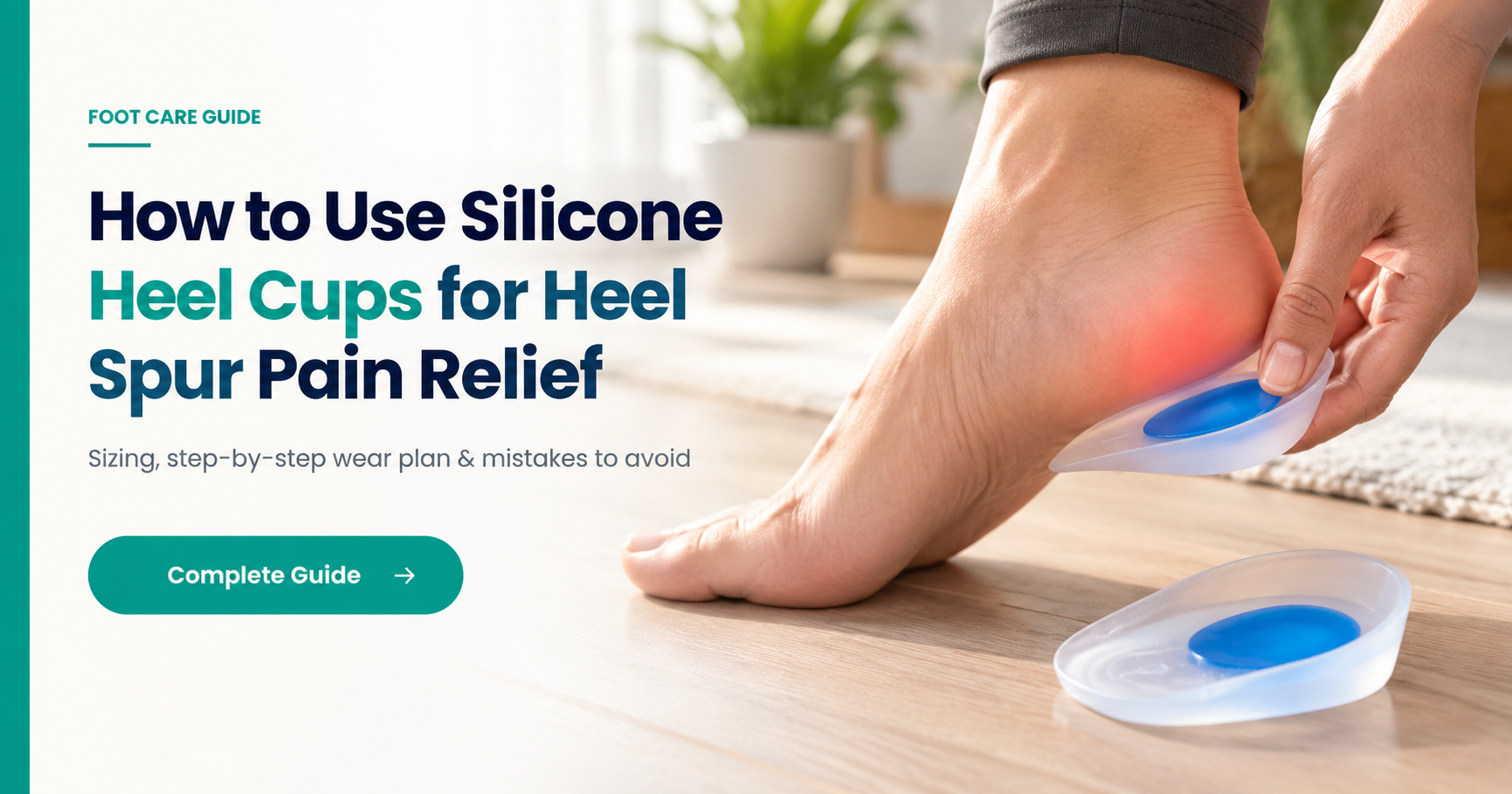
A shaped heel cup cradles the fat pad under the heel and keeps it centered. This improves stability and helps the heel absorb impact more evenly. A flat insole with no heel cup often allows the foot to shift, which can add to fatigue.
4. Moisture Control and Breathability
Feet sweat more during long shifts, especially in work boots. A moisture-wicking top cover helps keep the foot drier and more comfortable, and can reduce the risk of blisters and odor. Look for covers that feel smooth and breathable.
5. Durable Materials
Constant standing compresses insoles quickly. A good insole should hold its shape and support for months, not weeks. Denser foams, cork, and firmer support shells tend to last longer than very soft, thin padding.
Insole Types Compared: Foam, Gel, Cork and Semi-Rigid
Each material behaves differently on concrete. The comparison below gives a quick overview, followed by details on each type.

Foam Insoles
Foam insoles are light, affordable, and comfortable right out of the packet. They work well for light to moderate standing. Their main drawback is durability, since softer foams can flatten within a few months of daily use.
Gel Insoles
Gel insoles offer excellent shock absorption, especially under the heel and forefoot. They are a popular choice for people who feel pain from hard floors. Gel tends to provide less structural support, so it often works best when paired with arch support or a firmer base layer.
Cork Insoles
Cork is firm but slightly springy, and it molds gradually to the shape of your foot with wear. Cork insoles are long lasting and provide steady support, which makes them well suited to all-day standing. They can feel firmer at first, so allow a short break-in period.
Semi-Rigid Support Insoles
These insoles use a firmer shell, often under a cushioned top layer, to support the arch and control foot movement. They are a strong option for people who work long shifts on their feet, and for people with flat feet or high arches. They give less of the soft, pillowy feeling, but many people find them far more comfortable by the end of the day.
How to Match an Insole to Your Arch Type
Your arch shape affects what kind of support feels right. A quick check is the wet test: wet your foot, step onto a piece of dark paper, and look at the footprint.
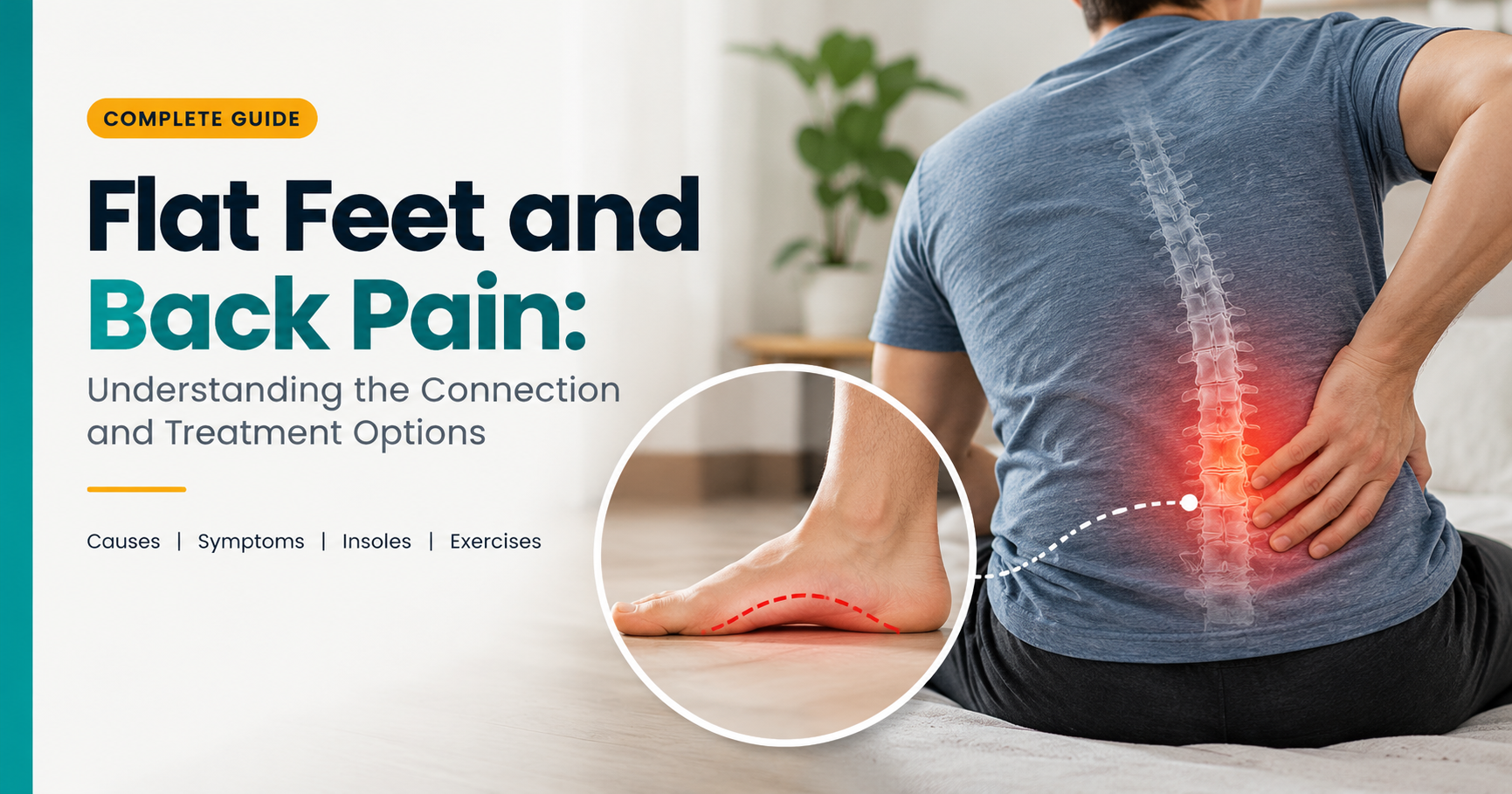
- Flat arch: the footprint shows almost the whole sole. Look for firm arch support and a deep heel cup to help prevent the foot from rolling inward.
- Medium (neutral) arch: the footprint shows a clear curve on the inside. Medium arch support with balanced cushioning is usually comfortable.
- High arch: the footprint shows a thin band along the outside. Choose an insole with good cushioning and a gently contoured arch that fills the space, so pressure is spread out.
If you are unsure, a medium arch insole with a firm heel cup is a safe starting point for most people.
Choose by Your Type of Work
- Warehouse and factory work: look for durable cushioning with firm arch support, since you will be both standing and walking on hard floors.
- Retail and hospitality: a medium-cushioned insole with good moisture control suits long periods on tile or concrete floors.
- Construction and trades: choose a rugged insole that fits inside work boots and resists compression, with strong heel support.
- Healthcare and kitchen work: consider slim, supportive insoles that fit snugly in closed shoes and manage moisture well.
Make Sure the Insole Fits Your Shoes
Even a great insole will feel wrong if it does not fit your footwear. Follow these steps before you commit.
- Remove the original insole. Most shoes have a removable factory insole. Taking it out makes room for the new one.
- Use the old insole as a template. Place it over the new insole and trim the new one to match if the product allows trimming.
- Check the depth. If your shoes feel tight with the new insole, you may need a slimmer design or a shoe with a deeper toe box.
- Check the heel. Your heel should not lift or slip when you walk.
- Test while standing. Stand in the shoes for a few minutes to make sure the insole feels comfortable and stable.
Your 5-Point Buying Checklist
Use this quick checklist when you compare insoles. If a product meets all five points, it is likely to work well for standing on concrete.

Break In Your New Insoles Gradually
Your feet need time to adjust to new support, especially firmer insoles. Wearing them for a full shift on the first day can lead to soreness. A gentler approach works better.
- Days 1 to 3: wear them for two to three hours at a time.
- Days 4 to 7: increase to half a shift, and add more time as comfort allows.
- After two weeks: most people can wear them for a full shift.
Mild awareness of the new support is normal. Sharp pain or numbness is not, so remove the insoles and try a different style if that happens.
When to Replace Your Insoles
Insoles wear out, and a worn insole stops doing its job. Plan to replace yours when you notice any of the following:
- The cushioning feels flat or no longer springs back.
- Cracks, tears, or thinning appear, especially at the heel and ball of the foot.
- The arch support has collapsed or lost its shape.
- Your feet start to feel more tired than usual.
For daily standing on hard floors, many people replace insoles every few months to a year, depending on the material and how heavy the use is.
Other Ways to Reduce Foot Fatigue on Concrete
Insoles work best as part of a complete approach. These habits can help as well:
- Wear supportive shoes. A shoe with a firm heel counter and good structure supports the insole.
- Use an anti-fatigue mat. If you stand in one place, a cushioned mat adds a softer surface under your feet.
- Change your position. Shift your weight, take short walks, and avoid locking your knees.
- Wear good socks. Moisture-wicking socks with light cushioning reduce friction and heat.
- Stretch your calves and feet. Short stretches during breaks can ease tightness.
- Rest your feet. Elevate them after work to help reduce swelling.
When to See a Professional
Insoles can help with everyday fatigue, but they are not a replacement for medical care. See a doctor or podiatrist if you have persistent heel pain, sharp pain in the arch, numbness or tingling, swelling that does not go away, or if you have diabetes or circulation problems. A professional can check the cause of your pain and advise whether over-the-counter insoles or custom orthotics are the better choice.
Frequently Asked Questions
Is a softer insole better for concrete floors?
Not always. Soft cushioning helps absorb impact, but very soft insoles can compress quickly and give little support. The best choice usually balances cushioning with arch support and a stable heel.
Are gel insoles good for standing all day?
Gel insoles absorb shock well and can help with heel discomfort. For long shifts, many people prefer gel combined with an arch support or firmer base, as gel alone gives limited structure.
Can I use the same insoles in different shoes?
Often yes, if the shoes have a similar shape and depth. Check the fit each time, because a poorly fitting insole can slide or feel uncomfortable.
How long does it take to get used to new insoles?
Most people adjust in one to two weeks. Start with short periods and increase gradually.
Do I need custom orthotics?
Many people find good over-the-counter insoles comfortable. Custom orthotics may be worth considering if you have a specific foot condition, ongoing pain, or unusual foot shape. A podiatrist can advise you.
Final Thoughts
Choosing the best insole for standing on concrete comes down to a few clear principles: reliable cushioning, proper arch support, a deep heel cup, a good fit in your shoes, and materials that last. Match the insole to your arch type and your kind of work, introduce it gradually, and replace it when it wears out.
A well-chosen insole will not remove the demands of a long day on hard floors, but it can make those hours far more comfortable for your feet, legs, and back.