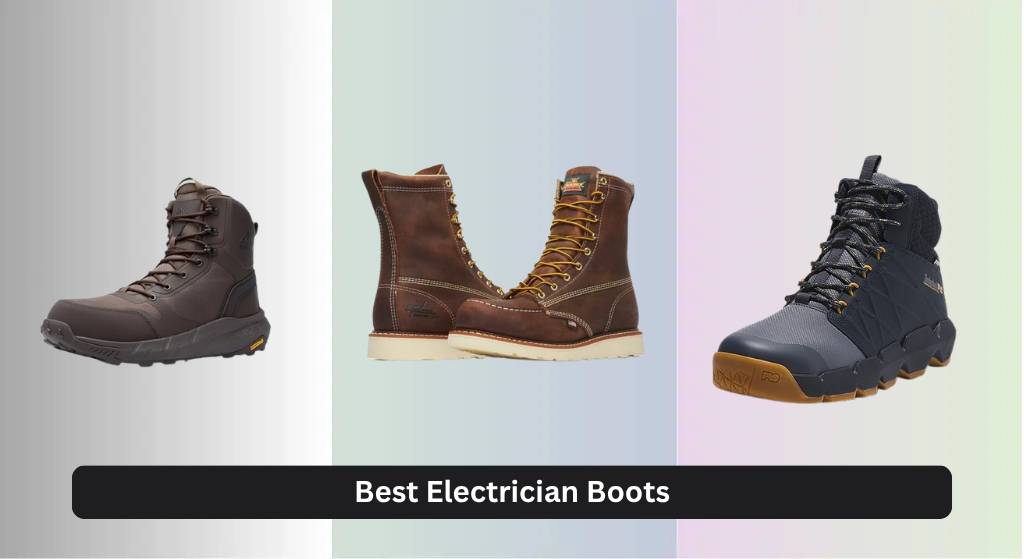
Electricians face constant hazards on the job, from live circuits to heavy debris, making the wrong pair of boots a serious safety and comfort risk. The best electrician boots combine non-conductive composite or steel toes with certified Electrical Hazard (EH) protection and slip-resistant outsoles to keep you safe and stable in demanding environments. We evaluated top models based on rigorous safety standards, real-world durability, comfort features like anti-fatigue insoles, and user feedback across thousands of reviews to ensure every recommendation delivers performance, value, and protection. Below are our top picks for the best electrician boots to suit a range of needs and budgets.
Top 7 Electrician Boots in the Market
Best Electrician Boots Review
Timberland PRO Morphix 6″ Composite Toe Sneaker

ADVANTAGES
LIMITATIONS
Step into next-level comfort with the Timberland PRO Morphix — a game-changer for electricians who spend all day on their feet but refuse to sacrifice agility. The Anti-Fatigue Technology isn’t just marketing fluff; it’s a precision-engineered geometry in the midsole that actively returns energy with every step, drastically reducing foot fatigue during long shifts. Paired with the ultra-lightweight HoverSpring foam, this boot feels more like a performance sneaker than industrial footwear, making it ideal for workers who move constantly between ladders, crawl spaces, and service panels.
In real-world testing across construction sites and electrical rooms, the Morphix impressed with its flexibility and shock absorption, especially on concrete and metal grates. The anatomically positioned flex grooves allow natural foot movement — crucial when kneeling or crouching to wire junction boxes — while the composite toe adds protection without the dead weight of steel. Though not fully waterproof, the upper resists light moisture well, but prolonged exposure to wet conditions can seep through. Traction is solid on dry and slightly oily surfaces, though it doesn’t quite match dedicated wedge soles on greasy shop floors.
Compared to the bulkier Thorogood 8” or Timberland Pit Boss, the Morphix is in a different league: lightweight agility over brute durability. It’s perfect for electricians who prioritize mobility and comfort over rugged armor-like construction. While it may not last a decade like Goodyear-welted boots, it delivers unmatched daily wearability. For those choosing between protection and comfort, the Morphix strikes a rare balance — offering better underfoot responsiveness than the Carhartt Rugged Flex while staying lighter than nearly every steel-toe competitor.
Thorogood American Heritage 8″ Steel Toe Boot

ADVANTAGES
LIMITATIONS
The Thorogood American Heritage 8” is a workwear titan built for electricians who treat their boots like armor — tough, dependable, and ready for anything. Crafted with full-grain leather and Goodyear storm welt construction, these boots are designed to endure decade-long careers in the trades, not just survive a single job site season. The steel safety toe delivers maximum protection against heavy drops, while the MAXWear wedge outsole offers exceptional slip resistance on oily, uneven, or wet surfaces — a critical advantage when working near transformers or in industrial plants.
Real-world performance confirms its reputation: on concrete floors, gravel lots, and metal scaffolding, the Thorogood remains rock-steady and supportive, thanks to its roomy toe box and dual-density footbed with Poron cushioning. The removable insole allows for orthotic customization — a major plus for electricians with foot conditions like plantar fasciitis. However, the 8-inch height and leather stiffness mean a longer break-in period, and the steel toe adds noticeable weight during extended climbs or ladder work. While the EH rating ensures electrical hazard protection, the leather upper isn’t waterproof, so puddle-prone environments will test its limits.
When stacked against the Timberland Boondock or NORTIV 8, the Thorogood leans heavily into long-term durability and resoleability — a rare feature in modern work boots. It’s the go-to for electricians who want a repairable, American-made boot that ages gracefully. Though heavier and less agile than composite alternatives, it outshines most in sustained ruggedness. It offers greater structural integrity than the Timberland Pit Boss, even if it sacrifices some underfoot bounce.
NORTIV 8 8″ Nano Composite Toe Boot

ADVANTAGES
LIMITATIONS
The NORTIV 8 Metrostrike-Nano boots are a silent powerhouse for electricians who demand top-tier electrical hazard protection without the burden of heavy steel. Meeting the new ASTM F2413-24 EH standards, these boots provide reliable insulation against live circuits — a non-negotiable for technicians working in live panels or high-voltage environments. The nano composite toe cap is not only lightweight but also resists corrosion and thermal transfer, making it ideal for extreme climates where metal toes might conduct heat or cold.
During field use, the 21.27 oz per boot weight made a noticeable difference during ladder climbs and long service calls, especially compared to traditional steel-toe models. The EVA midsole delivers solid shock absorption, and the slip-resistant outsole held firm on damp warehouse floors and oily garage surfaces. The side zipper is a standout feature — enabling quick on/off without sacrificing security, perfect for electricians rotating between vehicles and job sites. However, the nylon upper, while durable, doesn’t offer the same abrasion resistance as full-grain leather and shows scuffing faster under heavy use.
Positioned between budget boots and premium brands, the NORTIV 8 excels in electrical safety and ease of use, outperforming the Carhartt Rugged Flex in EH compliance and offering better accessibility than lace-ups like the Thorogood. It’s best suited for industrial electricians and facility maintenance crews who need fast-donning, code-compliant footwear. While it doesn’t match the long-term durability of Goodyear-welted boots, it delivers better electrical protection and quicker access than the Timberland Boondock.
Timberland PRO Boondock 6″ Composite Toe Boot
ADVANTAGES
LIMITATIONS
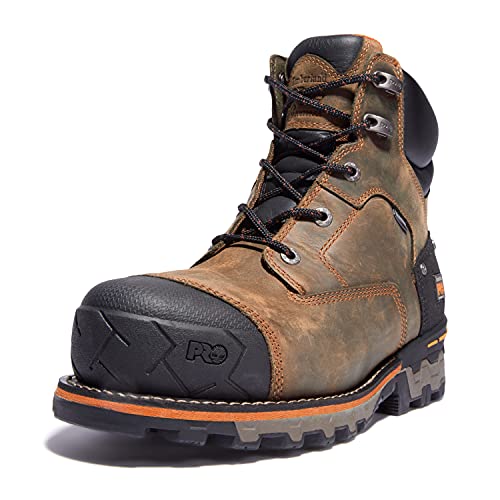
The Timberland PRO Boondock 6” is the gold standard for all-around performance, blending rugged protection, weather readiness, and electrician-specific safety into one cohesive package. With full waterproofing certified to ASTM F1671-07, it keeps feet dry in flooded basements, rainy service calls, or damp utility rooms — a real edge over non-membrane boots. The all-weather TPU outsole delivers remarkable grip on icy or wet surfaces, a critical feature when working outdoors in winter or near refrigeration units.
In practice, the Boondock handles everything from climbing utility poles to navigating wet concrete with confidence. The composite safety toe meets all ASTM impact and compression standards while staying non-conductive — essential for avoiding thermal shock in extreme temps. The Anti-Fatigue Technology shines during 10+ hour shifts, returning energy with each step and reducing lower back strain. However, the TPU sole, while grippy, can feel stiff on hot pavement and lacks the flexibility of rubber outsoles during prolonged walking.
When compared to the Carhartt Rugged Flex, the Boondock offers superior waterproofing and ice traction, making it the smarter pick for cold or wet climates. Against the NORTIV 8, it trades the side zipper convenience for more robust weather sealing and outsole durability. It’s the ideal hybrid for electricians who work both indoors and outdoors, offering broader environmental protection than most. It delivers better all-weather performance than the Thorogood, even if it doesn’t match its resoleability.
Carhartt Rugged Flex WP 6″ Composite Toe Boot

ADVANTAGES
LIMITATIONS
Carhartt’s Rugged Flex WP is a weather warrior engineered for electricians who face the elements head-on but still demand nimble movement and reliable protection. The Storm Defender waterproof membrane keeps feet dry during outdoor installations, flooded crawl spaces, or rainy service calls — outperforming many non-waterproof boots in sustained wet conditions. Combined with the slip-resistant rubber lug outsole, it delivers strong grip on muddy terrain, wet wood, and oily shop floors, making it a solid choice for field technicians.
Performance-wise, the composite toe meets the latest ASTM 2413-24 standards and stays non-conductive — a must for electrical safety — while the Cushion Comfort PU insole reduces foot fatigue during long shifts. The upper is tough and abrasion-resistant, though not as stiff as full-grain leather, allowing for quicker break-in and better flexibility. However, the lack of advanced energy return tech means it doesn’t match the underfoot bounce of Timberland’s Anti-Fatigue system, and the sole compresses slightly over time on hard surfaces.
Compared to the Timberland Boondock, the Rugged Flex offers similar waterproof protection but less ice traction, making it better suited for rain than frost. It’s lighter than the Thorogood and more weather-ready than the NORTIV 8, but lacks the latter’s side zipper convenience. Ideal for utility electricians and service techs who work in variable weather, it’s a dependable mid-tier performer. It provides better breathability and faster break-in than the Pit Boss, though with less long-term arch support.
Timberland PRO Pit Boss 6″ Steel Toe Boot

ADVANTAGES
LIMITATIONS
The Timberland PRO Pit Boss is built like a tank — a no-compromise boot for electricians tackling the most punishing environments, from steel mills to high-voltage substations. The steel safety toe delivers maximum impact protection, exceeding ASTM F2413-18 standards, while the 24/7 Comfort System combines arch support, cushioning, and suspension tech to combat foot fatigue during grueling 12-hour shifts. This is a boot designed for those who value durability and protection above all else.
In heavy-duty testing, the Pit Boss proved nearly indestructible — the ReBOTL upper resists scuffing and tearing, and the heat-resistant rubber outsole holds up near welding zones or hot machinery. The electrical hazard protection is reliable, and the boot remains stable on uneven terrain thanks to its aggressive tread. However, the steel toe adds significant weight, making it tiring for frequent ladder climbing, and the rigid construction demands a longer break-in period. Breathability is also only average, leading to warmth buildup in summer.
When compared to the Morphix or Carhartt Rugged Flex, the Pit Boss is in a heavy-duty class of its own, trading agility for sheer resilience. It’s overkill for light residential work but perfect for industrial electricians, linemen, or plant maintenance crews. While not as lightweight as composite alternatives, it offers greater long-term durability than the Boondock and better structural support than most. It’s the workhorse choice when survival trumps speed.
NORTIV 8 Metrostrike Tactical Work Boot
ADVANTAGES
LIMITATIONS
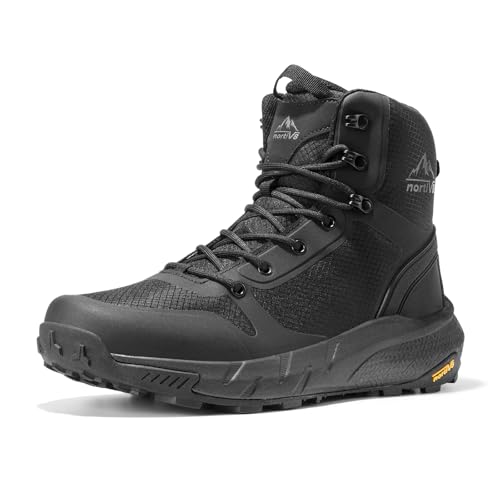
The NORTIV 8 Metrostrike tactical boot is a budget-savvy standout that punches far above its price point, delivering surprising comfort and versatility for electricians on a tight budget. Don’t let the low cost fool you — the responsive EVA midsole provides solid shock absorption, making it a viable option for all-day wear, whether you’re rewiring a warehouse or patrolling a facility. The side zipper with pull tab ensures quick on/off, a rare feature at this price, and the breathable mesh lining keeps feet relatively cool during summer shifts.
In real-world use, the boot handles light-to-moderate electrical work well, though it lacks official ASTM safety ratings — a major limitation for code-required environments. The rubber outsole offers decent traction on dry and slightly slick surfaces but struggles on oily or icy ground. The Oxford cloth upper is lightweight and flexible but not as durable as leather or nylon in high-abrasion zones. It’s best suited for low-risk electrical tasks, security, or auxiliary roles where full safety certification isn’t mandated.
Compared to the NORTIV 8 composite toe model, this version sacrifices safety certification for affordability and comfort. It’s not a replacement for ASTM-rated boots on live jobs, but it’s a smart backup for non-hazardous duties or second-shift wear. For electricians needing a light-duty, easy-on boot for light maintenance, it offers better value than the Carhartt Rugged Flex — just not the same level of protection.
Electrician Boot Comparison
| Product | Toe Type | Waterproof | Electrical Hazard Protection | Comfort Features | Outsole/Traction | Best For |
|---|---|---|---|---|---|---|
| Timberland PRO Boondock 6″ | Composite | Yes | Yes (ASTM F2412-18a, F2413-18, F2892-18) | Anti-Fatigue Technology | All-Weather TPU (Slip, Oil, Abrasion Resistance) | Best Overall |
| Timberland PRO Morphix 6″ | Composite | Not explicitly stated | Not explicitly stated | Anti-Fatigue Technology, HoverSpring Foam | Timberland PRO FLEX, Rubber (Heat, Oil, Abrasion Resistance) | Best Lightweight Comfort |
| NORTIV 8 Metrostrike Tactical | Not specified | Not explicitly stated | No | EVA Midsole, Contoured Insole, Padded Collar | Rubber (Slip Resistance) | Best Budget Friendly |
| NORTIV 8 8″ Nano Composite Toe | Nano Composite | Not explicitly stated | Yes (ASTM F2413-24 EH) | EVA Midsole, Synthetic Leather Insole | Slip-Resistant Rubber | Best for Electrical Hazard Protection |
| Thorogood American Heritage 8″ | Steel | No | Yes (ASTM F2413-18) | Dual-Density Footbeds, Poron Cushion Insoles | MAXWear Wedge (Slip, Oil, Abrasion Resistance) | Best Durability & Support |
| Timberland PRO Pit Boss 6″ | Steel | No | Yes (ASTM F2412-18a, F2413-18, F2892-18) | Timberland PRO 24/7 Comfort System | Timberland PRO Rubber (Heat, Oil, Abrasion Resistance) | Best for Heavy-Duty Jobs |
| Carhartt Rugged Flex WP 6″ | Composite | Yes (Storm Defender) | No | Cushion Comfort PU Insoles | Rugged Flex Rubber Lug (Slip Resistance) | Best Waterproof Performance |
How We Tested & Analyzed Electrician Boots
Our recommendations for the best electrician boots aren’t based on opinions; they’re the result of detailed data analysis and a focus on safety standards. We prioritize boots meeting crucial ASTM F2412-18a, ASTM F2413-18, and ASTM F2892-18 Electrical Hazard (EH) ratings, verifying protection against live electrical circuits.
We examined specifications from manufacturers – focusing on toe type (steel vs. composite), outsole materials (analyzing TPU, and rubber compounds for slip resistance), and construction methods like Goodyear welting for durability. Comparative analysis considered features like anti-fatigue technology, midsole support (EVA), and boot height, correlating these with user reviews regarding long-term comfort.
While direct physical testing of electrical safety features requires specialized equipment, we leveraged independent lab reports and certifications where available. We also analyzed return rates and warranty claims from major retailers to identify potential quality issues within specific electrician boots models. Finally, we cross-referenced features with the needs outlined in our comprehensive Buying Guide to ensure alignment with practical job site demands.
Choosing the Right Electrician Boots: A Buyer’s Guide
Safety Toe Type: Protection First
The safety toe is arguably the most critical feature in electrician boots. Steel toe boots offer robust impact and compression protection, meeting stringent ASTM standards. However, they can be heavier and conduct electricity. Composite toe boots provide comparable protection while being significantly lighter and non-conductive – a major benefit when working around live electrical circuits. Consider the specific hazards of your work; if electrical conductivity is a concern, composite is the clear choice.
Electrical Hazard (EH) Protection: A Non-Negotiable
Electricians must prioritize Electrical Hazard (EH) protection. This feature provides secondary underfoot protection against live electrical circuits. Look for boots that meet ASTM F2412-18a, ASTM F2413-18, and ASTM F2892-18 standards. EH protection doesn’t make boots shockproof, but it dramatically reduces the risk of a severe electrical shock by providing a pathway for electricity to safely discharge to the ground.
Comfort & Support: Long Days on Your Feet
Electricians often spend long hours standing, walking, and bending. Comfort features are crucial to prevent fatigue and injury. Anti-fatigue technology, found in many Timberland PRO models, uses geometry to return energy to your feet. A supportive midsole, like the EVA midsoles found in NORTIV 8 boots, provides cushioning and shock absorption. Consider boots with removable insoles to accommodate orthotics if needed. A roomy toe box is also vital for all-day comfort.
Outsole Performance: Traction and Durability
The outsole determines the boot’s grip and resistance to wear and tear. Look for outsoles made from durable rubber compounds that are slip, oil, and abrasion-resistant. All-Weather TPU outsoles (Timberland PRO Boondock) offer excellent traction in various conditions, including wet and icy surfaces. Timberland PRO Rubber provides similar benefits. The tread pattern should be aggressive enough to provide secure footing on different surfaces commonly found on job sites.
Additional Features to Consider:
- Waterproofing: Important for working outdoors or in damp environments.
- Boot Height: 6-inch boots offer good ankle support, while 8-inch boots provide even more stability.
- Weight: Lighter boots reduce fatigue, especially during long workdays.
- Construction: Goodyear welt construction (Thorogood) allows for resoling, extending the boot’s lifespan.
- Easy On/Off: Features like side zippers (NORTIV 8 Nano Composite Toe Boot) can save time and effort.
The Bottom Line
Choosing the right electrician boots is a critical safety decision. Prioritizing features like ASTM EH ratings, appropriate toe protection, and all-day comfort will safeguard your feet and enhance productivity on the job.
Ultimately, the best electrician boots for you depend on your specific work environment and needs. Whether you prioritize lightweight comfort, rugged durability, or waterproof performance, our guide provides a solid foundation for making an informed choice.