If you’ve noticed a persistent tingling in your toes, or find yourself walking more carefully because your feet feel “off,” you may be experiencing early signs of nerve damage—commonly known as peripheral neuropathy. This condition affects millions of people, particularly those with diabetes, and often begins silently in the feet. Left undetected, it can progress to chronic pain, balance issues, and even serious complications like foot ulcers or amputation. The key to preventing long-term harm? Recognizing the warning signals before they escalate.
Peripheral neuropathy occurs when nerves outside the brain and spinal cord—especially those in the feet and legs—are damaged. These nerves carry vital information about touch, temperature, pain, and movement. When injured, they misfire, leading to numbness, burning sensations, or even a complete loss of feeling. Because symptoms often develop gradually, many dismiss them as normal signs of aging. But ignoring them can be dangerous. This guide breaks down the most common signs of nerve damage in the feet, explains how it’s diagnosed, and outlines actionable steps to protect your health—starting today.
Tingling and Pins-and-Needles Sensation in the Feet
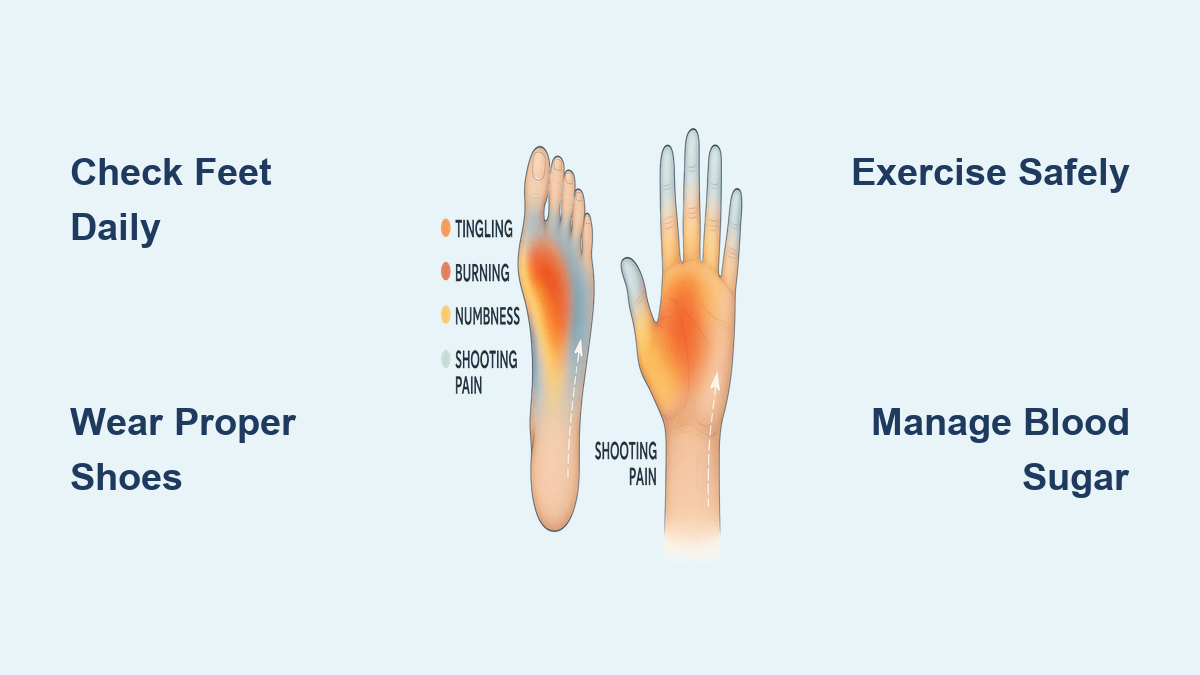
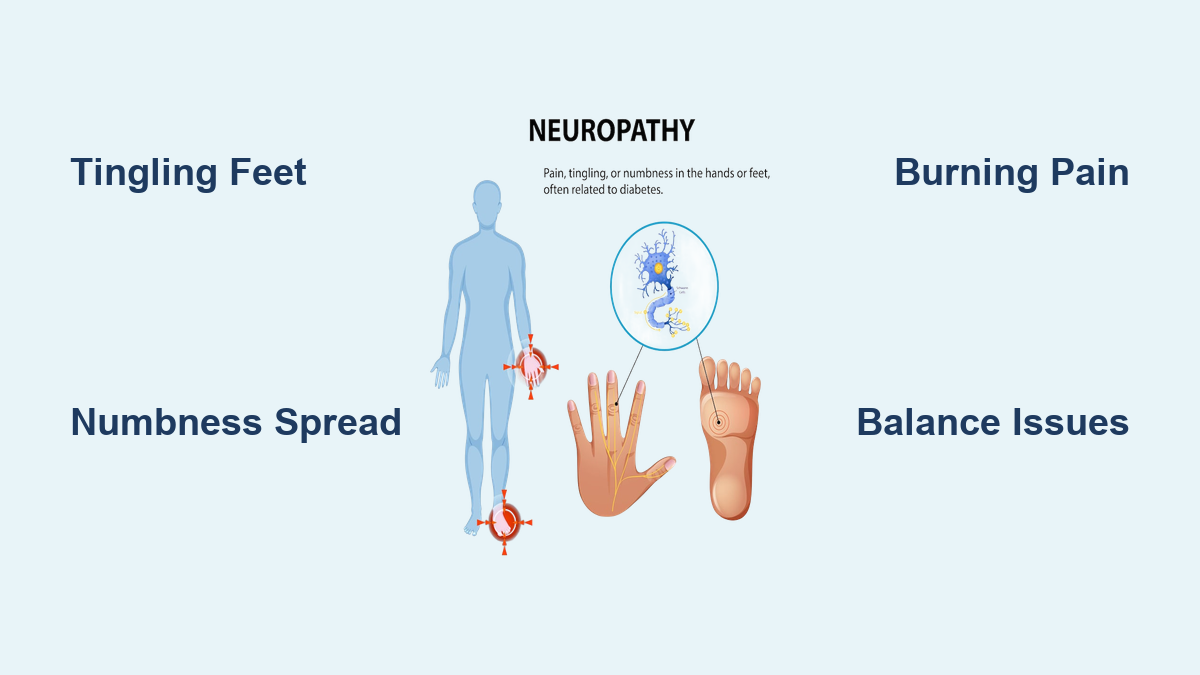
One of the earliest and most common signs of nerve damage is a tingling or “pins and needles” sensation in the toes or soles of the feet. You might feel it at night, while sitting, or even when your feet are at rest. Unlike temporary numbness from crossing your legs, this sensation lingers and may spread up the feet and into the ankles over time.
This happens because damaged sensory nerves send erratic signals to the brain, even when there’s no real stimulus. The feeling often starts subtly—like a minor annoyance—but worsens if left untreated. It typically appears symmetrically, affecting both feet, which helps distinguish it from localized nerve compression like tarsal tunnel syndrome.
If you’re diabetic, drink heavily, or take medications like metformin or chemotherapy drugs, this symptom could signal developing neuropathy. Don’t brush it off—early nerve misfiring is your body’s way of sounding the alarm.
Progressive Numbness That Moves Up the Legs
As nerve damage advances, numbness becomes more pronounced and spreads in a “stocking-like” pattern—from the toes upward into the feet and lower legs. You might not feel the floor beneath your feet, or struggle to sense whether water in the shower is too hot or cold.
This loss of sensation is especially dangerous because it increases the risk of unnoticed injuries. A small cut, blister, or pressure point from tight shoes can go undetected, turning into a serious wound. For people with diabetes, this silent damage is a leading cause of foot ulcers and infections.
Because the nerves responsible for detecting pain and temperature are impaired, even severe injuries might not cause discomfort. That’s why daily foot checks are non-negotiable for anyone experiencing numbness.
Burning, Shooting, or Electric-Like Foot Pain
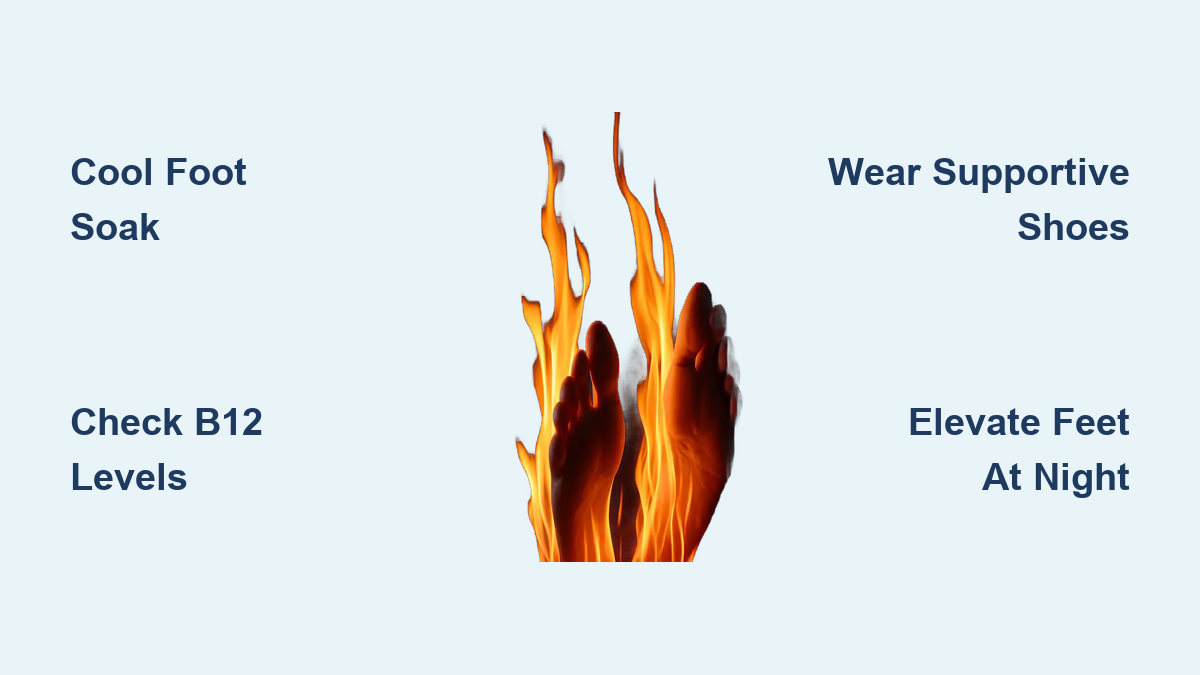
Many people with neuropathy describe their pain as burning, stabbing, or like electric shocks. This discomfort often intensifies at night, disrupting sleep and leading to fatigue, irritability, and reduced quality of life.
Unlike typical foot pain from overuse or injury, neuropathic pain doesn’t improve with rest. In fact, some people develop allodynia—a condition where even light touch, like the weight of a bedsheet or the fabric of socks, causes severe pain.
This pain results from damaged nerves overreacting to normal stimuli. The brain misinterprets harmless signals as threats, creating a cycle of chronic discomfort. If you wince when your feet touch the floor at night, it’s not just fatigue—it could be nerve damage.
Balance and Coordination Problems Due to Nerve Damage
Another often-overlooked sign is loss of balance and coordination. Nerves in the feet send constant feedback to the brain about foot position—a sense called proprioception. When these nerves are damaged, your brain can’t “track” where your feet are, leading to unsteadiness, tripping, or difficulty walking on uneven ground.
You might find yourself holding onto railings more than before or avoiding stairs. Muscle weakness in the feet and calves often accompanies this, increasing the risk of falls—especially in older adults. Studies show that peripheral neuropathy doubles the risk of falling, making early detection critical for safety.
Sensory, Motor, and Autonomic Nerve Damage: What Each Feels Like

Neuropathy doesn’t affect all nerves the same way. Understanding which type is involved helps explain your symptoms and guides treatment.
Sensory Nerve Damage: Loss of Feeling and Over-Sensitivity
Sensory nerves control touch, temperature, and pain. When damaged, you may:
- Feel less pain or heat, increasing injury risk
- Experience extreme sensitivity—even socks feel painful
- Lose vibration sense, making it hard to feel a phone buzz in your pocket
- Struggle with foot positioning, leading to clumsy movements
Doctors often test this with a monofilament—a thin nylon fiber pressed against the foot. If you can’t feel it on your big toe, sensory nerve damage is likely.
Motor Nerve Damage: Weakness and Foot Drop
Motor nerves control muscle movement. Damage leads to:
- Muscle weakness in the feet and lower legs
- Foot drop—difficulty lifting the front of the foot while walking
- Cramps or twitching in foot muscles
- Changes in gait, like shuffling or high-stepping to avoid tripping
Over time, this can cause foot deformities like hammertoes or high arches, making proper footwear essential.
Autonomic Nerve Dysfunction: Dry Skin and Poor Circulation
Autonomic nerves regulate involuntary functions. When damaged, foot-specific signs include:
- Dry, cracked skin due to reduced sweating
- Cold or discolored feet from poor circulation
- Swelling or warmth, especially in rare cases like Charcot’s foot
Systemic symptoms like dizziness when standing, digestive issues, or bladder problems suggest widespread nerve involvement and require prompt evaluation.
Diabetes, Vitamin Deficiencies, and Other Leading Causes

Knowing the root cause is key to effective treatment.
Diabetes: The #1 Cause of Foot Neuropathy
Diabetes accounts for up to 50% of all neuropathy cases. High blood sugar over time damages nerves and the small blood vessels that feed them. Even prediabetes increases risk—up to 30% of people with unexplained neuropathy have metabolic syndrome.
The good news? Tight blood sugar control can slow or even halt progression. Keeping your HbA1c below 7% is one of the most effective ways to protect your nerves.
Vitamin B Deficiencies That Damage Nerves
Deficiencies in B-1 (thiamine), B-6, B-12, and folate directly impair nerve function. B-12 deficiency is especially common in people taking metformin or following vegan diets without supplementation.
The best part? Symptoms like numbness and balance issues may improve with proper supplementation—making blood testing essential for anyone with unexplained nerve symptoms.
Other Key Risk Factors
- Alcohol abuse: Causes nerve toxicity and nutritional deficits
- Autoimmune diseases: Lupus, rheumatoid arthritis, or Guillain-Barré can attack nerves
- Infections: HIV, hepatitis C, Lyme disease, and shingles
- Toxin exposure: Chemotherapy, heavy metals, or industrial chemicals
- Kidney or liver disease: Toxin buildup damages nerves
- Genetic disorders: Like Charcot-Marie-Tooth disease
In about 30% of cases, no cause is found—labeled idiopathic neuropathy—but metabolic dysfunction is often suspected.
Dangerous Complications of Untreated Neuropathy
Ignoring symptoms can lead to life-altering consequences.
Foot Ulcers and Infections That Won’t Heal
Numb feet can’t feel pressure or injury, allowing blisters, cuts, or calluses to turn into open sores. These foot ulcers are hard to heal, especially with poor circulation. Infections can spread to bone (osteomyelitis), requiring surgery or amputation.
Diabetic foot ulcers are the leading cause of lower-limb amputations. Daily foot checks can prevent this.
Charcot’s Foot: Silent Bone Collapse
Charcot’s foot occurs when nerve damage weakens bones and joints. The foot may become swollen, red, and deformed—sometimes without pain due to numbness. Without support, fractures and collapse can happen.
Early signs include warmth and swelling in one foot. Immediate offloading (no weight-bearing) is critical to prevent permanent damage.
Increased Fall and Fracture Risk
Loss of balance and muscle weakness make falls more likely. For older adults, this can mean hip fractures, hospitalization, and loss of independence. Simple home modifications—like removing rugs and adding grab bars—can reduce danger.
How Doctors Diagnose Nerve Damage in the Feet

Accurate diagnosis starts with a detailed evaluation.
Medical History and Physical Exam
Your doctor will ask about:
- Symptom duration and pattern
- Diabetes, thyroid issues, or autoimmune conditions
- Alcohol use, medications (like metformin or chemo)
- Family history of neuropathy
Be honest—many causes are reversible if caught early.
Neurological Testing
- Monofilament test: Checks pressure sensation
- Tuning fork test: Assesses vibration sense
- Pinprick test: Evaluates pain response
- Ankle reflex test: Diminished reflexes suggest nerve damage
Poor results confirm sensory nerve involvement.
Key Diagnostic Tests
EMG and Nerve Conduction Studies
EMG (electromyography) and nerve conduction studies are gold-standard tests. They measure how fast and strong electrical signals travel through nerves and muscles.
According to neurologists, EMG is the most essential tool for confirming neuropathy and guiding treatment.
Blood Tests and Imaging
Essential blood tests include:
- HbA1c and glucose (diabetes screening)
- Vitamin B-12, B-1, B-6, folate
- Thyroid, kidney, and liver panels
- Autoimmune markers
MRI or CT scans may detect nerve compression or tumors if the cause is unclear.
Treatment: Managing Pain and Preventing Progression
While nerve damage can’t always be reversed, treatment can control symptoms and prevent worsening.
Fix the Root Cause
- Control blood sugar if diabetic
- Stop alcohol use in alcohol-related cases
- Correct vitamin deficiencies with supplements
- Manage autoimmune diseases with immunosuppressants
Many patients see improvement within weeks of addressing the underlying issue.
Medications for Neuropathic Pain
Over-the-counter painkillers like ibuprofen don’t work for nerve pain. Effective options include:
- Duloxetine or venlafaxine (SNRIs)
- Gabapentin or pregabalin (anticonvulsants)
- Lidocaine patches or capsaicin cream (topical)
These target nerve signaling, not inflammation.
Daily Foot Care and Prevention Tips
Protect your feet every day:
- Inspect feet daily for cuts, redness, or swelling
- Wash and dry thoroughly, especially between toes
- Moisturize (but not between toes)
- Trim nails straight across
- Never walk barefoot, even indoors
- Wear supportive shoes with wide toe boxes
When to See a Doctor
Seek help if you have:
- Persistent tingling, numbness, or burning
- Unexplained muscle weakness or tripping
- Foot injuries that won’t heal
- Dizziness, digestive, or bladder issues
Early action can prevent amputation and preserve nerve function.
Final Note
Nerve damage in the feet is not something to ignore. From tingling and numbness to pain and balance issues, the signs are often subtle but significant. With early detection, proper care, and lifestyle changes, you can slow progression, relieve pain, and protect your feet. Take action today—your nerves depend on it.