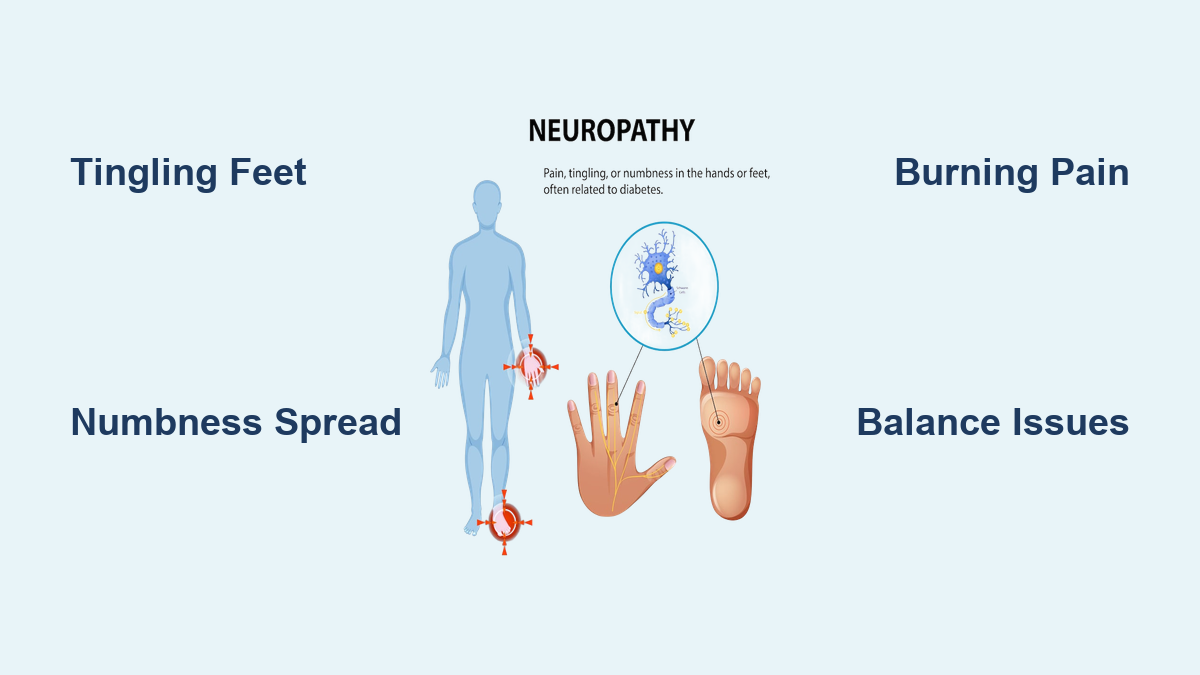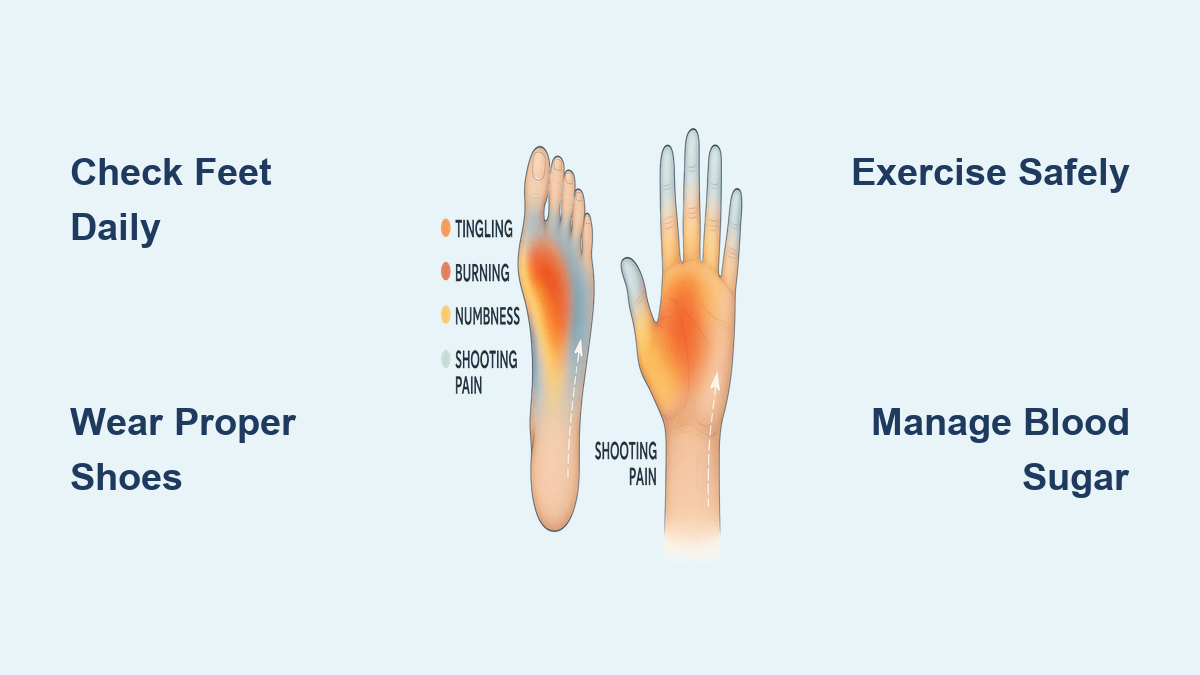
If you’re living with peripheral neuropathy, the persistent tingling, burning, or numbness in your feet can make even simple movements feel exhausting. This nerve damage—often tied to diabetes, vitamin deficiencies, or chronic illness—can disrupt sleep, limit mobility, and increase the risk of serious complications like ulcers or falls. While there’s no universal cure, how to manage peripheral neuropathy foot pain effectively is within reach. With a strategic combination of medical treatments, daily self-care, and lifestyle changes, many people find meaningful relief and prevent further nerve damage. This guide provides practical, evidence-based steps to help you take control—covering everything from medications and foot care to exercise, nutrition, and home safety.
Diagnose the Root Cause of Your Neuropathy

Effective pain management starts with identifying what’s damaging your nerves. Treating symptoms without addressing the underlying condition often leads to limited results.
Common Triggers of Nerve Damage
- Diabetes is the leading cause, responsible for up to 50% of cases. Chronically high blood sugar damages small nerve fibers over time.
- Vitamin B12 deficiency can mimic diabetic neuropathy and may be reversible with supplementation.
- Autoimmune diseases like lupus or rheumatoid arthritis cause nerve inflammation.
- Chemotherapy drugs and certain antibiotics are known to trigger neuropathy.
- Alcohol abuse and kidney disease impair nerve function through toxicity and metabolic imbalances.
What to Expect During Diagnosis
Your healthcare provider will likely:
– Review your medical history, focusing on diabetes, alcohol use, and medications.
– Conduct a neurological exam to test reflexes, sensation, and balance.
– Order blood tests for glucose, HbA1c, vitamin B12, thyroid, and kidney function.
– Recommend nerve conduction studies (NCS) and EMG to measure nerve and muscle activity.
– Use quantitative sensory testing (QST) or skin biopsy in complex cases.
Early diagnosis improves outcomes—starting treatment early can slow or even halt nerve damage progression.
Use Proven Medications to Reduce Nerve Pain

While medications can’t reverse nerve damage, they can significantly reduce pain signals and improve daily function.
Prescription Medicines That Work
- Gabapentin (Neurontin®) and pregabalin (Lyrica®) calm overactive nerves. These are often first-line treatments, though side effects like drowsiness and swelling may occur.
- Duloxetine (Cymbalta®) and venlafaxine (Effexor®)—SNRIs—alter brain pathways involved in pain perception and are effective even in patients without depression.
- Amitriptyline and nortriptyline, tricyclic antidepressants, help with nighttime pain but can cause dry mouth, constipation, and dizziness.
Targeted Topical Treatments
- Lidocaine patches (Lidoderm®) provide localized numbing with minimal systemic side effects—ideal for burning spots on the feet.
- Capsaicin cream depletes substance P, a neurotransmitter involved in pain. Initial stinging is common but usually improves with consistent use.
- Qutenza®, a high-dose capsaicin patch applied in-clinic, can deliver up to 12 weeks of relief after a single session.
Over-the-Counter Options (Use Cautiously)
- Acetaminophen (Tylenol®) may help mild discomfort but doesn’t target nerve pathways.
- NSAIDs (ibuprofen, naproxen) have limited effect on neuropathic pain and carry long-term risks like stomach ulcers and kidney damage.
Never self-prescribe. Work closely with your doctor to balance pain relief with side effects.
Perform Daily Foot Care to Prevent Serious Complications
Reduced sensation means injuries can go unnoticed—making daily foot checks essential.
Your Daily Foot Inspection Routine
- Check feet every day for cuts, blisters, redness, or swelling. Use a mirror or ask for help if you can’t see well.
- Wash with warm (not hot) water and mild soap. Always test water temperature with your hand.
- Dry thoroughly, especially between toes, to prevent fungal infections.
- Moisturize with fragrance-free lotion to prevent cracks—but avoid applying between toes.
Nail and Skin Maintenance
- Trim toenails straight across to prevent ingrown nails.
- Never cut cuticles or attempt to remove corns or calluses yourself.
- See a podiatrist regularly—at least once a year, more often if diabetic.
Critical Don’ts
- ❌ Walking barefoot, even indoors.
- ❌ Using heating pads or hot water bottles—you may not feel burns.
- ❌ Soaking feet for long periods, which can dry out skin and increase infection risk.
Wear Protective, Supportive Footwear Every Day

The right shoes reduce pressure, prevent injury, and improve stability.
Essential Shoe Features
- Deep toe box allows toes to move freely without squeezing.
- Cushioned insoles absorb shock and reduce foot stress.
- Firm heel counter provides ankle support.
- Non-slip sole reduces fall risk on slippery surfaces.
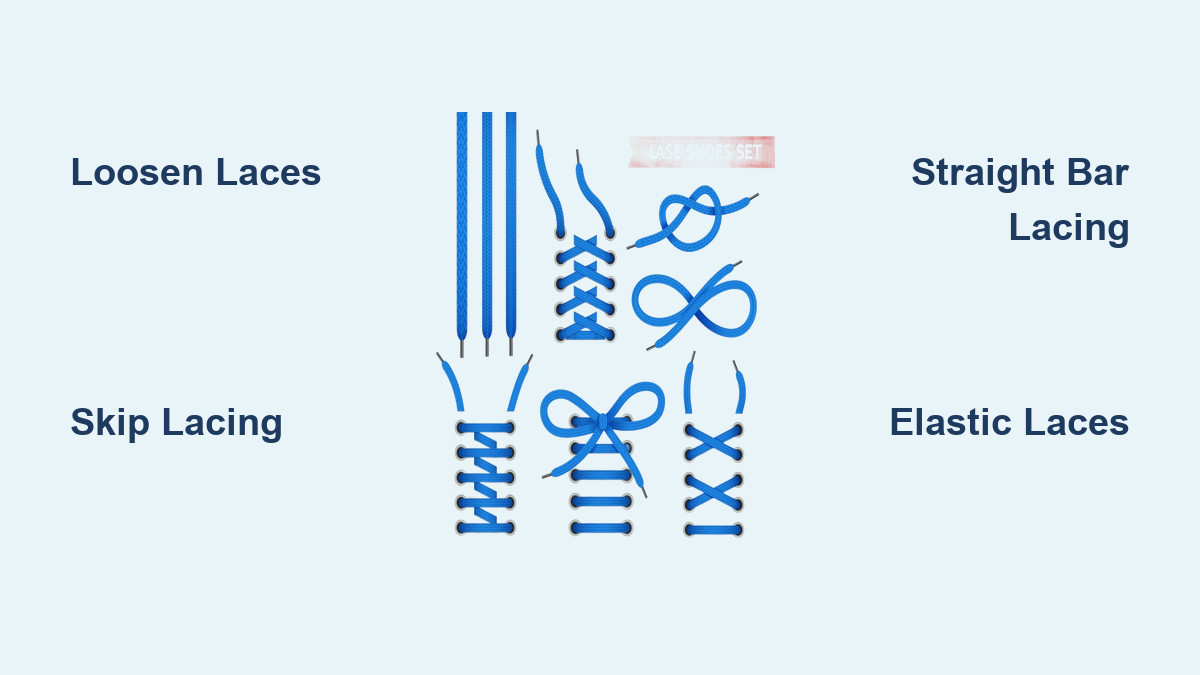
- Adjustable closures (laces, Velcro) ensure a custom fit.
Best Footwear Choices
- Diabetic shoes are designed with extra depth and seamless interiors to prevent rubbing.
- Orthotics or custom inserts can correct imbalances and offload pressure points.
- Avoid flip-flops, high heels, and narrow shoes—they offer no support and increase injury risk.
Always wear clean, moisture-wicking socks—cotton or wool blends work well. Avoid tight elastic bands that restrict circulation.
Exercise to Boost Circulation and Nerve Function
Staying active improves blood flow, reduces pain, and enhances balance.
Why Movement Matters
- Increases blood flow to nerves, delivering oxygen and nutrients.
- Enhances insulin sensitivity, crucial for diabetics.
- Reduces inflammation and supports nerve regeneration.
- Improves balance and coordination, lowering fall risk.
Best Low-Impact Activities
- Walking – Start with 10–15 minutes daily, gradually increasing to 30 minutes most days.
- Swimming or water aerobics – Provides resistance without joint stress.
- Stationary cycling – Safe and effective for cardiovascular health.
- Yoga or tai chi – Builds flexibility, balance, and mental focus.
9 Foot-Specific Exercises (PT-Recommended)
- Active Toe Flexion – Curl toes down, hold 3–5 seconds. Reps: 10–15. Benefit: Strengthens plantar muscles.
- Toe Yoga – Lift and spread toes, then curl under. Reps: 10–15. Benefit: Improves neuromuscular control.
- Standing Calf Stretch – Lean into wall with back heel down. Hold: 30 seconds. Benefit: Improves ankle flexibility.
- Calf Raise – Rise onto toes, lower slowly. Reps: 10–15. Benefit: Strengthens calves, improves balance.
- Toe Raises (Dorsiflexion) – Lift toes while keeping heels down. Reps: 10–15. Benefit: Strengthens shin muscles.
- Lower Body Nerve Glide – Point and flex foot while rocking hip. Reps: 10 per leg. Benefit: Mobilizes sciatic nerve.
- Ankle Mobilizations – Draw circles with foot. Reps: 10–15 each direction. Benefit: Maintains range of motion.
- Tandem Balance – Stand heel-to-toe. Hold: 20–30 seconds. Benefit: Challenges balance.
- Flamingo with Table – Balance on one leg. Hold: 20–30 seconds per side. Benefit: Builds single-leg stability.
Stop if you feel sharp pain or notice skin changes. Consult a physical therapist to personalize your routine.
Optimize Your Diet for Nerve Repair and Protection
Nutrition directly impacts nerve health—especially if your neuropathy is linked to diabetes or vitamin deficiencies.
Key Nutrients for Nerve Health
- Vitamin B12 (methylcobalamin) – Essential for myelin repair. Deficiency can cause irreversible damage.
- Alpha-lipoic acid (ALA) – An antioxidant shown to reduce pain and improve nerve function (600 mg/day).
- B-complex vitamins – Support nerve energy metabolism.
- Magnesium – Regulates nerve transmission.
- Omega-3 fatty acids – Reduce inflammation.
Dietary Guidelines
- Focus on whole, unprocessed foods: leafy greens, nuts, seeds, legumes, fatty fish.
- Limit refined sugars and saturated fats—especially if diabetic.
- Maintain tight blood sugar control (HbA1c <7%) to prevent further nerve injury.
Supplements (Use Under Medical Supervision)
- B-complex or B12 (especially for vegetarians/vegans)
- Alpha-lipoic acid
- Acetyl-L-carnitine (may support nerve regeneration)
Avoid high-dose B6 supplements—excess can actually cause neuropathy.
Apply Home Therapies for Symptom Relief
Simple, low-cost techniques can provide meaningful pain reduction.
Cold and Heat Therapy
- Cold packs – Apply for 15 minutes to numb acute flare-ups.
- Warm compresses – Improve circulation (test temperature with hands first).
- Contrast therapy – Alternate 15 minutes cold, 15 minutes warm to stimulate blood flow.
Therapeutic Foot Baths
- Soak feet in warm water (below 110°F) for 15–20 minutes.
- Add Epsom salts for muscle relaxation.
- Use diluted essential oils like lavender (calming) or peppermint (cooling)—never apply undiluted.
Compression Socks
- Wear 15–20 mmHg graduated compression socks to reduce swelling and improve circulation.
- Ensure proper fit—too tight can restrict blood flow.
Modify Your Home to Prevent Falls
Impaired sensation and balance increase fall risk—especially at night or on wet floors.
Lighting and Stairs
- Install nightlights in hallways and bathrooms.
- Add handrails on both sides of stairs and use non-slip treads.
- Paint steps light colors for better visibility.
Floors and Rugs
- Secure rugs with double-sided tape.
- Remove loose cords and clutter.
- Replace high-pile rugs with low-profile, non-slip versions.
Bathroom Safety
- Place non-slip mats in the shower.
- Install grab bars by the toilet and in the shower.
- Consider a shower chair if balance is compromised.
Try Complementary Therapies for Added Relief
These work best alongside medical treatment—not as replacements.
Acupuncture
- May reduce pain by stimulating nerve pathways and improving blood flow.
Massage Therapy
- Gentle foot massage improves circulation. Avoid deep pressure if sensation is impaired.
Mind-Body Techniques
- Meditation, deep breathing, yoga, and tai chi reduce stress, which can amplify pain.
Biofeedback
- Teaches control over muscle tension and heart rate to reduce pain perception.
Build a Support Team for Long-Term Success
Managing neuropathy is a team effort.
Key Providers
- Primary care doctor
- Neurologist
- Endocrinologist (if diabetic)
- Podiatrist
- Physical therapist
- Pain management specialist
Assistive Devices
- Canes, walkers, orthotics, braces, and adaptive tools (e.g., reachers) improve safety and independence.
Know When to Seek Medical Help
Seek immediate care if you notice:
– Open sores or ulcers
– Signs of infection (redness, warmth, fever)
– Worsening numbness or pain
– Sudden weakness or difficulty walking
– No improvement with current treatment
Schedule regular follow-ups—even when stable—to monitor progression.
Managing peripheral neuropathy foot pain isn’t about one quick fix—it’s about stacking consistent, daily actions that reduce discomfort and prevent complications. From checking your feet every day to wearing the right shoes, exercising safely, and eating for nerve health, every choice adds up. Stick with it, lean on your care team, and remember: better days are possible.