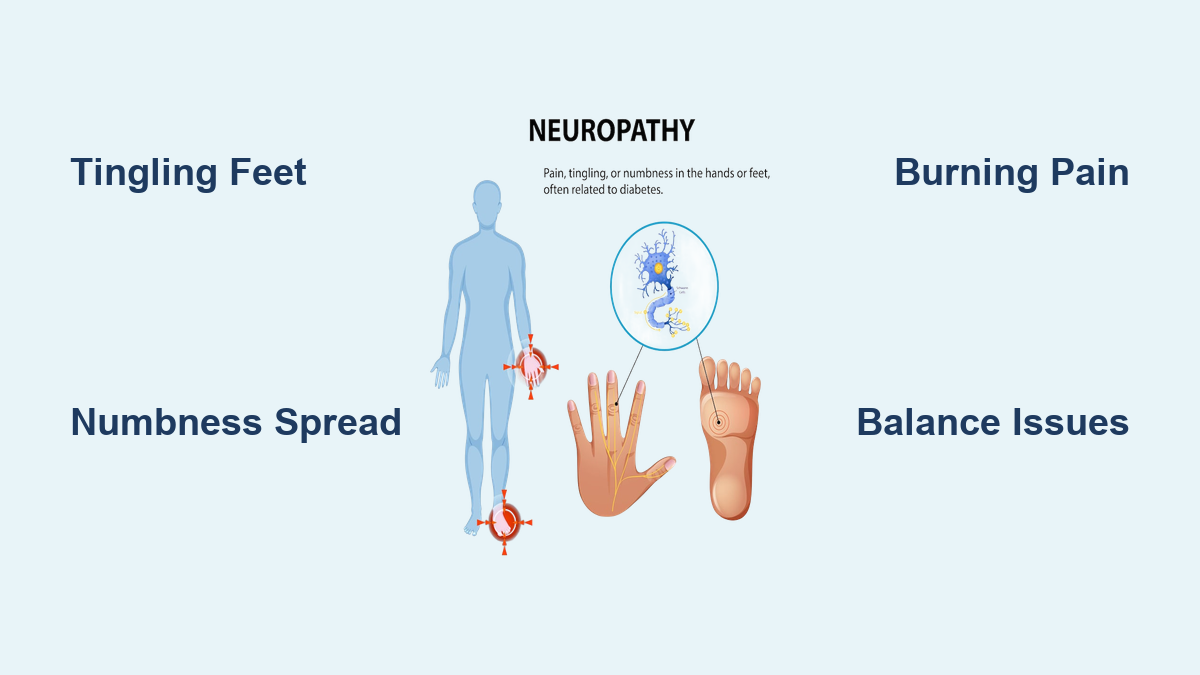
If your foot feels like it’s constantly tingling, burning, or going numb—especially when walking or standing—you may be dealing with a pinched nerve in the foot. This condition occurs when bones, ligaments, or swollen soft tissue press on a nerve, disrupting its ability to send signals properly. The result? Sharp, electric-like pain, a “pins and needles” sensation, or even muscle weakness that can make simple steps feel unbearable.
Left untreated, nerve compression can lead to chronic pain or permanent nerve damage. But here’s the good news: most cases respond well to conservative care. You don’t need surgery to find relief. With the right combination of rest, proper footwear, targeted exercises, and smart self-care, you can reduce inflammation, relieve pressure, and restore normal foot function. Whether your symptoms stem from tight shoes, flat feet, or an underlying condition like diabetes, this guide gives you a clear, step-by-step plan to heal—starting today.
Recognize the Warning Signs of Nerve Compression
Catching a pinched nerve early improves your chances of a fast recovery. Symptoms often develop gradually but can flare up during activity or after wearing uncomfortable shoes.
What a Pinched Nerve Feels Like
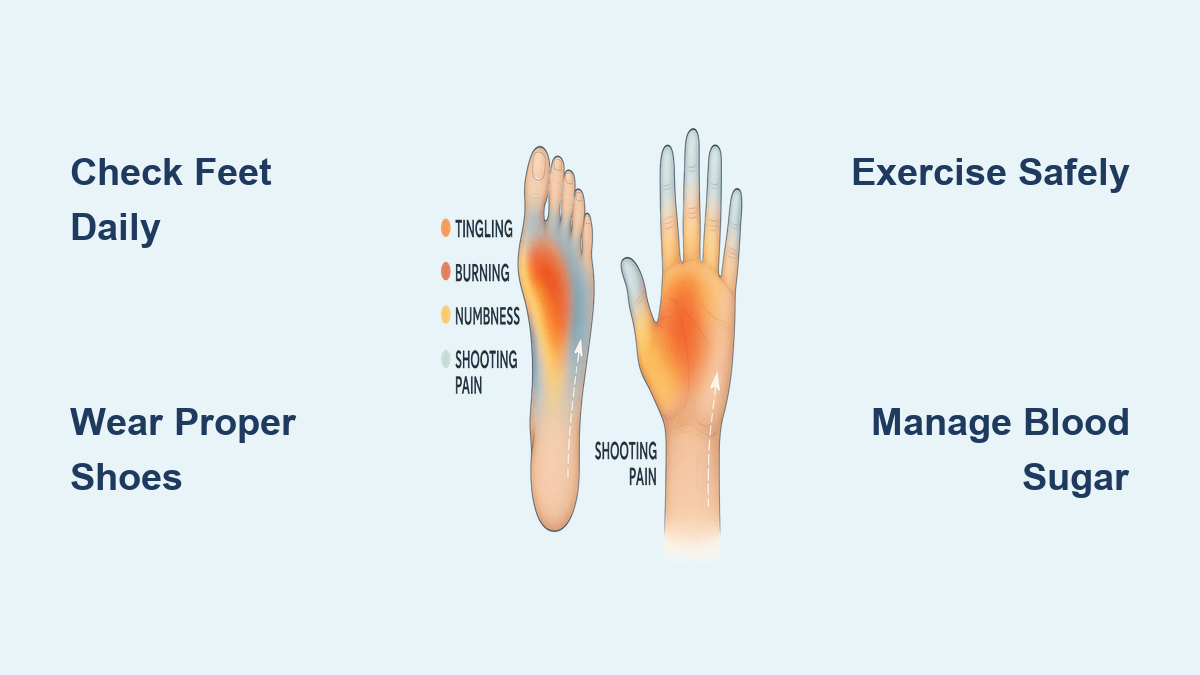
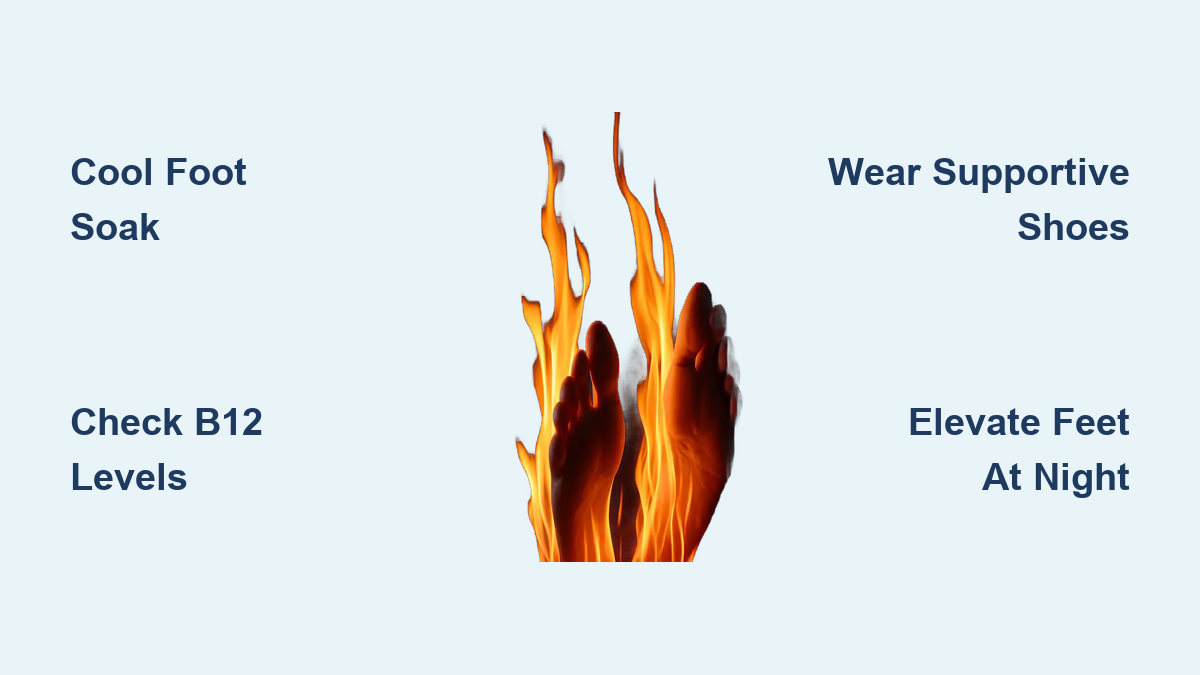
- Burning or sharp pain in the heel, ball of the foot, or arch
- Tingling or numbness spreading into the toes or sole
- Electric-like shocks with each step
- Muscle weakness, making it hard to grip the floor or stabilize your foot
- A persistent “fallen asleep” feeling that doesn’t go away
These symptoms often follow a nerve pathway. For example, tarsal tunnel syndrome causes pain along the inner ankle and sole, while Morton’s neuroma creates burning between the third and fourth toes. Unlike plantar fasciitis—which typically causes heel pain in the morning—nerve-related pain often worsens throughout the day or with pressure from shoes.
When to Take Action
Watch for red flags:
– Pain gets worse with walking or standing
– Numbness becomes constant
– Toes start curling or losing strength
– You notice swelling or a lump under the foot
Don’t wait: If numbness or weakness persists beyond 2–3 weeks, see a doctor. Ongoing compression can cause irreversible nerve damage.
Identify the Real Cause of Your Foot Pain

A pinched nerve isn’t random—it’s caused by pressure from surrounding structures or systemic health issues. Pinpointing the cause helps you choose the right treatment.
Structural and Mechanical Triggers
Bone Spurs and Joint Changes
Osteoarthritis can lead to bone spurs (osteophytes) that press on nerves near the heel or midfoot. Common in older adults or those with long-term foot strain.
Soft Tissue Masses
- Morton’s neuroma: Thickened nerve tissue between the third and fourth toes, often triggered by high heels.
- Ganglion cysts: Fluid-filled lumps near joints that may compress nerves.
Nerve Entrapment Syndromes
- Tarsal tunnel syndrome: The posterior tibial nerve is squeezed behind the ankle, causing sole-of-foot pain.
- Baxter’s nerve entrapment: Compression of a plantar nerve branch, mimicking plantar fasciitis but unresponsive to typical treatments.
Foot Deformities
- Bunions and hammertoes crowd the forefoot, increasing nerve pressure.
- Flat feet (overpronation) or high arches (pes cavus) alter weight distribution, straining nerves.
Lifestyle and Health-Related Causes
Poor Footwear
Narrow toe boxes, high heels, or unsupportive flats increase forefoot pressure. Common in runners, dancers, or office workers on their feet all day.
Underlying Medical Conditions
- Diabetes: Increases nerve swelling and sensitivity to compression.
- Rheumatoid arthritis: Inflamed joints can pinch nerves.
- Obesity: Extra weight amplifies pressure on foot structures.
Pro tip: If you have diabetes, even mild numbness needs prompt attention—early nerve issues can escalate quickly.
Confirm the Diagnosis with Medical Evaluation

Self-diagnosis can delay healing. A healthcare provider uses clinical and imaging tools to confirm nerve compression and rule out mimics like sciatica or peripheral neuropathy.
What to Expect at the Doctor’s Visit
Medical History Review
Your doctor will ask about:
– When symptoms started
– Activities that worsen or relieve pain
– Footwear habits
– History of diabetes, arthritis, or foot injuries
Physical Exam
- Palpation: Pressing on specific areas to reproduce pain (e.g., between metatarsal heads for Morton’s neuroma).
- Tinel’s sign: Tapping over the nerve to trigger tingling.
- Sensory testing: Checking light touch or pinprick response.
- Muscle strength tests: Assessing toe grip or arch stability.
Imaging and Nerve Tests
Ultrasound
Detects neuromas, cysts, or inflamed tendons in real time. Can show nerve swelling during movement.
MRI
Provides detailed soft tissue views. Best for diagnosing tarsal tunnel syndrome or deep nerve entrapments.
X-ray
Rules out bone spurs, fractures, or joint degeneration. Doesn’t show nerves but helps identify structural causes.
Electrodiagnostic Testing
- Nerve conduction studies (NCS): Measure signal speed through nerves.
- EMG (electromyography): Evaluates muscle response to nerve stimulation.
When to get tested: If symptoms last more than 2–3 weeks despite home care, imaging or nerve studies may be needed.
Immediate Home Treatments for Fast Relief
Start here for quick improvement. Most mild cases resolve in days to weeks with simple, consistent care.
Rest and Modify Activities
- Avoid running, jumping, or prolonged standing.
- Switch to low-impact exercise like swimming or cycling.
- Give the nerve time to heal by reducing repetitive stress.
Time estimate: 3–7 days of modified activity can significantly reduce inflammation.
Ice and Heat Therapy
Ice for Acute Pain
Apply an ice pack (wrapped in a towel) for 15–20 minutes, 3–4 times daily during the first 2–3 days.
Heat for Chronic Tightness
After swelling goes down, use a heating pad for 15 minutes to relax muscles and improve blood flow.
Visual cue: If your foot is swollen or warm, stick with ice.
Over-the-Counter Pain Relief
NSAIDs
- Ibuprofen (Advil, Motrin) or naproxen (Aleve) reduce pain and inflammation.
- Take with food to protect your stomach.
Acetaminophen
Use if NSAIDs aren’t safe (e.g., kidney issues). Relieves pain but not inflammation.
Caution: Don’t exceed recommended doses. Long-term use requires medical oversight.
Optimize Footwear and Add Support
Your shoes might be making things worse. The right footwear reduces pressure and prevents recurrence.
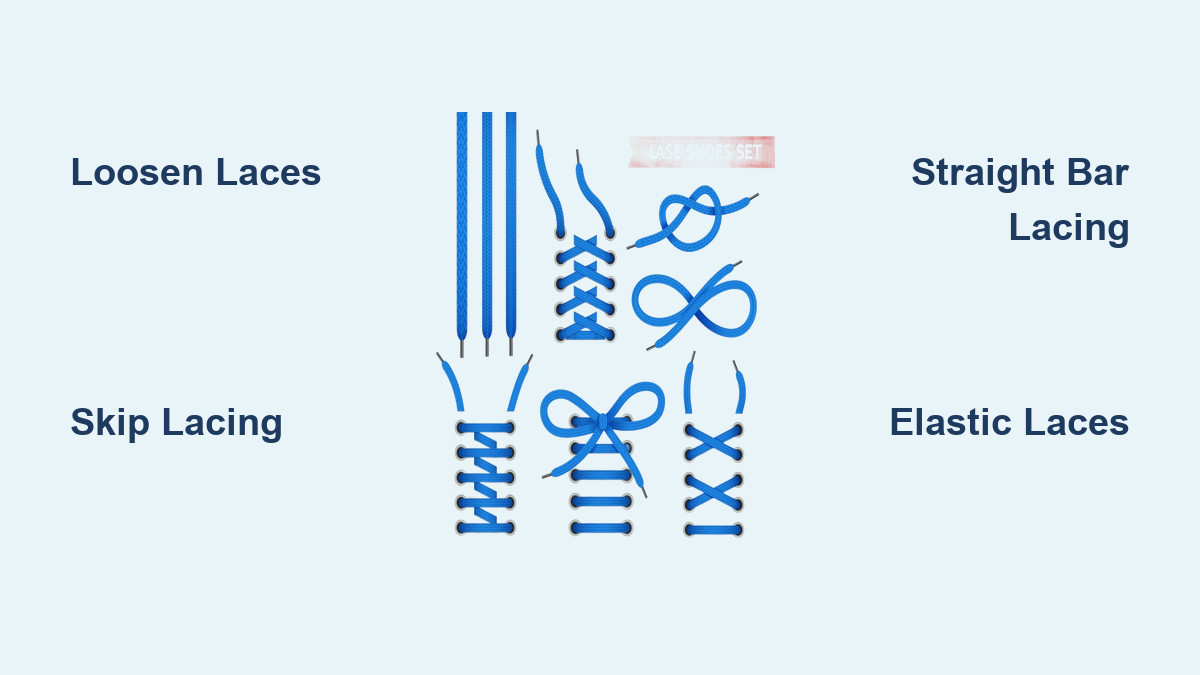
Choose the Right Shoes
- Wide toe box: Lets toes spread naturally.
- Low heel (under 1 inch): Reduces forefoot pressure.
- Cushioned midsole: Absorbs shock.
- Firm arch support: Stabilizes flat or high-arched feet.
Avoid: High heels, pointed toes, flip-flops, or worn-out sneakers.
Use Orthotics and Inserts
Prefabricated Insoles
Available over-the-counter. Look for metatarsal padding or arch support.
Custom Orthotics
Prescribed by a podiatrist after gait analysis. Corrects biomechanical imbalances.
Metatarsal Pads
Place just behind the ball of the foot to offload pressure from Morton’s neuroma.
Pro tip: Try neuropathy socks—seamless, moisture-wicking, and gentle on sensitive skin.
Soothe with Soaks and Massage
Daily habits like soaking and massage reduce swelling, relax tissues, and calm irritated nerves.
Epsom Salt Soaks
Mix ½ cup Epsom salt in warm water. Soak feet for 15–20 minutes daily. Magnesium may help reduce inflammation.
Best time: Evening, to relax before bed.
Self-Massage Techniques
Tools
- Tennis ball: Roll under arch, heel, and ball of foot.
- Peanut massage tool: Two connected balls for deep arch release.
- Foam roller: For calves and Achilles tendon.
How to Do It
- Sit and place the ball under your foot.
- Apply gentle pressure and roll slowly.
- Focus on tender spots for 30–60 seconds.
- Include calf muscles to relieve referred tension.
Frequency: 5–10 minutes, 1–2 times daily.
Topical Pain Relief
- Lidocaine patches or cream: Apply directly to painful area.
- Provides temporary numbing (lasts up to 1 hour).
- Safe for short-term use; avoid open wounds.
Strengthen and Stretch the Foot
Weak or tight muscles contribute to nerve compression. Daily exercises improve foot mechanics and prevent relapse.
Essential Stretches
Calf Stretch
Stand facing a wall, hands on wall. Step one foot back, keep heel down. Lean forward. Hold 30 seconds.
Tip: Bend the back knee slightly to target the deeper soleus muscle.
Plantar Fascia Stretch
Sit and pull toes back toward shin. Hold 30 seconds. Do this first thing in the morning.
Strengthening Exercises
Toe Grips
Place a towel on the floor. Use toes to scrunch it toward you. 10–15 reps, 2 sets.
Heel-to-Toe Raises
Stand barefoot. Rise onto toes, then roll back to heels. 10–15 reps.
Ankle Alphabet
Sit with leg extended. “Write” the alphabet with your big toe. Engages all ankle muscles.
Consistency matters: Do daily, even after pain fades.
Seek Medical Treatment if Home Care Fails
When symptoms persist, professional care can stop nerve damage and restore function.
Physical Therapy
A therapist may include:
– Manual therapy: Hands-on soft tissue release.
– Gait training: Corrects walking patterns.
– Strengthening programs: Targets foot and calf muscles.
Recommended: 2–3 sessions per week for 4–6 weeks.
Prescription Treatments
Corticosteroid Injections
Injected near the nerve (e.g., for Morton’s neuroma). Reduces inflammation fast. Limited to 2–3 per year.
Oral Medications
- Gabapentin or pregabalin: Calm overactive nerves.
- Amitriptyline or nortriptyline: Block pain signals, especially at night.
Side effects: Drowsiness, dizziness. Start low, go slow.
Immobilization
A walking boot or ankle brace may be prescribed for 2–4 weeks to limit motion and allow healing.
Consider Surgery Only as a Last Resort

Surgery is rare but effective if conservative care fails after 6–12 weeks.
Who Needs It?
- Unrelenting pain that disrupts sleep or daily life
- Progressive muscle weakness
- Confirmed nerve entrapment on imaging
Common Procedures
- Nerve decompression: Releases compressed nerves (e.g., tarsal tunnel).
- Neuroma excision: Removes thickened nerve tissue. May cause numbness.
- Bone spur removal: Shaves off osteophytes pressing on nerves.
Recovery time: 4–12 weeks, depending on procedure.
Prevent Recurrence with Daily Habits
Healing doesn’t end when pain fades. Long-term prevention stops the cycle.
Daily Prevention Steps
- Wear supportive shoes every day, even at home.
- Inspect feet daily—especially if diabetic.
- Stretch calves and feet each morning.
- Maintain a healthy weight to reduce foot load.
Manage Underlying Conditions
- Control blood sugar if diabetic.
- Treat arthritis early.
- Correct B vitamin deficiencies (B1, B6, B12).
Pro tip: Swap alcohol for hydrating fluids—alcohol depletes B vitamins essential for nerve repair.
Know When to See a Doctor
Self-care works for mild cases, but don’t ignore warning signs.
Red Flags
- Symptoms last longer than 3 weeks
- Weakness or numbness spreads
- Pain wakes you at night
- Visible swelling or lumps
- You have diabetes or rheumatoid arthritis
Who to Consult
- Podiatrist: Best for structural or biomechanical causes.
- Neurologist: If nerve damage is widespread.
Early diagnosis prevents chronic pain. Delaying care risks permanent sensory loss.
Track Healing and Recovery Progress
Nerves heal slowly—expect progress over weeks, not days.
Signs of Improvement
- Pain becomes less intense or less frequent
- Tingling episodes shorten in duration
- You can walk farther without discomfort
- Normal sensation and strength return gradually
Encouragement: Even small gains mean the nerve is recovering.
Recovery Timeline
- Mild cases: 1–3 weeks
- Moderate cases: 4–12 weeks
- Severe cases: 3–6 months
Patience is key: Nerves regenerate at about 1 inch per month.
Final Note: Most pinched nerves in the foot heal with simple, consistent care. Start with rest, proper shoes, and daily stretches. Add massage, orthotics, and OTC meds as needed. If symptoms persist, don’t wait—see a specialist to protect your nerve health. With the right approach, you can walk pain-free again.