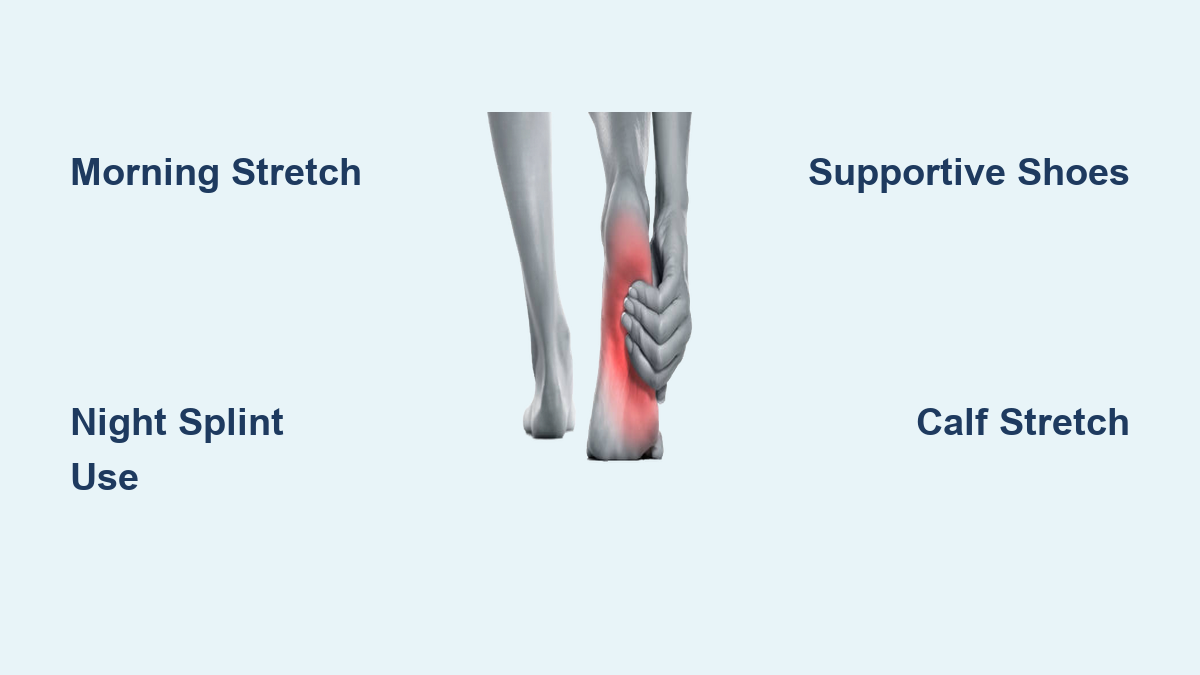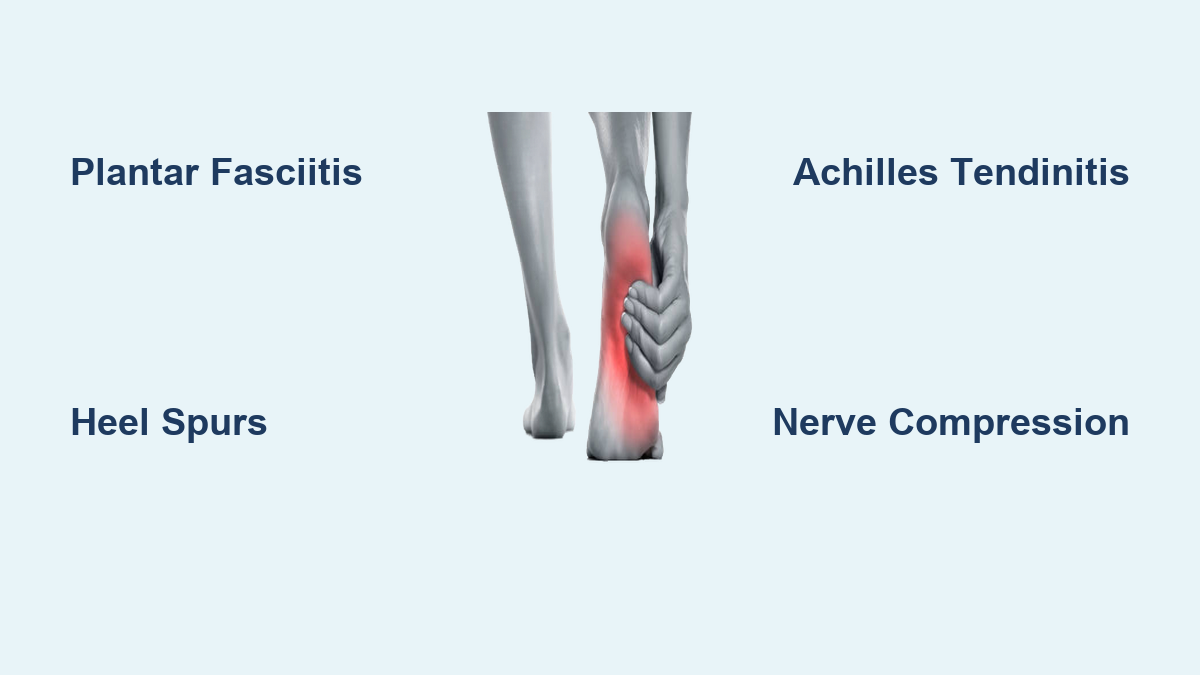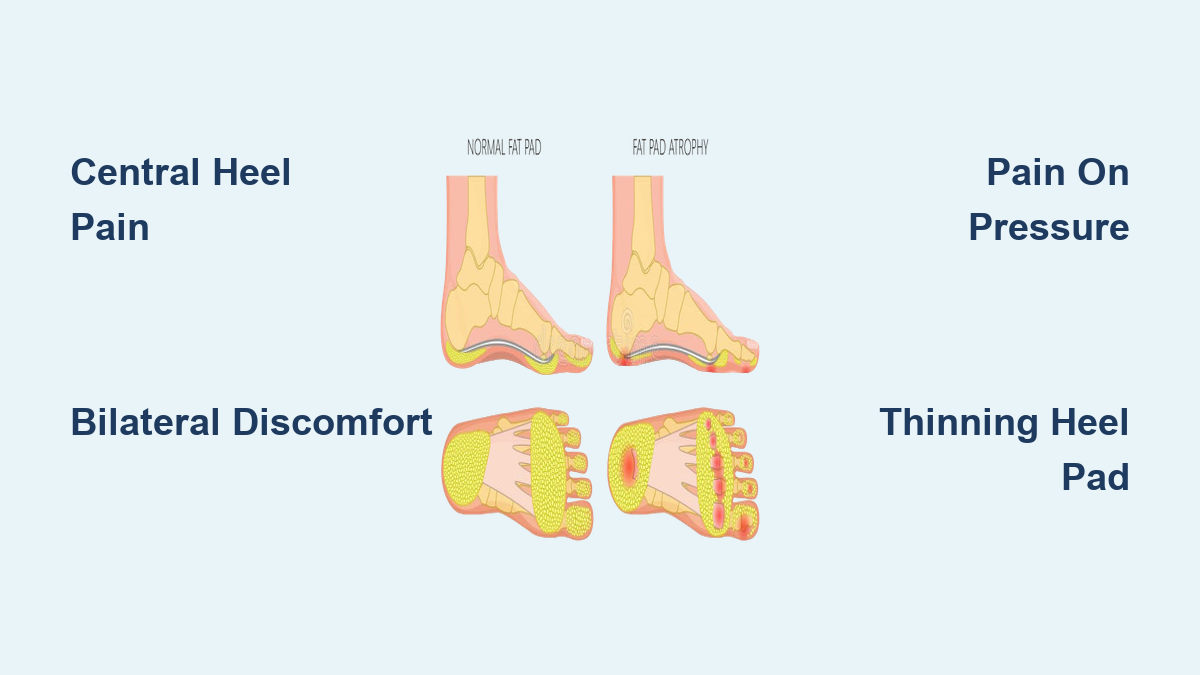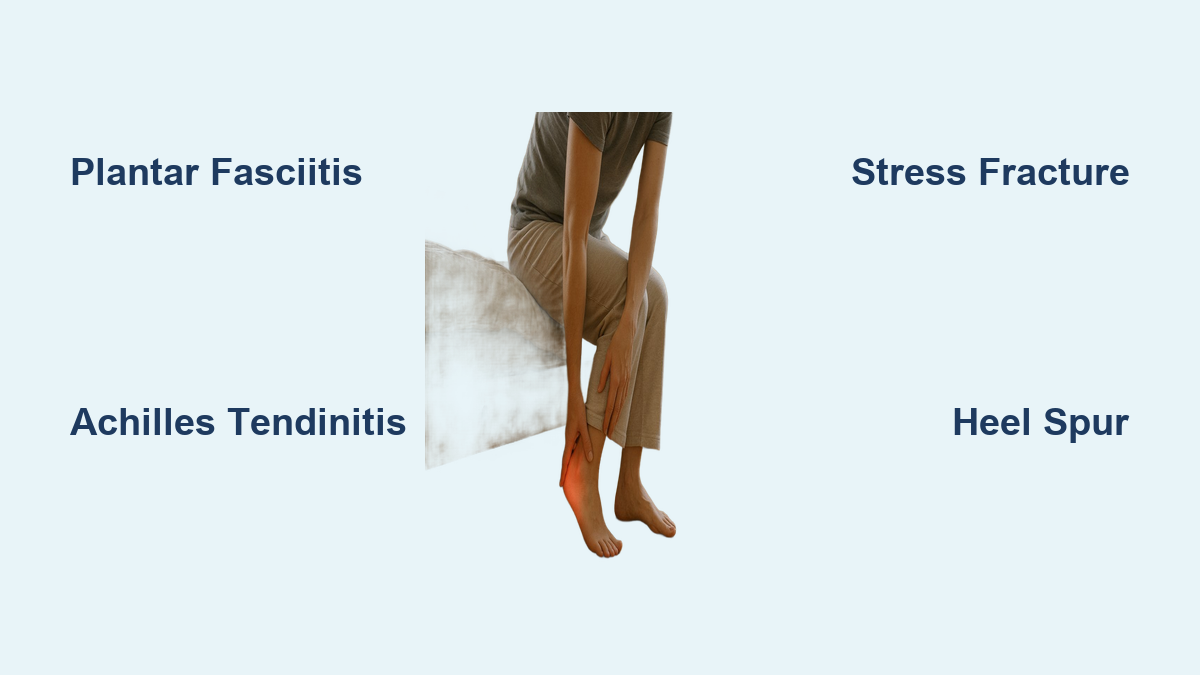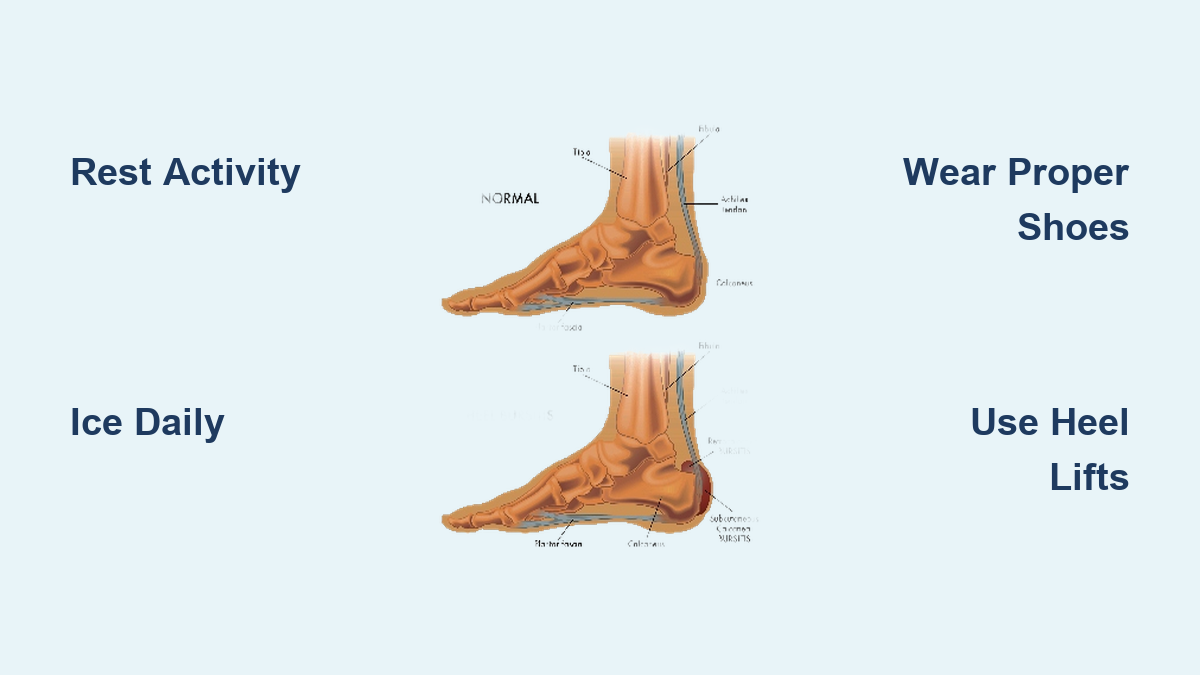
If you’ve noticed a deep, aching pain at the back of your heel that flares when you walk, climb stairs, or wear closed shoes, you may be dealing with bursitis pain in the heel. This condition occurs when the small, fluid-filled sacs—called bursae—that cushion the heel become inflamed due to repetitive pressure or irritation. Unlike plantar fasciitis, which affects the bottom of the heel, bursitis typically causes discomfort at the back of the heel, especially where the Achilles tendon attaches.
The good news is that most cases of heel bursitis respond well to conservative, non-invasive treatments—especially when caught early. Whether your pain stems from overuse, tight footwear, or underlying foot mechanics, targeted strategies like heel lifts, proper shoes, and smart rest can significantly reduce inflammation and speed recovery. In this guide, you’ll learn how to identify the type of bursitis you have, avoid common mistakes (like aggressive stretching), and apply proven methods to relieve pain and prevent recurrence.
Identify Whether You Have Retrocalcaneal or Subcutaneous Bursitis

Knowing which bursa is inflamed is key to choosing the right treatment.
Retrocalcaneal Bursitis: Deep Heel Pain Behind the Achilles
This type affects the bursa located between the heel bone and the Achilles tendon. It causes deep, localized pain that worsens when you bend your ankle upward (dorsiflexion), such as when walking uphill or climbing stairs. The area may feel tender to touch, and pain often increases with shoe pressure—especially from stiff heel counters. It’s frequently mistaken for Achilles tendinitis, but unlike tendon pain, retrocalcaneal bursitis is more about compression than overuse of the tendon itself.
Subcutaneous Calcaneal Bursitis: Surface-Level Swelling and Redness
This form involves the bursa between the skin and the Achilles tendon. You may notice visible puffiness, warmth, or redness right at the back of the heel. It’s commonly triggered by shoes that rub or press against the heel, making it especially sensitive to tight footwear. Because it’s closer to the skin, the inflammation is more apparent and often easier to distinguish from other conditions.
Important Note: If your pain is under the heel, especially worse in the morning, you likely have plantar fasciitis, not bursitis. Accurate identification ensures you don’t waste time on ineffective treatments.
Stop Activities That Aggravate Your Heel Immediately
Continuing to push through pain only worsens inflammation and prolongs healing. Rest is not optional—it’s essential.
What to Avoid:
- Running, jumping, or fast walking, especially on hard surfaces
- Hill training or stair climbing, which increases strain on the Achilles
- Standing for long periods on concrete or tile floors
What to Do Instead:
- Switch to low-impact exercises like swimming, cycling, or using an elliptical machine
- Keep moving safely—complete rest isn’t necessary, but stress on the heel must be reduced
How Long to Rest:
- Mild cases: 3–7 days of modified activity
- Moderate to severe: 2–3 weeks with significant load reduction
Warning: Returning to high-impact activities too soon—before pain and swelling resolve—can lead to chronic bursitis or secondary tendon damage.
Apply Ice to Reduce Inflammation and Pain
Cold therapy is one of the most effective ways to control inflammation, especially in the first 72 hours of a flare-up.
Best Ways to Ice:
- Ice packs: Wrap in a thin towel and apply for 15–20 minutes every 2–3 hours
- Ice massage: Freeze water in a paper cup, peel back the top, and rub the ice directly on the painful area for 10–12 minutes. This targets the bursa more precisely.
When to Ice:
- After any activity, even light walking
- At the end of the day
- Whenever the heel feels warm or swollen
Pro Tip: Consistent icing can reduce recovery time by several days. Don’t skip it just because the pain feels “manageable.”
Wear Shoes with an Achilles Notch and Cushioned Support

Your footwear may be causing—or curing—your heel pain.
Choose Shoes That:
- Have a soft, flexible heel counter (the back part of the shoe)
- Include an Achilles notch—a U- or V-shaped cutout that relieves pressure on the tendon and bursa
- Offer good arch support and shock absorption
Avoid:
- Tight or rigid shoes (common in dress shoes or stiff sneakers)
- Flat footwear like flip-flops, ballet flats, or barefoot-style shoes
- Walking barefoot, especially on hard or uneven surfaces
Recovery Hack:
Wear open-back clogs or sandals during flare-ups to eliminate heel compression while staying mobile.
Use Heel Lifts to Reduce Pressure on the Bursa

Elevating the heel is one of the most effective ways to relieve bursal compression.
How to Use Heel Lifts:
- Insert 2–10 mm lifts into both shoes to prevent leg length imbalance
- Start with 4 mm and adjust based on comfort
- Use them in all types of footwear, not just athletic shoes
Types Available:
- Over-the-counter felt or silicone heel cups
- Custom orthotics with built-in heel elevation
Expert Insight: Even shoes with a slight heel (6–10 mm) help offload the bursa. Avoid zero-drop or minimalist shoes during recovery.
Do Not Stretch the Achilles Tendon During a Flare-Up
Contrary to popular belief, stretching makes retrocalcaneal bursitis worse during active inflammation.
Why?
Stretching pushes the inflamed bursa directly against the heel bone, increasing pain and delaying healing.
What to Do Instead:
- Use a foam roller or massage gun on the calf muscles (above the heel)
- Perform gentle ankle mobility drills, like tracing the alphabet in the air with your toes
- Wait until pain and swelling are gone before attempting any calf or Achilles stretches
Myth Busted: The “tight calf” sensation during bursitis is usually due to pain inhibition, not true muscle tightness.
Try NSAIDs and Topical Pain Relievers for Short-Term Relief
Medications can help manage pain and reduce inflammation—but they’re not a long-term fix.
Effective Options:
- Oral NSAIDs: Ibuprofen (Advil) or naproxen (Aleve), taken as directed for up to 7–10 days
- Topical treatments: Diclofenac gel or lidocaine patches applied directly to the heel
Important Notes:
- Combine medication with rest, ice, and mechanical changes—don’t rely solely on pills
- Long-term NSAID use can cause stomach ulcers or kidney issues; consult your doctor if pain persists beyond 2 weeks
Red Flag: If you develop fever, red streaks, or pus, do not self-treat—seek medical care immediately. These may indicate infected (septic) bursitis.
Start Physical Therapy to Strengthen and Rebalance Your Gait
Physical therapy helps correct movement patterns that contribute to heel stress.
Key PT Approaches:
- Calf and foot strengthening: Towel scrunches, marble pickups, heel raises (once pain allows)
- Hip and glute activation: Improves overall lower limb mechanics and reduces load on the heel
- Gait analysis: Identifies overpronation or other imbalances needing correction
Home Exercise: The Alphabet Game
Sit with your leg extended and “write” the alphabet in the air using your big toe. This gently restores ankle motion without compressing the bursa.
Caution: Eccentric heel drops (common for Achilles rehab) should only be done under supervision if insertional tendinopathy is present—they can worsen bursitis if used incorrectly.
Explore Advanced Treatments for Persistent Pain
If symptoms last more than 4–6 weeks, advanced options may help.
Ultrasound-Guided Corticosteroid Injection
- Delivers anti-inflammatory medication directly into the bursa
- Must be done under ultrasound guidance to avoid damaging the Achilles tendon
- Limit to 1–2 injections due to risk of tendon weakening
Aspiration of Bursal Fluid
- A needle removes excess fluid to relieve pressure
- Fluid can be tested for infection or gout crystals if suspected
Shockwave Therapy (ESWT)
- Non-invasive sound waves stimulate healing
- Typically requires 3–5 sessions
- No downtime, though mild discomfort may occur during treatment
Prevent Recurrence with Smart Foot Habits
Once pain resolves, prevention keeps bursitis from returning.
Prevention Checklist:
- ✅ Wear supportive shoes with an Achilles notch
- ✅ Gradually increase activity—no sudden spikes
- ✅ Warm up with dynamic movements before exercise
- ✅ Strengthen calves, feet, and hips regularly
- ✅ Maintain a healthy weight to reduce foot load
- ✅ Use heel lifts if prone to heel pain
- ✅ Avoid prolonged barefoot walking
Pro Tip: Rotate your shoes daily to reduce repetitive stress on the same areas.
Know When to See a Doctor
Most cases improve at home, but some need professional care.
See a Doctor If:
- Pain worsens after 1–2 weeks of self-care
- You can’t bear weight on the foot
- Signs of infection (fever, spreading redness, pus)
- History of gout, arthritis, or diabetes
- Pain radiates up the leg or includes numbness
Who to See:
- Podiatrist: Foot and ankle specialist
- Orthopedist: Bone and joint expert
- Sports medicine physician: Best for active individuals
They may order ultrasound or MRI to confirm the diagnosis or rule out structural damage.
Understand the Typical Recovery Timeline
Healing varies, but knowing what to expect helps you stay consistent.
Recovery Phases:
- Weeks 1–3: Pain and swelling decrease with rest, ice, and proper footwear
- Weeks 4–8: Gradual return to activity with strengthening and PT
- Months 3–12: For chronic cases, especially with biomechanical or systemic issues
Fact: The biggest predictor of recovery is adherence to treatment—especially avoiding aggravating shoes and activities.
Avoid Common Mistakes That Delay Healing
Even with the right tools, people often prolong recovery by making simple errors.
Top Mistakes to Avoid:
- ❌ Stretching the Achilles too early
- ❌ Wearing unsupportive shoes during recovery
- ❌ Returning to running before pain resolves
- ❌ Ignoring early warning signs
- ❌ Getting corticosteroid injections without imaging
Reality Check: Heel bursitis is a compression injury, not a strength problem. Treatment must focus on offloading, not loading.
Summary: 10 Proven Steps to Relieve Heel Bursitis Pain
You can beat heel bursitis with the right approach:
- Rest and avoid high-impact activities
- Ice the heel 3–4 times daily
- Wear shoes with an Achilles notch and avoid barefoot walking
- Use heel lifts (2–10 mm) in both shoes
- Avoid calf and Achilles stretching during flare-ups
- Take NSAIDs or use topical gels for short-term relief
- Start physical therapy to improve strength and movement
- Try shockwave therapy or injection (if guided by a doctor)
- See a specialist if pain persists or signs of infection appear
- Prevent recurrence with proper shoes, gradual training, and foot strengthening
With consistent care, most people recover fully within weeks—not months. The key is acting early, avoiding common pitfalls, and treating the root cause: excessive pressure on the bursa.
Final Note: Heel bursitis is manageable, but only if you treat it correctly. Focus on reducing compression, not stretching through pain. Your heels—and your mobility—will thank you.