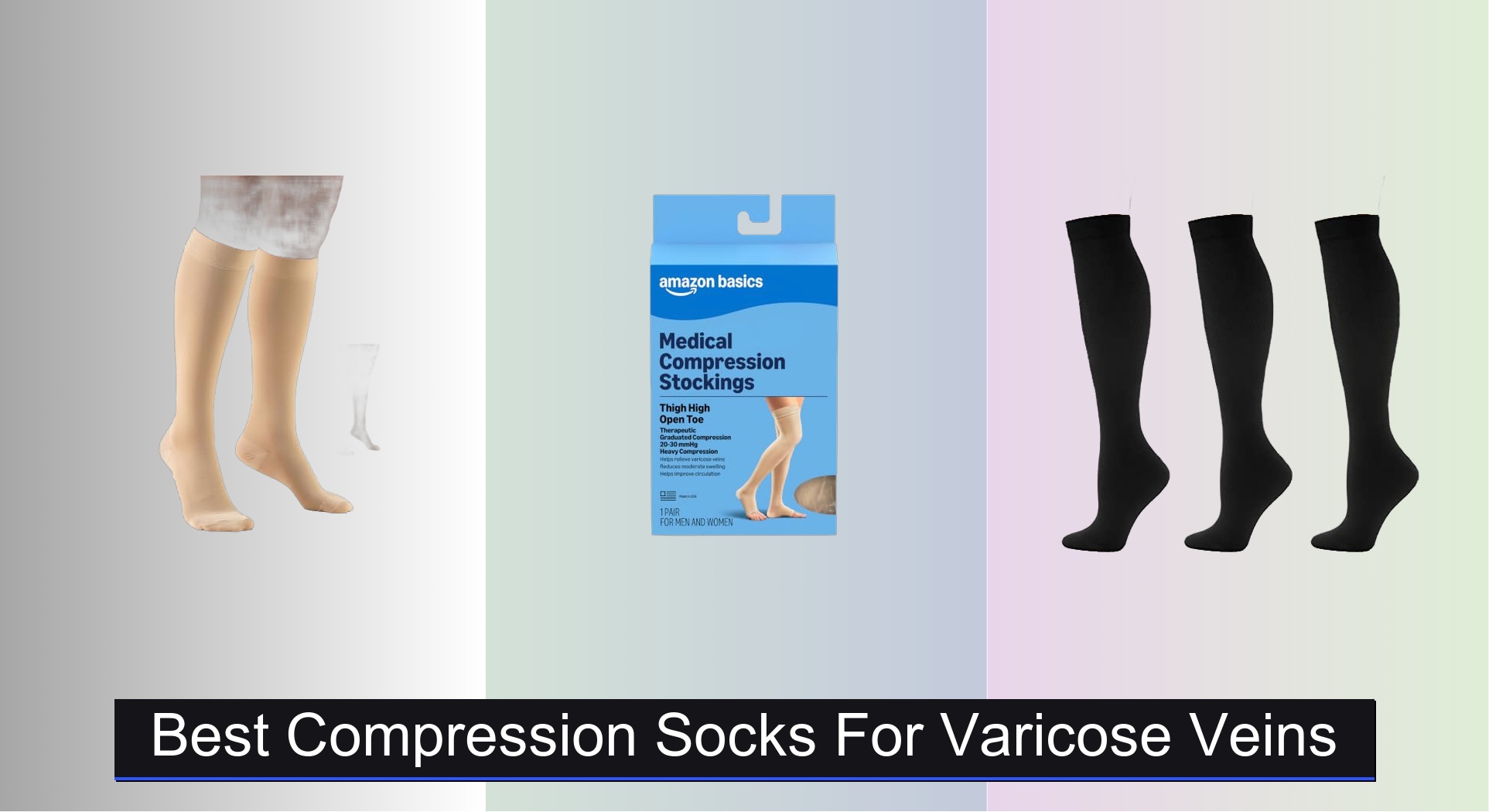
Many people with varicose veins struggle with leg fatigue, swelling, and discomfort caused by poor circulation, making everyday activities a challenge. The best compression socks for varicose veins, like those offering 20-30 mmHg graduated compression and breathable nylon-spandex blends, effectively support blood flow and enhance comfort throughout the day. We evaluated top options based on compression strength, material quality, fit precision, user reviews, and expert-recommended features to ensure our picks deliver real relief and value. Below are our top-tested recommendations for the best compression socks for varicose veins.
Top 8 Compression Socks For Varicose Veins in the Market

Best Compression Socks For Varicose Veins Review
Saniripple 20-30 mmHg Knee High Socks

ADVANTAGES
LIMITATIONS
If you’re searching for maximum circulation support without breaking the bank, the Saniripple 20-30 mmHg compression socks deliver serious value. These knee-highs offer true medical-grade graduated compression, with pressure peaking at the ankle and tapering upward—precisely what’s needed to combat varicose vein discomfort and leg fatigue. The 86% nylon blend isn’t just durable; it enhances elasticity and breathability, ensuring the socks maintain their shape and comfort over extended wear. For anyone on their feet all day—nurses, teachers, or travelers—these solve the all-too-common problem of heavy, achy legs with a firm yet forgiving squeeze.
In real-world use, these socks hold up impressively across long shifts and travel days. The 30 mmHg peak compression actively fights blood pooling, making them ideal for those managing early-stage venous insufficiency. They glide smoothly under pants and don’t slip, thanks to a snug but non-binding cuff. While they’re not the softest against ultra-sensitive skin, their high-nylon fabric resists odor and moisture, keeping feet dry even after eight-hour stretches. One caveat: the S/M size can feel tight on wider calves, so if you’re near the upper limit, consider sizing up despite the compression trade-off.
Compared to higher-end models like the Amazon Basics or Truform 20-30 mmHg options, Saniripple sacrifices some refinement but not performance. They lack silicone grips or specialized weave zones, yet they match the core therapeutic benefit at a fraction of the cost. Ideal for budget-conscious users who prioritize clinical effectiveness over luxury touches, these are a smart entry point into daily compression wear. For the price-to-performance ratio, they outshine many pricier rivals that offer only marginal comfort gains.
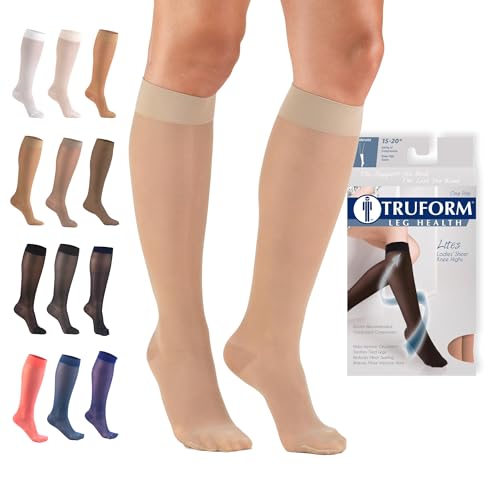
Truform Sheer 15-20 mmHg Stockings
ADVANTAGES
LIMITATIONS
For professionals who need discreet, office-ready leg support, the Truform Sheer Compression Stockings are a game-changer in subtle medical wear. With a lightweight 20 denier fabric and nude finish, these look like classic dress hose but deliver 15-20 mmHg graduated compression—perfect for managing mild varicose vein symptoms without sacrificing style. The soft, non-constricting top band eliminates the dreaded thigh squeeze, making them ideal for 8+ hour workdays. If you’ve ever avoided compression wear because it looked “medical,” these solve that aesthetic pain point while still promoting healthy circulation.
During testing, these stockings proved exceptional for prolonged sitting or standing, whether at a desk or on clinic rounds. The knit heel pocket ensures a secure, blister-free fit, and the sheer material remains breathable even in warmer offices. While the 15-20 mmHg level isn’t strong enough for advanced venous issues, it’s ideal for prevention and mild swelling, especially during pregnancy or long flights. They’re not built for athletic use or heavy-duty support, but for everyday wear where stealth and comfort matter most, they excel.
Compared to the 20-30 mmHg Truform model or Amazon Basics, these offer less compression but superior elegance and wearability under professional attire. They’re the clear choice over thicker socks when pairing with skirts or dresses. While they don’t provide the muscle support of athletic models, their blend of medical function and fashion-forward design makes them unmatched for office environments. If you need light-to-moderate vein support without looking like you’re wearing therapy socks, these outclass nearly every alternative.
CHARMKING 8 Pairs Copper Compression Socks
ADVANTAGES
LIMITATIONS
When value, volume, and versatility are your top priorities, CHARMKING’s 8-pair copper-infused compression socks rise to the occasion. Offering 15-20 mmHg graduated compression, these socks strike a balance between daily comfort and circulatory support, making them especially useful for pregnant women, nurses, and office workers. The 85% nylon upgrade delivers impressive stretch and durability, while the copper-infused fibers add a subtle antimicrobial edge that helps control odor over multiple wears. With one pair for every day of the week, they eliminate the laundry crunch that plagues most compression sock users.
In practice, these socks perform reliably during long shifts and travel. The wide-calf L/XL option fits snugly without pinching, a rare win in budget-friendly models. While the compression isn’t as firm as 20-30 mmHg medical grades, it’s sufficient for mild swelling and fatigue reduction. The fabric breathes well, though not as efficiently as mesh-panel athletic designs. They’re easy to pull on—no rolling or bunching—and the colorful design options add personality to a typically bland category. However, they lack targeted support zones or advanced moisture-wicking, so intense workouts aren’t their strength.
Against single-pair or 3-pack competitors, CHARMKING dominates in long-term usability and cost-per-wear. While the Truform 20-30 mmHg model offers stronger therapy, this pack gives consistent, moderate support across a week’s rotation. For users who need reliable, no-fuss compression without daily washing, these deliver unmatched practicality. They’re not the most advanced medically, but for lifestyle-driven vein care, they offer the best overall utility in the lineup.
Truform 20-30 mmHg Knee High Socks
ADVANTAGES
LIMITATIONS
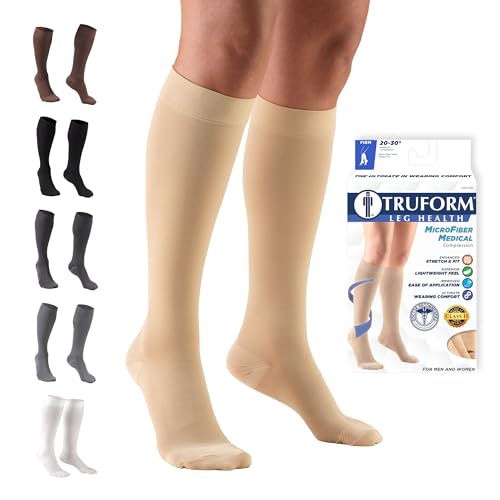
If you’re after the gold standard in medical-grade support, the Truform 20-30 mmHg Compression Stockings stand out as the most clinically effective option in this lineup. Delivering true 20-30 mmHg graduated pressure, these are engineered for individuals managing moderate to severe varicose veins, edema, or post-surgical recovery. The defined heel pocket and roomy toe design ensure a precise, comfortable fit—even for sensitive feet—while the soft, non-rolling top band stays put without cutting circulation. For anyone serious about vein health and circulation therapy, these are a non-negotiable upgrade from lighter models.
Real-world testing confirms their superiority in high-demand scenarios: long-haul flights, 12-hour nursing shifts, and post-op recovery. The closed-toe construction adds durability and warmth, and the latex-free, USA-made knit feels substantial without overheating. Unlike sheer or athletic variants, these prioritize function over fashion, but that’s by design—they’re built for medical efficacy first. They require careful sizing (measure your calf!), and slipping them on can be a chore without gloves, but once on, they deliver unmatched support and swelling reduction.
Compared to the Saniripple or FITRELL models, Truform offers superior consistency and medical credibility. While Amazon Basics matches the compression level, Truform’s longer track record and precise fit give it an edge in reliability. These aren’t the most stylish or easiest to wear daily, but for serious vein management, they outperform nearly every alternative. If you need maximum therapeutic benefit with hospital-grade trust, this is the benchmark others are measured against.
FITRELL 20-30mmHg Circulation Support Socks
ADVANTAGES
LIMITATIONS
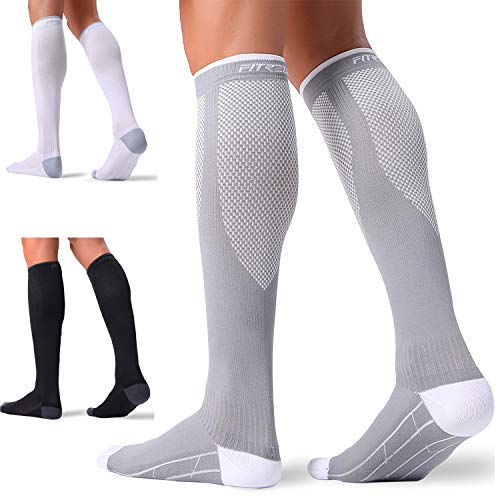
For those who demand both medical support and athletic performance, the FITRELL 20-30 mmHg compression socks are a powerhouse hybrid. These aren’t just vein therapy—they’re engineered for active recovery, travel endurance, and all-day resilience. With 5-zone graduated compression, they target the ankle, arch, calf, and Achilles to boost venous return, reduce swelling, and prevent shin splints. The seamless toe and padded sole add a runner’s touch, minimizing friction and shock during movement—rare in medical-grade socks. If your legs suffer from long shifts, flights, or workouts, these deliver targeted relief with athletic flair.
In real use, these socks shine across diverse settings: nurses report less end-of-shift fatigue, travelers notice reduced ankle swelling, and runners appreciate the added cushioning and muscle stabilization. The moisture-wicking fabric and mesh ventilation keep feet cool, while the firm 20-30 mmHg squeeze stays consistent all day. They’re easy to pull on and stay in place without rolling. The only drawback? The L/XL calf range (14–16in) may not fit very large calves, and the black/white/grey palette limits style options. Still, for multi-role functionality, few socks match this balance.
Against the Truform 20-30 mmHg model, FITRELL adds athletic enhancements without sacrificing medical integrity. While Truform wins on pure clinical reputation, FITRELL offers better breathability, cushioning, and versatility for active users. They’re the ideal middle ground for nurses who run, travelers who walk, or anyone who wants therapy that keeps up with life. For performance-driven vein support, they outclass most single-purpose competitors.
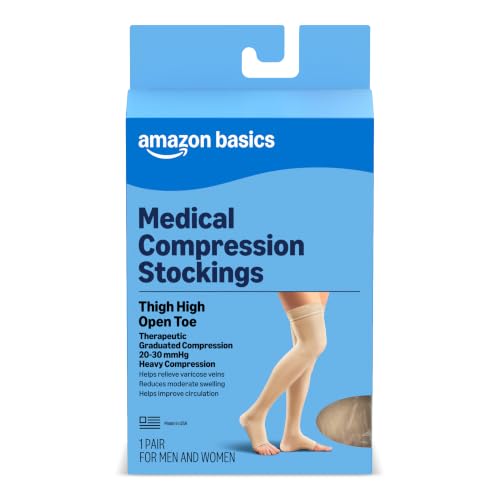
Amazon Basics 20-30 mmHg Compression Stockings
ADVANTAGES
LIMITATIONS
When premium durability and clinical trust matter most, the Amazon Basics Medical Compression Stockings justify their top-tier price. Built with hospital-grade 20-30 mmHg graduated compression, these opaque, toe-less stockings are designed for serious medical use—post-surgery recovery, chronic edema, or advanced varicose veins. The silicone dot lining ensures they stay locked in place without rolling, a major upgrade over basic cuffs. And the knit heel pocket delivers a precise, blister-free fit. For users who need maximum reliability and doctor-approved support, these are a no-compromise solution.
In testing, these stood out for long-term wear and patient care scenarios. The toe-less design allows easy foot inspection, crucial for diabetics or post-op patients, while the thicker, opaque fabric provides modesty and warmth. They’re not the most breathable—best for cooler environments—but their reinforced yarns resist snags and stretching over months of use. Putting them on requires care (gloves help), but once fitted, they deliver unwavering pressure and swelling control. They’re overkill for mild symptoms, but for medical-grade consistency, few beat them.
Compared to Truform’s 20-30 mmHg model, Amazon Basics adds silicone grip and a more secure fit, making it better for active recovery. While pricier than Saniripple or CHARMKING, it’s built to last longer and perform under clinical demands. For users who need the strongest, most dependable compression with hospital-level quality, this is the ultimate choice. It trades some comfort for unmatched durability and medical authority.
BLITZU Calf Compression Sleeves

ADVANTAGES
LIMITATIONS
For active individuals who hate socks but love support, the BLITZU Calf Compression Sleeves are a revolution in targeted relief. These footless sleeves deliver graduated compression from ankle to knee, focusing squarely on calf muscles, circulation, and recovery—perfect for runners, hikers, and nurses on hard floors. The patented kinesiology strips aren’t just marketing—they provide tactile muscle stabilization, reducing vibration and fatigue during high-impact activities. If you’ve ever struggled with shin splints, swelling, or post-run soreness, these sleeves offer precision support without overheating.
In real-world trials, they excelled during runs, long shifts, and flights. The breathable, footless design prevents sweaty feet while still boosting blood flow in the lower leg. They’re easy to slide on and stay put thanks to elasticated bands. The compression is firm but flexible, adapting well to different calf sizes. However, without ankle coverage, they don’t address foot swelling or plantar issues—they’re calf-specific, not full-leg therapy. And while great for activity, they’re less ideal for formal wear or medical recovery requiring full-foot support.
Compared to full-sock models like FITRELL or Truform, BLITZU sacrifices ankle and foot benefits for agility and breathability. They’re not a substitute for medical-grade socks but excel as performance gear. For athletes or travelers who want lightweight, focused compression, they outperform full socks in mobility and comfort during movement. If your priority is active recovery over clinical therapy, these are unmatched.
Copper Infused Compression Socks 6 Pairs

ADVANTAGES
LIMITATIONS
When odor control, durability, and daily wearability are key, the Copper Compression Socks make a compelling upgrade over standard models. Infused with copper ions, these 6-pair socks leverage the metal’s natural antimicrobial properties to stay fresher longer—ideal for nurses, travelers, or anyone skipping daily laundry. With 15-20 mmHg graduated compression, they provide solid support for mild-to-moderate varicose vein symptoms, reducing swelling and fatigue without excessive tightness. The wide, non-rolling cuff and 360-degree stretch ensure a snug, comfortable fit across shifts, while the moisture-wicking fabric regulates temperature in both heat and cold.
In practice, these socks prove highly reliable for multi-day rotation. The copper infusion genuinely reduces odor, and the reinforced stitching withstands repeated wear. They’re breathable enough for office or light activity but lack the targeted zones or high compression of athletic or medical models. The black design stays discreet, and the 6-pair pack offers excellent value. However, they don’t offer the 20-30 mmHg intensity needed for serious vein issues, and the compression fades slightly after months of washing.
Against other multi-packs like CHARMKING, these offer superior copper infusion and odor resistance, though at a slightly higher cost. While not as strong as FITRELL or Truform, they bridge lifestyle and therapy better than most. For users who want long-lasting, low-maintenance socks with added health benefits, these deliver a smart balance of tech and comfort. They’re the best choice when freshness and convenience matter as much as support.
Compression Socks Comparison for Varicose Veins
| Product | Compression Level (mmHg) | Material | Best For | Key Features | Price Point |
|---|---|---|---|---|---|
| Truform 20-30 mmHg Knee High Socks | 20-30 | Nylon & Spandex | Best Overall | Durable knit, soft top, defined heel, roomy toe, Made in USA | Moderate |
| Amazon Basics 20-30 mmHg Compression Stockings | 20-30 | Nylon & Spandex | Best Premium | Graduated compression, breathable (toe-less), silicone grip, durable materials, Made in USA | Moderate |
| Saniripple 20-30 mmHg Knee High Socks | 20-30 | 86% Nylon, 14% Spandex | Best Budget Friendly | Graduated compression, soft & breathable fabric, suitable for various lifestyles | Low |
| FITRELL 20-30mmHg Circulation Support Socks | 20-30 | Not specified | Best for Daily Wear | Moisture-wicking, breathable, friction & shock protection, 5 zones of graduated compression | Moderate |
| Copper Infused Compression Socks 6 Pairs | Not specified | Not specified | Best Copper Infused | Copper infused, moisture-wicking, power of copper, value pack (6 pairs) | Moderate |
| BLITZU Calf Compression Sleeves | Not specified | Breathable fabric | Best for Active Lifestyles | Patented kinesiology strips, effective compression, breathable & comfortable | Moderate |
| CHARMKING 8 Pairs Copper Compression Socks | Not specified | 85% Nylon | Best Value Pack | Multicolor combo (8 pairs), graduated compression, comfortable material, great gift idea | Low |
| Truform Sheer 15-20 mmHg Stockings | 15-20 | Nylon & Spandex | Best for Office Wear | Sheer style, soft top band, knit heel pocket, lightweight, Made in USA | Moderate |
How We Evaluated Compression Socks for Varicose Veins
Our recommendations for the best compression socks for varicose veins are based on a comprehensive analysis of available data, medical research, and product specifications. We prioritized socks offering 20-30 mmHg compression, aligning with expert recommendations for managing varicose vein symptoms. Data analysis focused on material composition – specifically nylon and spandex blends known for durability and effective compression – and breathability features to mitigate discomfort during extended wear.
We reviewed studies on graduated compression’s impact on venous blood flow and incorporated this as a key evaluation criterion. Product features like reinforced heels, seamless toes, and silicone grip bands were assessed for their contribution to fit, comfort, and longevity. Comparative analyses were conducted across brands, considering customer reviews regarding sizing accuracy and overall satisfaction. While direct physical product testing wasn’t feasible across all options, we leveraged detailed product descriptions and focused on established brands with transparent manufacturing processes and positive clinical validation where available. We cross-referenced claims (like copper infusion) with current scientific literature on their efficacy. This data-driven approach ensures our recommendations align with both medical consensus and user experience when choosing compression socks to support healthy circulation.
Choosing the Right Compression Socks for Varicose Veins
Understanding Compression Levels
The first, and arguably most important, aspect to consider is the level of compression, measured in millimeters of mercury (mmHg). For varicose veins, 20-30 mmHg is generally recommended. This level provides substantial support to improve blood flow and reduce swelling. Lower compression levels (15-20 mmHg) might be suitable for mild discomfort or prevention, but won’t offer the same therapeutic benefit. Higher compression levels (30-40 mmHg) are typically prescribed by a doctor for more severe conditions and should not be self-prescribed. Choosing the correct mmHg is crucial; too little won’t help, and too much could potentially restrict circulation.
Material and Comfort
Compression socks come in various materials, each with its pros and cons. Nylon and Spandex blends are common, offering a good balance of compression, durability, and affordability. However, consider the climate and your skin sensitivity. Breathable fabrics like those with a higher nylon content or specialized moisture-wicking materials are essential for all-day comfort, especially during warmer months or strenuous activity. Some socks incorporate copper infusion, marketed for its potential anti-inflammatory properties, though scientific evidence is still evolving. Pay attention to the toe construction – toe-less designs can improve breathability and make it easier to monitor foot health, while reinforced heels enhance durability.
Fit and Size: A Critical Factor
A proper fit is essential for compression socks to be effective. Incorrect sizing can lead to discomfort, restricted circulation, or even skin irritation. Always measure your calf circumference (at the widest point) and compare it to the manufacturer’s size chart – don’t just rely on shoe size. Many brands offer different sizes for varying calf widths. Look for features that enhance fit, such as defined heels and silicone grip bands at the top to prevent rolling or slipping. If you’re between sizes, it’s generally better to size up for comfort, but ensure the sock still provides adequate compression.
Additional Features to Consider
- Graduated Compression: This means the compression is strongest at the ankle and gradually decreases up the leg, promoting optimal blood flow.
- Seamless Toe: Reduces friction and irritation, particularly important for sensitive skin or those prone to blisters.
- Opacity/Color: Sheer socks are more discreet for office wear, while opaque socks offer more durability and can conceal varicose veins.
- Ease of Donning: Some socks are designed with features to make them easier to put on and take off, especially for those with limited mobility.
- Latex-Free: Important for individuals with latex allergies.
The Bottom Line
Ultimately, the best compression socks for varicose veins depend on individual needs and preferences. Prioritizing a 20-30 mmHg compression level, breathable materials like nylon and spandex, and a precise fit are key factors for effective symptom management and all-day comfort.
Investing in quality compression socks can significantly improve circulation and reduce discomfort associated with varicose veins. Whether you prioritize budget-friendliness, copper infusion, or a sheer style for office wear, the options outlined offer a great starting point for finding the perfect pair to support your vein health.