Sweaty, sore feet don’t just distract—they can derail a long hike, sabotage a race, or turn an 8-hour shift into agony. Yet one small change can make a massive difference: wearing moisture-wicking liners under your socks. These ultra-thin, high-performance underlayers are engineered to keep your feet dry, comfortable, and protected by actively pulling sweat away from your skin. Whether you’re pounding the pavement, standing on concrete all day, or trekking through rugged terrain, moisture-wicking liners act as a first line of defense against discomfort and injury.
Backed by science and trusted by athletes, medical professionals, and outdoor adventurers, this dual-sock system works by reducing friction, enhancing breathability, and regulating temperature. Unlike cotton, which traps moisture and creates a breeding ground for blisters and odor, moisture-wicking liners use advanced fibers—like merino wool, polyester, and bamboo—to move sweat to your outer sock for rapid evaporation. The result? Drier feet, fewer blisters, and better focus. In this guide, you’ll discover the real benefits of moisture-wicking liners, the best materials to choose, and how to use them effectively—no matter your activity or environment.
Prevent Blisters and Hot Spots
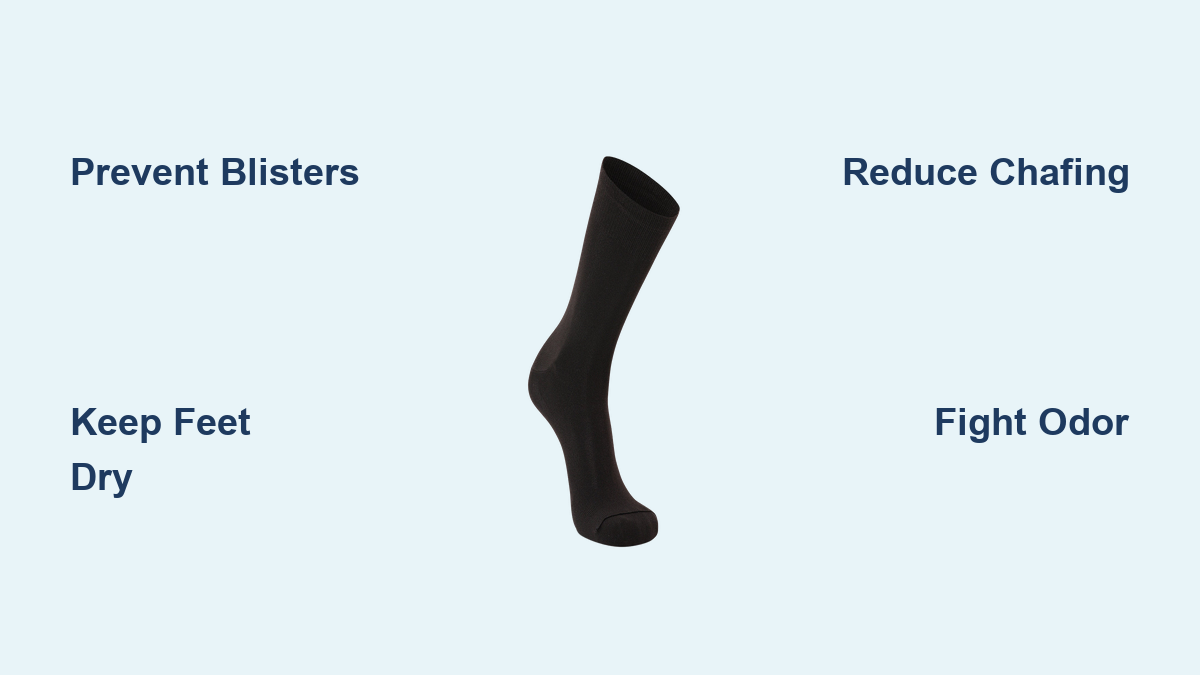
Blisters aren’t just inconvenient—they can end a hike, sideline an athlete, or make walking painful. Moisture-wicking liners are one of the most effective tools for preventing blisters before they start.
Stop Friction with Dual-Layer Protection
Liners create a slip interface between your skin and outer sock. When you move, the liner moves with your foot, while the outer sock glides against your shoe. This separation reduces shear forces—the primary cause of blisters. The result? Less rubbing on your skin, even during long-distance treks or intense workouts.
Toe-specific designs like Injinji go a step further by eliminating inter-toe friction, a common issue in trail running and backpacking. Runners and hikers who once battled painful toe blisters report dramatic improvements after switching to toe-separated liners.
Keep Skin Dry to Resist Blisters
Wet skin is up to five times more likely to blister than dry skin. Moisture-wicking liners pull sweat away instantly, maintaining a dry microclimate next to your skin. This keeps the outer layer of your foot tough and resilient, even during high-sweat activities.
Cotton socks, by contrast, absorb and hold moisture, softening the skin and making it far more vulnerable. Liners prevent this by ensuring your feet stay dry from the first mile to the last.
Recognize and Stop Hot Spots Early
A “hot spot” is a warning sign—localized heat and friction that can quickly turn into a full blister. Liners help by:
– Reducing surface temperature
– Minimizing skin movement
– Absorbing excess moisture before it builds up
If you feel a hot spot forming, the liner often prevents it from progressing, letting you continue without stopping to tape or medicate.
Manage Moisture Like a Pro
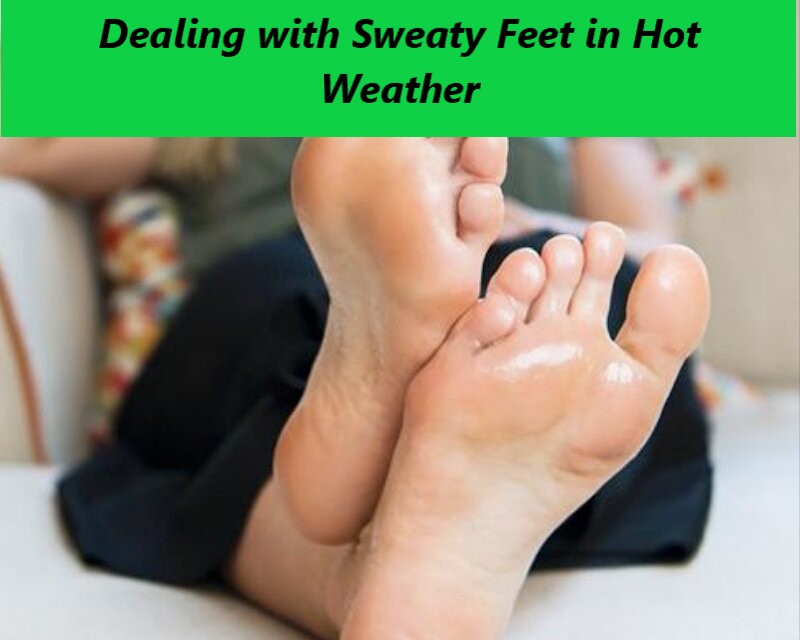
Sweat is inevitable, but soggy socks don’t have to be. Moisture-wicking liners are built to handle perspiration efficiently—keeping your feet dry and comfortable.
How Wicking Works: Capillary Action Explained

These liners rely on capillary action, where hydrophobic (water-repelling) inner fibers push moisture outward to hydrophilic (water-attracting) outer layers. From there, sweat transfers to the outer sock and evaporates quickly. This process keeps the skin dry, even during intense exercise.
In contrast, cotton absorbs sweat and holds it against the skin, creating a damp environment that invites blisters and odor.
Two-Layer System Boosts Evaporation
The combo of liner + outer sock creates a powerful moisture management system:
– Liner: Pulls sweat from skin
– Outer sock (e.g., wool or synthetic): Spreads moisture over a larger surface for faster drying
This synergy is especially effective in hiking boots or running shoes, where airflow is limited.
Avoid Skin Maceration
Prolonged wetness breaks down skin, a condition called maceration. It appears white, soggy, and weak—highly prone to tearing and infection. Liners prevent this by ensuring feet stay dry, preserving skin integrity over long days or multi-day trips.
Reduce Chafing and Boost Comfort
Even minor friction can become unbearable over time. Moisture-wicking liners smooth out contact points and eliminate common sources of irritation.
Prevent Gear-Induced Chafing

Athletes in sports like hockey and soccer wear rigid shin guards that rub against the skin. Liners like Hocsocx act as a soft, wicking barrier—protecting the skin while managing sweat buildup. Users report less redness, fewer abrasions, and improved focus during games.
Snug Fit Prevents Bunching
A well-fitted liner hugs the foot like a second skin. This prevents wrinkles or folds that can cause pressure points. Look for blends with spandex or elastane for stretch and a secure fit—without cutting off circulation.
Ideal for Sensitive Skin
For those with delicate skin or conditions like eczema, liners made from merino wool or bamboo offer a soft, non-irritating layer. These fibers are naturally smooth and breathable, reducing the risk of flare-ups caused by sweat and friction.
Regulate Foot Temperature
Your feet can overheat fast during exercise—or freeze in cold weather. Moisture-wicking liners help maintain a stable, comfortable temperature in any climate.
Stay Cool in Heat

In hot conditions, breathable liners made from polyester, nylon, or bamboo promote airflow and evaporation. As sweat evaporates, it cools the skin—just like natural body cooling. Mesh zones in high-sweat areas (like the instep) enhance this effect.
Stay Warm in Cold Weather
Yes, even in winter. Thin merino wool liners add insulation without bulk. Unlike cotton, wool retains warmth even when damp—a crucial advantage when sweating inside ski boots or winter hiking gear.
Plus, dry feet lose heat 25 times slower than wet ones. By wicking moisture, liners help preserve core temperature during cold-weather activities.
Support Overall Body Thermoregulation
When your feet overheat or freeze, your body works harder to compensate. Liners help maintain thermal balance, reducing fatigue and improving endurance—especially during long hikes or endurance events.
Fight Odor and Bacteria Naturally

Stinky feet aren’t just embarrassing—they signal bacterial growth. The good news? Moisture-wicking liners help keep odor under control.
Dry Skin = Less Bacteria
Sweat itself is odorless. The smell comes from bacteria breaking it down. By keeping feet dry, liners limit bacterial proliferation. Fewer bacteria mean less odor—even after hours of wear.
Antimicrobial Fibers That Work
Some materials naturally resist microbes:
– Merino wool: Contains lanolin, which inhibits bacteria
– Bamboo: Has inherent antibacterial properties
– Synthetics: Often treated with odor-resistant coatings
These fibers stay fresher longer—ideal for multi-day trips or workweeks with limited laundry access.
Avoid Smelly Shoes
Moisture trapped in socks soaks into shoes, creating a breeding ground for odor. Liners act as a barrier, reducing how much sweat reaches your footwear. The result? Cleaner shoes and longer-lasting freshness.
Prevent Fungal Infections
Athlete’s foot and other fungal issues thrive in warm, damp environments—exactly what happens inside sweaty shoes. Liners help break this cycle.
Reduce Humidity Around the Foot
By pulling moisture away, liners lower the humidity level inside your shoe. This makes it harder for fungi like Trichophyton to grow. Combined with breathable footwear and sock rotation, liners are a key part of foot hygiene.
Ideal for High-Risk Groups
People who wear closed shoes all day—nurses, construction workers, soldiers—are at higher risk. Liners provide continuous protection, reducing infection rates and keeping feet healthy.
Pair with Proper Foot Care
For maximum protection:
– Wear liners daily during high-sweat activities
– Alternate shoes to allow drying
– Wash feet and dry thoroughly between uses
This routine, with liners as a core step, can prevent recurring fungal issues.
Improve Athletic Performance
Foot discomfort is a silent performance killer. Moisture-wicking liners help athletes stay focused, fast, and injury-free.
Stay in the Game Longer
Blisters, hot spots, and chafing force many athletes to slow down or quit early. Liners eliminate these distractions, letting you push harder and longer—whether you’re racing, training, or playing competitive sports.
“The significance of wicking material extends beyond comfort. It impacts performance, health, and overall experience.” – Revolutionizing Sportswear Article
Enhance Focus and Endurance
When your feet feel good, your mind stays sharp. Runners, hikers, and military personnel report better concentration and reduced fatigue when wearing wicking liners—critical in high-stakes situations.
Support Recovery
Dry, blister-free feet recover faster. Liners help prevent microtrauma that leads to inflammation and soreness, so you’re ready for your next workout sooner.
Extend Outer Sock Life
Your favorite hiking or running socks are an investment. Liners help protect them—and your feet—by taking the brunt of wear and tear.
Absorb Friction and Impact
Liners handle most of the rubbing and abrasion, shielding your outer socks from:
– Heel and toe wear
– Seam degradation
– Pilling and thinning
This means your cushioned, insulated socks last longer and perform better over time.
Let Outer Socks Do Their Job
With liners managing moisture and friction, outer socks can focus on what they do best:
– Cushioning
– Insulation
– Support
This division of labor creates a smarter, more effective footwear system.
“Liner socks reduce wear on your outer socks by absorbing friction. They extend sock life while keeping feet comfortable.” – Liner Socks Explained
Final Note: Moisture-wicking liners are more than just socks—they’re a smart, science-backed upgrade for foot health, comfort, and performance. From preventing blisters and managing sweat to fighting odor and extending sock life, the benefits are clear. Whether you’re an athlete, outdoor adventurer, or someone on their feet all day, adding a wicking liner to your footwear routine is a small change with big rewards. Choose the right material, fit it properly, and care for it well—your feet will thank you.