If your child suddenly outgrows shoes every few months or complains of foot pain after playing, it’s not just in your head—children’s feet grow at an astonishing pace. By age 10, most kids have already reached 90% of their adult foot size, making this one of the fastest-growing parts of the body during early life. This rapid development isn’t random; it’s driven by biological necessity. Feet must mature early to support walking, balance, and physical coordination—critical milestones in a child’s growth. However, fast growth also means that ill-fitting shoes or unnoticed issues can lead to long-term gait problems, pain, or even postural imbalances. Understanding why children’s feet grow so quickly and how to track changes empowers parents to make smart decisions about footwear, activity, and care. In this guide, you’ll learn the science behind rapid foot development, age-specific growth patterns, key warning signs, and practical monitoring strategies to keep your child’s feet healthy and strong.
Early Mobility Needs Drive Fast Foot Development
Children’s feet grow faster than most other body parts because they’re essential for movement from the very start. Unlike arms or torso, which don’t bear full weight immediately, feet must support the entire body once a child begins standing and walking. This functional demand triggers accelerated growth to ensure stability during motor skill development. From the first steps, feet need to absorb impact, adapt to uneven surfaces, and maintain balance—tasks that require proper size and structure. As a result, foot development begins in infancy and progresses rapidly to meet these physical challenges, setting the stage for lifelong mobility.
Growth Plates Close Early in Feet

Bone growth occurs at epiphyseal plates, soft areas near the ends of bones. In the feet—especially in the metatarsals and phalanges—these plates are highly active in early childhood and close earlier than those in the legs or spine. This early fusion means feet reach adult size before other body parts, creating the impression they “grow faster.” Once the growth plates seal, no further lengthening occurs. Because foot bones stop growing sooner, any delays in shoe replacement during this window can restrict natural development and even alter gait patterns.
Cartilage Hardens Into Bone During First Two Years
At birth, a baby’s foot is composed mostly of cartilage, making it soft and flexible. This malleability allows the foot to adapt to early movement and pressure. Over the first 24 months, a process called ossification gradually turns this cartilage into solid bone. This transformation is crucial for developing strength and structure, enabling feet to handle increasing loads as the child crawls, stands, and walks. Because bones are still forming, anything that distorts foot shape—like tight shoes—can have lasting effects.
Feet Grow to Maintain Body Proportion and Balance
Human growth is uneven: heads develop first, then limbs, then the torso. Feet grow early to keep pace with overall body development and maintain balance. Since they bear full weight from infancy, their rapid maturation helps prevent falls and supports coordination. Without proportionally sized feet, early walking would be unstable and inefficient. This early growth ensures that children can move confidently as they explore their environment.
Growth Rates Slow With Age—But Remain Significant

Foot growth isn’t steady; it happens in distinct phases. In the first 15 months, babies grow about ½ shoe size every 2 months, often needing 2–3 new pairs of shoes per year. From 15 months to 3 years, growth slows slightly but remains rapid—around ½ size every 2–4 months. Between ages 3 and 6, children grow about ½ inch per year, with shoe changes occurring roughly once annually. From 6 to 12, growth stabilizes at about 1 size per year, resembling adult patterns. During puberty, a final growth spurt occurs before feet stop growing—around age 14–15 for girls and 16–18 for boys.
Girls’ Feet Stop Growing Earlier Than Boys’
Gender plays a key role in foot development. Girls enter puberty earlier (ages 8–13), triggering a foot growth spurt that typically ends by age 14–15, often around the time of menarche. Boys, whose puberty starts later (ages 9–14), experience prolonged foot growth, often continuing into the late teens. As a result, adult male feet are generally larger and broader due to longer development and increased body mass. Average U.S. adult sizes are ~8.5 for women and ~10.5 for men.
Genetics, Nutrition, and Hormones Shape Foot Growth
Multiple factors influence how fast and how well feet develop. Genetics determine foot length, width, and arch type—children often inherit their parents’ foot structure. Nutrition is critical: calcium, vitamin D, and protein support bone hardening during ossification. Deficiencies can delay development or weaken bones. Hormones like growth hormone, estrogen, and testosterone regulate growth spurts and signal when growth plates close. Physical activity strengthens muscles and ligaments, while poor footwear—tight, stiff, or hand-me-down shoes—can lead to bunions, hammertoes, or weak arches.
Foot Development Stages: From Infancy to School Age
Each stage brings unique changes. Infants (0–6 months) have flat, cartilage-rich feet with no visible arch—keep them barefoot indoors to boost sensory feedback. Crawling to standing (6–15 months) marks the start of weight-bearing; shoes should be lightweight with soft, flexible soles. Toddlers (1–3 years) experience rapid ossification and muscle development—flat feet are normal. Ages 5+ bring visible arches and the ability to handle complex movements like jumping and pivoting. Shoes should offer shock absorption, flexibility, and durability.
How to Measure and Monitor Foot Growth at Home
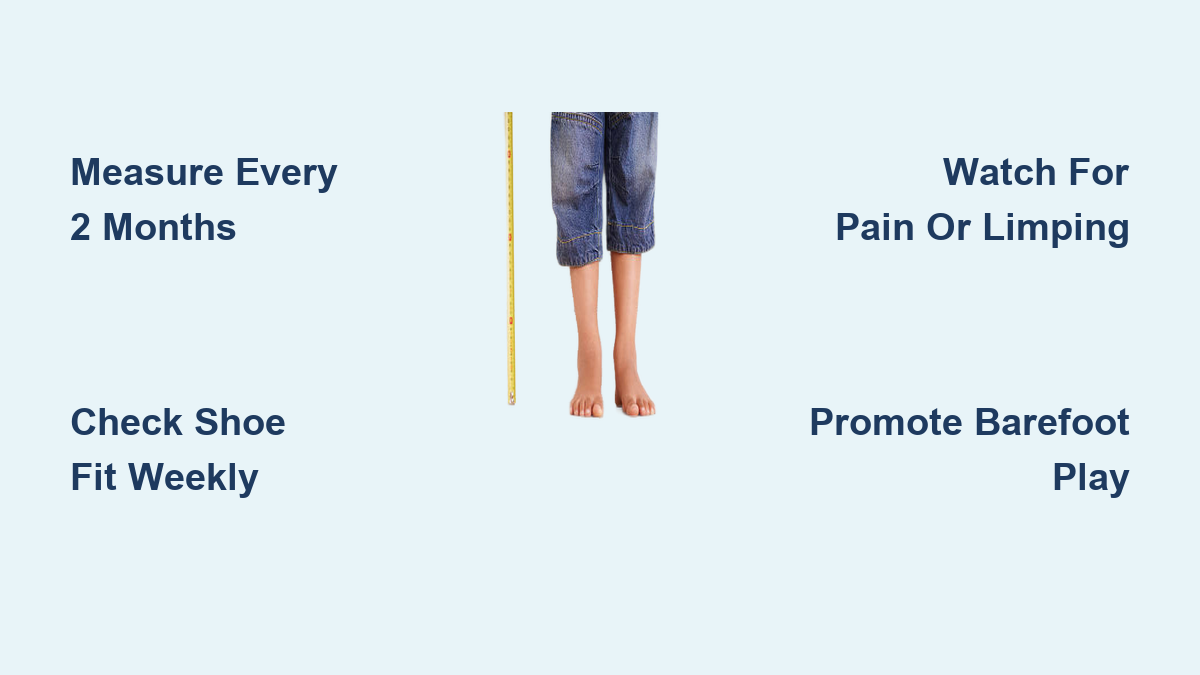
Regular monitoring prevents discomfort and long-term issues. For children under 5, measure feet every 2 months; for older kids, every 3–6 months. Use the at-home tracing method: place paper on a hard floor, have the child stand with weight evenly distributed, trace the foot, and measure from heel to longest toe. Add ½ inch (thumb’s width) for growth room. Always measure both feet—fit shoes to the larger one. For accuracy, visit specialty stores like Stride Rite and use a Brannock device.
Check Shoe Fit Weekly to Prevent Problems
Even with regular measurements, fit can change quickly. Use the thumb rule test: press down on the shoe while the child stands—there should be ½ inch between longest toe and shoe tip. The heel should not slip more than ¼ inch, and the shoe should bend only at the ball of the foot, not the arch. Look for bulging at the sides or pinching, which indicate a poor width fit.
Watch for Warning Signs of Foot Issues
Early detection is key. Physical signs include redness, blisters, calluses, curled or overlapping toes, and uneven shoe wear. Behavioral signs—foot pain, limping, frequent tripping, reluctance to walk or play—often mean shoes are too tight or there’s an underlying condition. Don’t ignore these cues—persistent issues may require a pediatric podiatrist.
Choose the Right Shoes for Healthy Development

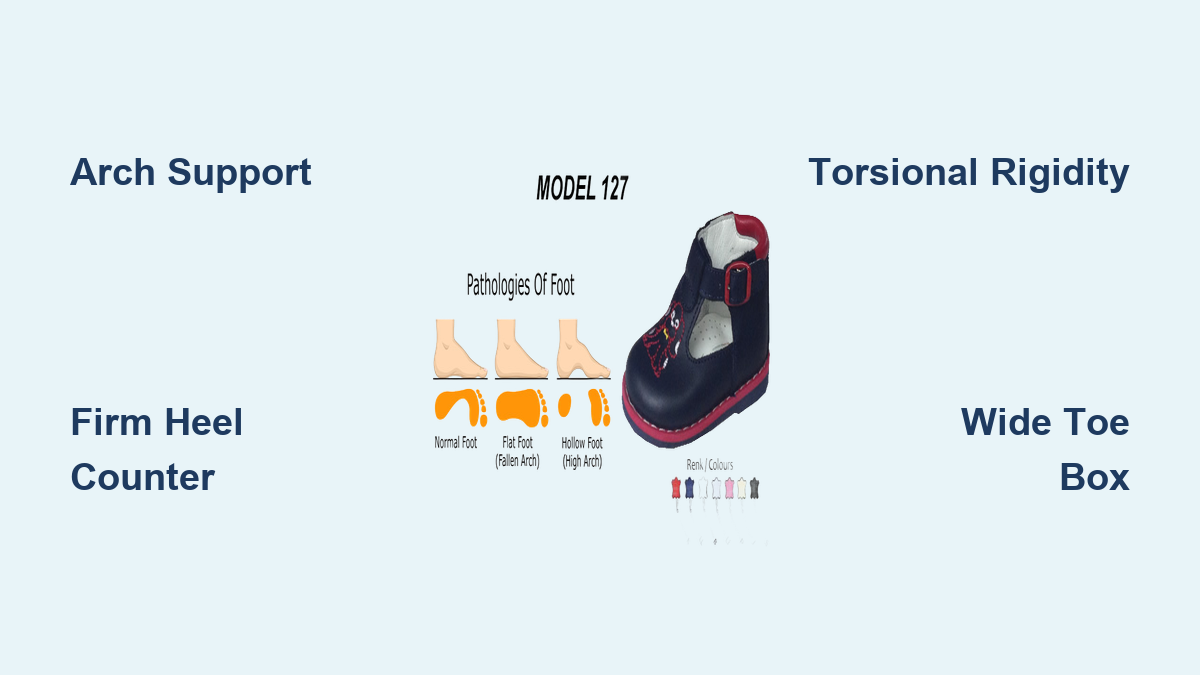
Buy new, properly fitted shoes—avoid hand-me-downs, which mold to previous wearers and can cause imbalance. Look for flexible soles, breathable materials, and roomy toe boxes. Shoes should bend at the ball of the foot and support natural movement. Brands like Made2Play with Sensory Response Technology™ (SRtech) enhance balance and coordination.
Encourage Barefoot Play and Daily Foot Care
Let kids go barefoot on safe surfaces—hardwood, tile, carpet—to strengthen intrinsic foot muscles and improve balance. Teach daily hygiene: wash and dry feet thoroughly, wear moisture-wicking socks, and rotate shoes to prevent odor and fungal infections.
Debunking Common Foot Myths
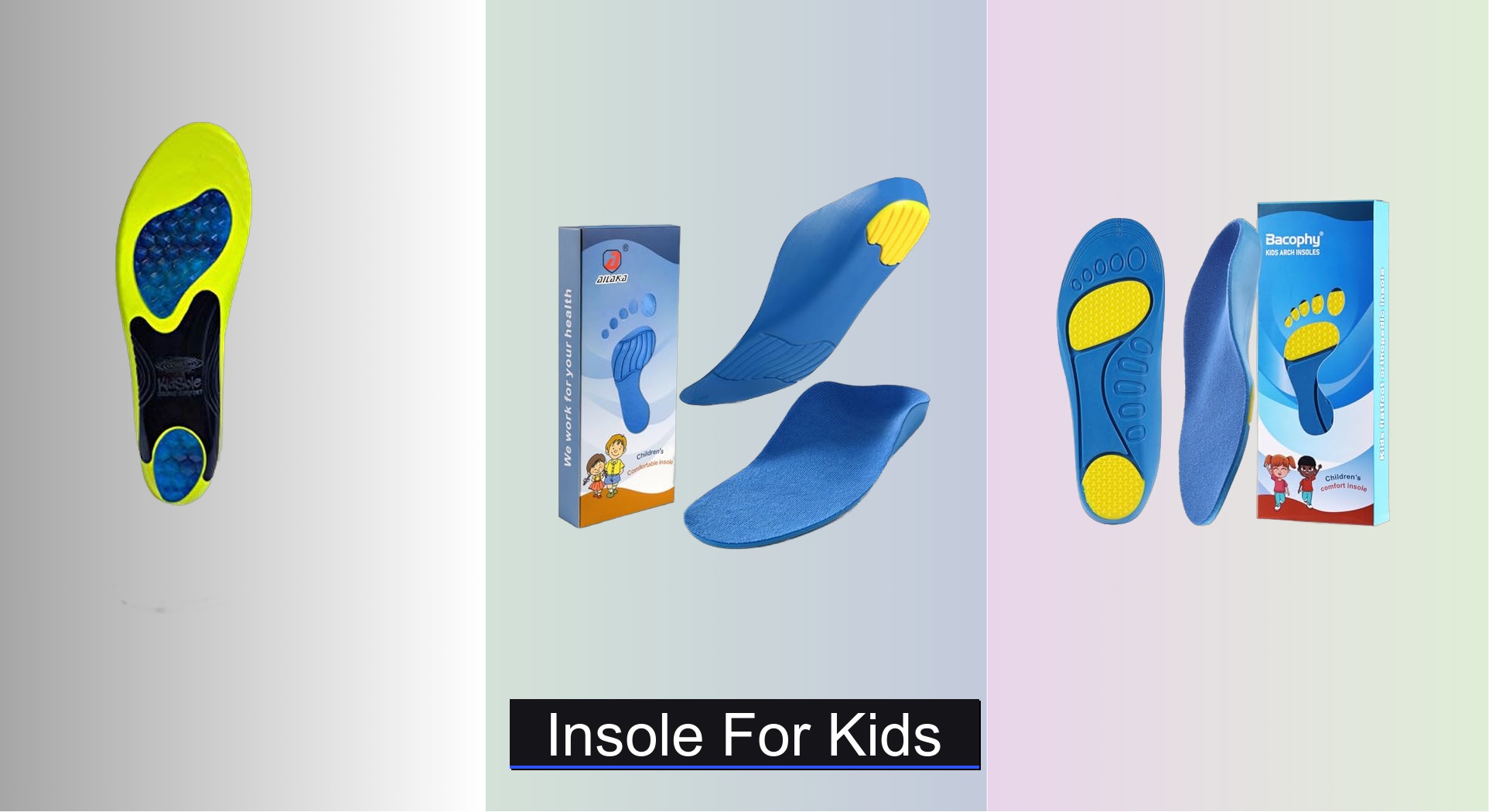
Myth: Kids need arch support shoes. Truth: Most develop arches naturally by age 6—excessive support weakens muscles.
Myth: Shoes help babies walk sooner. Truth: Barefoot is best for early development—shoes are for protection only.
Myth: All flat feet are a problem. Truth: Flat feet are normal in toddlers and usually resolve by age 6.
When to See a Pediatric Podiatrist
Consult a specialist if flat feet persist beyond age 6, your child has chronic pain, gait abnormalities don’t improve, or one foot is much larger. Early intervention prevents knee, hip, or back pain later.
Key Takeaways for Parents
- Measure feet every 2–3 months under age 5, then every 3–6 months
- Buy new shoes—avoid hand-me-downs
- Choose flexible, well-fitted footwear with room to grow
- Promote barefoot time indoors
- Watch for red flags: pain, limping, tripping, avoiding activity
- See a podiatrist early for persistent issues
Healthy feet today mean confident, pain-free movement tomorrow. By understanding why children’s feet grow so fast and how to monitor them, you’re giving your child a strong foundation for lifelong mobility and well-being.