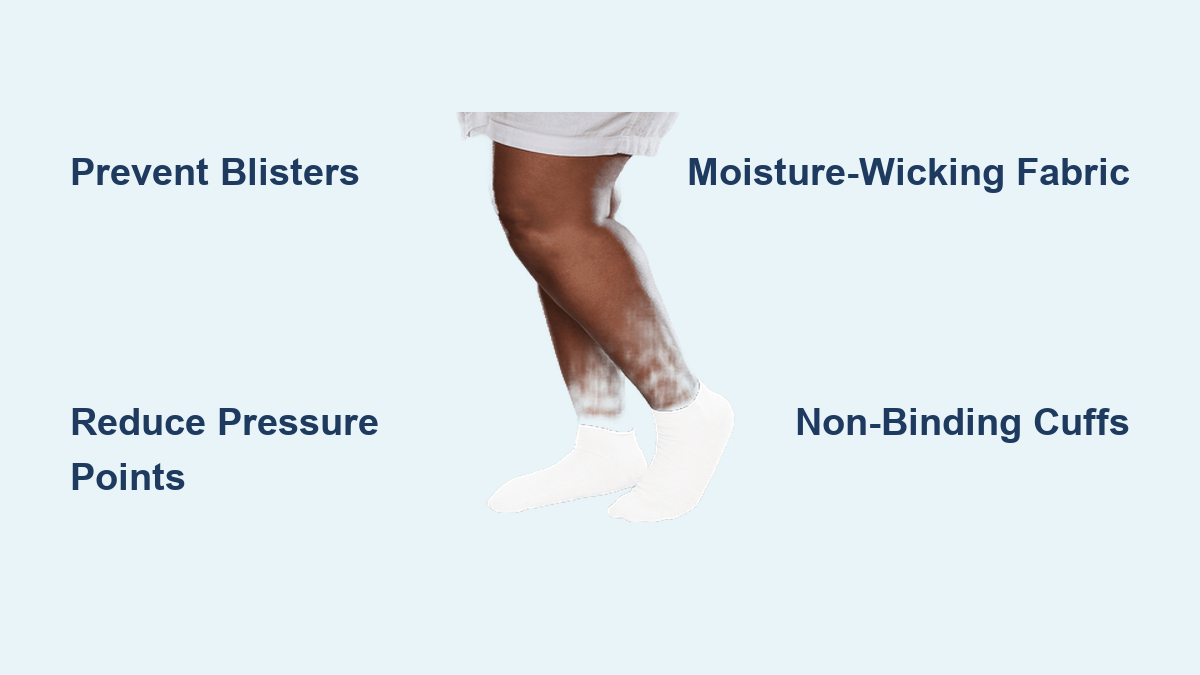
Living with neuropathy can turn everyday comfort into a daily challenge—especially when it comes to your feet. Numbness, tingling, burning sensations, or even extreme sensitivity make even the smallest pressure points unbearable. For many, a simple sock seam pressing against the toes can feel like constant sandpaper rubbing with every step. That’s where seamless socks for people with neuropathy come in. Designed to eliminate friction, reduce pressure, and protect fragile skin, these socks are more than a comfort upgrade—they’re a critical part of foot care. In this guide, you’ll discover how seamless socks help prevent injuries, enhance mobility, and improve quality of life for those managing nerve damage.
Why Neuropathy Requires Special Footwear Protection
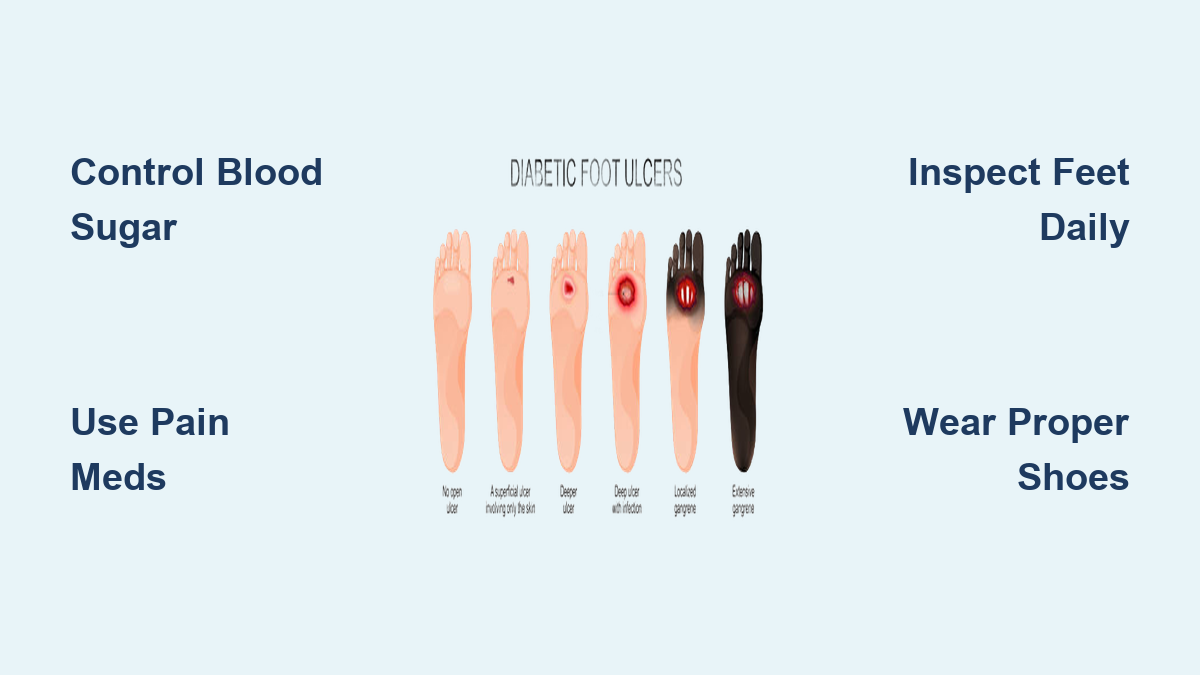
Neuropathy—often caused by diabetes, chemotherapy, or chronic health conditions—damages nerves in the feet, leading to either loss of sensation or abnormal pain signals. This means you might not feel irritation, heat, or injury until it’s too late. A small blister from a sock seam can go unnoticed, worsen, and develop into a foot ulcer, which for some can lead to infection or even amputation.
Traditional socks, with their stitched toe seams and tight elastic bands, increase the risk of micro-injuries. Even a slight ridge can create friction with every movement, especially during walking or prolonged standing. For someone with impaired sensation, this unseen trauma can escalate quickly.
Seamless socks are engineered to prevent these risks. By removing seams and using soft, stretchy fabrics, they provide a smooth, irritation-free barrier between foot and shoe—crucial for protecting high-risk feet.
How Neuropathy Impacts Foot Health
- Reduced sensation makes it difficult to detect rubbing, pressure, or foreign objects in shoes
- Fragile skin is more prone to tearing and blistering
- Poor circulation—common in diabetic neuropathy—slows healing and increases infection risk
- Foot deformities (like bunions or hammertoes) create uneven pressure points
Choosing the right sock is not just about comfort—it’s a preventive health measure. Seamless socks minimize friction and pressure, helping you avoid injuries that could lead to serious complications.
Prevent Blisters and Sores with Seamless Design

One of the most immediate and vital benefits of seamless socks is blisters prevention—a major concern when you can’t feel early warning signs.
Eliminate Toe Seam Friction
Traditional socks are stitched at the toe, leaving a raised seam that rubs against the skin with every step. For neuropathy patients, this friction can go undetected until swelling, redness, or pain appears—often too late to prevent damage.
Seamless socks use advanced knitting technology to create a smooth, continuous fabric from heel to toe. Some are truly seamless; others have “flat-knit” or “virtually invisible” seams that lie flat against the skin. The result? No ridge, no rubbing, no blisters.
Reduce Pressure Points Across the Foot
Seamless socks go beyond the toes. Many feature:
- Flat-knit heels and ankles to prevent chafing
- Non-binding cuffs that won’t dig into the leg
- Even fabric distribution to avoid bunching or wrinkling
These design elements work together to eliminate hot spots and pressure buildup—key factors in preventing skin breakdown and ulcers.
Pro Tip: Always check your shoes before putting on socks. A small pebble or rough spot inside your shoe can cause injury if you can’t feel it.
Maximize Comfort for Sensitive Skin
For people with neuropathy, comfort isn’t a luxury—it’s essential for daily function. Discomfort can limit walking, disrupt sleep, and reduce independence.
Gentle Protection for Allodynia and Skin Sensitivity
Many neuropathy patients experience allodynia, where even light touch causes pain. A standard sock seam can feel like constant irritation. Seamless socks, especially those made with fine-gauge merino wool or bamboo, provide a soft, smooth layer that glides over sensitive skin.
Look for features that enhance comfort:
- Tagless labels to avoid ankle irritation
- Breathable, moisture-wicking fabric to prevent dampness
- Smooth interior linings with no internal stitching
These details ensure your feet stay protected and comfortable all day.
Stay Active Without Foot Fatigue
Whether you’re walking the dog, running errands, or just moving around the house, seamless socks let you stay on your feet longer. Without constant pressure or rubbing, you can focus on your activity—not on foot pain.
User Insight: Many active individuals with mild neuropathy report improved endurance and fewer foot issues after switching to seamless socks.
Support Diabetic Foot Health

While neuropathy has many causes, diabetes is one of the most common. Over time, high blood sugar damages nerves and blood vessels in the feet, increasing the risk of ulcers and infections. That’s why podiatrists often recommend seamless socks as part of diabetic foot care.
Designed for High-Risk Feet
Seamless socks are a standard in diabetic foot protection because they:
- Remove sources of friction and irritation
- Help prevent ulcers and infections
- Support overall foot hygiene and safety
Many diabetic-specific seamless socks also include added features like:
- Padded soles for shock absorption
- Antimicrobial fibers to reduce odor and bacteria
- Extra stretch for swollen feet or limited mobility
These enhancements make them ideal for long-term foot health.
Avoid Circulation-Blocking Compression
Tight elastic bands in regular socks can leave deep marks on the legs—this is a sign of restricted blood flow. For people with poor circulation, this can lead to swelling, skin breakdown, or even blood clots.
Seamless socks typically feature wide, non-binding cuffs that stay up without squeezing. This gentle hold ensures support without compromising circulation.
Warning: If your socks leave indentations on your legs, they’re too tight. Switch to a non-binding, seamless style immediately.
Choose the Right Fabric for Maximum Protection

Not all seamless socks are equal. The material is just as important as the design.
Best Fabrics for Neuropathy
| Fabric | Benefits |
|---|---|
| Merino Wool | Naturally moisture-wicking, temperature-regulating, odor-resistant |
| Bamboo | Ultra-soft, breathable, antimicrobial, eco-friendly |
| Microfiber Nylon/Spandex Blend | Smooth, durable, stretchy, ideal for sensitive skin |
| Cotton Blends (used cautiously) | Comfortable but can hold moisture—best for dry environments |
Avoid 100% cotton if you sweat often—damp socks soften skin (maceration), increasing the risk of tears and infections.
Why Moisture-Wicking Matters
Excess moisture creates a breeding ground for bacteria and fungi. It also softens the skin, making it more vulnerable to injury. Seamless socks with moisture-wicking technology pull sweat away from the skin, keeping feet dry and healthy.
Key Feature: Look for labels that say “moisture-wicking,” “breathable,” or “antimicrobial.”
Who Else Benefits from Seamless Socks?
While people with neuropathy benefit most, seamless socks are a smart choice for many.
Ideal for Chemotherapy Patients
Up to 68% of chemotherapy patients develop peripheral neuropathy. Symptoms like tingling, numbness, and sensitivity make foot protection essential. Seamless socks offer gentle, irritation-free coverage during treatment and recovery.
Perfect for Older Adults
As we age, skin thins and sensation decreases. Older adults—especially those with diabetes or circulation issues—can prevent foot injuries by wearing seamless socks daily.
Great for Athletes and Active Lifestyles
Even without neuropathy, runners and hikers choose seamless socks to prevent blisters and improve performance. The smooth fit reduces friction, helping you go farther, longer.
How to Use Seamless Socks Safely
Wearing seamless socks is just one part of a complete foot care routine.
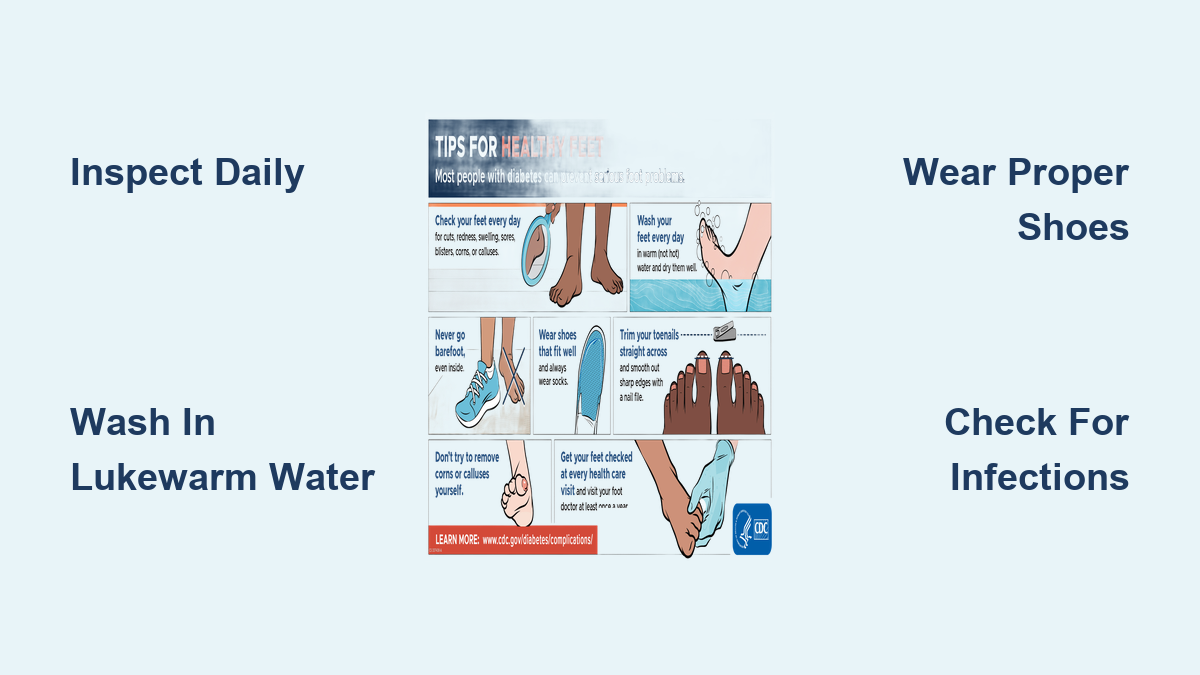
Perform Daily Foot Checks
Even with protective socks, inspect your feet every day. Look for:
- Redness or swelling
- Cuts, cracks, or blisters
- Calluses or discoloration
Use a mirror or ask a family member for help if you can’t see the bottom of your feet.
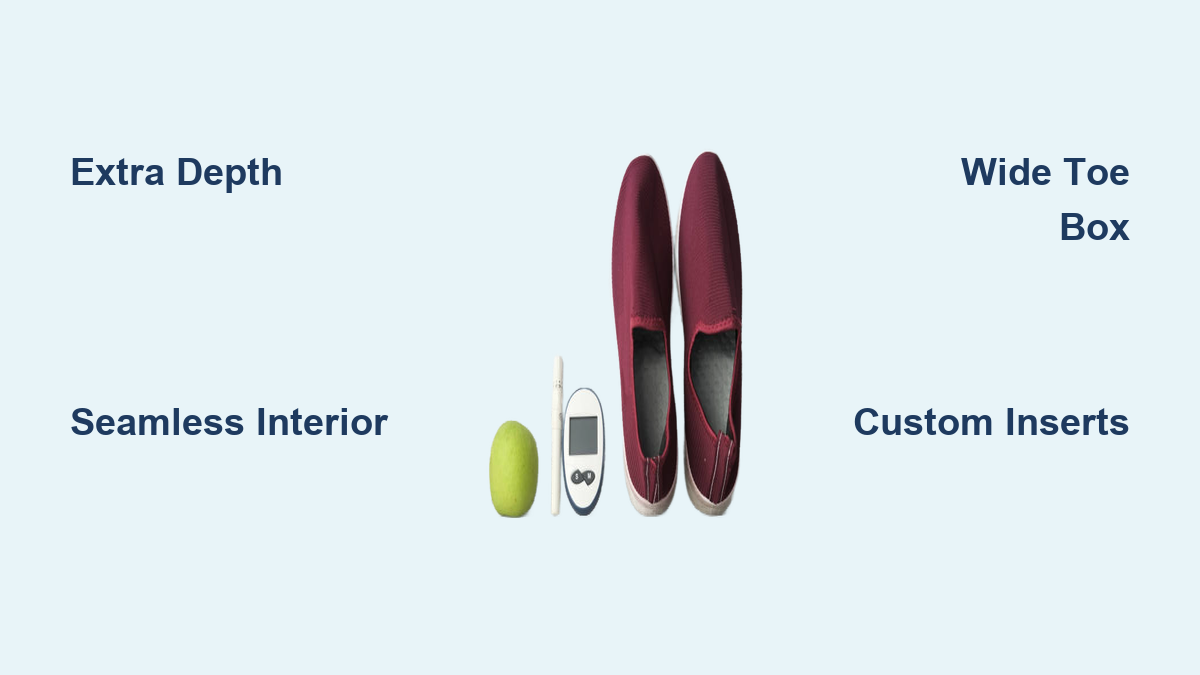
Pair with Proper-Fitting Shoes
Seamless socks only work if your shoes fit well. Shoes that are too tight create pressure; too loose cause sliding and friction.
Fit Tip: There should be about a thumb’s width between your longest toe and the shoe’s end.
Replace Socks Regularly
Over time, socks lose elasticity, develop thin spots, or stretch out. Replace seamless socks every 3–6 months with regular use—or sooner if you notice holes, pilling, or sagging cuffs.
What to Look for When Buying Seamless Socks
Not all “seamless” socks are truly seamless. Some brands use minimal stitching but still leave a ridge. Know what to prioritize.
Features to Look For
- ✅ True seamless toe closure (look for “knit-in” or “virtually invisible”)
- ✅ Non-binding, wide-top cuff
- ✅ Moisture-wicking fabric
- ✅ Extra cushioning in heel and ball of foot
- ✅ Antimicrobial treatment
- ✅ White soles (to spot drainage or blood)
Avoid These Red Flags
- ❌ Tight elastic tops
- ❌ Rough or raised internal seams
- ❌ 100% cotton (unless in very dry climates)
- ❌ Dark-colored soles (can hide injuries)
Pro Tip: Choose socks labeled “diabetic” or “therapeutic”—they’re designed with safety and comfort in mind.
Care Tips to Extend Sock Life
Proper care keeps your seamless socks performing at their best.
Washing Instructions
- Wash in cold or warm water (hot water damages fibers)
- Use mild detergent
- Avoid bleach and fabric softeners (they break down elasticity and wicking ability)
- Tumble dry low or air dry to maintain shape
Improper washing can cause seams to unravel or cuffs to lose their grip—reducing protection.
Final Thoughts: A Small Change, Life-Changing Results
For people with neuropathy, seamless socks are not just comfortable—they’re a vital tool for foot protection. By eliminating friction, preventing blisters, and supporting healthy skin, they help avoid complications that could lead to hospitalization or worse.
They’re easy to find, come in styles for every occasion—dress, athletic, or bedtime—and are suitable for all ages and lifestyles.
Key Takeaways
- Seamless socks prevent blisters and sores by removing pressure points
- They are essential for neuropathy and diabetic foot care
- Choose moisture-wicking, non-binding, truly seamless designs
- Combine with daily foot checks and proper footwear for best results
Don’t underestimate the power of a well-designed sock. For sensitive feet, the right pair can mean the difference between pain and peace, risk and safety, limitation and freedom.
Make the switch today—and feel the difference from the ground up.