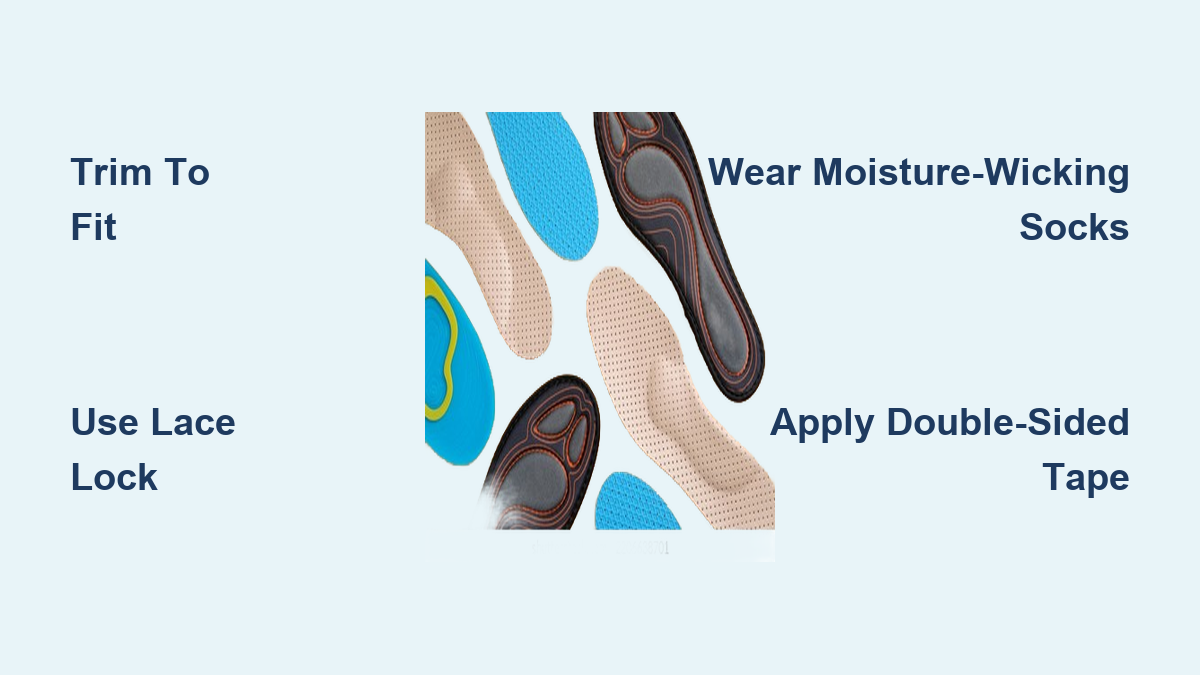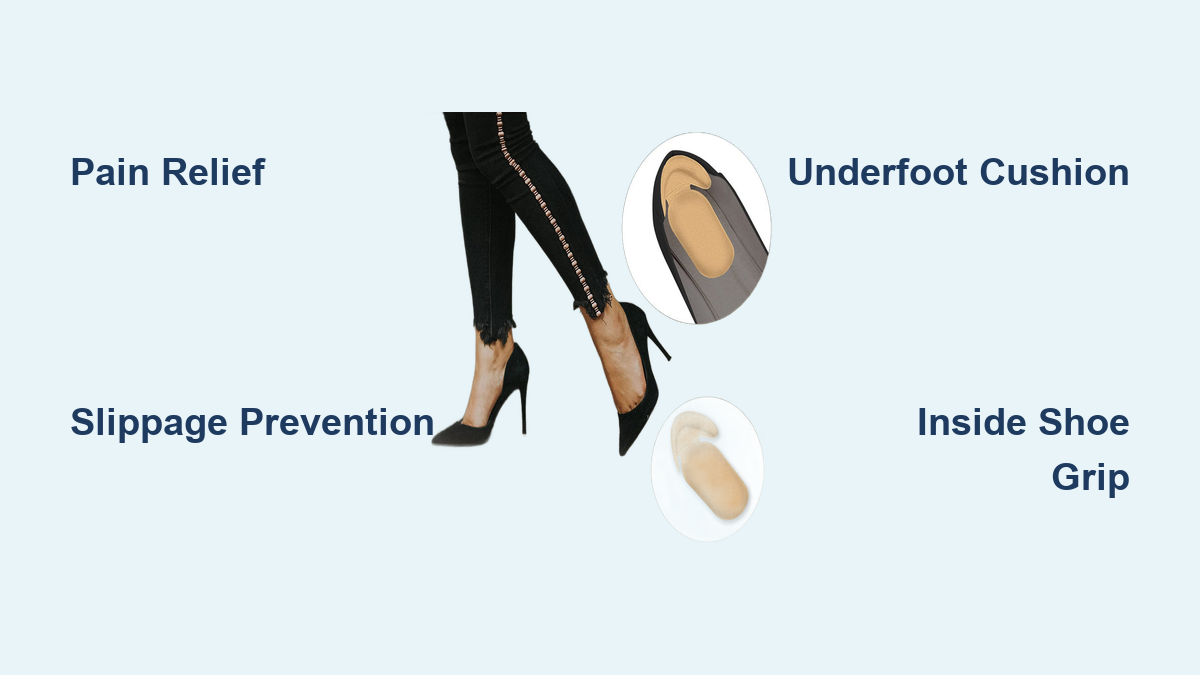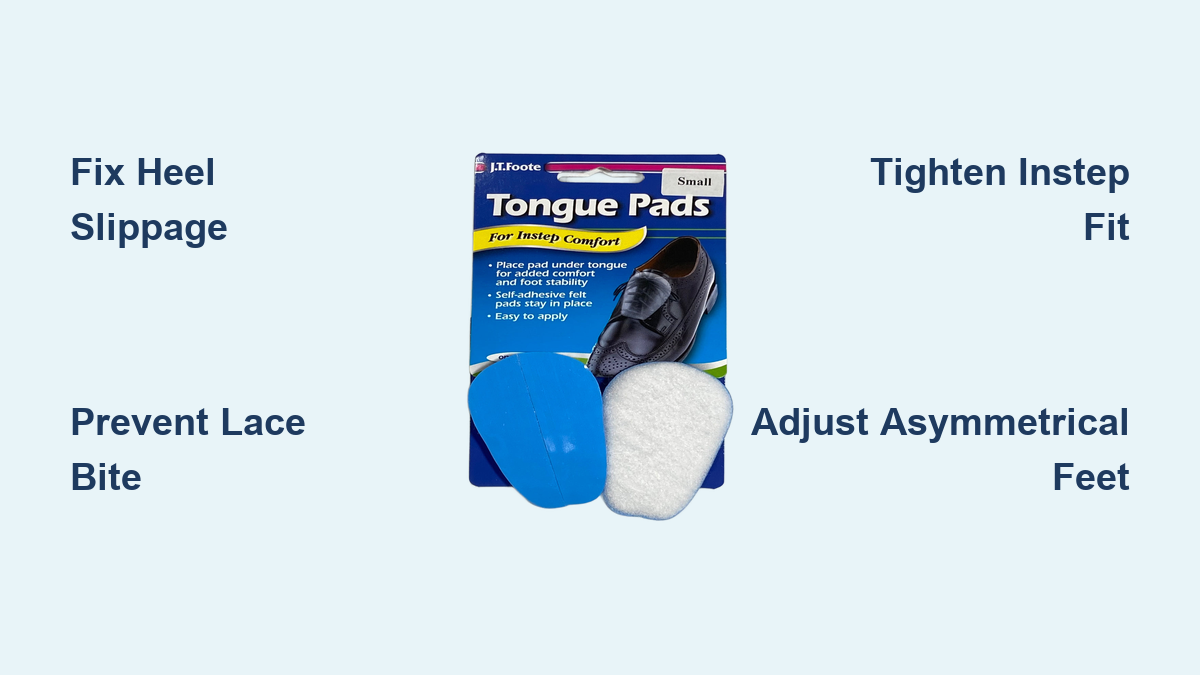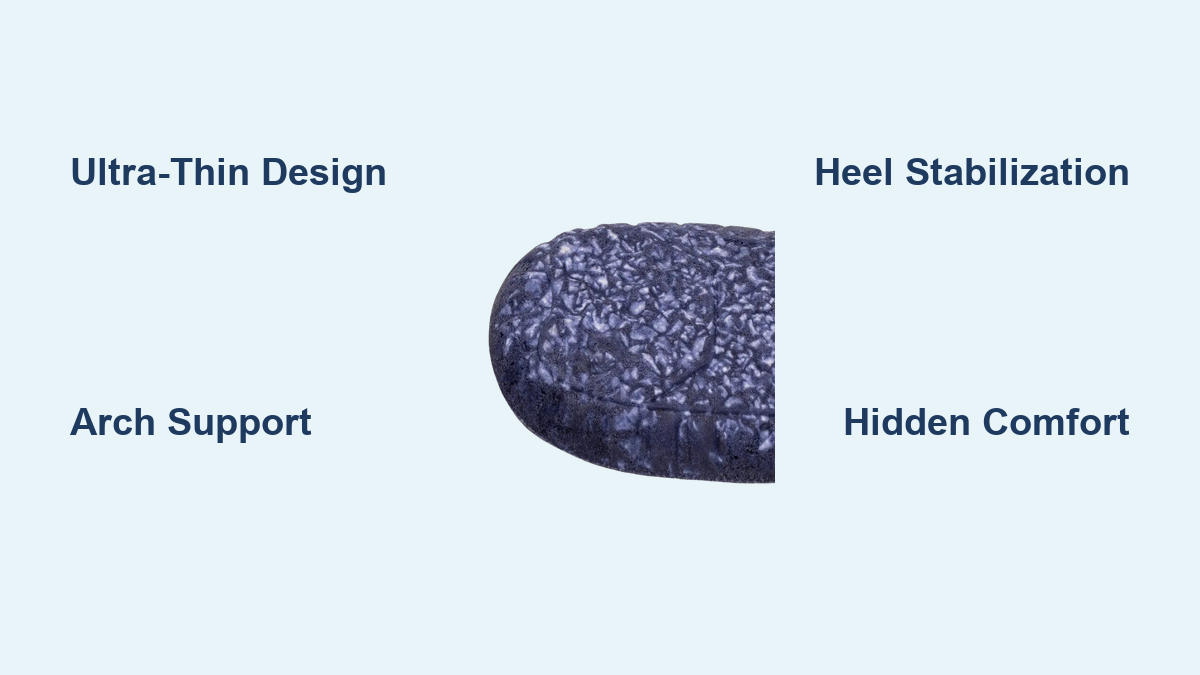
If you’ve ever spent a full day in dress shoes only to end up with sore feet, heel pain, or toe cramping, you’re not alone. Most formal footwear—oxfords, pumps, loafers, and even sleek boots—are designed for style, not comfort. Their slim interiors and non-removable insoles leave little room for support, making long wear painful. That’s where a low profile insole for dress shoes comes in. These ultra-thin, high-performance inserts deliver targeted arch support, heel stabilization, and cushioning without adding bulk. Unlike standard orthotics that require extra space, low profile insoles are engineered specifically for tight, narrow, or low-volume dress shoes, offering real biomechanical benefits while remaining nearly invisible inside your footwear.
Whether you’re a professional on your feet all day, attending a wedding in heels, or managing foot pain like plantar fasciitis, a low profile insole allows you to wear dress shoes comfortably—without sacrificing support or style. They’re not just padding; they’re precision tools for foot health, designed to correct alignment, reduce pressure points, and prevent long-term strain on your joints.
Minimal Thickness, Maximum Support
The defining feature of a low profile insole is its ultra-slim construction, typically ranging from 1.5 mm to 4 mm thick. This allows it to fit inside shoes where even a standard insole would cause tightness or force you to size up. Despite their thinness, these insoles are far from flimsy—they incorporate structured support elements that mimic the performance of full orthotics, but in a space-saving format.
Designed for Tight Footwear
Low profile insoles are ideal for shoes with shallow interiors or non-removable stock insoles, such as:
– Men’s oxfords, brogues, and wingtips
– Women’s pumps, stilettos, and ballet flats
– Formal loafers and dress boots
Because they don’t add height or volume, they prevent common fit issues like toe pinching, heel slippage, and friction burns. This makes them a practical solution for anyone who needs support but can’t compromise on shoe fit or aesthetics.
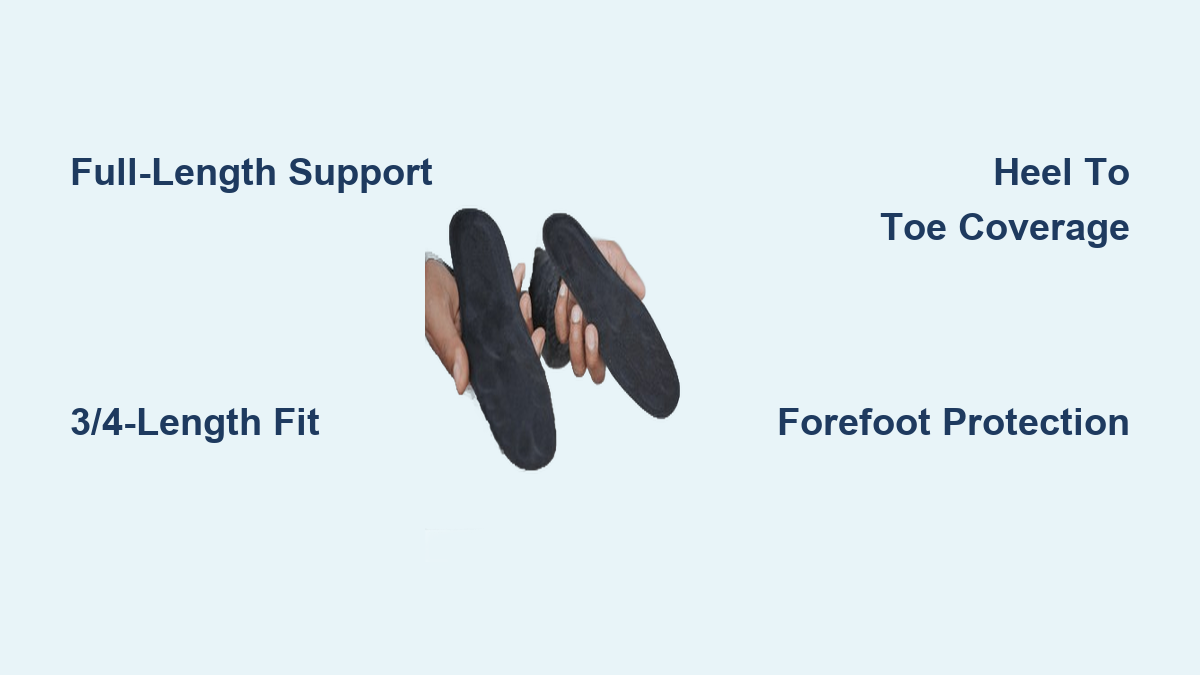
3/4-Length vs. Full-Length Options
Most low profile insoles are 3/4-length (or 2/3-length), ending just behind the ball of the foot. This design:
– Avoids crowding the toe box
– Reduces bulk
– Works in shoes where full-length inserts won’t fit
Some models offer ultra-thin full-length versions for deeper dress shoes with removable insoles, providing complete underfoot coverage without altering the shoe’s fit. The choice between 3/4 and full-length depends on your shoe’s interior depth and whether you need forefoot support.
Key Features That Deliver Comfort
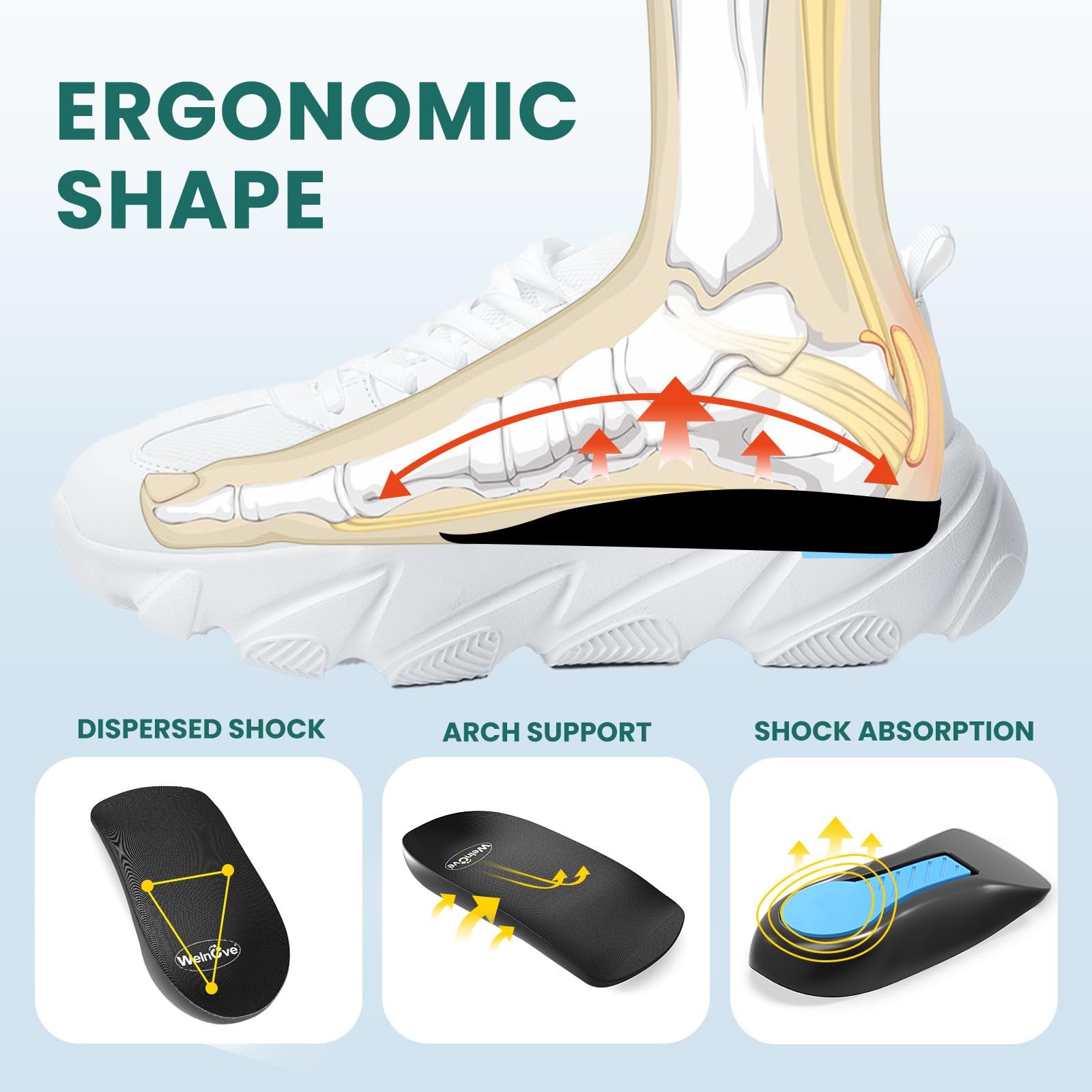
Don’t let the slim size fool you—low profile insoles are packed with functional, biomechanically sound features.
Targeted Arch Support
Even at minimal thickness, these insoles include contoured arch support to stabilize flat or high arches. Many feature:
– Medial and longitudinal arch shaping
– Adjustable arch height via removable “arch cookies”
– Semi-rigid polypropylene shells for durable, long-lasting support
This helps control overpronation, reducing strain on the plantar fascia, Achilles tendon, and knees—key for preventing chronic foot and joint pain.
Heel Cup and Forefoot Cushioning
A deep, molded heel cup keeps your foot aligned and absorbs impact with each step. Combined with gel or EVA foam padding in the forefoot, it reduces pressure on the ball of the foot—critical for preventing metatarsalgia and Morton’s neuroma, especially in high heels.
Anti-Slip and Breathable Design
To stay securely in place, most models include:
– Rubberized or textured undersides to prevent slippage
– Moisture-wicking fabric covers to reduce sweat and odor
– Open-toe or heel-lock designs in select models for added stability
Without these features, even the best insole can shift during wear, causing discomfort or blisters—especially in smooth-lined dress shoes.
Who Needs a Low Profile Insole?
These inserts are ideal for anyone who wears formal shoes regularly but struggles with foot fatigue or pain.
Professionals on Their Feet
Lawyers, teachers, executives, and healthcare workers often wear dress shoes for 8+ hours a day. Stock insoles offer minimal support, leading to plantar fasciitis, back pain, or joint strain. A low profile insole provides hidden, all-day support—helping you stay comfortable and focused without drawing attention.
Formal Event Attendees
Brides, groomsmen, and wedding guests frequently wear stylish but unforgiving shoes. A low profile insole lets them look sharp without sacrificing comfort, turning painful heels or oxfords into wearable footwear for long ceremonies and receptions.
People with Foot Conditions
Low profile insoles help manage:
– Plantar fasciitis
– Arthritis
– Bunions
– Tendonitis
– Flat feet or high arches
They work by correcting alignment, reducing pressure points, and improving gait mechanics, offering relief without the need for bulky orthotics.
Top Materials and Construction Types

The best low profile insoles use advanced materials to balance support, durability, and thinness.
Polypropylene Shells
A semi-rigid polypropylene base provides long-lasting arch support without adding bulk. It’s lightweight and resists compression over time—ideal for all-day wear.
EVA and Gel Cushioning
Ethylene Vinyl Acetate (EVA) foam offers lightweight shock absorption, especially in the heel and forefoot. Some models add gel pods for targeted impact relief, crucial for hard floors or prolonged standing.
3D-Printed and Custom Options
Premium brands like SelfScan3D use 3D-printed shells based on digital foot scans. These custom insoles deliver personalized biomechanical correction in a low profile format—offering clinic-level support at a fraction of the cost of traditional custom orthotics.
How to Choose the Right One
Selecting the best low profile insole depends on your shoe type, foot shape, and comfort needs.
Match to Your Shoe Style
- Narrow dress shoes or heels → 3/4-length insoles
- Dress shoes with removable insoles → Full-length ultra-thin models
- Non-removable insoles → No-top-cover or overlay designs
Consider Adjustability
Look for models with removable arch pads (like FootChair Slim or Tread Labs) if you’re unsure of your arch height. You can start low and increase support as your feet adapt.
Check for Medical Approval
Insoles with the APMA Seal of Acceptance (like Tread Labs) meet podiatrist-backed standards for foot health. Many are also FSA/HSA eligible, meaning you can use pre-tax funds to purchase them.
Leading Brands and Models

FootChair Slim
- Adjustable arch support
- Gel heel cushion
- Polypropylene shell
- Price: $43.97
- Ideal for: Users wanting customizable support in narrow shoes
Tread Labs 3/4 Insoles
- APMA-approved
- Three arch height options
- Durable, non-slip base
- Price: $70
- Ideal for: Professionals needing reliable, long-lasting support
SelfScan3D Custom Insoles
- 3D-printed from app-based foot scan
- 180-day fit guarantee
- Full or 3/4-length options
- Price: $199 (first pair), $124 (second)
- Ideal for: Those with chronic pain or unique foot shapes
Powerstep, Vionic, OrthoFeet
- Widely available over-the-counter
- Priced between $25–$50
- Designed for plantar fasciitis and flat feet
- Ideal for: Budget-conscious users seeking medical-grade support
Real-World Performance and User Feedback
What Users Love
- “Instant support”: Many report immediate pain relief upon insertion.
- “Fit perfectly in my dress shoes”: Confirmed compatibility with tight interiors.
- “Game changer!”: Users regained the ability to wear previously painful shoes.
- “Better than prescription orthotics”: Some found OTC models more comfortable than custom ones.
Common Complaints
- Hardness: Some insoles feel too rigid, especially for sensitive feet.
- Slippage: A few models slide in smooth-lined shoes.
- Edge discomfort: 3/4-length insoles may cause pressure where they end under the foot.
- Durability: Foam-based models may compress after 6–12 months.
Care and Longevity Tips
Cleaning and Maintenance
- Wipe with a damp cloth—never machine wash or soak
- Air dry away from heat to prevent warping
- Remove nightly to reduce moisture buildup and extend life
When to Replace
Replace every 12–18 months, or sooner if you notice:
– Flattened heel cup
– Loss of arch support
– Cracks or material breakdown
– Persistent odor
Higher-end models with rigid shells typically last longer than foam-only inserts.
Why They Beat Standard Insoles
| Feature | Standard Insoles | Low Profile Insoles |
|---|---|---|
| Thickness | 5–10 mm | 1.5–4 mm |
| Fit in Dress Shoes | Often too bulky | Designed for slim shoes |
| Aesthetic Impact | Alters fit/appearance | Invisible and seamless |
| Support Level | Often too soft | Structured, targeted support |
| Use with Fixed Insoles | Rarely fits | Yes, in most cases |
Low profile insoles solve the core problem: how to get real support in shoes that weren’t built for it.
Final Note
A low profile insole for dress shoes is more than just a thin insert—it’s a precision tool for foot health and comfort. By combining minimal thickness with maximum support, these insoles let you wear formal footwear confidently, whether at work, a wedding, or a long day on hard floors. With options ranging from adjustable over-the-counter models to 3D-printed custom orthotics, there’s a solution for every foot and budget. The result? Pain-free elegance—where style and comfort finally coexist.