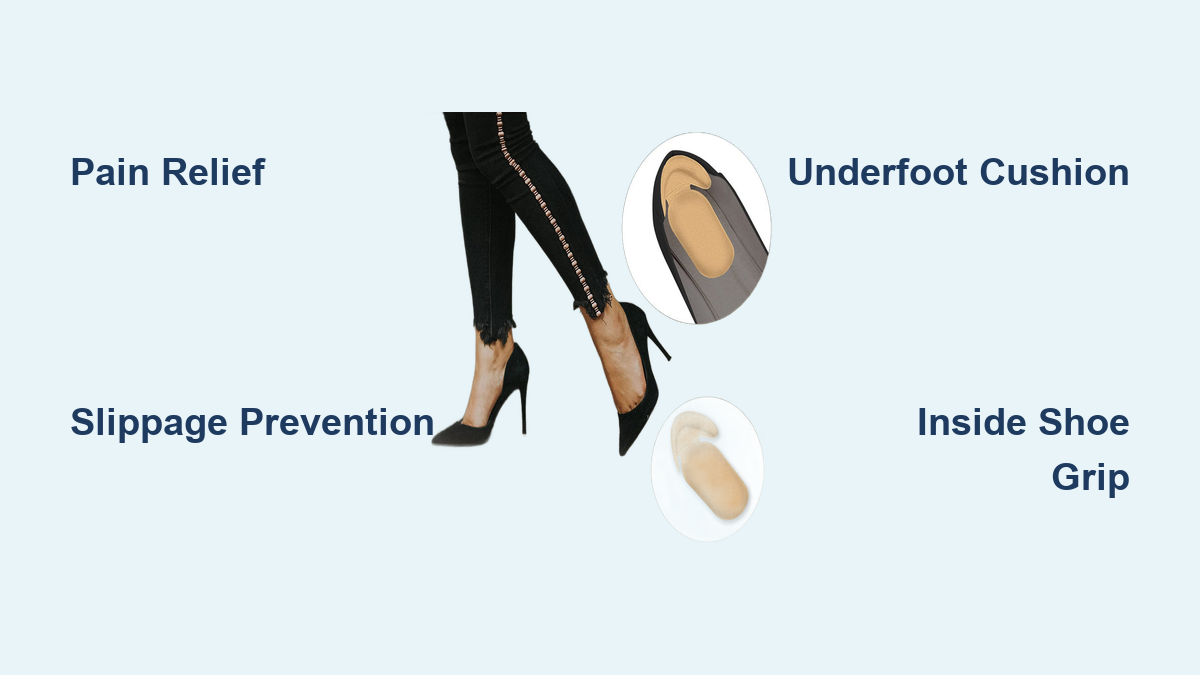
If you’ve ever winced with every step due to heel pain—or felt your foot slide out of your favorite pair of boots—you’re not alone. Millions of people struggle with foot discomfort, and many turn to products labeled heel cushions or heel grips for relief. But here’s the catch: these two accessories are not interchangeable, even though they’re often sold side by side in foot care sections.
So, what is a heel cushion vs a heel grip? Simply put:
– A heel cushion goes under your heel to absorb impact and relieve pain from conditions like plantar fasciitis or heel spurs.
– A heel grip sticks inside the back of your shoe to stop your heel from slipping and causing blisters.
Understanding this difference is critical. Using a heel grip when you need cushioning won’t ease your pain. Likewise, adding a cushion won’t stop your foot from sliding around in oversized shoes. This guide breaks down everything you need to know—from materials and placement to real-world performance—so you can choose the right solution and walk comfortably again.
Heel Cushion Purpose: Shock Absorption & Pain Relief
A heel cushion is designed to protect your foot from repetitive stress. It sits directly under the heel and compresses with each step, acting like a mini shock absorber.
Relieves Common Foot Conditions
Heel cushions are ideal if you suffer from medical or overuse-related heel pain. They help by:
- Reducing pressure on the plantar fascia, the band of tissue connecting your heel to your toes
- Minimizing strain on the Achilles tendon
- Softening impact during walking, standing, or running
Common conditions they assist with include:
– Plantar fasciitis – sharp morning heel pain
– Heel spurs – bony growths caused by long-term strain
– Achilles tendonitis – inflammation at the back of the heel
– Shin splints – pain along the shin from impact
– Prolonged standing jobs – nurses, teachers, retail workers
Pro tip: Some heel cushions include a 5–10mm heel lift, which slightly elevates the heel to reduce tension in the calf and Achilles—especially helpful during recovery.
Best Materials for Cushioning
Not all heel cushions perform the same. The material determines durability, comfort, and effectiveness.
| Material | Best For | Lifespan |
|---|---|---|
| Silicone | Long-term use, firm support | 6–12 months |
| Gel | Soft cushioning, mild pain | 3–6 months |
| PORON foam | High-impact, medical-grade needs | 6–12 months |
| EVA/memory foam | Light use, budget option | 1–3 months |
Premium options like Podotech Heel Cushion Pads combine slight elevation with shock-absorbing silicone to target plantar fasciitis symptoms directly.
Heel Grip Purpose: Prevent Slippage & Blisters
A heel grip doesn’t go under your foot—it attaches to the inside back wall of your shoe. Its job is to increase friction and keep your heel from rising with each step, which causes rubbing, hot spots, and blisters.
Solves Fit Issues, Not Pain
Heel grips are best when:
– Your shoes are slightly too big
– You’re breaking in new footwear, like stiff leather boots
– You wear fashion shoes—pumps, ballet flats, high heels—that tend to slip
Unlike heel cushions, they do not relieve chronic heel pain. But they do prevent the kind of irritation that leads to raw, painful heels.
User insight: “Heel grips if your heel is slipping. Insole if your foot is moving too much.” —OldKnightArtorias
How Heel Grips Work
They create a snugger fit by:
– Using textured surfaces (suede, leather, ridged foam) to grip your sock or skin
– Featuring strong adhesive backing to stay in place
– Coming in contoured shapes that match the heel cup of most shoes
When installed correctly, they can effectively tighten the fit by up to half a size.
Placement Differences: Underfoot vs Inside the Shoe

One of the biggest sources of confusion? Where each product goes.
Heel Cushions Go Under the Heel
- Placed on or under the insole, directly beneath the heel
- Can be standalone pads or part of full/¾-length insoles
- Designed to compress with each step
💡 Visual cue: After wearing your shoe, check if the pad has left an impression—it should stay centered under your heel.
Heel Grips Stick to the Back Lining
- Applied to the interior heel counter (the stiff back of the shoe)
- Peel-and-stick application—like a sticker
- Non-slip surface faces inward toward your heel
🔧 Installation tip (from KTE brand):
1. Clean the inside heel area with an alcohol wipe
2. Peel off the backing
3. Press firmly into place for 10–15 seconds
Avoid moisture during installation—this weakens adhesion.
Material Comparison: Cushioning vs Grip

The materials used reflect the core function of each product.
Heel Cushion Materials: Built for Impact
| Material | Features |
|---|---|
| Silicone | Durable, retains shape, excellent shock absorption |
| Gel | Softer feel, molds to heel, good for sensitive skin |
| PORON | Medical-grade foam, high resilience, used in orthotics |
| Foam (EVA/memory) | Affordable, lightweight, but flattens faster |
These materials are engineered to withstand repeated compression without breaking down quickly.
Heel Grip Materials: Designed for Friction
| Material | Features |
|---|---|
| Suede | Naturally grippy, soft, long-lasting (e.g., MATIE FIX) |
| Leather | Durable, improves grip over time |
| Cotton + adhesive | Breathable, padded comfort (e.g., KTE) |
| Self-adhesive foam | Thin, discreet, but may degrade with sweat |
Suede-based grips like Pedag Heel Hugs are praised for their “substantial” feel and durability.
When to Use a Heel Cushion

Choose a heel cushion when the issue is biomechanical stress or pain.
You Should Try a Heel Cushion If:
- Your heel hurts when you take your first steps in the morning
- You stand for long hours at work
- You run, jump, or play sports regularly
- You have diagnosed heel spurs or Achilles issues
- You want extra padding in work boots or athletic shoes
Expert note: While heel cushions help manage symptoms, they’re not a cure. Pair them with stretching, proper shoes, and medical advice when needed.
Look For:
- Medical-grade materials (silicone, PORON)
- Slight heel lift (5–10mm) for added tendon relief
- Full coverage under the heel for even pressure distribution
When to Use a Heel Grip

Use a heel grip when your shoe doesn’t fit right, not because your foot hurts.
You Should Try a Heel Grip If:
- Your heel slips out of new boots or shoes
- You get blisters at the back of your ankle
- Your pumps or flats feel loose
- You’re wearing shoes that run large
- You’re breaking in stiff leather footwear (e.g., Dr. Martens)
Real user case: Extension_Flow4410 used heel grips to stop rubbing while breaking in Doc Martens, then switched to insoles for long-term comfort.
Look For:
- Strong, sweat-resistant adhesive
- Breathable padding (cotton or suede)
- Low profile so it doesn’t bulge
- Durable material that won’t peel after days of wear
Brands like MATIE FIX and KTE are top-rated for lasting adhesion and comfort.
Can You Use Both Together?
Yes—but only if your shoe has enough room.
Combine for Dual Benefits:
- Heel cushion = pain relief underfoot
- Heel grip = better fit and reduced slippage
This combo works well if:
– Your shoes are slightly oversized and
– You have heel pain from plantar fasciitis or impact
⚠️ Caution: Adding both can reduce internal space, leading to toe crowding. In narrow shoes, opt for thin gel pads instead of bulky inserts.
Pro tip: If your shoe feels tight, try ball-of-foot pads—they push your foot back, improving heel fit without reducing volume.
Heel Cushion vs Heel Cup: Clearing the Confusion
Many confuse heel cushions with heel cups, but they’re not the same.
| Feature | Heel Cushion | Heel Cup |
|---|---|---|
| Design | Flat or low-profile pad | Rigid or semi-rigid cup shape |
| Support Type | Shock absorption | Structural stabilization |
| Best For | Pain relief from impact | Correcting heel alignment |
| Material | Soft: gel, silicone, foam | Harder: plastic, molded EVA |
| Function | Cushions impact | Cradles the heel bone |
While both go under the foot, heel cups offer more biomechanical control, making them better for alignment issues. However, heel cushions are superior for pure comfort and shock absorption.
Podiatrist insight: Heel cups alone often fail to treat plantar fasciitis because they lack arch support. Full orthotics are usually more effective.
How to Choose the Right Product
Follow this simple decision process:
Step 1: Identify Your Symptom
| Symptom | Solution |
|---|---|
| Heel pain with each step | Heel cushion (gel/silicone) |
| Blisters or rubbing at back of heel | Heel grip (suede/leather) |
| Shoes feel too big in the heel | Heel grip or ball-of-foot pad |
| Arch strain + heel pain | Full insole with arch support |
| New boots causing friction | Heel grip with padding |
Step 2: Match to Your Shoe Type
- Athletic/work shoes: Can fit both heel cushions and grips
- Dress shoes/pumps: Use low-profile heel grips
- Narrow shoes: Avoid thick cushions; try heel grips or ¾ insoles
- Open-back shoes: Heel grips won’t work—consider straps
Step 3: Pick the Right Material
- For pain: Silicone or PORON cushion
- For slippage: Suede or leather heel grip
- For temporary fix: Adhesive foam (replace monthly)
Top Brands & Real User Feedback
Heel Grips: What Users Say
- MATIE FIX: #1 best seller on Amazon; 4.3 stars from 13,985+ reviews; praised for 4D non-slip design and suede texture
- KTE Heel Grips: Known for strong adhesion, breathable cotton padding, lasts over 3 weeks
- Pedag / PediFix Heel Hugs: “Substantial” feel, ideal for minor size adjustments
- Foot Petals: Narrow design that “catches” the heel; also used for ball-of-foot padding
- Dr. Scholl’s: Mixed reviews—some say they become too smooth over time
Heel Cushions: Trusted Picks
- Podotech Heel Cushion Pads: Elevate the heel slightly, reduce plantar fascia strain
- Tuli’s Gel Heel Cups: Combine cushioning with light structure
- Superfeet CARBON Heel Pads: Medical-grade PORON foam for high-impact use
User tip: QueenMEB120 prefers ¾ insoles to avoid squeezing toes while still stabilizing the heel.
Final Decision Tree: Which Do You Need?
-
Does your heel hurt when you walk?
→ Yes: Try a heel cushion
→ No: Move on -
Does your heel slip out of the shoe?
→ Yes: Try a heel grip
→ No: You may not need either -
Do you have both heel pain and slippage?
→ Yes: Try both, if space allows -
Are your shoes too big overall?
→ Yes: Consider ½ insoles or ball-of-foot pads
Key Takeaways
✅ Heel Cushions Are Best For:
– Chronic heel pain (plantar fasciitis, heel spurs)
– Shock absorption during standing or sports
– Medical or long-term support needs
– Materials: Silicone, gel, PORON
✅ Heel Grips Are Best For:
– Heel slippage and shoe fit issues
– Preventing blisters and rubbing
– Breaking in new or slightly large shoes
– Materials: Suede, leather, adhesive foam
– Brands: MATIE FIX, KTE, Pedag, Foot Petals
📌 Pro Tip: If heel pain persists beyond a few weeks, consult a podiatrist. Accessories help, but they’re not replacements for diagnosis or treatment.
Now that you know the difference between a heel cushion and a heel grip, you can stop guessing—and start walking comfortably.