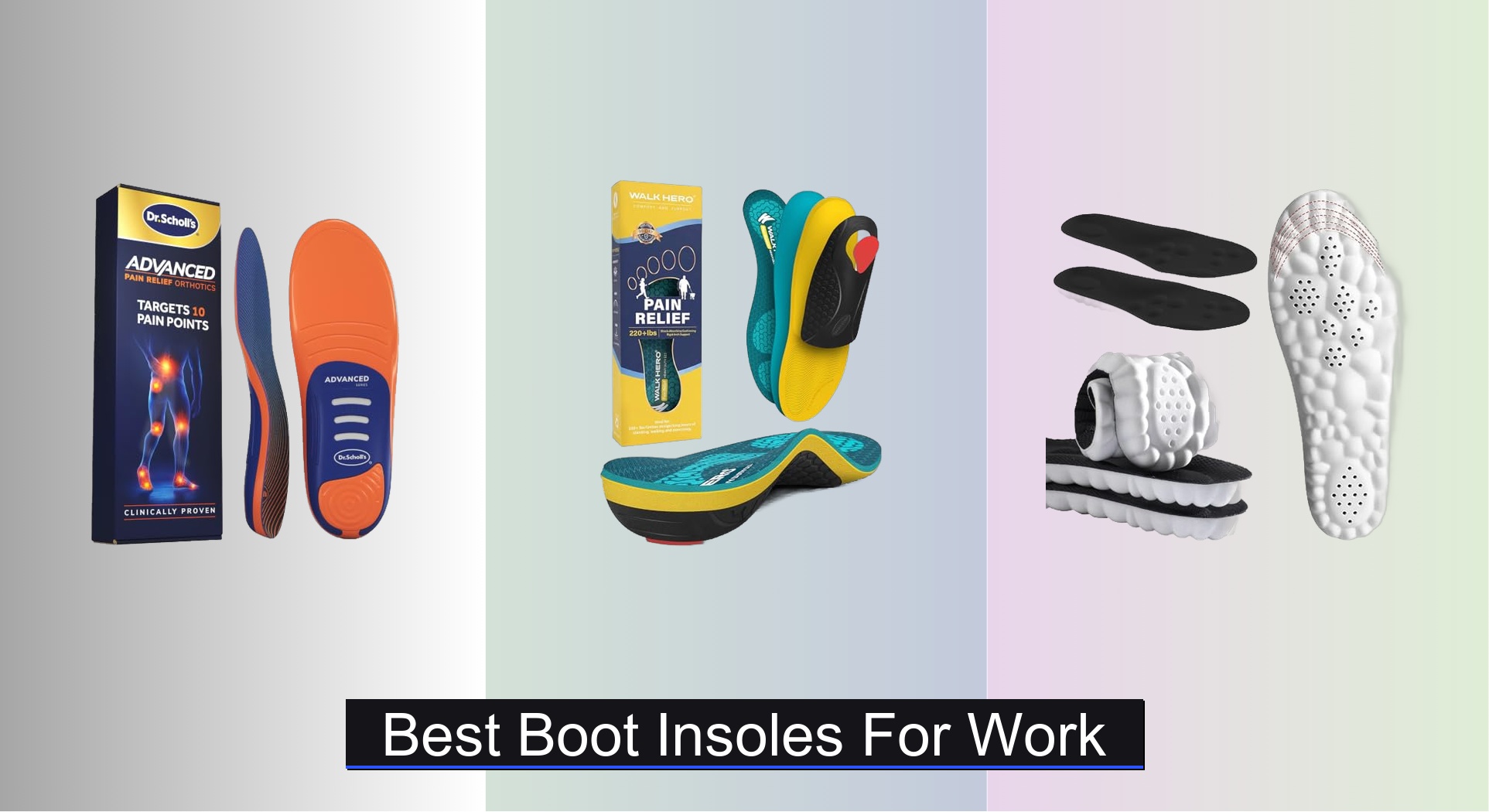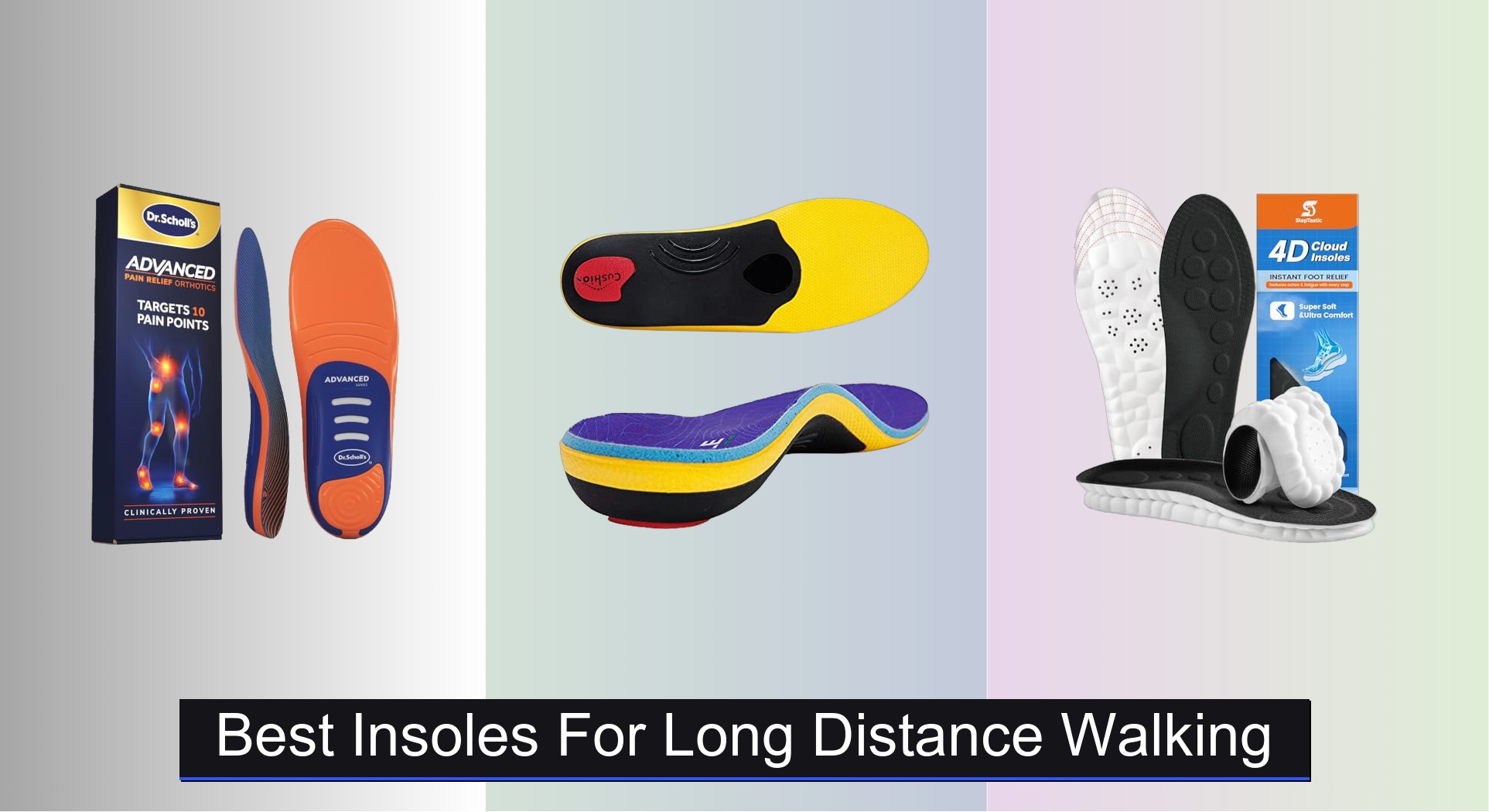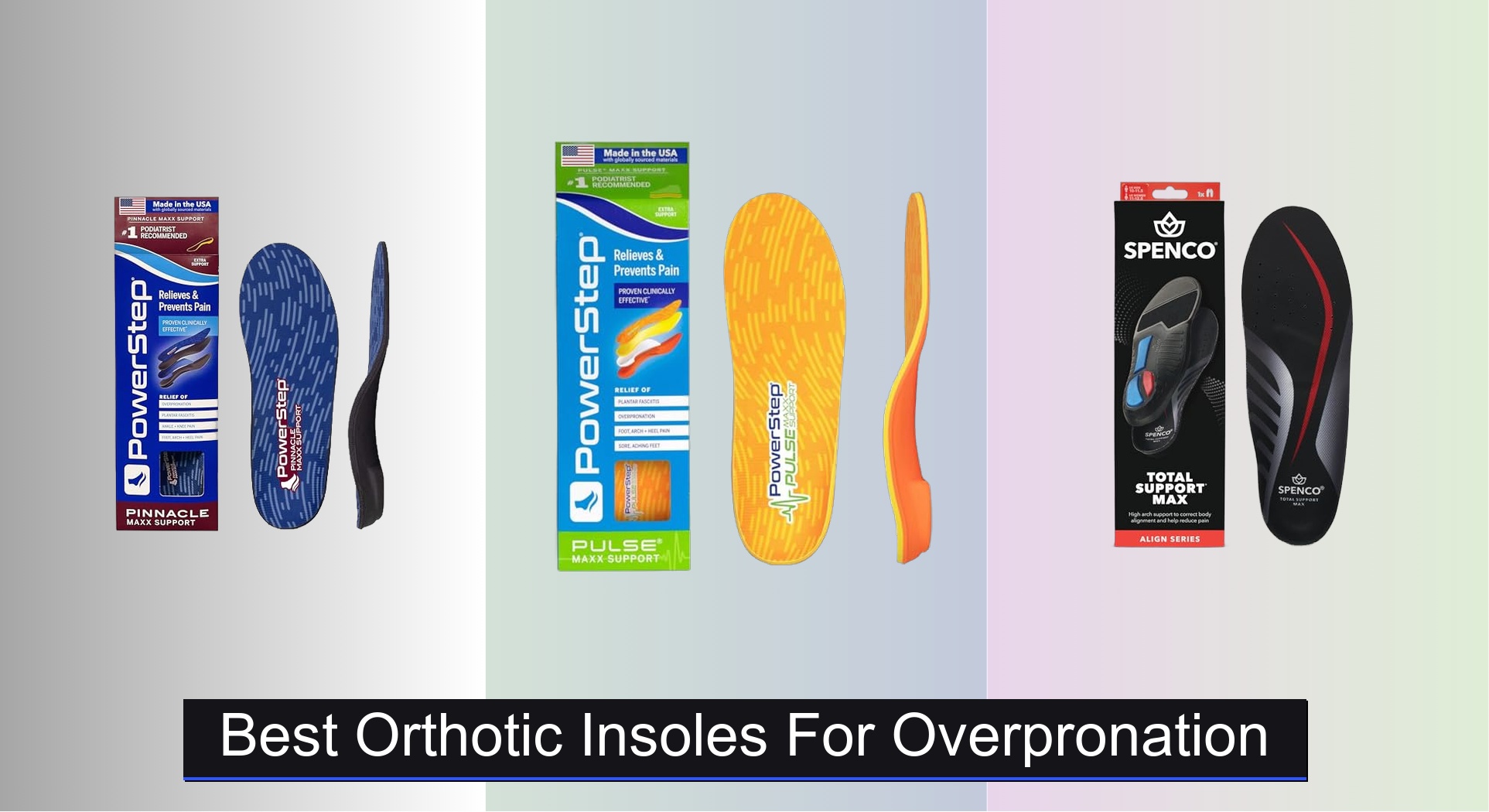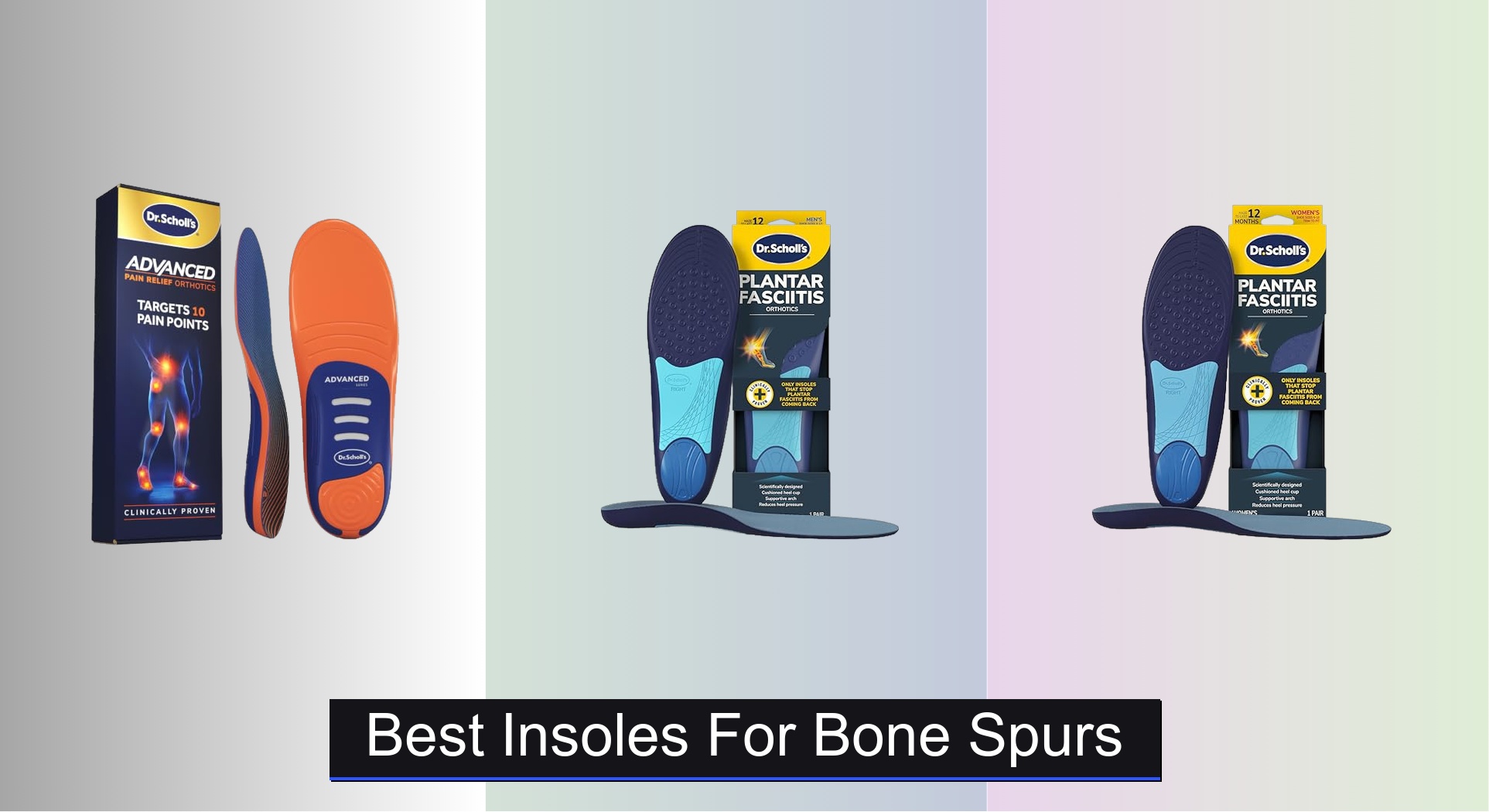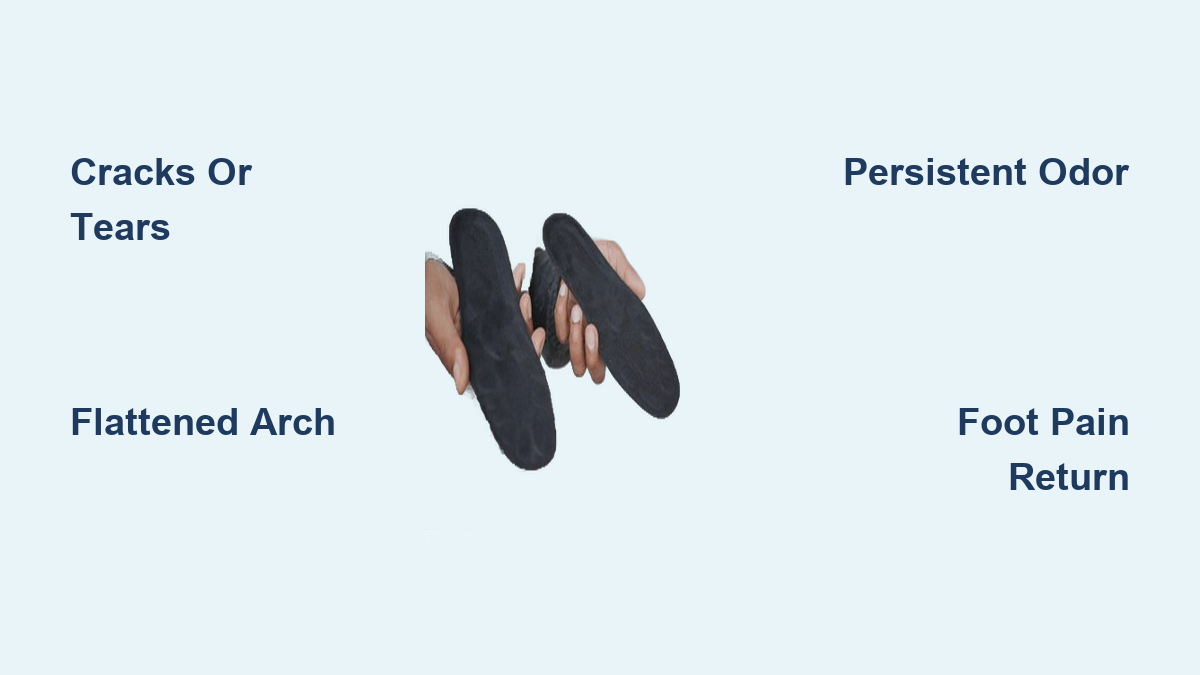
If your feet feel sore by lunchtime, your knees ache after a walk, or your favorite shoes suddenly seem uncomfortable, the problem might not be your footwear—it could be what’s inside them. Shoe insoles, whether over-the-counter, custom orthotics, or performance models like PowerStep, Naboso, or Protalus, lose their effectiveness over time. Daily pressure, moisture, and movement break down cushioning, flatten arch support, and weaken structural integrity—often without obvious warning.
Ignoring the signs means risking foot pain, poor posture, and joint strain in your knees, hips, and lower back. Unlike shoes, worn insoles don’t always show damage from the outside. That’s why it’s critical to know the hidden red flags. This guide breaks down the key signs your insoles are worn out, how to check them, and when to replace them—so you can protect your comfort, performance, and long-term foot health.
Visible Damage to Insole Structure

Physical deterioration is one of the clearest signals that your insoles have reached their limit.
Cracks, Tears, or Holes in the Foam
Foam breakdown isn’t just cosmetic—it’s functional failure. Look for splits along the arch, holes near the heel, or frayed edges. These create pressure points that can lead to blisters or calluses. Once the top layer is compromised, sweat, bacteria, and dirt penetrate deeper into the foam, accelerating decay from within.
Peeling or Separating Layers
Most quality insoles use multi-layer construction: a supportive core, cushioned base, and antimicrobial top fabric. When these layers begin to peel apart—especially around high-stress zones like the heel or arch—the insole loses shape, moisture-wicking ability, and shock absorption. Peeling often starts subtly but worsens with every step.
Flattened Heel Cup or Collapsed Sides
A firm heel cup stabilizes your foot and absorbs impact. If it feels soft or collapsed when you press it, it’s no longer doing its job. Without proper heel support, your foot is more likely to shift or roll, increasing strain on the plantar fascia and raising your risk of heel pain or plantar fasciitis.
Discoloration and Staining
Yellowing, dark sweat stains, or fading logos are more than just unsightly—they’re evidence of prolonged moisture exposure and material fatigue. Even if the insole still feels cushioned, discoloration often means the foam underneath has degraded and can no longer perform as intended.
Pro Tip: Remove your insoles monthly. Turn them over, flex them gently, and inspect both sides under good light to catch early signs of damage.
Loss of Cushioning and Support

An insole can look fine but still be functionally dead. Compression happens gradually, and many people don’t realize how worn their insoles are until they feel the difference in a new pair.
Foam No Longer Springs Back
Press your thumb into the heel and arch. If the foam stays indented instead of bouncing back, it’s lost its resilience. High-density EVA, memory foam, and gel inserts all degrade with use—especially under daily load. Without rebound, shock absorption plummets, sending more force up your legs with every step.
Flattened Arch Support
The arch is the foundation of foot alignment. When it sags, your foot collapses inward (overpronation), altering your gait. This can trigger flat feet symptoms, shin splints, or plantar fasciitis—even if your insole was originally meant to prevent them.
Compressed Metatarsal Padding
Insoles designed for ball-of-foot pain often include a raised pad under the forefoot. When this flattens, it stops offloading pressure and instead becomes a hard spot that increases discomfort—especially during running or prolonged standing.
Expert Note: Compression is silent. Many users only notice the problem when a fresh insole brings back that “springy” feeling they didn’t realize they’d lost.
Persistent Odor Despite Cleaning

A stink that won’t go away is more than embarrassing—it’s a health warning.
Smell That Won’t Wash Away
If your insoles still reek after airing out or washing, bacteria and fungi have likely colonized deep within the foam. Surface cleaning removes sweat, but degraded foam traps microbes where soap and air can’t reach.
Antimicrobial Protection Wears Off
Premium insoles like PowerStep and Remind include odor-fighting fabrics, but these treatments fade over time. Once the top layer breaks down, the foam absorbs more moisture—creating a breeding ground for athlete’s foot and fungal nail infections.
Musty or Sour Smell After Short Wear
If your insoles smell bad within hours, they’re past saving. Healthy insoles should stay fresh for a full day, even with regular sock use.
Quick Fix: Hand-wash weekly with mild antibacterial soap and air-dry completely. Never machine-wash or use heat—it warps the foam.
Foot, Knee, or Back Pain Returns
Pain is your body’s alarm. If old aches come back, worn insoles are a likely culprit.
Heel or Arch Pain Comes Back
If plantar fasciitis or flat-foot discomfort returns, check your insoles. A collapsed arch or flattened heel cup fails to correct your foot’s mechanics, leaving you unsupported. Custom orthotics can lose up to 50% of their corrective power when worn out.
New Joint Pain in Knees, Hips, or Back
Your feet are the base of your posture. When insoles fail, your gait shifts—often without you noticing. This misalignment transfers stress up your body, leading to chronic joint pain.
Increased Foot Fatigue
Do your feet burn or ache after just 30 minutes of standing? That’s a sign your insoles aren’t absorbing impact. Healthy cushioning reduces muscle fatigue—worn foam forces your feet to work harder.
Calluses or Corns Reappear
If friction spots return, your insoles may no longer hold your foot securely. Slippage causes rubbing, especially if the insole has shifted or lost its shape.
Clinical Insight: Patients often report pain relief within days of replacing old insoles—even without changing shoes.
Changes in Gait or Balance
Worn insoles can quietly alter how you walk, stand, or move.
Feeling Less Stable on Your Feet
Do you wobble on uneven ground? Does one foot feel less supported than the other? Asymmetric wear or general compression reduces balance—especially during sports or long walks.
Limping or Uneven Stride
A subtle limp may develop if one insole is more worn than the other. You might favor one leg unconsciously, leading to hip or back strain over time.
Posture Shifts
Look in the mirror: Are you leaning forward or to one side? Poor foot support can tilt your pelvis or exaggerate lower back curvature. This often shows up in activity photos or videos.
Pro Tip: Record yourself walking barefoot or in your daily shoes. Watch for foot collapse, heel drift, or uneven wear.
Reduced Performance During Activity
Athletes and active users feel insole wear faster—because every step counts.
Slower Recovery After Workouts
More joint soreness or muscle fatigue post-exercise? Worn insoles increase impact forces. Without proper cushioning, your body takes longer to recover.
Feeling “Off” While Running or Training
Even with good shoes, you might feel unstable, heavy, or inefficient. That’s often due to degraded insoles failing to support dynamic movement.
Needing to Adjust Your Form
If you’re shortening your stride, avoiding certain movements, or reducing intensity, your insoles may be holding you back.
Brand Insight: Remind and Protalus users report measurable improvements in agility and endurance after replacing insoles every 3–4 months.
Time-Based Replacement Guidelines
Even if they look fine, insoles have a shelf life.
| Insole Type | Replace Every |
|---|---|
| Everyday OTC | 6–12 months |
| Running | 3–4 months / 350–450 mi |
| Work Boots | 4–5 months |
| Custom Orthotics | 6–18 months (varies) |
| Naboso (textured) | 6–12 months |
| Protalus | 12 months |
| Aetrex Lynco | Up to shoe lifespan |
Rule of Thumb: When buying new shoes, consider new insoles—even if the old ones look okay.
Lifestyle or Body Changes That Demand New Insoles
Your feet change. Your insoles should too.
- Weight gain or loss alters foot pressure.
- New foot conditions (plantar fasciitis, flat feet) require updated support.
- Increased activity level demands performance insoles.
- Foot injury or surgery may change your foot shape or gait.
- Aging feet lose fat padding and arch height—softer, more supportive insoles help.
Clinical Advice: Reassess custom orthotics after any major life or health change.
Naboso-Specific: Loss of Textured Feedback
Naboso insoles are designed for barefoot stimulation—not just cushioning.
Flattened Pyramid Texture
The tiny pyramids stimulate foot nerves for better balance and proprioception. When worn down—especially in the heel or forefoot—you lose that sensory feedback.
Feeling “Disconnected” From the Ground
Users report feeling less grounded or stable when the texture flattens. This defeats the purpose of sensory-enhancing insoles.
Expert Tip: Keep two pairs and alternate daily to double their lifespan.
Final Checklist: When to Replace
Replace your insoles if any of these apply:
✅ Cracks, tears, or peeling layers
✅ Flattened arch, heel, or metatarsal pad
✅ Persistent odor after cleaning
✅ Return of foot, knee, hip, or back pain
✅ Less cushioning or stability when walking
✅ Over 6–12 months old (depending on use)
✅ Change in activity, weight, or foot health
✅ Decline in performance or comfort
✅ Custom insoles no longer fit right
Bottom Line: Replace insoles regularly—every 6–12 months for most users. Don’t wait for pain. Fresh insoles restore comfort, improve alignment, and protect your body from the ground up. Whether you use OTC, custom, or performance models like PowerStep, Remind, or Naboso, timely replacement is the simplest way to maintain foot health and overall well-being. When in doubt? Swap them out.