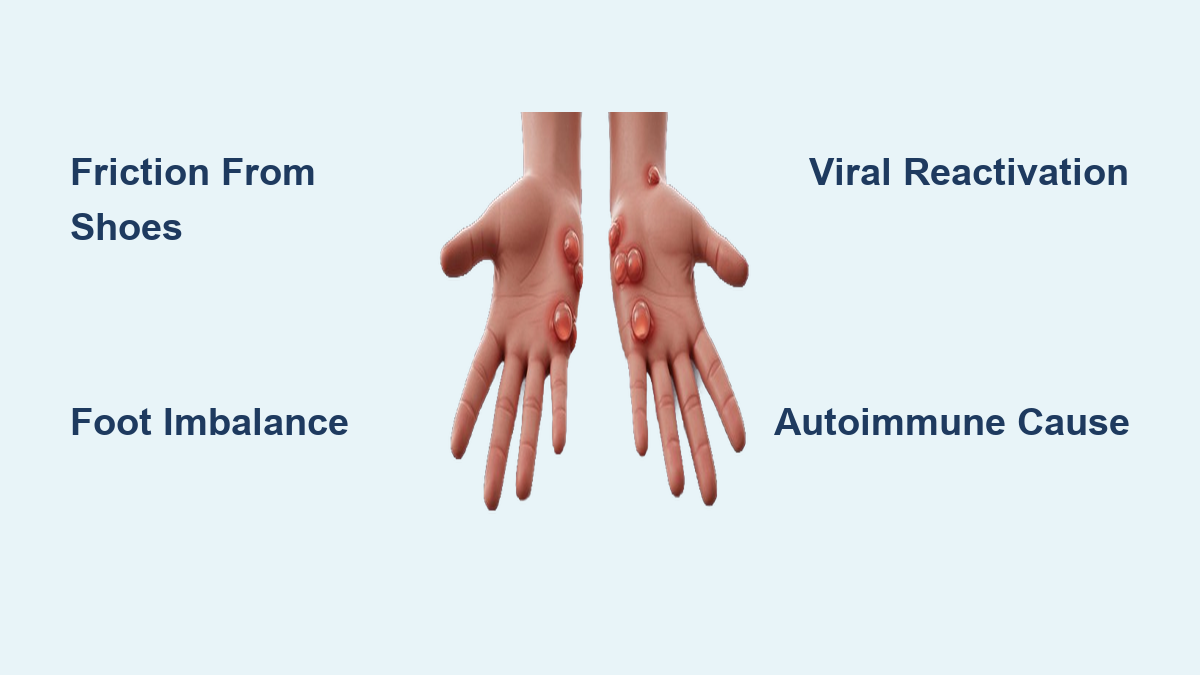
If you keep getting blisters in the same spot—on your heel, toe, palm, or fingertip—it’s not just bad luck. Recurring blisters are rarely random. They’re your body’s way of signaling that something is repeatedly damaging your skin. Whether it’s a runner plagued by blisters on the second toe of one foot, a mechanic developing calluses and blisters in the same grip zone, or someone experiencing painful cold sores on the corner of the lip every few months, the pattern matters. These repeat episodes point to ongoing friction, structural imbalances, environmental exposure, or even underlying medical conditions. Ignoring them can lead to chronic pain, infection, or worsening disease. This guide breaks down every possible cause of recurring blisters in the same location—so you can stop treating symptoms and start fixing the real problem.
Friction from Repetitive Motion
The most common reason blisters return to the same spot is repeated mechanical stress. This happens when skin rubs against shoes, tools, gloves, or equipment over and over, especially during physical activity.
Why Shear Forces Create Repeat Blisters
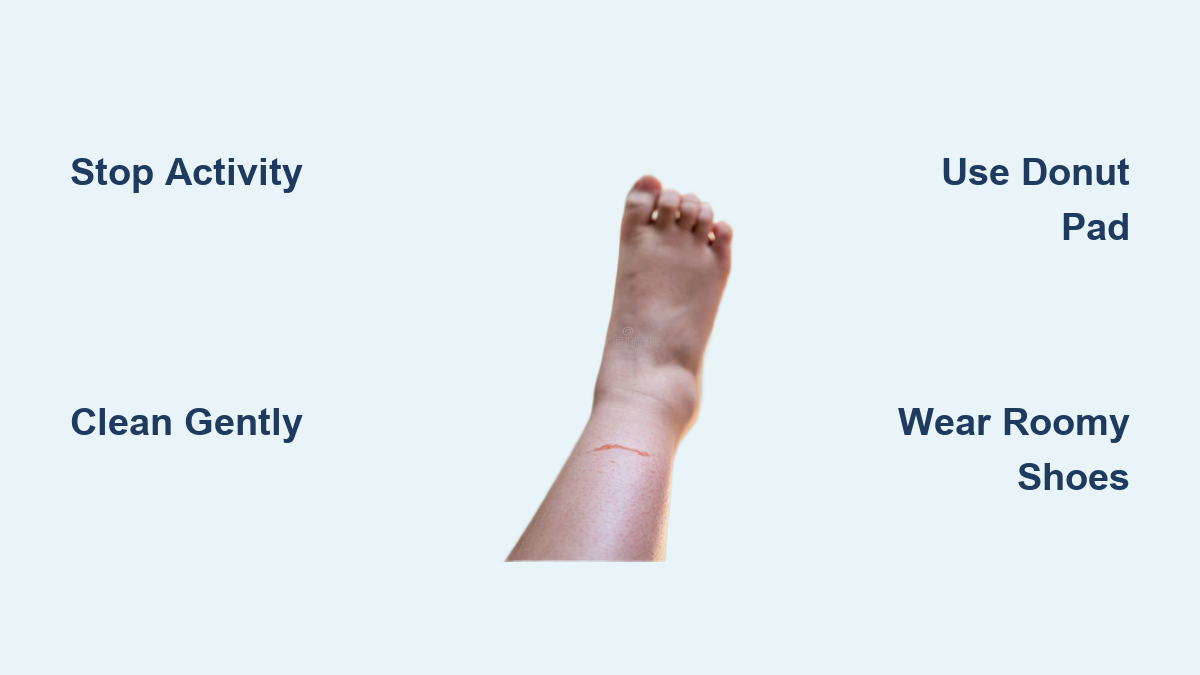
Blisters aren’t caused by simple rubbing—they form due to shear stress, where bones move under the skin while the outer layer stays in place. This pulls the layers of skin apart, creating a gap that fills with fluid (serum) to protect the area. If the same motion continues—like running in ill-fitting shoes or gripping a hammer the same way every day—the blister breaks, heals, and then reforms the next time the stress occurs.
This cycle is especially common on feet and hands, where repetitive movement is constant. The body may even thicken the skin in response, forming calluses that eventually crack and blister again under pressure.
Everyday Friction Triggers You Might Overlook
- Loose or tight footwear: Shoes that slip at the heel cause constant rubbing; tight ones crush toes with every step.
- Wet or sweaty skin: Moisture softens the epidermis, making it more vulnerable to tearing.
- Cotton socks: Unlike moisture-wicking synthetics, cotton holds sweat against the skin.
- Unbroken-in shoes: Stiff materials create hotspots before conforming to your foot shape.
- Poorly padded gloves: Thin or worn gloves fail to protect palms during tool use.
How to Break the Friction Cycle
- Wear synthetic-blend socks (acrylic, nylon, or merino wool) that pull moisture away.
- Apply blister-resistant tape (like Leukotape or 3M Micropore) or gel toe caps before activity.
- Stick ENGO patches inside shoes to reduce friction at the source—these low-friction materials work better than insoles.
- Gradually break in new shoes by wearing them around the house for short periods first.
Structural Imbalances in Feet or Hands

Even with perfect gear, some people blister in the same spot due to anatomical differences between limbs. One foot or hand may bear more pressure simply because of how it’s built or functions.
How Asymmetry Leads to Repeated Blisters
Your body isn’t perfectly symmetrical—and small differences can have big effects:
- Leg length discrepancy: A difference as small as 5 mm can alter your gait, increasing pressure on one foot.
- Foot shape variation: One foot may be wider, narrower, or have a higher arch.
- Toe deformities: Hammertoes, claw toes, or bunions create unnatural pressure points.
- Past injuries: A sprained ankle or broken toe can change how you walk or grip.
- Muscle imbalances: Weakness in calf or foot stabilizer muscles affects how your foot rolls during movement.
These imbalances mean one limb consistently absorbs more stress, leading to recurring blisters in predictable spots.
Real-World Case: Runner’s Toe Blisters
A runner repeatedly gets blisters on the tip of the right second toe. Why? Imaging reveals the right second metatarsal is slightly longer than the left. During push-off, that toe hyperextends and presses hard into the shoe, creating shear and pressure. The left toe remains flat and blister-free. Without correcting the imbalance, the blisters will keep returning.
Fixing the Root Cause
- Get a gait analysis from a podiatrist or physical therapist.
- Use custom orthotics to redistribute pressure evenly across the foot.
- Strengthen foot and ankle muscles with targeted exercises (e.g., toe curls, heel raises).
- Choose shoes with a wider toe box or add metatarsal pads to relieve pressure.
Activity-Specific Pressure Points

Daily routines and jobs often involve repetitive motions that target the same skin area again and again.
High-Risk Behaviors for Recurring Blisters
- Driving: In right-hand drive countries, the right foot constantly presses the accelerator and brake.
- Gardening: Bracing a shovel with the left foot creates friction on the instep.
- Running on sloped roads: One foot is lower, increasing impact and shear forces.
- Manual labor: Using drills, hammers, or rakes without gloves causes palm blisters in the same grip zone.
Over time, these habits create “hotspots” where blisters form predictably.
How to Reduce Activity-Related Blisters
- Change your technique: Shift foot position when gardening or driving.
- Use protective gear: Wear padded gloves or gel insoles.
- Alternate sides: Switch which foot you stand on if you’re on your feet all day.
- Rotate tasks: Avoid doing the same motion for hours without breaks.
Trauma-Induced Blisters That Return
Some blisters result from physical injury, not friction. When the cause isn’t removed, they come back in the same place.
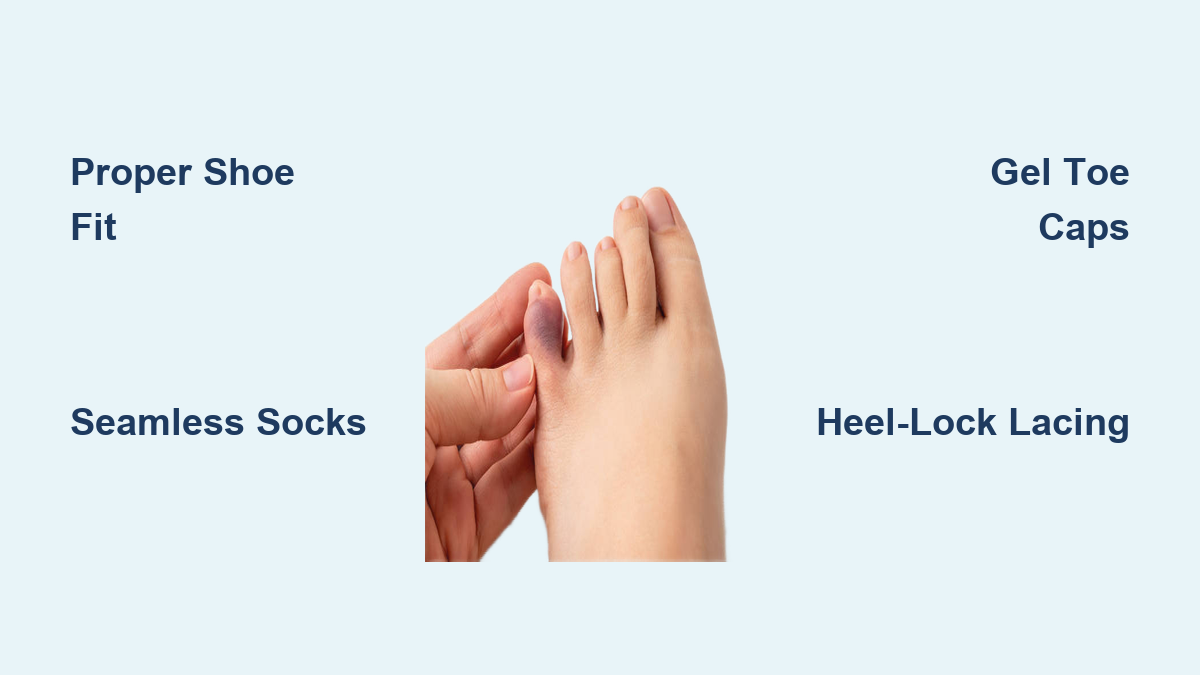
Blood Blisters from Pinching or Crushing
Blood blisters occur when small blood vessels rupture under the skin due to pinching or pressure.
- Common causes:
- Toes jammed in tight shoes.
- Fingers caught in doors or tools.
- Dropping heavy objects on feet.
They appear red, purple, or black and are more painful than friction blisters.
Why They Keep Coming Back
If you continue wearing narrow shoes or using a tool carelessly, the trauma repeats. For example, someone who wears pointy dress shoes may get a blood blister on the same toe every time they bend down.
How to Prevent Recurring Blood Blisters
- Wear properly fitted footwear—especially in the toe box.
- Use protective caps or padding on fingers during risky tasks.
- Keep workspaces organized to avoid accidents.
- Never pop blood blisters—they’re more prone to infection and delay healing.
Heat and Cold Exposure Risks
Extreme temperatures can cause blistering, and if exposure continues, blisters return to the same vulnerable areas.
Heat Blisters from Burns
Second-degree burns damage the upper skin layers, causing fluid-filled blisters.
- Common sources:
- Touching hot stoves, irons, or grills.
- Severe sunburn (especially with photosensitizing meds like doxycycline).
- Steam or scalding liquids.
Cooks, welders, and outdoor workers are at high risk.
Preventing Heat-Related Blisters
- Wear heat-resistant gloves in the kitchen or workshop.
- Apply SPF 30+ sunscreen daily, especially on hands and face.
- Avoid peak sun hours (10 a.m.–4 p.m.).
- Check medications for sun sensitivity warnings.
Cold-Induced Blisters (Frostbite)
In freezing conditions, frostbite can cause blisters on fingers, toes, nose, or ears after rewarming.
- Appearance: Clear or blood-filled blisters.
- Recurrence risk: Higher if circulation is poor or exposure continues.
How to Avoid Cold Blisters
- Wear insulated, moisture-wicking gloves and socks.
- Layer clothing to trap heat.
- Keep extremities dry—wet skin loses heat faster.
- Limit time outdoors in extreme cold.
Viral Infections That Recur in the Same Spot

Some blisters return in the exact same place because a virus lies dormant in nerves and reactivates along the same pathway.
Herpes Simplex (Cold Sores and Genital Herpes)
HSV-1 (oral) and HSV-2 (genital) cause clusters of painful, fluid-filled blisters that heal and return in the same dermatome.
- Triggers: Stress, illness, sun exposure, menstruation, weakened immunity.
- Pattern: Tingling → redness → blisters → crusting → healing.
- Recurrence: Virus hides in nerve ganglia (e.g., trigeminal for lips) and reactivates.
Managing HSV Recurrences
- Take antivirals early (acyclovir, valacyclovir) to shorten outbreaks.
- Use daily suppressive therapy if you have frequent episodes.
- Avoid triggers like UV light (wear SPF lip balm).
- Don’t touch blisters—can spread virus to eyes or other skin areas.
Shingles (Herpes Zoster)
Caused by reactivation of the chickenpox virus (VZV) in nerve roots.
- Location: One side of the body, in a band-like pattern (thoracic, facial, lumbar).
- Symptoms: Burning pain → red rash → blisters → crusting.
- Recurrence: Possible, especially in immunocompromised people.
Preventing Shingles
- Get the Shingrix vaccine (recommended for adults 50+).
- Treat early—antivirals work best within 48 hours of rash onset.
Autoimmune Blistering Diseases
Rare but serious, these conditions cause the immune system to attack skin proteins, leading to chronic, recurring blisters.
Bullous Pemphigoid
- Who it affects: Usually over age 70.
- Blisters: Large, tense, itchy—on arms, legs, abdomen.
- Cause: Antibodies attack skin adhesion proteins (BP180/BP230).
- Treatment: Corticosteroids, immunosuppressants, doxycycline.
Pemphigus Vulgaris
- Blisters: Flaccid, rupture easily, leave painful sores.
- Location: Mouth, scalp, skin.
- Cause: Antibodies attack desmoglein proteins (cell glue).
- Treatment: High-dose steroids, rituximab, long-term immunosuppression.
Dermatitis Herpetiformis
- Linked to celiac disease.
- Symptoms: Intensely itchy blisters on elbows, knees, buttocks.
- Treatment: Dapsone (for symptoms) + strict gluten-free diet (to stop recurrence).
Chronic Skin Conditions That Cause Blisters
Some skin disorders flare up cyclically, causing recurring blisters in predictable areas.
Dyshidrotic Eczema (Pompholyx)
- Blisters: Tiny, deep, itchy—on palms, fingers, soles.
- Triggers: Stress, sweat, nickel/cobalt exposure, allergies.
- Pattern: Flares every few weeks or months.
- Treatment: Topical steroids, moisturizers, phototherapy.
Contact Dermatitis
- Allergic or irritant reaction to substances like poison ivy, nickel, or latex.
- Blisters: Red, weepy, itchy—appear where skin touched the trigger.
- Recurrence: Happens every time you re-expose the area.
- Solution: Patch testing to identify allergens; avoid them.
When to See a Doctor
Not all recurring blisters are from shoes or burns. Seek medical help if:
- Blisters return without clear cause.
- They appear in the same nerve pathway (suggesting HSV or shingles).
- You have mouth or genital blisters.
- There are systemic symptoms (fever, fatigue).
- Blisters are widespread or painful.
- You suspect an autoimmune or genetic condition.
Final Note: Recurring blisters in the same spot are your body’s warning sign. Whether it’s a shoe issue, a nerve-based virus, or a systemic condition, identifying the cause stops the cycle. Don’t ignore the pattern—act on it. With the right adjustments, most causes of recurring blisters can be managed or eliminated.