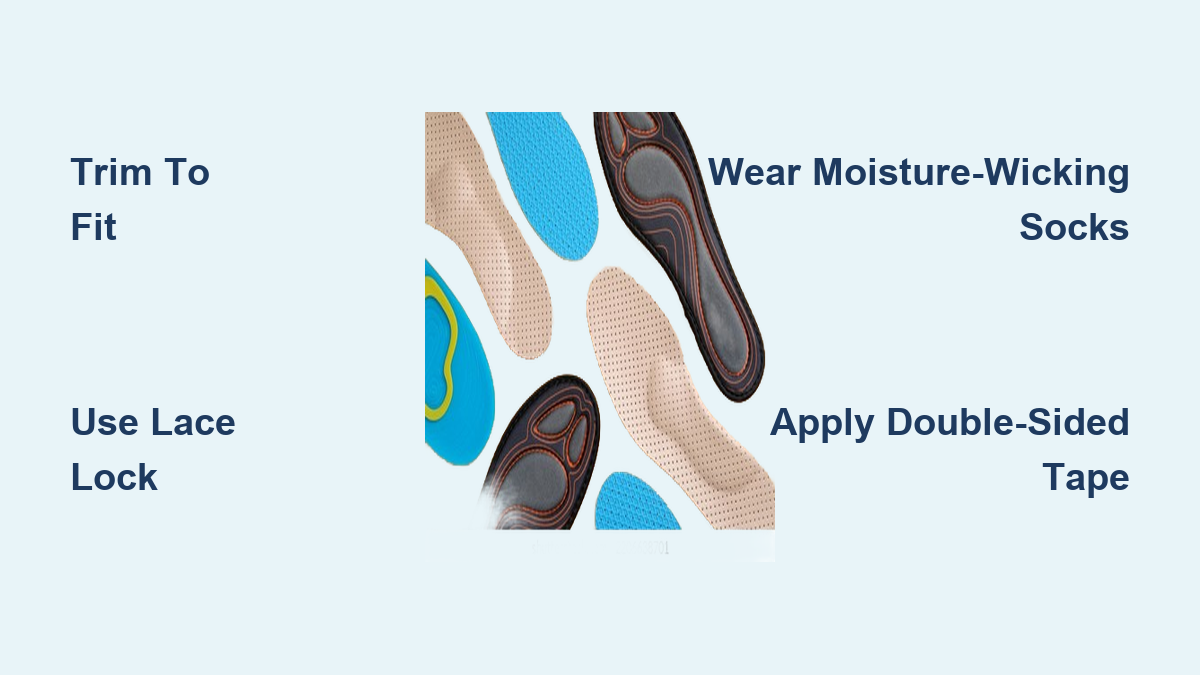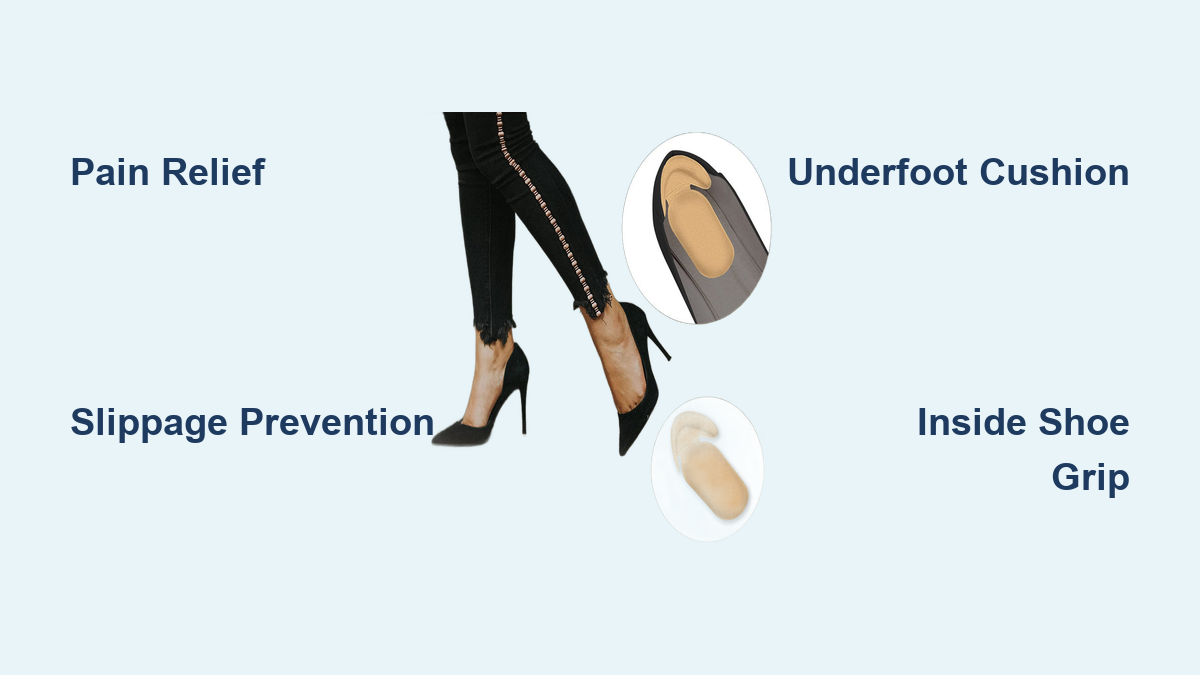
If you’ve ever stood on concrete for hours, pounded the pavement on a morning run, or struggled with foot pain after a long day, you know how much difference the right insole can make. The secret often comes down to one critical choice: EVA vs gel. These two materials dominate modern footwear cushioning, each offering distinct benefits in comfort, support, and durability.
EVA (Ethylene Vinyl Acetate) is the lightweight, resilient foam found in everything from running shoes to work boots. It delivers reliable, long-lasting support—ideal for high-mileage use. On the other hand, gel insoles are prized for their plush, pressure-relieving feel, absorbing impact like a shock absorber under your heel. They’re often described as “walking on clouds” and are a go-to for people dealing with foot or joint pain.
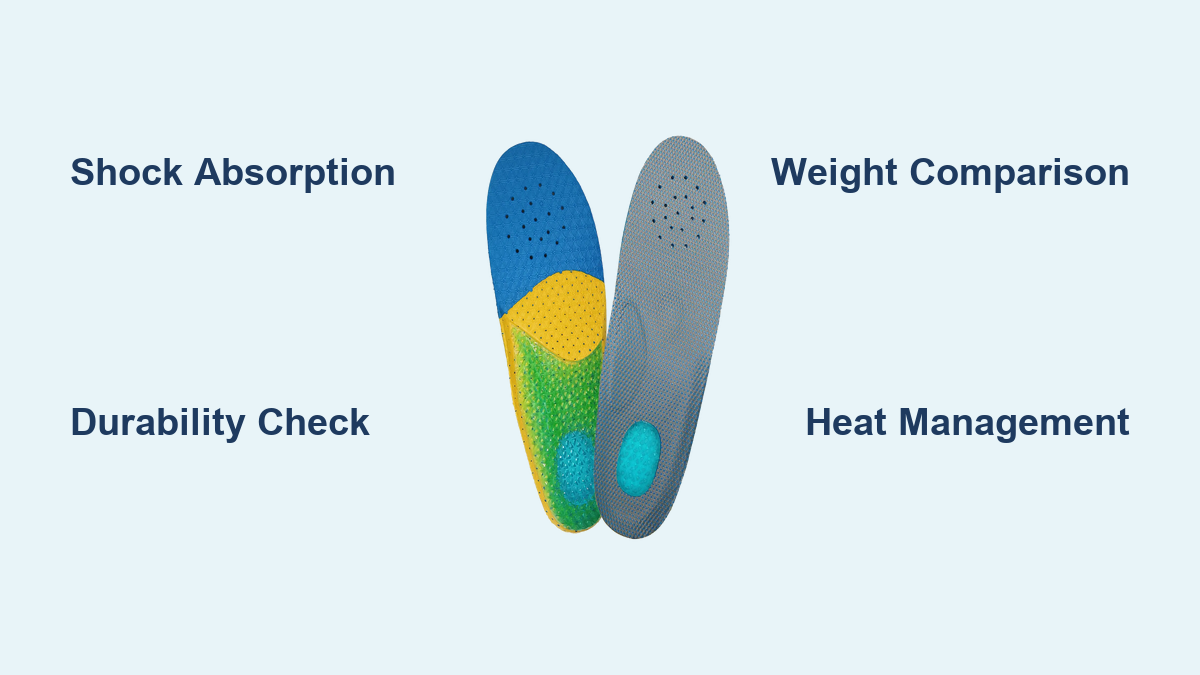
But which one should you choose? Is EVA better for runners? Does gel really offer superior comfort—or just a short-lived softness? In this guide, you’ll get a clear, side-by-side comparison of EVA and gel insoles based on shock absorption, durability, weight, heat management, and real-world performance. You’ll also discover why the best solution might not be choosing one over the other—but combining both.
EVA Insoles: Lightweight & Long-Lasting Support
EVA is the backbone of performance footwear for a reason. As a closed-cell foam, it resists moisture, maintains its shape, and offers consistent cushioning over time—making it a favorite in athletic and work shoes alike.
Why EVA Powers Performance Shoes
From Nike’s React foam to Adidas’ Lightstrike and Hoka’s signature cushioning, EVA-based midsoles dominate high-performance footwear. The reason? EVA strikes a rare balance: lightweight, durable, and supportive. It’s engineered to withstand thousands of steps without collapsing, which is crucial for runners, hikers, and professionals on their feet all day.
High-density EVA, in particular, is built to last. It can endure 400+ miles of running or standing before showing signs of wear. Unlike softer foams that break down quickly, EVA maintains its structure, providing predictable support with every step.
Pro Tip: Super-critical EVA foams—like Nike ZoomX—offer enhanced energy return, making them bouncier and more responsive than standard EVA. These are increasingly used in elite running shoes for maximum efficiency.
Shock Absorption: Steady, Not Spectacular
EVA absorbs about 50% of impact force during heel strike. While that’s not the highest in the game, it’s consistent. You won’t get the instant plushness of gel, but you also won’t experience a sudden drop in performance as the material degrades.
For endurance athletes, this predictability is key. Runners don’t want their shoes to feel great on mile one and flat by mile ten. EVA delivers a stable, reliable ride—perfect for long distances and daily wear.
Best Uses for EVA Insoles
- Running and hiking shoes: Lightweight and resilient under repeated impact.
- Work and safety footwear: Maintains shape under heavy loads and long shifts.
- Casual and everyday shoes: Low maintenance, supports all-day comfort.
- Hybrid insoles: Often used as a base layer with gel or memory foam for added softness.
Durability That Stands the Test of Time
One of EVA’s biggest strengths is longevity. With regular use, EVA insoles last 6–12 months, and sometimes longer in low-impact shoes. You’ll know it’s time to replace them when the foam looks visibly compressed or you start feeling more foot fatigue.
Warning: Not all EVA is created equal. Low-density EVA compacts faster. Look for high-density, dual-density, or super-critical EVA for better durability and energy return.
Who Should Choose EVA?
- Runners logging high mileage
- Healthcare workers, retail staff, or warehouse employees on their feet for 8+ hours
- Hikers and outdoor enthusiasts needing stable, long-lasting support
- Anyone who values support and durability over a soft, squishy feel
Gel Insoles: Maximum Impact Protection & Instant Comfort
Gel insoles are designed for one thing: shock absorption. Made from silicone or thermoplastic gel, they cushion your feet by spreading pressure laterally—reducing peak impact on your heels, joints, and spine.
How Gel Outperforms in Impact Zones
Unlike foam that compresses vertically, gel flows and redistributes force, making it one of the most effective materials for dampening high-impact forces. It absorbs up to 60% of shock, outperforming EVA by a noticeable margin.
That extra 10% matters for people with plantar fasciitis, heel spurs, or knee pain. Gel’s fluid-like behavior cushions the heel and forefoot exactly where impact hits hardest—delivering a sensation many describe as “walking on mini trampolines.”
Immediate Comfort, But Shorter Lifespan
The trade-off? Gel doesn’t last as long. Under heavy use, it typically degrades after 100–200 miles, losing its responsiveness and becoming “mushy” or even developing micro-cracks—especially in extreme heat.
Still, the instant comfort makes gel a favorite for:
– People needing pain relief
– Athletes in high-impact sports
– Users in hot climates (thanks to its cooling effect)
Cooling Effect for Hot Feet
One of gel’s underrated advantages is its thermal conductivity. Unlike memory foam, which traps heat, gel dissipates it—giving a cool, refreshing sensation on contact. This makes gel insoles a smart choice for sweaty feet or warm environments.
Note: If the top cover isn’t breathable, heat can still build up. Look for gel insoles with moisture-wicking fabric to maximize comfort.
Best Uses for Gel Insoles
- High-impact sports: Basketball, tennis, jumping drills
- Therapeutic footwear: Diabetic shoes, orthotics, pain relief inserts
- Casual comfort shoes: Skechers, Dr. Scholl’s, and slip-ons
- Heel pain relief: Often used in gel heel cups or forefoot pads
Who Should Choose Gel?
- People with joint pain, arthritis, or foot conditions
- Athletes in stop-start, explosive sports
- Older adults seeking plush, cushioned comfort
- Anyone wanting immediate softness rather than long-term support
EVA vs Gel: Head-to-Head Comparison

| Feature | EVA Insoles | Gel Insoles |
|---|---|---|
| Shock Absorption | ~50% impact reduction | ~60% impact reduction (superior) |
| Durability | 400+ miles; long-lasting | 100–200 miles; degrades faster |
| Weight | Extremely lightweight | Heavier; adds shoe bulk |
| Feel | Firm, supportive, bouncy | Soft, squishy, plush |
| Energy Return | Moderate rebound | Low; absorbs energy |
| Heat Regulation | Slightly warm | Cooling on contact |
| Support Level | Moderate to high | Low; needs structural base |
| Arch Support | Moldable for support | None unless combined |
| Cost | $4–$7 (affordable) | $6–$10 (higher end) |
| Best For | Long wear, running, work | Pain relief, high impact, short-term use |
When to Use Each Material

For Runners: EVA for Endurance, Gel for Joint Protection
- Choose EVA if you run long distances or prioritize lightweight efficiency. Marathoners and trail runners rely on EVA for its resilience.
- Choose Gel if you’re prone to joint pain or run on hard surfaces. Many premium shoes (like ASICS GEL series) use gel in the heel for targeted protection.
Smart Move: Look for hybrid designs—EVA midsole with gel heel insert—for balanced performance.
For Workers: EVA for All-Day Wear, Gel for Hard Floors
- EVA is ideal for warehouse, retail, or healthcare workers who need lightweight, durable support over 8–12 hour shifts.
- Gel + PU foam combos work better for those standing on concrete all day. The gel cushions impact, while the foam adds structure.
Avoid full gel insoles in tight safety shoes—they can feel bulky and reduce stability.
For Foot Pain: Gel for Immediate Relief, EVA for Long-Term Support
- Plantar fasciitis or heel spurs? Start with gel heel pads—they reduce pressure instantly.
- But for lasting relief, pair gel with EVA-based orthotics that include arch support. Gel alone won’t correct overpronation.
Diabetic users: Gel is often used in medical footwear for pressure redistribution, but must be paired with non-irritating, breathable covers.
For Athletes: Gel for Explosive Moves, EVA for Endurance
- Basketball or tennis players: Gel protects joints during quick cuts and jumps.
- Cross-trainers and hikers: EVA offers better stability and less fatigue over time.
Elite tip: Some high-performance insoles (like Tread Labs Dash) combine EVA with carbon fiber for energy transfer and support.
Hybrid Insoles: Best of Both Worlds
The future of foot comfort isn’t EVA or gel—it’s EVA and gel.
Smart insole designs now layer materials to maximize benefits:
– Gel + EVA base: Gel pads in heel/forefoot on a lightweight EVA platform
– Gel + PU foam: For long-lasting comfort in premium safety shoes
– EVA + memory foam top: Softer feel without sacrificing structure
Example: Tread Labs Insole System
- Base: High-density EVA or plastic arch support
- Top Cover: Breathable, recycled fabric
- Optional Gel Pads: Add-on heel cushioning for pain relief
- Result: Support, durability, comfort, and customization in one
Why it works: EVA provides structure; gel enhances impact zones.
Maintenance Tips for Longer Life

EVA Insole Care
- Lifespan: 6–12 months (up to 18 in casual shoes)
- Care Steps:
- Remove and air out weekly
- Hand wash with mild soap—don’t soak
- Replace if compressed or cracked
- Pro Tip: Brands like Tread Labs offer lifetime arch guarantees—replace foam layers, keep the base
Gel Insole Care
- Lifespan: 3–6 months under heavy use
- Care Steps:
- Wipe with damp cloth—no submersion
- Avoid direct heat (don’t dry near radiators)
- Check for leaks or bulging
- Warning: Leaving gel insoles in hot cars can accelerate breakdown
Sustainability: What’s Greener?
EVA: Recyclable but Petroleum-Based
- Pros: Lightweight (low shipping emissions), recyclable in some facilities
- Cons: Made from fossil fuels, involves VOCs in production
- Innovation: Brands like INSITE use plant-based EVA blends to reduce environmental impact
Gel: Hard to Recycle, Long in Landfills
- Pros: Durable in short bursts, reusable
- Cons: Silicone and thermoplastic gels are non-biodegradable and hard to recycle
- Future: Early-stage algae-based gels are being tested—watch for eco-upgrades
Eco-Friendly Leaders
- Tread Labs: Uses 100% recycled fabric and offers a recycling program for old insoles
- INSITE: Focuses on low-waste molding and sustainable foam sourcing
Final Verdict: Choose Based on Your Needs
There’s no universal winner in EVA vs gel—only the right choice for your feet.
Choose EVA If You Need:
- Lightweight, long-lasting support
- High-mileage durability
- Stability for running or work
- Cost-effective, low-maintenance comfort
Choose Gel If You Want:
- Maximum shock absorption
- Immediate relief from foot or joint pain
- A plush, cooling feel
- Short-term comfort for high-impact use
The Smartest Move? Combine Both.
Look for hybrid insoles that use EVA as the foundation and gel in high-impact zones. This gives you the durability of foam with the cushioning of gel—perfect for runners, workers, and anyone who wants both support and softness.
Whether you’re replacing insoles or buying new shoes, match the material to your activity, foot type, and environment. With the right choice—EVA, gel, or a blend—you’ll walk farther, stand longer, and feel better with every step.