
Disclosure: This article may contain affiliate links. If you buy through them, we may earn a small commission at no extra cost to you. This article is for general education and is not medical advice.
Rough, thick patches on the heels and soles can make sandals look less appealing and shoes feel uncomfortable. A callus shaver is one of the fastest tools for smoothing them, but it is also a blade, and blades demand respect. Used correctly, it gives salon-smooth results at home. Used carelessly, it can cause cuts, infection, and sore skin that is worse than the callus you started with.
This guide explains how to use a callus shaver safely at home: who should avoid it, how to prepare, the exact technique, what to do afterward, the most common mistakes, and what to look for when buying one.
Quick Answer: The Safe Way in 6 Steps
- Inspect your feet for cuts, redness, warts or infection. Skip the session if you find any.
- Prepare the skin according to your tool’s instructions (many blade shavers are used on dry skin, files on damp skin).
- Hold the blade nearly flat against the callus.
- Use short, light strokes in one direction. Never saw back and forth.
- Stop early. Leave a thin layer of callus. Never go down to pink or tender skin.
- Clean the blade and moisturize your feet.

What Is a Callus Shaver and How Does It Work?
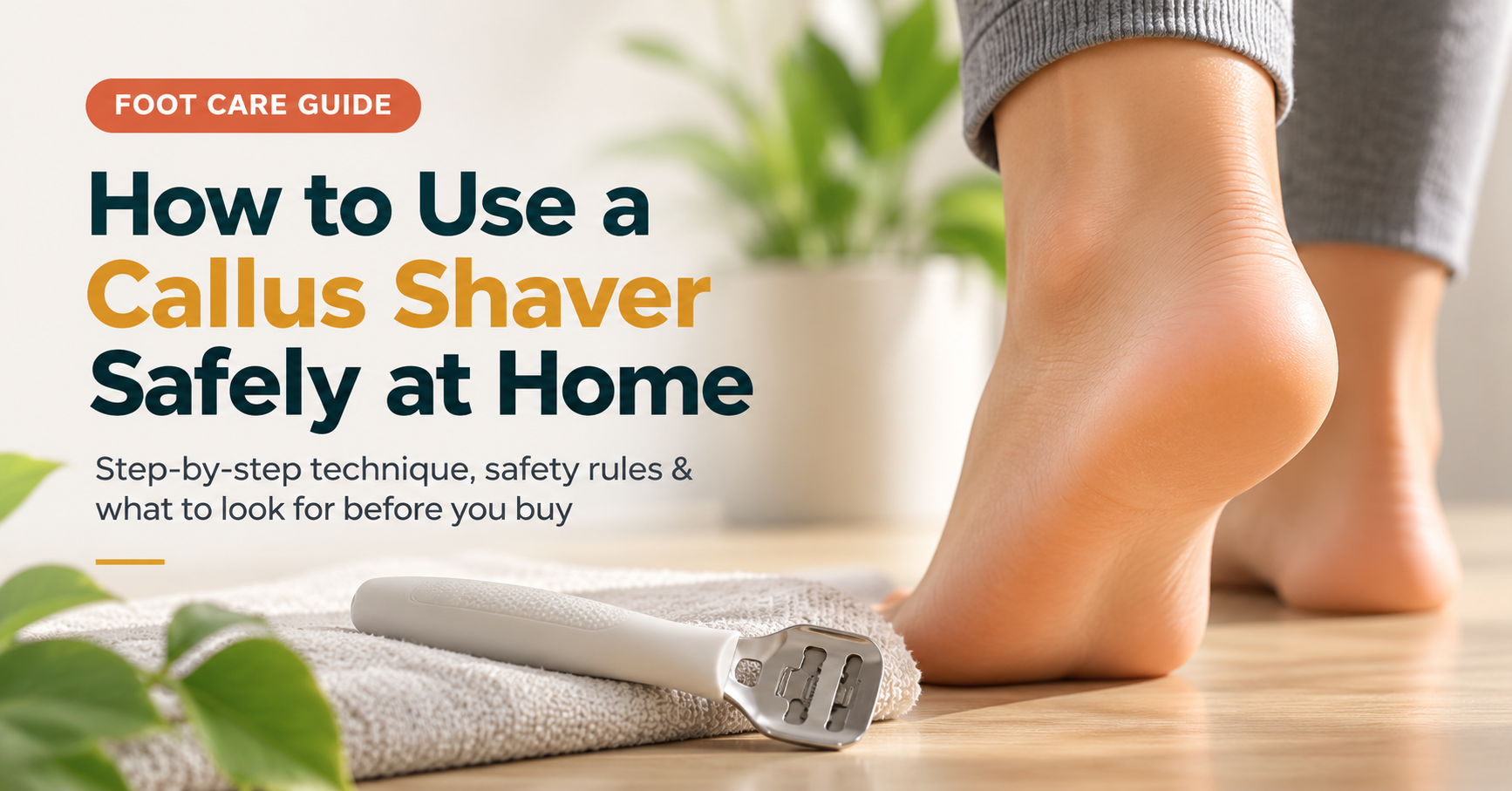
A callus shaver (also called a foot shaver or callus remover) is a hand-held tool with a small, protected blade that planes off thin layers of hardened dead skin. Think of it like a cheese planer for your heel: the guard limits how deep the blade can cut, and each stroke removes a very thin shaving.
It is different from other callus tools:
- Foot files and pumice stones grind skin away slowly. They are gentler and lower risk, but slower.
- Electric callus removers use a spinning abrasive roller. They are quick and beginner-friendly, but can over-remove skin if you press hard.
- Callus shavers (blade type) are fast and precise, but they carry the highest risk of cuts if used with poor technique.
What Causes Calluses?
A callus is the skin’s protective response to repeated friction or pressure. Common causes include:
- Tight, loose or poorly fitting shoes
- Walking barefoot or in thin-soled sandals
- High heels or standing for long hours
- Foot shape or the way you walk
- Dry skin, especially around the heels
Because calluses protect you from pressure, the goal is to thin them for comfort, not to eliminate them completely. If the cause continues (for example, shoes that rub), the callus will keep coming back. Fixing footwear is part of the solution.

Who Should NOT Use a Callus Shaver at Home?
A blade is not suitable for everyone. Talk to a doctor or podiatrist before using one if any of the following applies:
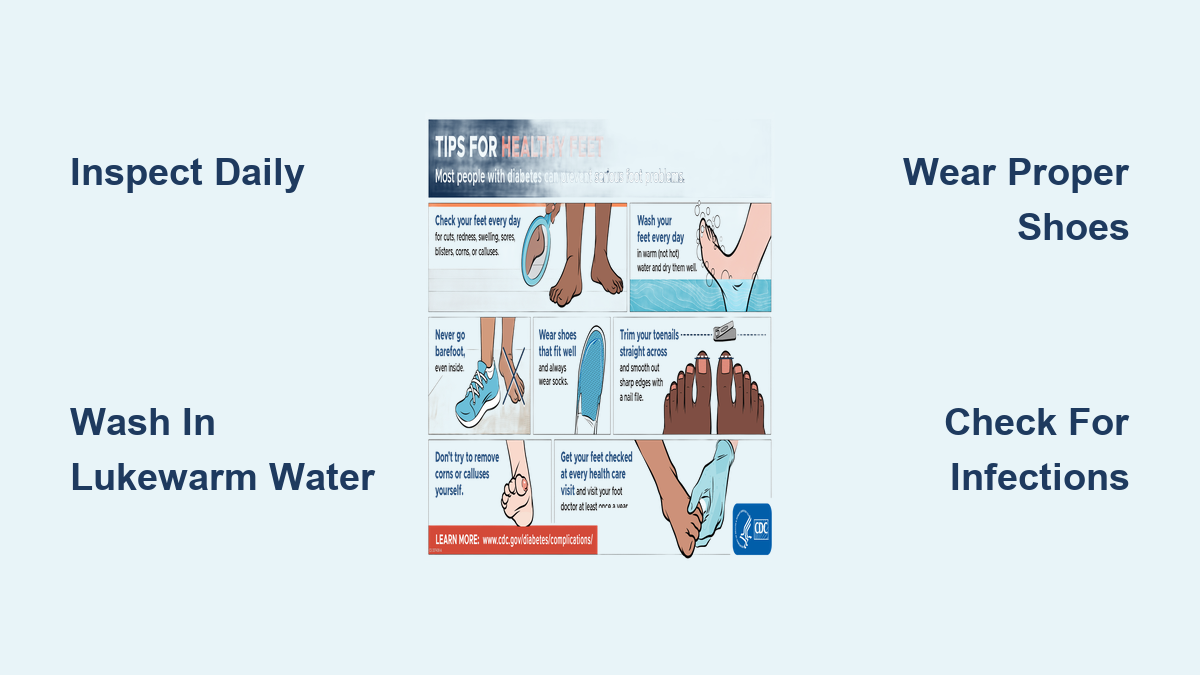
- Diabetes. Reduced sensation and slower healing make small cuts risky. Diabetic foot care guidance generally advises against cutting or shaving calluses yourself.
- Neuropathy or poor circulation. If you cannot feel pressure or pain properly, you will not notice when you have gone too deep.
- Weakened immune system or a history of foot infections.
- Bleeding disorders or blood thinners. Even a tiny cut may bleed more than expected.
- Warts, corns, open sores, cracked bleeding skin, or a suspected fungal infection. These need a different approach.
- Poor eyesight or limited flexibility that prevents you from seeing or reaching your foot clearly.
If you are unsure whether a patch of thick skin is a callus, a corn or a plantar wart, have it checked first.
What You Need Before You Start
- A clean callus shaver with a sharp, intact blade and safety guard
- Good lighting and a stable seat where you can comfortably reach your foot
- A towel or paper sheet to catch skin flakes
- Rubbing alcohol or mild soap for cleaning the tool
- A thick moisturizing foot cream
- Clean cotton socks for afterward
Step-by-Step: How to Use a Callus Shaver Safely at Home
Step 1: Inspect and Clean Your Feet
Wash your feet with mild soap and water, then look closely at both soles, heels and between the toes. Look for cuts, cracks that bleed, blisters, redness, swelling or any sign of infection. If you see any, do not shave that day. Using a blade over broken skin can spread bacteria.
Step 2: Prepare the Skin the Right Way
Advice differs by tool, so follow the manufacturer’s instructions first. As a general guide, many blade-type shavers are designed to be used on dry or only slightly damp skin, because soaked skin turns soft and rubbery and makes it easy to remove too much. Foot files and pumice stones usually work best on damp skin after a short wash. Never shave skin that is very wet, slippery or macerated from a long soak.
Step 3: Set Up Safely
Sit in a stable chair with good light. Place your foot on a towel on your knee or a low stool so you can see the area clearly. Standing or balancing on one leg increases the chance of a slip.
Step 4: Hold the Blade at a Shallow Angle
Press the guard of the shaver lightly onto the callus with the blade nearly flat against the skin (roughly 30 to 45 degrees). A steep angle digs in, while a shallow one removes thin, controlled shavings.
Step 5: Use Short, Light Strokes in One Direction
Glide the shaver in short strokes in one direction, usually from the edge of the callus toward the centre or from the heel toward the arch. Let the blade do the work. Pressing harder does not make it faster, it only increases risk. Avoid sawing back and forth like a file.
Step 6: Stop and Check Often
Every few strokes, wipe away the flakes and run a finger over the area. When the surface feels smooth and even, stop. Do not chase perfection. If the skin begins to look pink, shiny or feels tender, you have reached living skin and must stop immediately.
It is better to do two or three light sessions over a few weeks than one aggressive session.
Step 7: Rinse, Clean the Blade and Moisturize
Rinse or wipe the feet, dispose of the flakes, and clean the tool as described below. Then apply a rich foot cream. Creams containing urea or lactic acid are commonly recommended for keeping calluses soft, but avoid them on cracked or irritated skin. Put on clean cotton socks to lock in moisture.

How Often Should You Shave Calluses?
For most people, once every one to two weeks is plenty, and often less. Calluses that are shaved too frequently grow back thicker and tougher as the skin tries to protect itself. If you moisturize daily, you may need to shave far less often.
Common Mistakes to Avoid
- Pressing too hard. The most frequent cause of cuts.
- Removing the whole callus. The skin underneath is tender and unprotected.
- Using a dull or rusty blade. Dull blades require more pressure and slip more easily.
- Shaving soaked skin. Soft skin tears and can be cut more easily.
- Using it between the toes or on corns and warts. These areas need different care.
- Sharing the tool. This can spread fungus and bacteria.
- Skipping moisturizer. Dry skin quickly rebuilds the callus.
Cleaning and Storing Your Callus Shaver
- Rinse the blade under running water and brush off skin particles.
- Wipe it with rubbing alcohol or disinfect it as the manufacturer recommends.
- Dry it completely to prevent rust.
- Store it in a dry, covered place away from children.
- Replace the blade at the first sign of dullness, rust or damage.
What to Do If You Cut Yourself
If you nick the skin, stop shaving, apply gentle pressure with clean gauze until bleeding stops, wash the area, and cover it with a clean bandage. Watch for redness, warmth, swelling, pus or increasing pain over the next few days. See a healthcare professional promptly if you notice any of these, or if you have diabetes, since even small wounds should be checked early.
How to Choose a Good Callus Shaver
If you are shopping for one, these features matter most:
| Feature | Why It Matters |
|---|---|
| Safety guard | Limits blade depth and reduces the chance of deep cuts. |
| Stainless steel blades | Resist rust and can be cleaned and disinfected easily. |
| Replaceable blades | Keeps the edge sharp, so you use less pressure. |
| Ergonomic, non-slip handle | Gives better control, especially with dry or soapy hands. |
| Easy to clean design | Reduces buildup of skin and bacteria. |
| Included spare blades or storage cover | Adds value and protects the blade between uses. |
Callus Shaver vs Foot File vs Electric Remover
| Tool | Speed | Risk Level | Best For |
|---|---|---|---|
| Callus shaver (blade) | Fast | Higher; needs careful technique | Experienced users with thick calluses and healthy feet |
| Foot file / pumice | Slow | Low | Beginners and regular maintenance |
| Electric callus remover | Fast | Medium; easy to over-remove | Quick results with light pressure |
Aftercare: Keeping Calluses Under Control
- Moisturize your feet daily, especially heels, with a rich cream.
- Wear shoes that fit well and have adequate cushioning.
- Use cushioned insoles or pads where friction is constant.
- Wear moisture-wicking socks without rough seams.
- Avoid walking barefoot on hard surfaces for long periods.
When to See a Podiatrist
Home care is not always enough. Make an appointment if:
- The callus is painful, bleeding or keeps returning quickly
- You see signs of infection such as redness, warmth, swelling or pus
- You have diabetes, neuropathy or circulation problems
- You are not sure whether it is a callus, corn or wart
- Calluses keep forming because of foot shape, gait or recurring pain
Frequently Asked Questions
Is it safe to use a callus shaver at home?
For healthy adults with good sensation in their feet, it can be safe when used with light pressure, a sharp clean blade and a stop-early mindset. People with diabetes, neuropathy or circulation problems should get professional advice first.
Should I use a callus shaver on wet or dry feet?
It depends on the product. Many blade shavers are designed for dry or slightly damp skin, while files and pumice stones suit damp skin. Always read the manufacturer’s instructions and avoid shaving very wet, soft skin.
Can a callus shaver make calluses grow back thicker?
Aggressive or very frequent shaving can irritate the skin and trigger it to thicken again. Gentle thinning, regular moisturizing and better-fitting footwear usually give better long-term results.
How do I know when to stop shaving?
Stop when the surface feels smooth and even, or immediately if the skin looks pink or feels tender. Leaving a thin layer of callus is normal and protective.
How often should I replace the blade?
Replace it when it feels dull, shows rust or is damaged. Dull blades force you to press harder, which raises the risk of cuts.
Can I use a callus shaver on corns or warts?
No. Corns and plantar warts need different treatment. Shaving a wart can spread the virus, so get it assessed by a professional.
Final Thoughts
A callus shaver can be a quick, effective way to keep heels and soles smooth when you respect its limits: prepare the skin, hold the blade at a shallow angle, use light strokes, stop early and always moisturize afterward. If you have any health condition that affects your feet, or you are unsure about a patch of skin, choose a gentler tool or see a professional. Smooth, comfortable feet come from consistent, careful care, not from removing everything in one go.
Medical disclaimer: This content is for informational purposes only and does not replace professional medical advice, diagnosis or treatment. Consult a qualified healthcare provider about your specific condition.