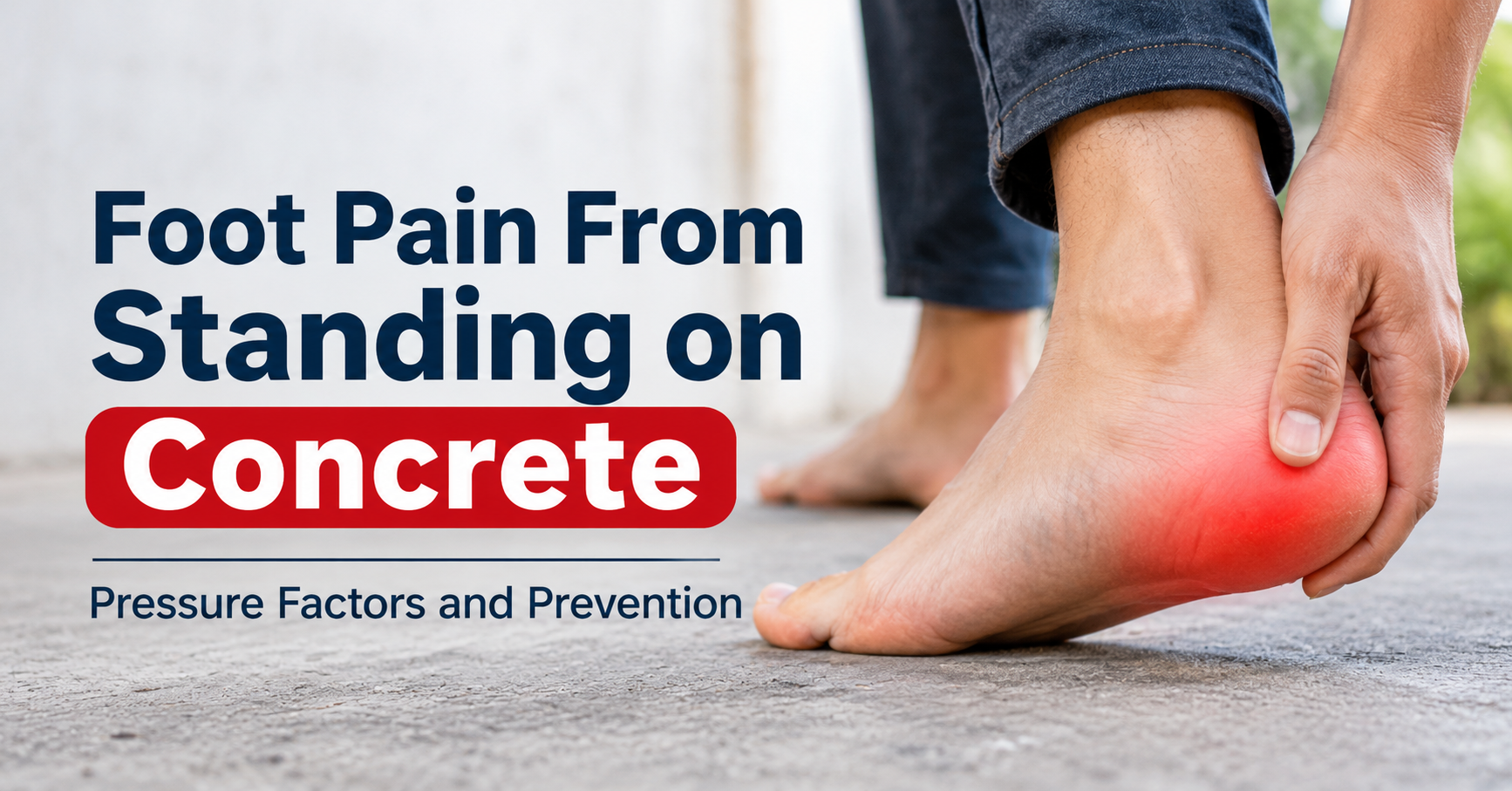
If you finish a shift on a warehouse floor, garage, factory, retail store or construction site feeling like your feet have been hit with a hammer, you are not imagining it. Foot pain from standing on concrete is one of the most common complaints among people who stand for work. The good news is that in most cases it can be reduced a lot with the right surface, footwear, support and daily habits.
This guide explains why concrete hurts your feet, what conditions are behind the pain, how to get relief tonight, and what to look for when choosing mats, shoes, insoles and compression socks.
- Why concrete causes so much foot, heel and leg pain
- The most common conditions behind the pain
- Quick relief steps you can start today
- How to choose anti-fatigue mats, shoes, insoles and socks
- A daily routine and when to see a doctor
Why Does Standing on Concrete Hurt So Much?
Concrete is an extremely hard, unyielding surface. Wood, carpet and even asphalt give a little under your weight. Concrete gives almost nothing, so nearly all the shock of every step and every minute of standing is sent straight back into your feet, ankles, knees, hips and lower back.
Your body does have built-in cushioning, including the fat pad under your heel and the arch of your foot. But those tissues were not designed to handle eight to twelve hours a day on a rigid slab. Over time the following happens:
- Constant pressure: Standing in one spot keeps the same areas of your foot compressed for hours, which limits blood flow and builds fatigue.
- Muscle overwork: Calves, arches and the small muscles in your feet stay tense to keep you balanced, so they tire and tighten.
- Poor shock absorption: Without a cushioned surface or shoe, impact travels up the leg instead of being absorbed.
- Fluid pooling: Gravity pulls fluid down to your feet and ankles, which is why feet often feel swollen by the end of the day.
- Repetitive strain: Small irritations that you ignore day after day can turn into long-term inflammation.
Common Causes and Conditions Behind the Pain
Different people feel the pain in different places. Knowing where yours is helps you pick the right fix.

Plantar Fasciitis
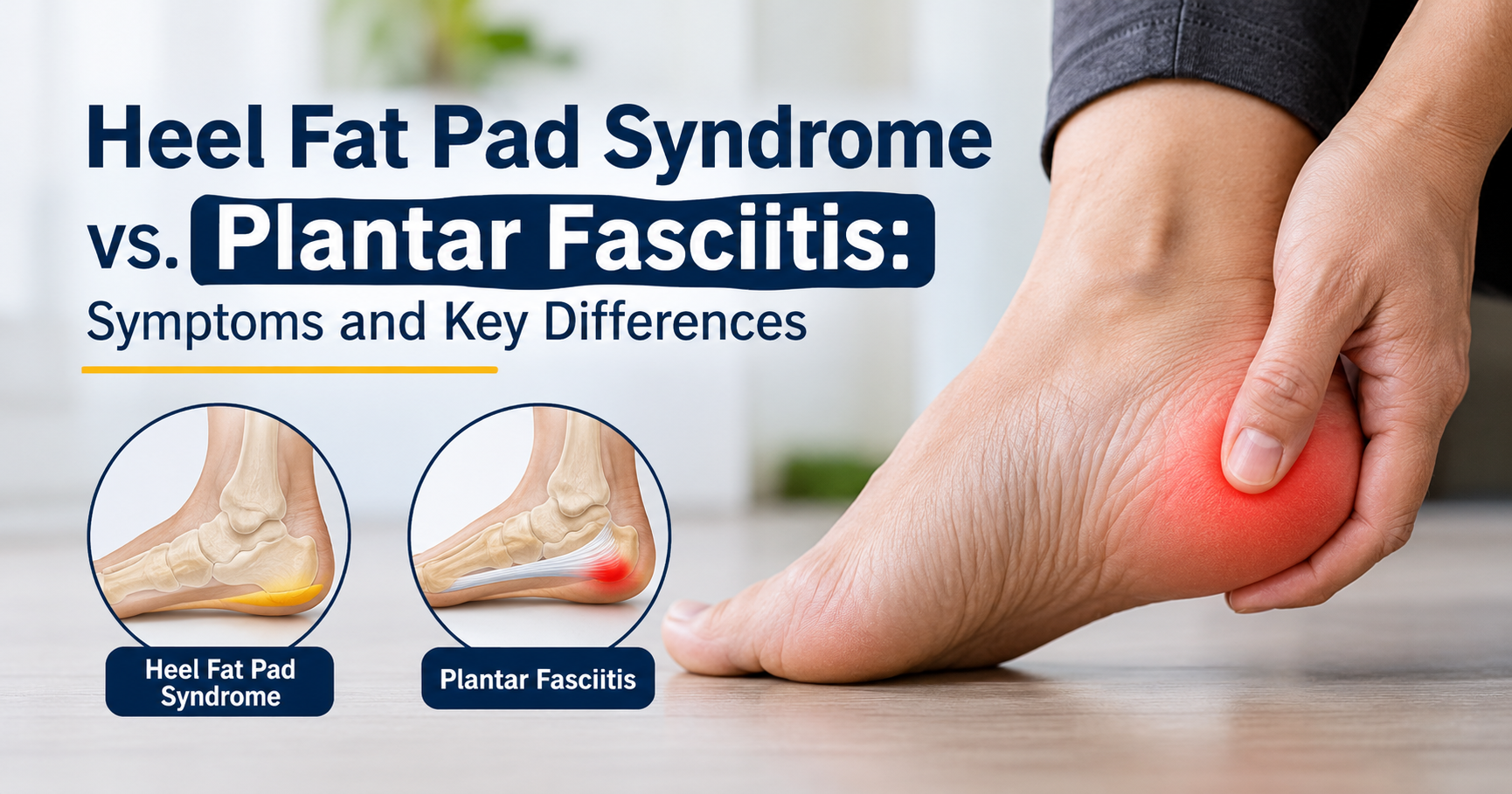
The plantar fascia is a thick band of tissue running along the bottom of your foot from heel to toes. Long hours of standing can strain and inflame it. The classic sign is sharp heel or arch pain, especially with the first steps in the morning or after sitting for a while.
Heel Pain and Heel Spurs
Repeated impact on a hard floor can bruise and irritate the heel. Pain is often felt right at the bottom of the heel and gets worse after long standing periods.
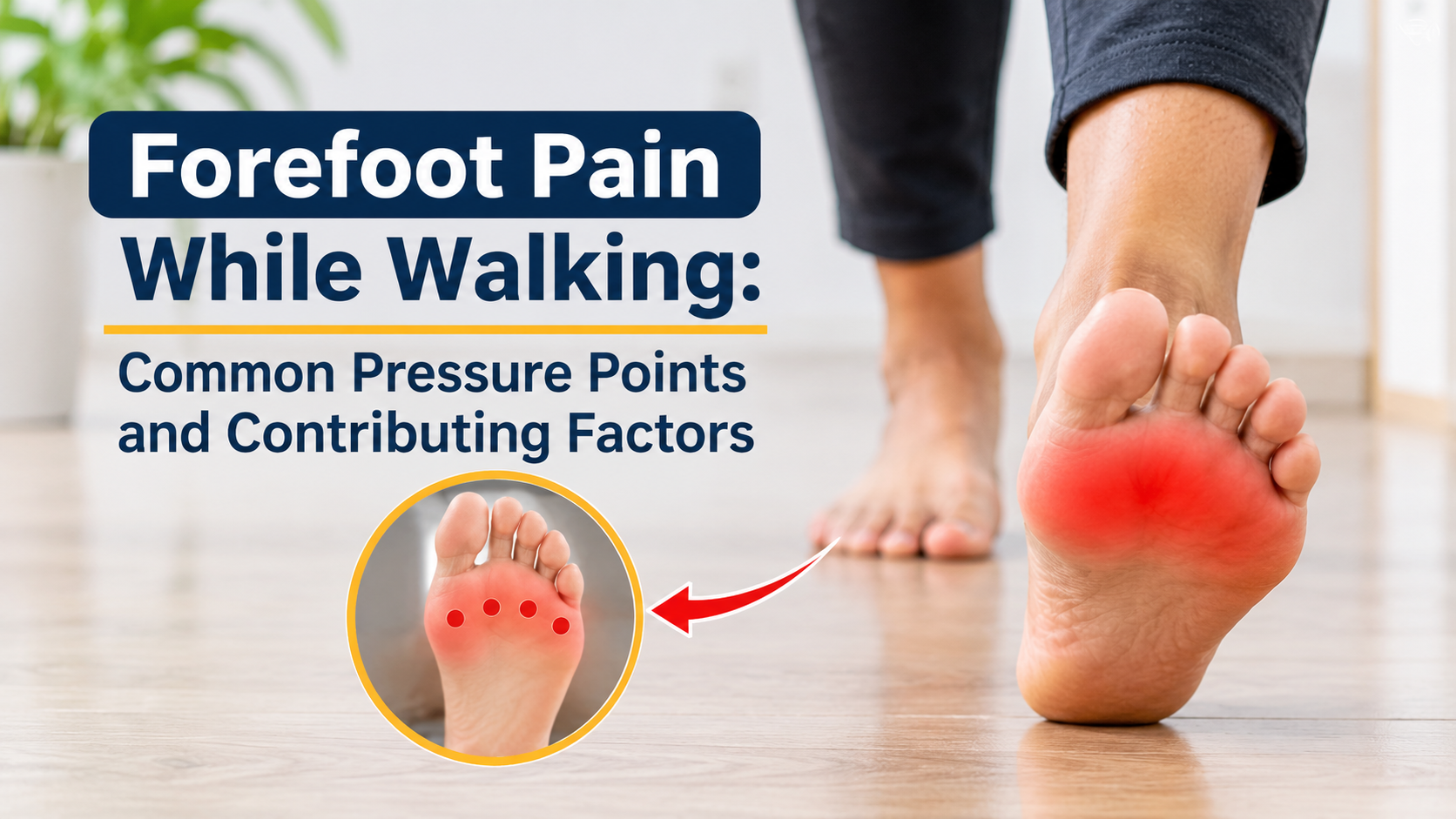
Metatarsalgia (Ball-of-Foot Pain)
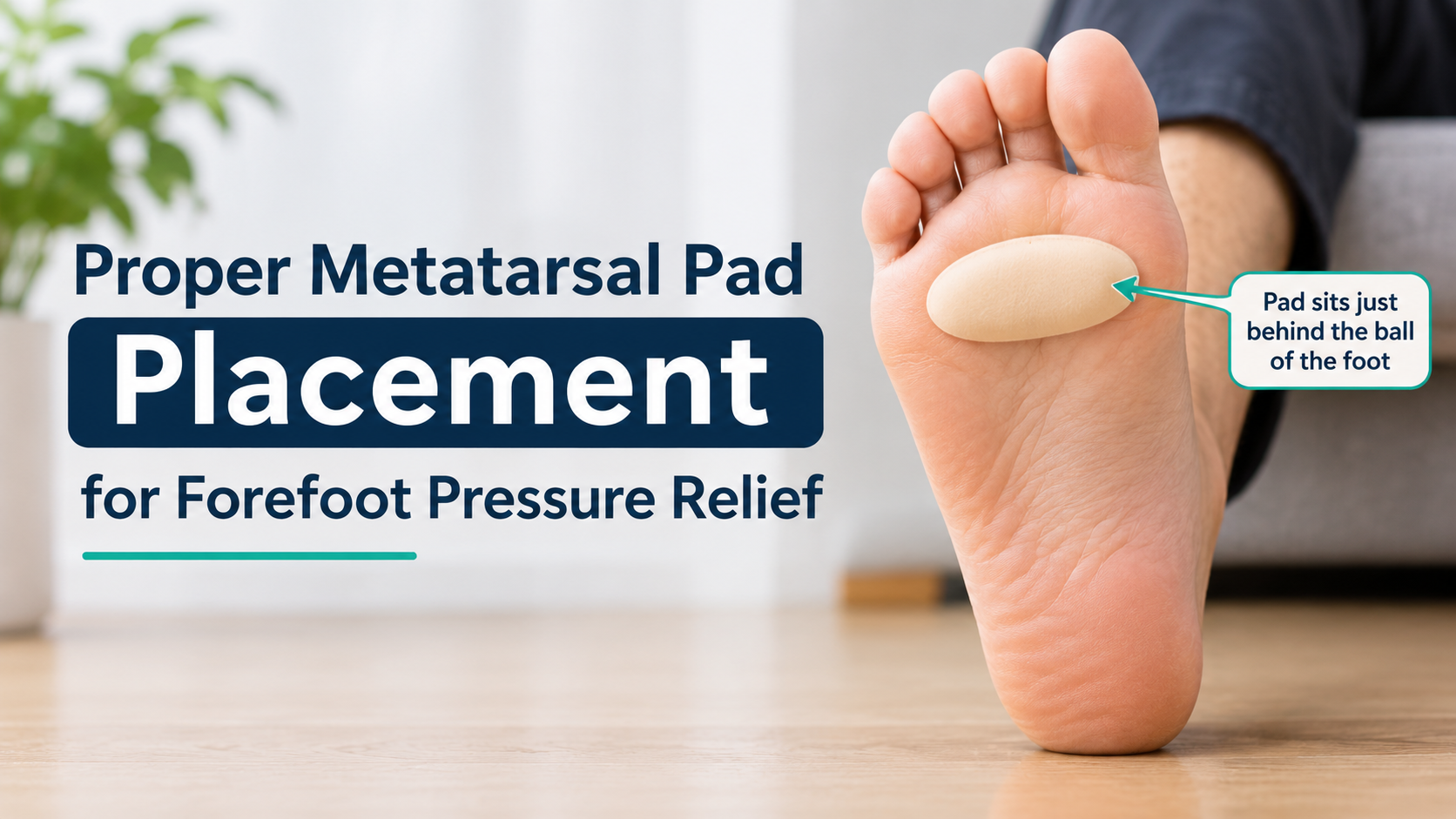
Pressure concentrated under the front of your foot can cause a burning, aching or bruised feeling. Thin-soled shoes and narrow toe boxes make it worse.
Achilles Tendon Tightness
Tight calves and a stressed Achilles tendon can cause pain at the back of the heel and lower calf, particularly if your shoes have little cushioning or no support.
Morton’s Neuroma and Nerve Irritation
Squeezing and pressure in the forefoot can irritate a nerve between the toes, causing tingling, numbness or the feeling of standing on a pebble.
Swelling and Tired Legs
Standing still for long periods slows circulation in the legs. This can lead to swollen feet, heavy legs and general achiness at the end of the day.
Knee, Hip and Back Pain
Because concrete sends shock up the body, many people feel pain well beyond their feet. If your lower back or knees ache after work, your feet and floor may be part of the story.
See a healthcare professional if you have severe or sudden pain, pain that continues even after rest, noticeable swelling in only one leg, redness or warmth, numbness that does not go away, trouble walking, or if you have diabetes or circulation problems and notice any foot changes. Persistent pain deserves a proper diagnosis.
Who Is Most at Risk?
Anyone can feel it, but the risk is higher for people who:
- Stand or walk on hard floors for 6 or more hours a day (warehouse, factory, retail, hospitality, healthcare, trades)
- Wear worn-out, flat or unsupportive shoes
- Have flat feet or very high arches
- Carry extra body weight
- Are pregnant or recently increased their standing time
- Have tight calves or limited ankle flexibility
Quick Relief: What to Do Tonight
If your feet are hurting right now, these steps can help you feel better within the same evening.
- Get off your feet and elevate. Lie down and rest your feet above heart level for 10 to 20 minutes to reduce swelling.
- Use cold on sore spots. Wrap a cold pack in a thin towel and apply to the painful area for about 15 minutes. Never put ice directly on skin.
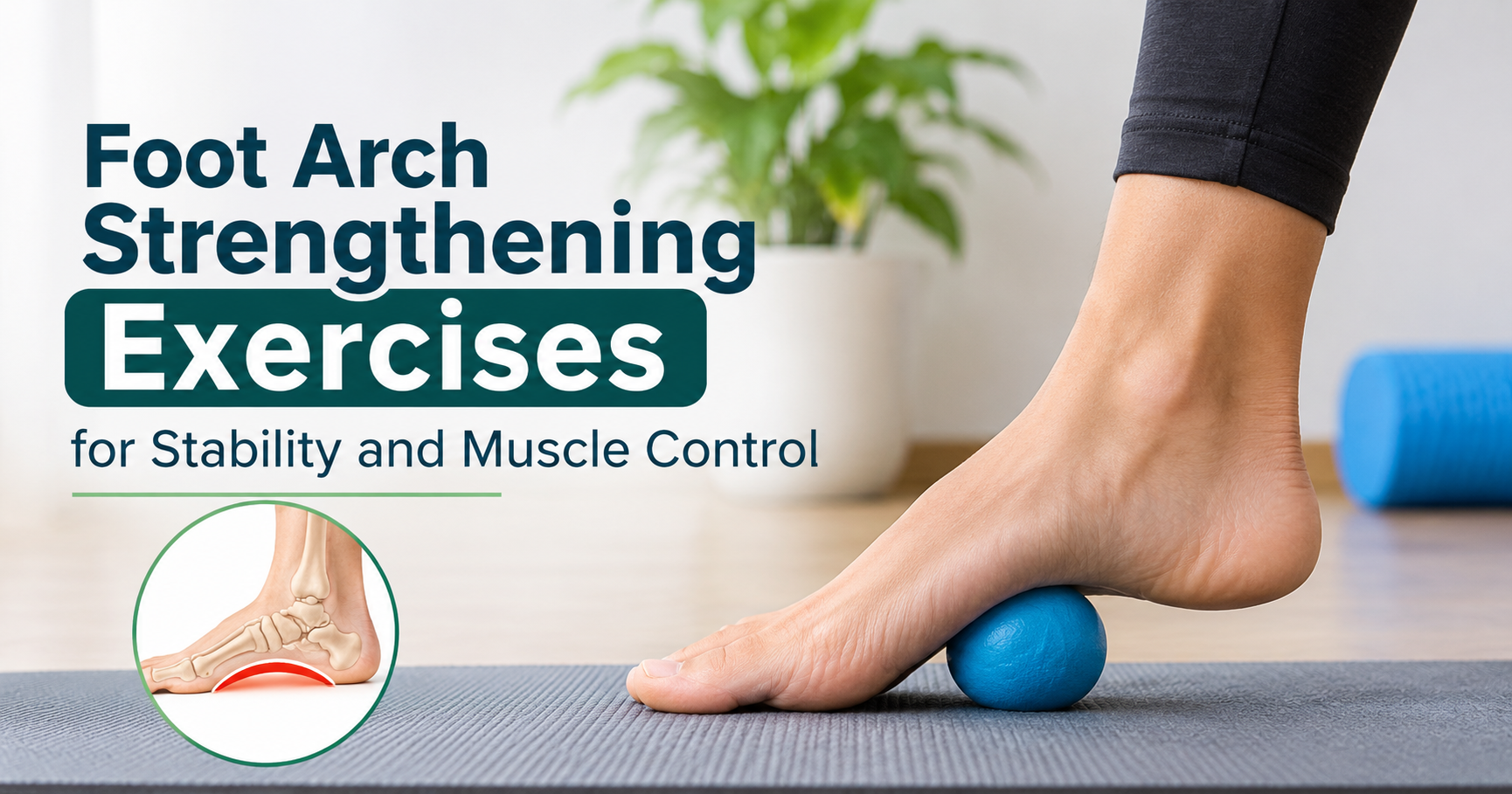
- Roll your arch. Gently roll a tennis ball, massage ball or frozen water bottle under your foot for 2 to 5 minutes.
- Try a warm foot soak. A warm soak, with Epsom salt if you like, can relax tense muscles.
- Stretch gently. Do calf and plantar fascia stretches (see below) without forcing them.
- Take a short, easy walk. Light movement can feel better than sitting stiffly, as long as it does not increase pain.
The Long-Term Solution: A 5-Layer Approach
Quick fixes calm pain, but lasting relief comes from changing what your feet stand on and what they stand in. Think of it as layers that work together.

1. Anti-Fatigue Mats
If you stand in one area, such as at a workbench, counter, kitchen station or workshop, an anti-fatigue mat is often the single most effective change. These mats create a slightly springy surface that encourages tiny leg movements, which keeps blood flowing and reduces pressure.
What to look for in a good mat:
- Thickness: Around 3/4 inch (about 2 cm) is a popular balance between comfort and stability. Too thin offers little help, and too soft can feel unstable.
- Material: Polyurethane (gel-style) and dense foam mats tend to hold their shape longer than very soft, cheap foam.
- Beveled edges: These reduce tripping risks.
- Non-slip base: A grippy bottom keeps the mat from sliding on smooth concrete.
- Size: Large enough that you can shift your stance without stepping off it.
- Easy cleaning: Important in kitchens, garages and workshops.
Mats work best when paired with proper shoes. Standing on a mat in worn-out, hard-soled shoes cuts the benefit.
2. Supportive, Cushioned Work Shoes
Your shoes are your portable floor. For standing all day, prioritize:
- Cushioned midsole: Thick, shock-absorbing foam in the heel and forefoot.
- Good arch support: Matched to your foot type (flat, neutral or high arch).
- Roomy toe box: Toes should spread naturally without squeezing.
- Firm heel counter: Keeps your heel stable.
- Slip-resistant outsole: Especially important on smooth or oily concrete.
- Proper fit: Try shoes later in the day when feet are slightly swollen, and leave about a thumb’s width in front of your longest toe.
Also remember that cushioning wears out. If your shoes are compressed, uneven or more than 6 to 12 months old with daily heavy use, replace them. Rotating between two pairs can also help the foam recover between shifts.
3. Insoles and Orthotics
Factory insoles in many shoes are thin and flat. A quality replacement can add cushioning and arch support. There are three general types:
- Cushioned insoles: Soft gel or foam for shock absorption, good for general fatigue.
- Supportive (semi-rigid) insoles: Firmer arch support for flat feet, plantar fasciitis symptoms and overpronation.
- Custom orthotics: Made by a podiatrist for specific biomechanical problems, usually the most expensive option.
Take out the shoe’s original insole before adding a new one so the shoe does not become too tight. Give your feet a week or two to adjust, and wear them gradually at first.
4. Compression Socks
Graduated compression socks apply light pressure that is strongest at the ankle and decreases up the leg, helping blood move back toward the heart. Many standing workers find mild compression (commonly in the 15 to 20 mmHg range) helps with swelling and heavy-leg feeling. Choose a correct size, avoid anything painfully tight, and ask a doctor first if you have circulation or heart conditions.
5. Stretching and Strengthening
Tight calves and stiff arches make concrete pain worse. Try these simple exercises once or twice daily:
- Wall calf stretch: Hands on a wall, one leg back with the heel down. Hold 30 seconds, 2 to 3 times per leg.
- Plantar fascia stretch: Sit, cross one ankle over the opposite knee, pull your toes back toward your shin, and hold 20 to 30 seconds.
- Towel scrunch: Place a small towel on the floor and pull it toward you with your toes. Do 2 sets of 10.
- Ball roll: Roll the arch over a massage ball for 2 minutes per foot.
- Heel raises: Rise onto your toes slowly and lower. Do 2 sets of 10 to strengthen calves.
Stretch gently and stop if you feel sharp pain.
Solution Comparison at a Glance
| Solution | Best For | Cost Level | Effort |
|---|---|---|---|
| Anti-fatigue mat | Fixed workstations | Low to medium | Very low |
| Cushioned shoes | Everyone, especially if you walk around | Medium | Low |
| Insoles | Arch and heel pain | Low to medium | Low |
| Compression socks | Swelling and heavy legs | Low | Very low |
| Stretching routine | Tight calves, plantar fascia strain | Free | Medium |
| Custom orthotics | Persistent or structural problems | High | Needs a professional visit |
Smart Daily Habits That Protect Your Feet
A Simple Daily Routine for Tired Feet
|
1
Morning
Calf and arch stretch
5 minutes
|
2
Work Shift
Change stance
Every 30–60 minutes
|
3
Break
Sit and elevate feet
10 minutes
|
4
Evening
Ball roll, soak,
legs up
15 minutes
|
Small habits repeated daily beat one big fix.
- Change position often. Shift your weight, alternate feet on a low footrest, and avoid locking your knees.
- Take micro-breaks. A 2 to 5 minute walk or sit every hour improves circulation.
- Stay hydrated. Dehydration can contribute to muscle cramping and fatigue.
- Ramp up gradually. If you are starting a new standing job, build up time on your feet over a week or two.
- Keep a healthy weight if possible. Less body weight means less load on your feet.
- Check your shoes regularly. Look for flattened cushioning, uneven wear and a collapsed heel.
- Avoid going barefoot or wearing thin flip-flops on hard floors at home after work.
Common Mistakes to Avoid
- Buying the softest mat or shoe, when too much softness can feel unstable and tire your muscles.
- Using worn-out shoes because they still look fine on the outside.
- Ignoring early pain and hoping it will disappear by itself.
- Stretching aggressively or pushing through sharp pain.
- Picking compression socks that are too tight.
- Expecting one product to fix everything instead of combining several small improvements.
Buyer’s Checklist Before You Shop
Know where your pain is (heel, arch, ball or whole foot). Measure your workspace before choosing a mat. Check shoe size and width later in the day. Match insole firmness to your arch type. Read product reviews from people who stand for similar hours. Check the return policy so you can test a product for a couple of weeks.
Frequently Asked Questions
Why do my feet hurt more on concrete than other floors?
Concrete has almost no give, so it does not absorb impact. Softer surfaces such as wood, carpet or rubber spread out and cushion the force, while concrete returns it to your feet and joints.
Are anti-fatigue mats really worth it?
For people who stand in one spot for long periods, many find they reduce fatigue and discomfort. They work best combined with supportive shoes. Mats are less useful if you walk around constantly.
How long does it take for foot pain to go away?
Mild fatigue can improve in days once you add cushioning and rest. Conditions such as plantar fasciitis can take weeks to months to settle. If pain persists, see a doctor or podiatrist.
What is the best shoe type for standing all day?
Look for a cushioned, supportive shoe with good arch support, a wide toe box, a stable heel and a slip-resistant sole. The best choice depends on your foot shape and job, so fit matters more than brand.
Do insoles help with foot pain from standing?
They can. Cushioned insoles help with shock, and supportive insoles can help with arch and heel strain. If a store-bought insole does not help after a few weeks, ask a podiatrist about custom options.
Is it normal for my feet to swell after standing all day?
Mild swelling at the end of a long day is common. However, sudden, severe or one-sided swelling, or swelling with pain, redness or warmth, needs medical attention.
Should I use ice or heat?
Cold can calm sharp, inflamed spots, while warmth can relax stiff muscles. Many people use cold for specific painful areas and a warm soak for general tiredness.
Final Thoughts
Foot pain from standing on concrete is not something you simply have to accept as part of the job. Start with the basics: supportive and cushioned shoes, a good anti-fatigue mat where you stand, quality insoles if needed, and a few minutes of stretching each day. Add habits like changing position often and taking short breaks, and most people notice a clear difference.
If your pain is strong, keeps coming back or limits your movement, do not delay. A doctor or podiatrist can find the exact cause and recommend the right treatment, so you can get back to work comfortably.
Affiliate disclosure: This website may earn a commission from qualifying purchases made through product recommendations, at no extra cost to you.
Medical disclaimer: This article is for general information only and is not medical advice, diagnosis or treatment. Always speak with a qualified healthcare professional about foot pain or health concerns.