If you’re limping out of bed with a sharp ache in your heel or feeling a tight pull along the back of your ankle after a run, you’re likely dealing with Achilles tendonitis. This common overuse injury affects the thick band of tissue connecting your calf muscles to your heel bone and can disrupt everything from workouts to daily walks. The good news? You don’t need drugs or surgery to find relief. With the right natural approach—backed by science and clinical evidence—you can reduce pain, speed healing, and get back on your feet.
Achilles tendonitis usually starts as inflammation from repetitive strain, but if ignored, it can progress to tendinosis, where the tendon structure begins to break down. Healing takes time due to the tendon’s poor blood supply, but early action can stop the cycle of pain. In this guide, you’ll learn exactly how to relieve Achilles tendonitis pain naturally using targeted home remedies, proven exercises, and smart lifestyle changes that support recovery—without side effects.
Decode Your Achilles Pain

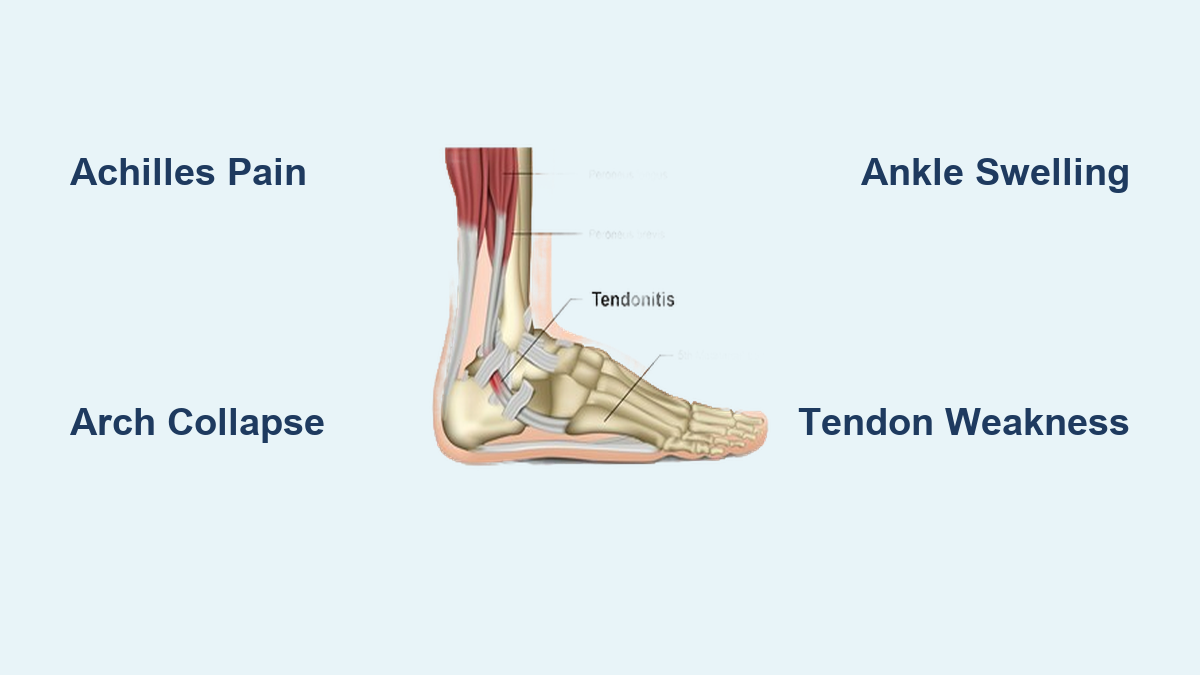
Understanding your symptoms helps you respond effectively. Early-stage Achilles tendonitis typically flares up after activity, especially running, jumping, or climbing stairs. Common signs include:
- Dull or sharp pain above the heel or along the tendon
- Morning stiffness that eases after moving
- Mild swelling or warmth at the back of the ankle
- Tenderness when pressing on the tendon
As the condition worsens, pain becomes constant—even during light walking. The tendon may thicken, and you might feel lumps or nodules from scar tissue buildup.
There are two main types:
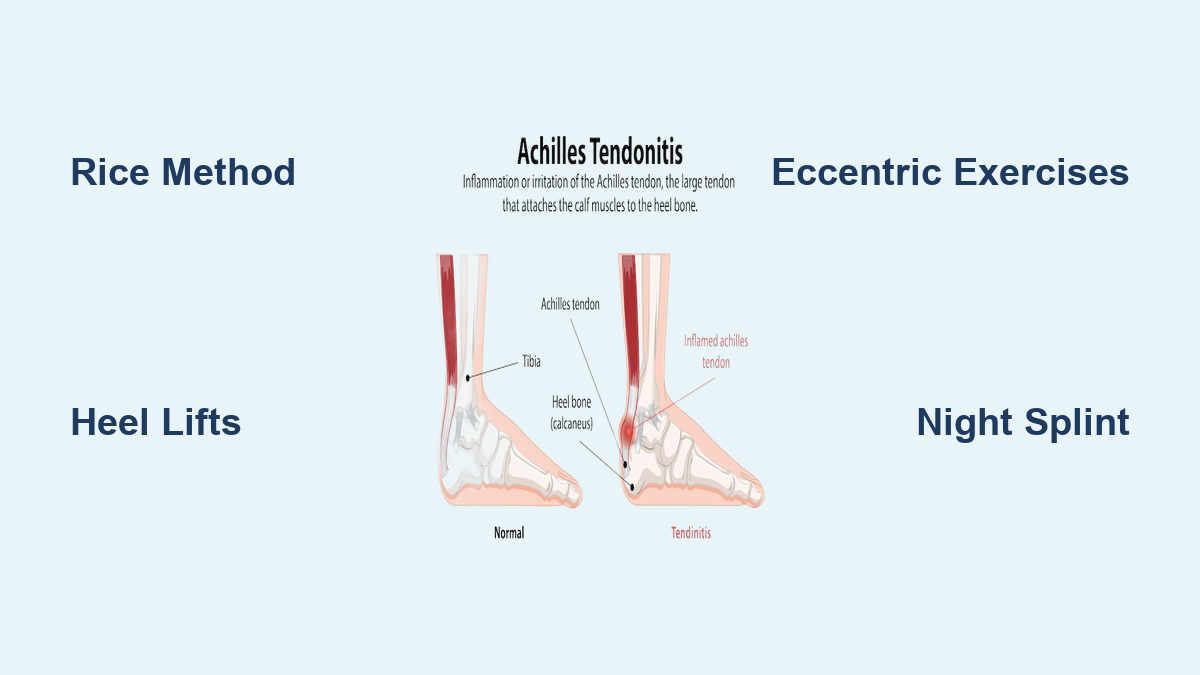
– Insertional Achilles tendinopathy affects the lower part where the tendon attaches to the heel. It’s common in runners and those with heel spurs.
– Noninsertional tendinopathy involves the middle portion of the tendon and is linked to degeneration, often in less active adults over 40.
Ignoring symptoms increases the risk of a partial or complete rupture—a sudden, severe injury that requires immediate medical care. If you hear a “pop” and can’t stand on your toes, seek help right away.
Immediate Relief: Apply the RICE Method

First 72 Hours: Stop the Inflammation
The RICE protocol (Rest, Ice, Compression, Elevation) is your go-to strategy for acute pain and swelling.
Rest the Tendon
Stop any activity that causes pain—especially running, jumping, or stair climbing. Even walking should be limited on hard surfaces. Use crutches if needed to reduce strain. Never walk barefoot, as it increases tension on the Achilles.
Ice for Swelling Control
Apply ice wrapped in a thin towel for 15–20 minutes every 2–3 hours, especially after activity. Never place ice directly on the skin. Cold therapy reduces inflammation and numbs pain signals.
Use Compression Gently
Wrap the ankle with an elastic bandage or wear a compression sleeve to minimize swelling. It should feel snug but not cut off circulation—no numbness, tingling, or discoloration.
Elevate Above Heart Level
Prop your foot on pillows so it’s higher than your heart. This helps drain fluid and reduce swelling. Do this during rest breaks and while sleeping if swelling persists.
Pro Tip: RICE works best in the first 2–3 days. After that, gentle movement and blood flow become more important than prolonged rest.
Natural Anti-Inflammatory Remedies You Can Try Today
Soothe Pain with Topical Solutions
Natural creams and oils can reduce localized inflammation and support healing when used alongside other treatments.
Apply Turmeric Paste
Turmeric contains curcumin, a powerful anti-inflammatory. Mix 1–2 teaspoons with water to form a paste, apply to the tender area, cover with gauze, and leave for 20–30 minutes. For oral use, pair with black pepper to boost absorption.
Massage With Castor Oil
Warm a small amount and massage into the tendon for 5–10 minutes. Its ricinoleic acid reduces inflammation and improves circulation. Use nightly and cover with cloth to prevent stains.
Use Vitamin E Oil
This antioxidant supports tissue repair. Apply a few drops directly to the skin and massage gently.
Try Epsom Salt Soaks
Dissolve 1–2 cups in warm water and soak your foot for 15–20 minutes. The magnesium sulfate may relax tight calf muscles and ease stiffness. Do this daily, especially after activity.
Note: These remedies complement—not replace—core treatments like rest and rehab.
Fuel Healing From Within
Eat Anti-Inflammatory Foods
Systemic inflammation can worsen tendon pain. Support recovery with:
- Omega-3s (salmon, chia seeds, flaxseeds) to reduce whole-body inflammation
- Colorful produce (berries, spinach, sweet potatoes) rich in antioxidants
- Bone broth or collagen supplements—may aid tendon repair when paired with exercise
- Plenty of water to keep tendons hydrated and flush out inflammatory waste
Avoid sugar, processed foods, and excess alcohol—they fuel inflammation.
Support Your Feet: Heel Lifts and Inserts

Reduce Tendon Strain Instantly
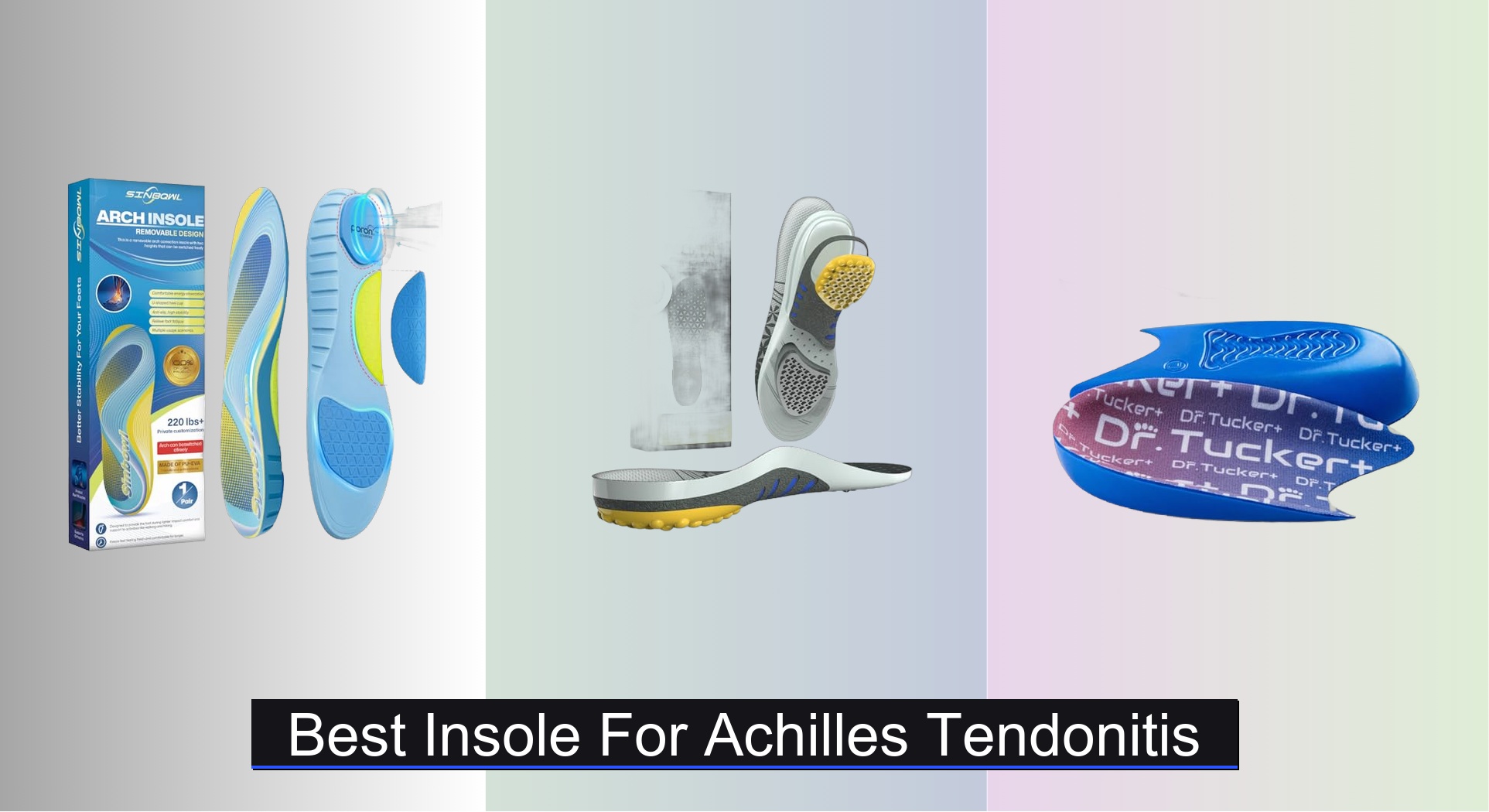
Heel lifts are one of the fastest ways to relieve pressure on the Achilles. By slightly raising your heel, they shorten the tendon and reduce tension.
- Use 4–10 mm lifts in both shoes to avoid imbalance
- Choose adhesive gel pads or insert them under the insole
- Wear during the day, especially in flat or unsupportive footwear
Warning: Don’t use long-term without guidance—it can weaken calf muscles.
Choose the Right Footwear
Wearing improper shoes is a major contributor to Achilles strain. Look for:
– Firm heel counter (doesn’t collapse when pressed)
– 6–12 mm heel-to-toe drop to reduce load
– Arch support to correct overpronation
– Cushioned midsole for shock absorption
– Replace shoes every 300–500 miles
Avoid flip-flops, barefoot walking, and worn-out sneakers.
Fix Foot Mechanics With Orthotics

Correct Overpronation and Flat Feet
If your feet roll inward (overpronation) or you have flat arches, your Achilles bears extra stress. Orthotics can help.
- Over-the-counter inserts work for mild cases—look for motion control and arch support
- Custom orthotics are prescribed for structural issues and redistribute pressure
Use them consistently in daily and athletic shoes.
Stretch Safely and Effectively
Wait for the Right Time
Never stretch during the acute phase—this can worsen microtears. Start only when pain is mild and constant.
Perform Calf Stretches Daily
Wall Stretch (Gastrocnemius)
- Stand facing a wall, hands at shoulder height
- Step injured leg back, keep heel down and knee straight
- Lean forward until you feel a stretch in the upper calf
- Hold 20–30 seconds. Repeat 3–5 times, 2–3 times daily
Bent-Knee Stretch (Soleus)
- Same setup, but bend the back knee slightly
- Targets the deeper calf muscle
- Hold 20–30 seconds. Repeat 3–5 times
Seated Towel Stretch
- Sit with leg extended
- Loop a towel around the ball of your foot
- Gently pull the foot toward you
- Hold 30 seconds. Repeat 3–5 times
Rule: No bouncing. Stretch slowly and hold steadily.
Strengthen With Eccentric Exercises
The Gold Standard for Healing
Eccentric heel drops are the most proven exercise for Achilles tendinopathy. They rebuild tendon strength and stimulate collagen production.
How to Do Heel Drops
- Stand on a step, balls of feet on edge
- Rise up on both toes
- Shift weight to the injured leg, slowly lower heel below step level over 2–3 seconds
- Use the good leg to return up
- Do 3 sets of 10–15 reps, once or twice daily
Expect mild discomfort, but stop if pain spikes. Progress only when pain is stable.
Add Seated Heel Raises
- Sit with feet flat, place light weight on knees
- Lift heels slowly, lower over 2–3 seconds
- Focuses on the soleus
- Do 3 sets of 10–15 reps, 2–3 times per week
Stay Active With Low-Impact Options
Keep Fit Without Re-Injury
Complete rest weakens tendons. Stay active safely with:
- Swimming (avoid frog kick)
- Water walking in chest-deep water
- Cycling with proper seat height
- Elliptical trainer with low resistance
Avoid running, jumping, or sprinting until pain-free for 2 weeks.
Prevent Morning Stiffness
Wake Up Pain-Free
Morning pain comes from overnight tendon shortening.
Do Bedtime Ankle Pumps
Before getting up:
– Point and flex your foot 10–15 times
– Rotate your ankle slowly
– Perform seated towel stretches
Use a Night Splint
Wear a dorsiflexion splint to keep your ankle at 90 degrees. It prevents shortening and reduces morning pain.
Alternative: Sleep with a pillow under your foot.
When to See a Doctor
Most cases improve with home care. But seek help if:
– Pain lasts more than 2–3 weeks
– You hear a “pop” and can’t push off your foot
– There’s a visible gap in the tendon
– Swelling worsens or you feel numbness
Tests like the Thompson test or an ultrasound/MRI can confirm diagnosis.
Prevent Recurrence
Healing doesn’t end when pain fades. Prevent relapse with:
– Gradual return to activity (no more than 10% increase per week)
– Daily calf stretches and heel drops
– Consistent supportive shoes
– Cross-training to avoid overuse
– Warm-up before exercise: 5–10 minutes of light cardio
Recovery Timeline Expectations
| Condition | Recovery Time |
|---|---|
| Mild tendinitis | 4–6 weeks |
| Moderate tendinopathy | 3–6 months |
| Chronic tendinosis | 6+ months |
Key: Tendons heal slowly. Rushing back leads to setbacks.
Summary: Natural Pain Relief Checklist
| Action | Frequency | Purpose |
|---|---|---|
| RICE protocol | First 72 hours | Reduce swelling |
| Heel lifts (4–10 mm) | During waking hours | Offload tendon |
| Calf stretches | 2–3 times daily | Improve flexibility |
| Eccentric heel drops | 1–2 times daily | Rebuild strength |
| Turmeric or castor oil | Daily | Natural anti-inflammatory |
| Epsom salt soak | 1–2 times daily | Ease stiffness |
| Supportive shoes | All day | Reduce strain |
| Aquatic exercise | 3–5 times weekly | Stay active safely |
| Night splint | Overnight | Prevent morning pain |
Natural relief for Achilles tendonitis works best when you act early, stay consistent, and combine multiple strategies. Avoid pushing through pain—your tendon needs time to heal. With the right approach, most people recover fully and return to their favorite activities stronger than before.