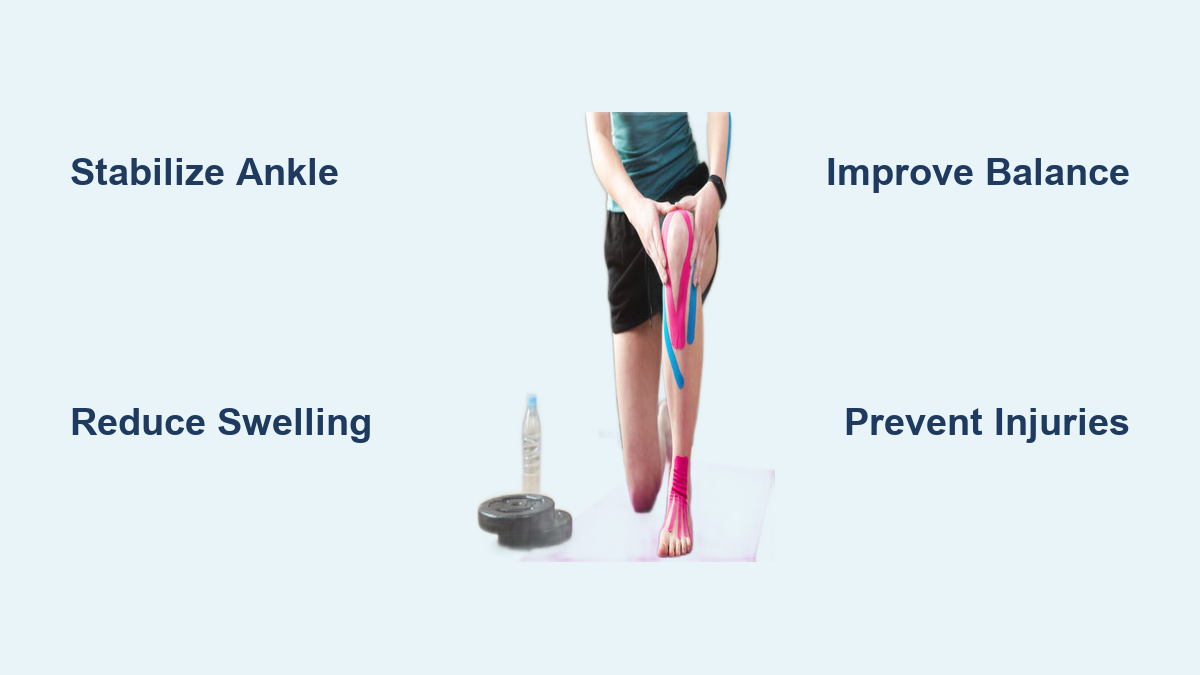
If you’ve ever watched a basketball player leap for a dunk, a runner sprint through the final stretch, or a soccer player pivot sharply on the field, you’ve likely seen strips of tape wrapped snugly around their feet or ankles. This isn’t just for show—athletic tape is a critical tool in foot support, designed to stabilize joints, prevent injury, and speed recovery. But what exactly is athletic tape used for in foot support? It’s more than just a quick fix—it’s a science-backed method to protect one of the body’s most stressed areas during movement.
Athletic tape provides external structural support to the foot and ankle, helping to maintain proper alignment, reduce strain on injured tissues, and enhance neuromuscular control. Whether you’re recovering from a sprained ankle, managing chronic plantar fasciitis, or preparing for high-intensity training, taping can offer immediate relief and protection. Supported by research and widely used by athletes, trainers, and physical therapists, athletic taping is both a preventive and rehabilitative strategy. In this guide, you’ll learn how athletic tape supports the foot, which types work best for specific conditions, how to apply it safely, and when to seek professional help.
Stabilize Joints and Prevent Ankle Injuries

Limit Harmful Motion During Activity
One of the primary uses of athletic tape is to restrict excessive joint movement, especially in the ankle. The foot is highly susceptible to inversion—rolling inward—which often leads to lateral ankle sprains. These injuries account for 85% of all ankle sprains and typically damage the anterior talofibular ligament. Athletic tape acts like a temporary external brace, physically limiting dangerous ranges of motion during sudden cuts, jumps, or uneven landings.
By holding the joint in a neutral, stable position, tape reduces the likelihood of rolling the ankle. Clinical studies show that proper taping can cut the risk of ankle sprains by up to 60%, especially in athletes with prior injuries. This makes it a go-to preventive measure in sports like basketball, volleyball, and trail running, where agility and rapid directional changes are common.
Protect Against Re-Injury in Unstable Ankles
If you’ve sprained your ankle before, you’re at greater risk of doing it again. Healing ligaments may become loose, and your body’s proprioception—its ability to sense joint position—can be impaired. Athletic tape helps reinforce weakened structures, offering mechanical support that protects healing tissues when returning to activity.
It’s particularly useful for people with chronic ankle instability or joint hypermobility. Unlike bulky braces, taping provides lightweight, targeted support that allows natural movement while reducing re-injury risk. Many athletes prefer it because it doesn’t restrict performance but still delivers confidence and protection.
Improve Joint Awareness and Balance
Enhance Proprioception After Injury
After an ankle sprain, your body’s internal “GPS” becomes less accurate. You may not feel when your foot is starting to roll, increasing the chance of another injury. Athletic tape combats this by providing constant sensory feedback to the skin and nerve endings, helping your brain recalibrate joint position during movement.
Even light pressure from the tape stimulates mechanoreceptors, improving neuromuscular control. This biofeedback effect enhances balance, coordination, and reaction time—critical for sports requiring quick footwork or agility. Over time, consistent taping can help retrain the nervous system, reducing long-term instability.
Boost Confidence on Uneven Surfaces
Whether you’re hiking on rocky terrain, cutting on a basketball court, or landing from a jump, your foot must adapt instantly. Athletic tape gives real-time input about foot position, helping muscles react faster to prevent missteps. Many athletes report feeling more grounded and stable when taped, even if they’re not currently injured.
Pro Tip: The “confidence factor” is real—knowing your foot is supported allows you to focus on performance, not fear of injury.
Reduce Swelling and Speed Up Recovery
Manage Inflammation with Compression
Swelling (edema) is a natural response to injury but can delay healing if not controlled. Athletic tape helps manage inflammation through compression and improved fluid dynamics. Rigid tape limits excessive motion, reducing fluid buildup in injured tissues. Kinesiology tape, on the other hand, works differently—it microscopically lifts the skin, creating space between tissue layers.
This tiny gap reduces pressure on swollen areas and enhances lymphatic drainage, helping the body flush out excess fluid and metabolic waste. As a result, pain, stiffness, and recovery time are reduced—especially beneficial during the early stages of rehabilitation.
Support Healing Without Immobilization
Unlike casts or walking boots, athletic tape allows controlled movement while still protecting injured structures. Motion promotes blood flow and tissue repair, which is essential for healing tendons, ligaments, and fascia. For conditions like plantar fasciitis or tendonitis, taping offloads stress from damaged tissue, enabling activity with less pain.
This balance of support and mobility makes taping ideal for return-to-sport protocols, allowing athletes to stay active while healing progresses.
Choose the Right Type of Athletic Tape

Use Rigid Tape for Maximum Stability
Rigid athletic tape—often white and made of cotton with zinc oxide adhesive—offers minimal stretch (0–10%), making it ideal for joint immobilization and injury prevention.
- Best for: Ankle sprains, post-injury stabilization, high-risk sports
- Wear time: 1–3 days (single use)
- Application: Requires pre-wrap to protect skin and improve adhesion
- Effect: Restricts inversion, eversion, and rotation
Warning: Over-tightening can restrict blood flow—always check for numbness or discoloration.
Apply Kinesiology Tape for Dynamic Support
Kinesiology tape (e.g., KT Tape) is elastic, breathable, and skin-friendly, designed to mimic the elasticity of human skin. It supports muscles and joints while allowing full range of motion.
- Best for: Plantar fasciitis, chronic pain, muscle fatigue, rehabilitation
- Wear time: 3–7 days; water-resistant and sweat-proof
- Effect: Enhances circulation, reduces swelling, improves muscle function
Expert Insight: Think of kinesiology tape as a “personal trainer” for your muscles—supporting movement, not restricting it.
Use Pre-Wrap and Self-Adherent Tape as Support Layers
These aren’t primary support tapes but play key roles:
– Pre-wrap: Foam layer applied under rigid tape to prevent skin irritation and improve adhesion.
– Self-adherent tape: Sticks to itself (not skin), used to secure ice packs or compression wraps.
Tip: Pre-wrap is essential for athletes with leg hair or sensitive skin.
Treat Common Foot Conditions Effectively
Prevent and Manage Ankle Sprains
Ankle sprains are among the most common sports injuries. Taping is a frontline defense, especially for those with a history of instability.
Key Taping Techniques:
- Stirrup Strips: Run from inner leg, under heel, to outer leg—prevents inward rolling.
- Figure-Six Wrap: Crosses over the top of the foot for rotational control.
- Heel-Lock: Wraps around the back of the heel for added stability.
When to Use: Before games, practices, or intense workouts—especially after a prior sprain.
Relieve Plantar Fasciitis with Arch Taping
Plantar fasciitis causes sharp heel pain due to strain on the thick tissue along the sole. Athletic tape helps by creating an “artificial plantar fascia” that offloads tension.
Arch Taping Steps:
- Anchor Strips: Place across the ball of the foot and heel.
- Diagonal Strips: Run from big toe side to outside heel, and pinky toe side to arch side.
- Arch Reinforcement: Apply a straight strip along the inner arch.
- Secure Ends: Lock everything in place with final anchors.
Evidence: Studies show taping accelerates recovery compared to no treatment.
Support Chronic and Overuse Injuries
Athletic tape also manages:
– Achilles tendonitis
– Posterior tibial tendon dysfunction
– Overpronation (flat feet)
By improving alignment and reducing mechanical stress, taping helps manage long-term foot pain—especially when combined with stretching, orthotics, and proper footwear.
Apply Athletic Tape Safely and Effectively
Prepare Skin for Strong Adhesion
Proper taping starts with clean, dry skin:
– Wash and dry the foot thoroughly.
– Remove oils or sweat with rubbing alcohol.
– Shave excess hair if needed.
Warning: Never apply tape over cuts, rashes, or open wounds.
Position the Foot Correctly
Foot angle affects tape effectiveness:
– For ankle taping: Hold the ankle at 90 degrees (dorsiflexion)—toes pulled up.
– For plantar fasciitis: Pull toes upward before applying arch tape to engage the fascia.
Control Tension and Check Circulation
- Rigid tape: Apply with 50–75% stretch on side strips, no stretch on anchors.
- Kinesiology tape: Use 0–75% stretch based on goal (support vs. swelling reduction).
Check Circulation: Perform the toe squeeze test—press each toenail. Color should return in under 2 seconds. If not, the tape is too tight.
Compare Rigid vs. Kinesiology Tape
| Feature | Rigid Tape | Kinesiology Tape |
|---|---|---|
| Stretch | 0–10% | Up to 140% |
| Support Level | High (immobilization) | Moderate (dynamic) |
| Best For | Acute sprains, prevention | Chronic pain, rehab |
| Wear Time | 1–3 days | 3–7 days |
| Water Resistance | Moderate | Excellent |
| Skin Safety | May irritate (use pre-wrap) | Hypoallergenic |
Bottom Line: Use rigid tape for injury prevention, kinesiology tape for rehab and circulation support.
Maximize Benefits and Avoid Risks
Key Advantages of Foot Taping
- Immediate joint support without bulk
- Reduces re-injury risk
- Speeds healing through improved circulation
- Cost-effective compared to braces
- Allows continued activity during recovery
Bonus: Many users report a mental confidence boost, helping them perform under pressure.
Common Risks and How to Avoid Them
- Skin irritation: Use pre-wrap and hypoallergenic tape.
- Circulation issues: Never over-tighten; check toe color and sensation.
- Over-reliance: Taping is a short-term aid, not a long-term fix.
- Poor technique: Learn from a professional.
Never ignore numbness, tingling, or discoloration—remove tape immediately.
Know When to See a Professional
Get Expert Guidance for Best Results
Taping is effective, but not a substitute for diagnosis. If you have recurring pain, swelling, or instability, consult a:
– Certified athletic trainer
– Physical therapist
– Podiatrist
– Sports medicine doctor
Professionals can:
– Perform gait analysis
– Identify biomechanical flaws
– Customize taping patterns
– Recommend long-term solutions like orthotics
Fact: A physical therapist can teach you the right technique and help determine if taping is right for your condition.
Consider Long-Term Alternatives
When Taping Isn’t Enough
Taping is a short-term solution. If pain returns when untaped, consider:
– Custom orthotics: Long-term arch support
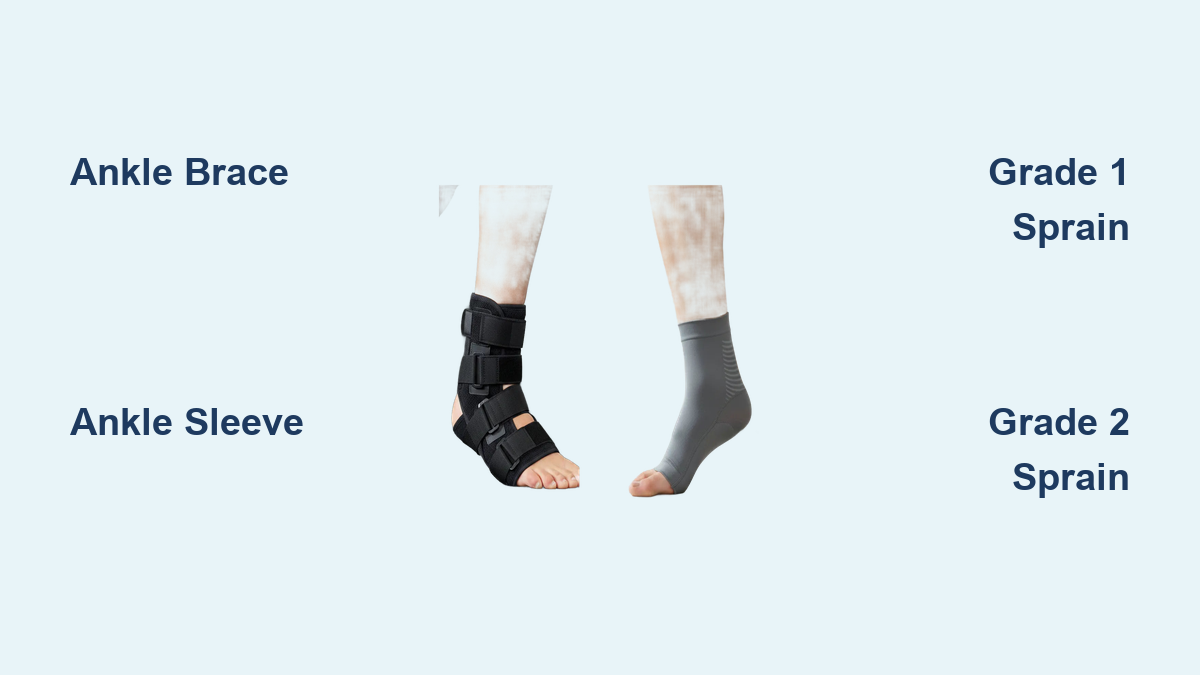
– Neoprene sleeves: Mild compression and warmth
– Rigid braces: For chronic instability
– Compression socks: Improve circulation
– Supportive footwear: Shoes with built-in arch support
Smart Strategy: Use taping as part of a holistic plan that includes flexibility, footwear, and force control—the “3 F’s” of foot health.
Athletic tape is a proven, science-backed tool for foot support—when used correctly. Whether you’re preventing injury, recovering from a sprain, or managing plantar fasciitis, taping can make a real difference. Prioritize proper technique, monitor your body’s response, and combine taping with other supportive measures for the best long-term outcomes.