Sore arches can make every step feel like a chore. Whether you’re on your feet all day, an avid runner, or simply dealing with age-related stiffness, arch discomfort often stems from tension in the plantar fascia—a thick band of connective tissue that supports the foot’s natural curve. When this tissue becomes tight or inflamed, it can lead to sharp pain, especially in the morning or after prolonged activity. Left unaddressed, chronic arch strain may contribute to plantar fasciitis, poor posture, and even knee or back pain.
One of the most effective, low-cost solutions? Using a foot roller. Rolling the sole of your foot over a firm object—like a ball or frozen water bottle—is a powerful form of self-myofascial release. It’s not just a soothing ritual; it’s a science-backed practice that relieves pain, improves mobility, and supports long-term foot health. From reducing inflammation to enhancing athletic performance, the benefits of foot rolling for sore arches are wide-ranging and well-supported by both clinical insight and user experience. Here’s how this simple daily habit can transform your foot function and overall well-being.
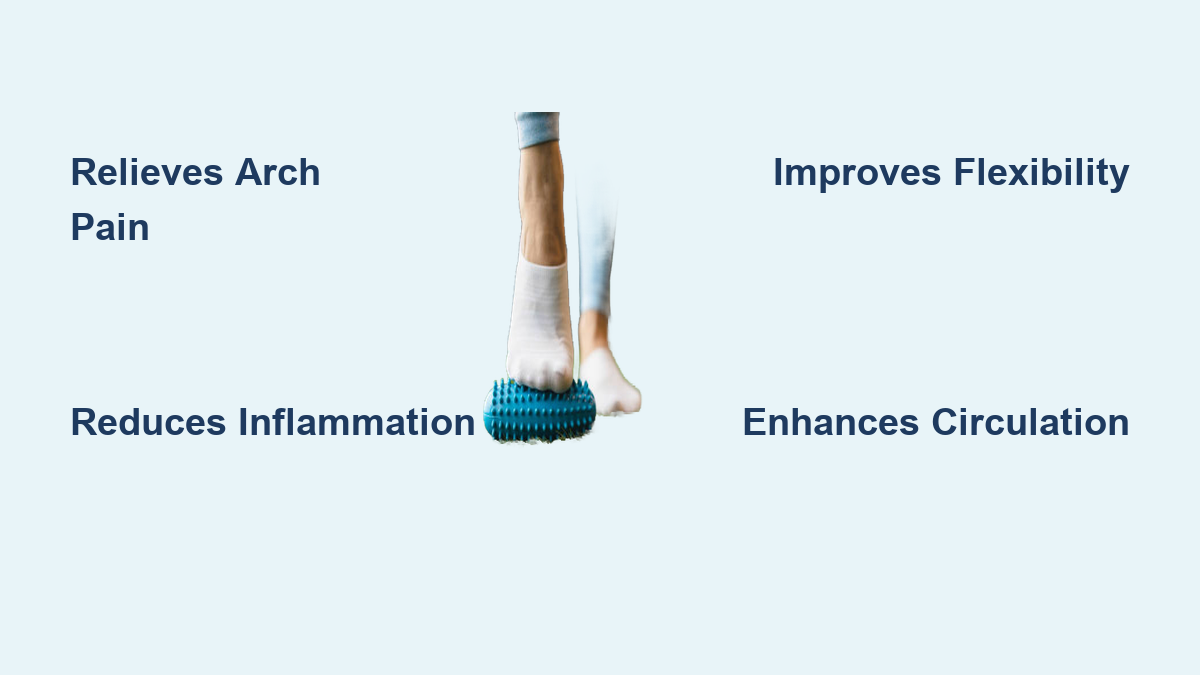
Relieves Arch and Heel Pain
Targets Plantar Fascia Tension Directly
The arch of the foot bears the brunt of daily impact, and its main support—the plantar fascia—is prone to overuse. When this tissue tightens or develops microtears, it causes localized pain, especially near the heel. Rolling applies focused pressure along the fascia, helping to break up adhesions and release built-up tension. This mechanical action reduces strain at the fascia’s attachment point on the heel bone, where pain is often most intense.
Beyond physical release, rolling stimulates sensory receptors in the tissue, signaling the nervous system to relax tight muscles. This dual effect—mechanical and neurological—provides fast-acting relief. Many users report noticeable improvement within days of consistent rolling, especially when done first thing in the morning to combat overnight stiffness.
Reduces Inflammation and Prevents Heel Spurs
Chronic tension in the plantar fascia can lead to inflammation and even calcium deposits, known as heel spurs. Regular rolling helps maintain tissue elasticity, reducing the repetitive stress that contributes to these conditions. While it won’t dissolve existing spurs, it plays a preventive role by minimizing strain and promoting healthier tissue function.
Clinical Note: Podiatrists frequently recommend foot rolling as part of a comprehensive plan that includes stretching, proper footwear, and activity modification—making it a cornerstone of non-invasive foot care.
Prevents and Manages Plantar Fasciitis
Breaks the Cycle of Fascial Stiffness
Plantar fasciitis is one of the most common causes of heel and arch pain, affecting millions worldwide. Daily foot rolling is a proven, non-invasive strategy to manage and even prevent flare-ups. The rolling motion gently stretches and massages the fascia, improving its ability to absorb shock and reducing the risk of microtrauma during activity.
Rolling before exercise prepares the tissue for load, while post-activity rolling helps flush out metabolic waste. In early stages of plantar fasciitis, consistent rolling can interrupt the inflammatory cycle by increasing blood flow and encouraging tissue repair.
Enhances Stretching with Dynamic Movement
For maximum benefit, combine rolling with ankle pumps—slowly pointing and flexing your toes while rolling. This dynamic technique actively elongates the plantar fascia, making it more effective than static rolling alone. The movement engages both the foot and calf muscles, creating a full-chain release that enhances flexibility and reduces strain.
Expert Insight: “Rolling out the feet, particularly your arches, can help reduce the pain and suffering related to plantar fasciitis and prevent further problems, especially when combined with other healing measures like exercising.” – Article 3
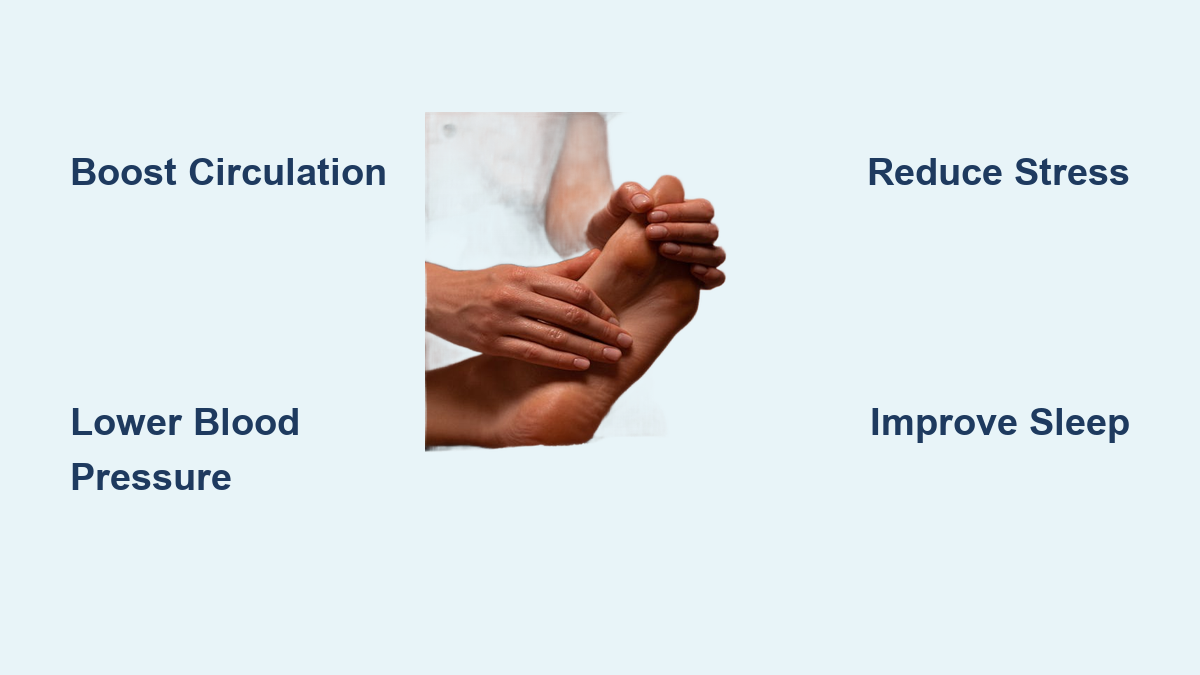
Boosts Circulation in the Feet
Flushes Out Metabolic Waste
Poor circulation in the feet—common after long periods of sitting or standing—leads to fatigue, swelling, and soreness. Rolling stimulates blood vessels in the sole, enhancing venous return and reducing fluid buildup. Improved circulation delivers oxygen and nutrients to damaged tissues while clearing out lactic acid and other inflammatory byproducts, speeding up recovery.
Combines Massage with Cold Therapy
For acute inflammation or morning pain, use a frozen water bottle or frozen golf ball. The cold reduces swelling, while the rolling action provides deep-tissue release. This dual approach is especially effective during plantar fasciitis flare-ups, offering both pain relief and tissue healing.
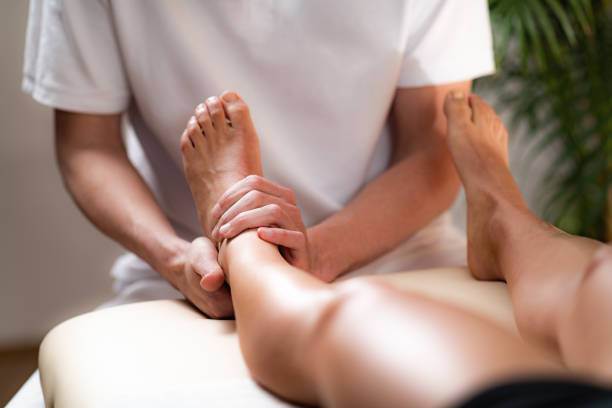
Study Reference: A 2004 Korean study found foot massage significantly lowers systolic blood pressure and triglyceride levels, suggesting cardiovascular benefits beyond local relief.
Improves Foot Mobility and Flexibility
Releases Tight Intrinsic Foot Muscles
The foot contains over 100 muscles, tendons, and ligaments, many of which support the arch. When intrinsic muscles like the flexor digitorum brevis or abductor hallucis become tight, they restrict movement and compress nerves. Rolling restores glide between tissue layers, improving joint mobility and reducing nerve irritation.
This increased flexibility leads to smoother gait mechanics and better shock absorption—critical for runners, walkers, and anyone on their feet all day.
Enhances Ankle Range of Motion
Tight plantar fascia limits ankle dorsiflexion—the ability to bend your foot upward. Restricted dorsiflexion alters biomechanics, increasing stress on the knees and hips. Rolling improves flexibility in the arch and calf complex, allowing for fuller, safer movement during daily activities and exercise.
Prevents Lower Body Injuries
Corrects Biomechanical Imbalances
Your feet are the foundation of movement. If the arch collapses or tightens, it triggers compensatory shifts up the kinetic chain, leading to:
- Achilles tendinitis
- Shin splints
- Knee pain (patellofemoral syndrome)
- Low back strain
By restoring balance and alignment in the foot, rolling reduces abnormal forces on joints and muscles above, lowering injury risk.
Supports Better Posture and Gait
With improved arch function, your body weight distributes more evenly across the foot. This leads to more stable, efficient walking and standing patterns, reducing fatigue and long-term wear and tear.
Expert Insight: “Problems in the feet can aggravate pain in [the] hamstrings, glutes, calves, and lower spine.” – Article 3
Reduces Stress and Promotes Relaxation
Activates the Parasympathetic Nervous System
The soles of the feet are rich in nerve endings linked to the body’s stress response. Gentle rolling mimics foot massage, triggering a relaxation response that lowers heart rate and cortisol levels. Many users describe the experience as meditative—a calming pause in a busy day.
Alleviates Anxiety and Elevates Mood
Studies show foot massage reduces symptoms of anxiety and depression, especially in high-stress groups like caregivers. The tactile stimulation promotes emotional well-being and mental clarity.
Study Reference: Care workers who received foot massages reported elevated mood, reduced anxiety, and lower blood pressure.
Supports Deeper, More Restful Sleep
Eases Nighttime Foot Discomfort
Sore arches can disrupt sleep. Rolling before bed alleviates residual tension, making it easier to fall and stay asleep. The combination of physical relief and nervous system calming helps transition the body into rest-and-digest mode.
Builds a Consistent Bedtime Ritual
Incorporating foot rolling into your evening routine signals to your brain that it’s time to wind down. Paired with dim lighting and no screens, it becomes a powerful non-pharmacological sleep aid.
Enhances Balance and Proprioception
Recalibrates Foot-Brain Communication
Tight or restricted foot tissues send distorted sensory signals to the brain, impairing balance. Rolling resets these signals by normalizing tissue tension and nerve function—especially valuable for older adults, where improved foot sensitivity can reduce fall risk.
Improves Athletic Control and Stability
Athletes in sports requiring quick changes in direction—like basketball or tennis—benefit from sharper foot awareness. Enhanced proprioception leads to more precise landings, cuts, and pivots.
Boosts Athletic Performance

Prepares Feet for Dynamic Load
Pre-workout foot rolling primes the plantar fascia and intrinsic muscles for impact. Benefits include:
- Softer, more pliable foot tissues
- Faster muscle fiber activation
- Greater force production during sprinting and jumping
Since “the rest of the body will follow when the feet are prepared,” optimizing foot function translates to better whole-body performance.
Increases Force Transfer Efficiency
A mobile, stable foot acts like a spring during movement. Rolling enhances this spring-like action by improving elasticity and reducing energy leaks caused by stiffness.
Relieves Nerve Compression and Referred Tension

Decompresses the Plantar and Tibial Nerves
Tight foot muscles can compress the plantar nerves, causing tingling, numbness, or referred tightness in the calves and hamstrings. Rolling relieves this pressure, restoring normal signaling and reducing downstream muscle tension.
Makes Stretching More Effective
Some experts recommend starting your stretching routine with foot rolling. By “desensitizing” overactive nerves first, subsequent calf and hamstring stretches feel easier and produce better results.
Expert Insight: “If there is compression of the nerves in the sole of the foot from tightness in the foot muscles, then it can actually cause muscles higher up in the leg to become a bit tighter.” – Article 4
Best Tools for Arch Relief

| Tool | Best For | Notes |
|---|---|---|
| Tennis Ball | Beginners, sensitive feet | Gentle pressure; ideal for daily maintenance |
| Golf Ball | Targeted arch work | Smaller surface for precise trigger point release |
| Lacrosse Ball | Deep tissue release | Firm texture breaks adhesions; high pain tolerance needed |
| Spiky Massage Ball | Sensory stimulation | Knobs enhance nerve feedback; may be too intense for some |
| Frozen Water Bottle | Inflammation | Combines cold therapy with rolling; use seated |
| Broomstick/Rolling Pin | Full-foot pressure | Broad contact for gentle, even release |
| Foam Roller | Calf + foot combo | Less precise for arches; great for lower leg |
Pro Tip: A smaller ball (like a golf or lacrosse ball) accesses deep arch muscles more effectively than a tennis ball.
How to Roll Your Arches Effectively
Step-by-Step Technique
1. Sit with Proper Support
Sit in a sturdy chair. Place the roller under the arch of one foot. Keep the other foot grounded for balance.
2. Apply Controlled Pressure
Use your body weight to press down—enough to feel tension release, but never sharp pain. Avoid rolling directly over the heel bone.
3. Use Multiple Rolling Patterns
- Heel to Toes: 8–10 slow passes along the arch
- Side to Side: Across the midfoot to target different fascial planes
- Circular Motions: On tender spots for 30–60 seconds
- Ankle Pumps: Flex and point toes while rolling to stretch fascia dynamically
4. Focus on Trigger Points
Pause on “good spots”—areas of high tension. Breathe deeply to encourage muscle relaxation.
5. Duration and Frequency
- Maintenance: 1–2 minutes per foot, daily
- Therapeutic: 5–10 minutes per foot, 3–4 times weekly
- Best Times: Morning (to relieve stiffness), post-activity, or before bed
6. Progress Gradually
Start with a tennis ball seated. As tolerance builds, move to a lacrosse ball or try standing for added pressure (use a wall for balance).
When to Avoid Foot Rolling
Contraindications and Safety Tips
Avoid rolling if you have:
- Acute foot injuries (fractures, severe sprains)
- Open wounds or infections
- Recent foot surgery
- Severe neuropathy
- Foot deformities like Charcot foot
Expert Caution: “When you’re ovulating… there’s more laxity in your ligaments… rolling midway through your cycle may lead to irritation or injury.” – Article 3
Never roll to the point of bruising or sharp pain. If discomfort persists beyond two weeks, consult a podiatrist.
Integrate Rolling Into Daily Life
- Morning: Reduces overnight stiffness
- Post-Workout: Flushes lactic acid
- Evening: Promotes relaxation and better sleep
Combine with: calf stretches, supportive footwear, and hydration for best results.
Foot rolling is a powerful, accessible tool for anyone with sore arches. With just a few minutes a day and a simple ball, you can step into greater comfort, balance, and well-being.