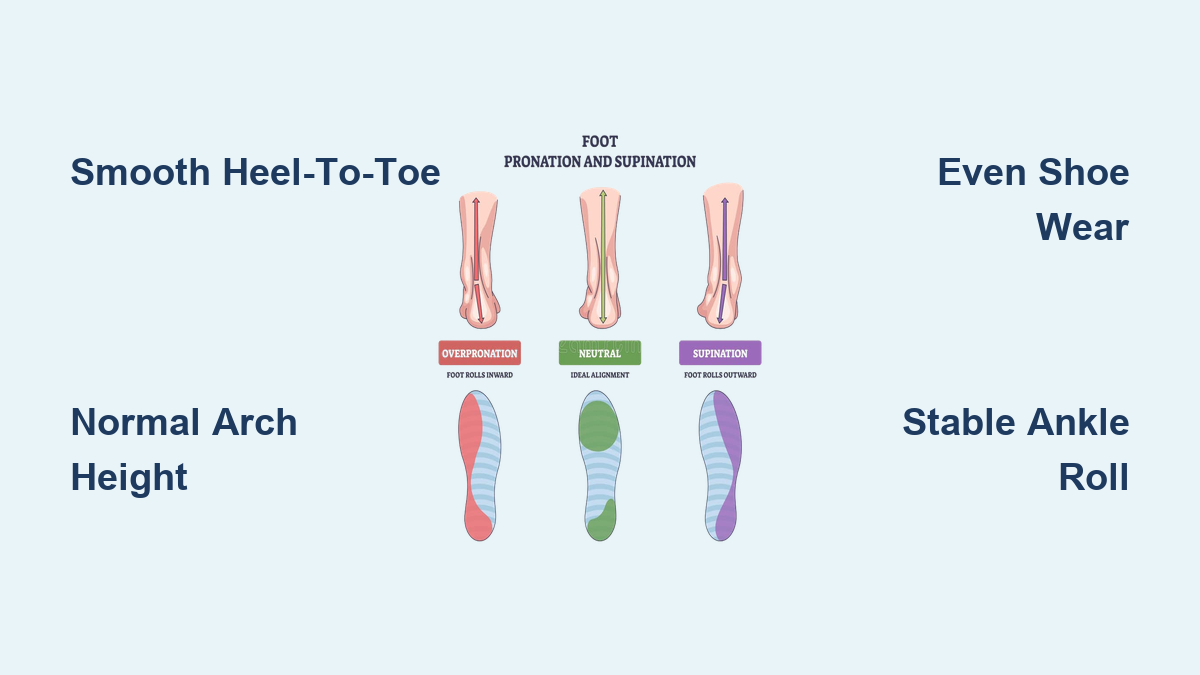
If you’ve ever finished a run without foot pain, knee discomfort, or tight calves, you might be one of the lucky runners with a neutral gait. This biomechanically efficient walking or running pattern is often considered the “gold standard” of human movement—where your foot lands just right, rolls inward slightly to absorb shock, and pushes off smoothly with balanced power. A neutral gait reduces injury risk, enhances energy transfer, and supports a natural, fluid stride.
But how do you know if your gait is truly neutral? Many runners assume they overpronate and reach for stability shoes, only to discover through analysis that their form is already balanced. Wearing the wrong shoes based on a misdiagnosis can actually disrupt your natural mechanics and lead to inefficiency or even injury. The good news? You don’t need a lab visit to get meaningful insights. Simple at-home tests—like checking your shoe wear, doing the wet foot test, or filming yourself running—can reveal a lot about your gait.
In this guide, you’ll learn exactly what defines a neutral gait, how it differs from overpronation and supination, and the most effective ways to identify your gait type. From DIY methods to advanced tech tools, we’ll show you how to assess your movement, choose the right footwear, and maintain healthy mechanics for years to come.
Signs Your Gait Is Neutral
Smooth Heel-to-Toe Transition
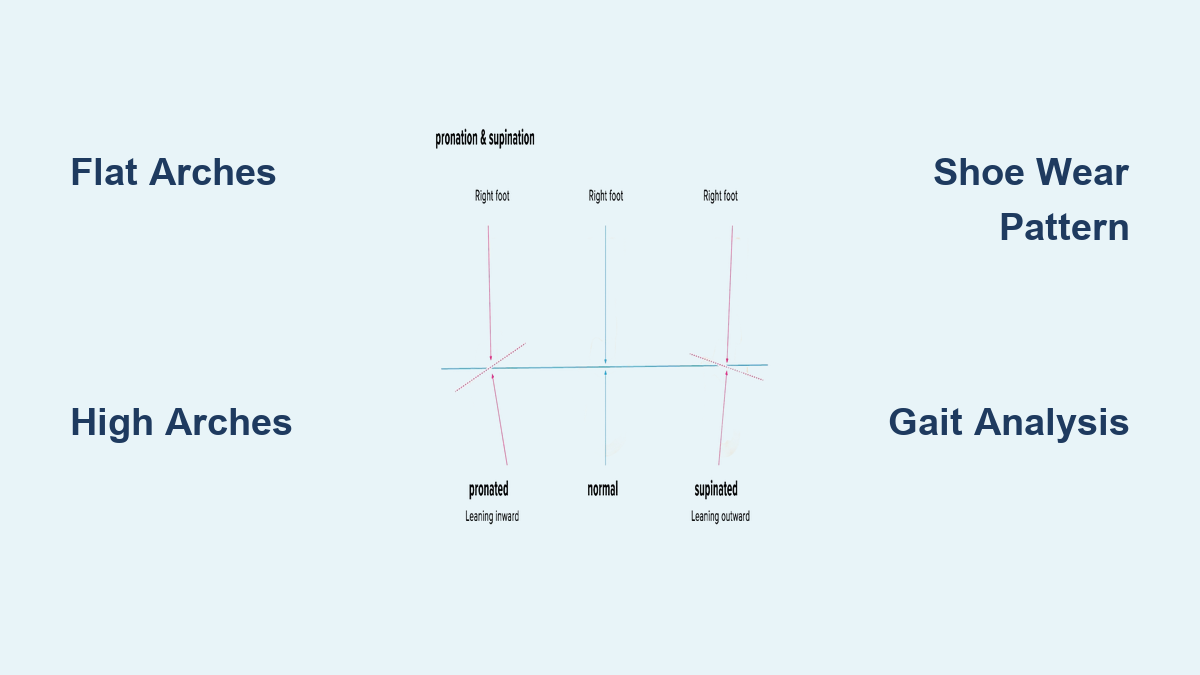
One of the most telling signs of a neutral gait is a controlled, efficient heel-to-toe motion. When your foot strikes the ground, it lands on the outer edge of the heel, then rolls inward about 15 degrees—just enough to cushion impact without collapsing. This slight inward motion allows your arch to compress naturally, distributing weight evenly across the midfoot before transferring to the ball of the foot.
At push-off, all toes engage uniformly—especially the big and second toe—creating balanced propulsion. There’s no excessive flattening of the arch or flicking outward of the foot. From behind, your ankle stays stable with minimal wobble or collapse toward the midline.
This seamless sequence reduces stress on your joints, tendons, and ligaments, making neutral gait one of the most injury-resistant patterns. If your stride feels smooth, effortless, and pain-free, you’re likely exhibiting this ideal motion.
Normal Arch Height and Foot Structure
Neutral gait is most commonly found in people with normal or medium arches—not too flat, not too high. These arches offer the perfect balance: flexible enough to absorb shock, yet firm enough to provide a strong push-off.
You can estimate your arch type using the wet foot test:
1. Wet the sole of your bare foot.
2. Step onto a dry surface like cardboard, paper, or concrete.
3. Examine the imprint.
- A moderate curve along the inner side, with only a narrow band connecting heel and forefoot, indicates a normal arch—a strong clue you may have a neutral gait.
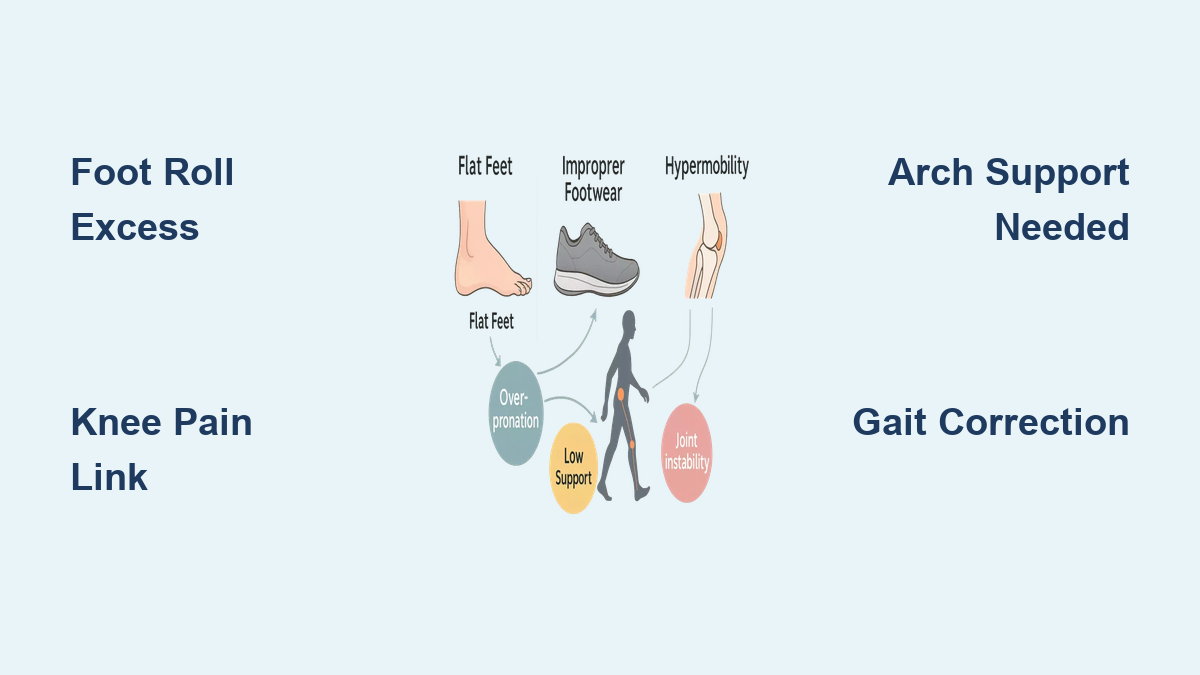
- A full footprint suggests flat feet and possible overpronation.
- A very slim or disconnected imprint points to high arches and potential underpronation (supination).
While arch type is a helpful indicator, it’s not definitive. Some people with flat feet run neutrally due to strong muscle control, while others with high arches may still overpronate. Use the wet test as a starting point, not the final word.
How to Test Your Gait at Home and Beyond
Professional Gait Analysis: The Gold Standard
The most accurate way to confirm a neutral gait is through professional gait analysis, available at specialty running stores, physical therapy clinics, or sports labs.
Here’s what to expect:
– You’ll run barefoot or in shoes on a treadmill while being recorded from multiple angles.
– High-speed cameras capture your stride in slow motion, allowing experts to analyze:
– Foot strike location
– Degree of inward roll (pronation)
– Ankle stability
– Knee alignment
– Hip movement
Some facilities use pressure-mapping systems or 3D foot scanners (like Aetrex Albert 2 or 3D Fit ID®) to measure real-time force distribution and foot shape during motion.
After the assessment, a specialist compares your movement to ideal biomechanics. They may also test different shoe types—neutral vs. stability—to see how your form changes. For example, if your gait becomes unstable in a stability shoe, it could mean your natural mechanics are being restricted.
“We’ll put you in a neutral shoe and have you run on our store track… Then show you a frame-by-frame replay.” — Article 3
This personalized feedback helps ensure you’re not over-correcting an already balanced stride.
Check Your Shoe Wear Pattern

Your running shoes are silent witnesses to your gait. Over time, the outsole wear pattern reveals how your foot moves through the gait cycle.
To assess:
– Pick up your most-worn pair of running shoes.
– Turn them over and examine the heel and forefoot.
Look for these signs:
– Even, uniform wear across the heel and ball of the foot: Strong indicator of neutral gait
– Excessive wear on the inner (medial) side: Suggests overpronation
– Heavy wear on the outer (lateral) edge: Points to underpronation (supination)
For instance, if your heel shows wear centered or slightly to the outside, and the forefoot wears evenly across the toes, your foot is likely rolling inward just enough—no more, no less.
“Even, uniform wear across the sole typically reflects neutral pronation.” — Article 4
Keep in mind: some shoes have tread patterns that wear unevenly by design, so check multiple pairs if possible.
Video Self-Analysis: DIY Gait Check
You can conduct your own video gait assessment using just a smartphone.
Steps:
1. Set up your phone on a tripod or stable surface.
2. Run toward the camera from the rear, side, and front.
3. Record 3–5 strides per angle.
4. Slow down the footage using a free app (like Coach’s Eye or Hudl Technique).
What to look for in neutral gait:
– Rear view: Ankle rolls inward slightly (~15°), then stabilizes—no dramatic collapse
– Side view: Heel or midfoot strike, followed by smooth transition to toe-off
– Front view: Knees track straight over the second toe, not caving inward
If your foot appears stable, aligned, and moves fluidly without jerking or twisting, you’re likely a neutral runner.
Pro tip: Film yourself barefoot on a treadmill. Without shoe interference, your natural mechanics are clearer.
Standing Posture Clues
Your stance when standing can also hint at your gait type.
Try this:
– Stand naturally in front of a mirror, wearing your running shoes.
– Look down at your feet.
Neutral alignment signs:
– Feet point straight ahead
– No visible inward tilt or outward splay
– Weight evenly distributed across both feet
If your feet naturally face forward without turning in or out, you’re more likely to have neutral gait.
“If they both face straight forward, you’re likely a neutral runner.” — Article 2
This isn’t a guarantee—but combined with other tests, it adds valuable insight.
Neutral vs. Overpronation vs. Supination

| Feature | Neutral Gait | Overpronation | Supination |
|---|---|---|---|
| Pronation Angle | ~15° inward | >15°, excessive | Minimal or outward |
| Arch Type | Normal | Low/flat | High |
| Shock Absorption | Optimal | Reduced | Poor |
| Common Injuries | Low risk | Shin splints, plantar fasciitis | Stress fractures, ankle sprains |
| Shoe Wear | Even across sole | Inner (medial) wear | Outer (lateral) wear |
| Recommended Shoes | Neutral | Stability/Motion Control | Neutral/Cushioned |
Understanding these differences helps you avoid misdiagnosing your needs—and wearing shoes that hinder rather than help.
Choosing the Right Shoes for Neutral Gait

If you have a neutral gait, your best choice is a neutral running shoe—designed to support natural motion without added corrections.
These shoes:
– Lack medial posts or dual-density foam
– Offer uniform cushioning throughout the midsole
– Are typically lighter and more flexible than stability shoes
– Allow unrestricted foot flexion and natural arch function
“Neutral running shoes lack stabilizing features, allowing the foot to move freely and naturally.” — Article 1
Examples include the Saucony Ride and Veloci Ascent—both known for responsive cushioning and natural toe splay. Avoid motion control or maximum support shoes unless a professional confirms you overpronate.
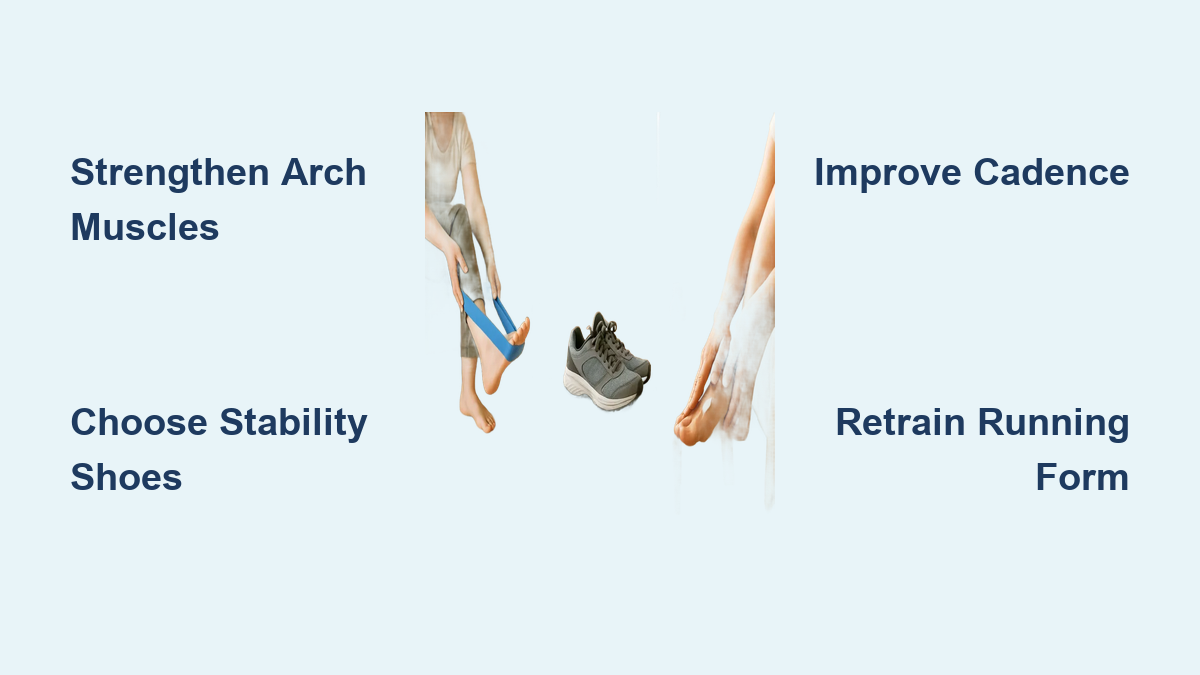
Strengthening for Gait Stability
Even neutral runners can lose form due to fatigue or weakness. Prevent this with key exercises:
- Toe curls: Grab a towel with your toes (3×10 reps)
- Calf raises: 3×15 reps for ankle strength
- Single-leg balance: 30 seconds per side, eyes closed for challenge
- Glute bridges & clamshells: Keep hips stable and knees aligned
Strong feet, ankles, and glutes preserve your neutral mechanics mile after mile.
When Gait Changes Over Time
Even if you have a neutral gait now, it can shift due to fatigue, injury, weight gain, or aging. Reassess every 1–2 years—especially if you feel new aches or increase mileage.
“Stability shoes may be interfering with natural gait.” — Article 7
Updating your footwear based on current mechanics—not past assumptions—keeps your stride efficient and injury-free.
Debunking Common Myths
Myth: Neutral Shoes Lack Support
False. They provide cushioning, heel counters, and durable outsoles—they just don’t include medial correction.
“Neutral shoes provide structure and support—they simply don’t include medial posting.” — Article 6
Myth: Everyone Should Aim for Neutral Gait
Some pronation is natural and healthy. The goal is controlled motion, not elimination.
“Some degree of pronation is natural—it’s how the foot absorbs impact.” — Article 6
Work with your body, not against it.
Final Note: A neutral gait is your body’s most efficient way to move—supporting injury-free running, better performance, and long-term joint health. By using simple tests like the wet footprint, shoe inspection, or video analysis, you can confirm your gait type and choose the right shoes. Combine that with strength work and periodic rechecks, and you’ll maintain optimal mechanics for years. Whether you’re logging miles or just staying active, knowing how you move empowers you to move better.