If you’re feeling sharp, aching, or burning pain beneath your second toe, especially when walking or standing, you’re likely dealing with an issue at the second metatarsophalangeal (MTP) joint—the hinge where the long bone of the foot meets the base of the second toe. This joint bears significant stress during daily movement, making it a common site for pain, inflammation, and even structural damage. Unlike generalized foot discomfort, second toe joint pain often stems from specific biomechanical imbalances, repetitive strain, or underlying foot conditions that overload this critical weight-bearing area.
Many people describe the sensation as walking on a pebble, a crumpled sock, or a marble under the ball of the foot. Left untreated, these issues can progress to toe deformities like crossover toe, chronic instability, or permanent joint damage. The good news? Most causes are treatable, especially when identified early. In this guide, we’ll break down the most common causes of pain in the second toe joint, how to recognize them, and what steps you can take to relieve pain and prevent long-term complications.
Capsulitis of the Second Toe: Early Warning Sign of Joint Instability

Capsulitis—the inflammation of the ligament capsule surrounding the second MTP joint—is one of the leading causes of second toe joint pain. Often called predislocation syndrome, it signals that the joint is under excessive stress and may be heading toward dislocation if not addressed.
Why Capsulitis Develops
The second MTP joint is designed to handle heavy loads during push-off in walking. But when biomechanics go awry—due to foot shape, tight calf muscles, or poor footwear—this joint absorbs disproportionate pressure, leading to microtears and swelling in the joint capsule. Over time, the ligaments weaken, causing instability and increasing the risk of subluxation (partial dislocation) or crossover toe, where the second toe drifts over the big toe.
Key Risk Factors
- Morton’s toe: A longer second toe shifts weight forward, overloading the joint.
- Bunions (hallux valgus): As the big toe angles outward, the second metatarsal head takes on extra load.
- Flat feet or high arches: Both alter pressure distribution, concentrating force on the second MTP joint.
- Tight calf muscles: Limit ankle motion, forcing the forefoot to absorb more impact.
- High heels or narrow shoes: Compress the toes and increase forefoot pressure.
- Repetitive activities: Running, dancing, or prolonged standing can accelerate wear.
How to Spot Capsulitis
- Pain under the ball of the foot, centered beneath the second toe.
- Swelling or puffiness at the base of the toe.
- Tenderness when pressing on the joint.
- Feeling of instability, as if the toe might “give way.”
- Difficulty wearing shoes, especially tight or heeled ones.
- In advanced cases: Visible toe drift toward the big toe—a red flag for crossover deformity.
Diagnosis and Treatment
Doctors diagnose capsulitis through a physical exam, checking for joint tenderness and instability. X-rays help assess alignment and rule out fractures, while MRI or ultrasound can reveal soft tissue damage.
Non-Surgical Treatment (Early Stage):
– Rest and ice to reduce inflammation.
– NSAIDs (e.g., ibuprofen) for pain and swelling.
– Metatarsal pads placed just behind the ball of the foot to offload the joint.
– Custom orthotics to correct foot mechanics and redistribute pressure.
– Toe taping to stabilize the joint and prevent drift.
– Calf stretching to improve ankle mobility and reduce forefoot strain.
Surgical Options (Advanced Cases):
– Capsular repair to tighten loose ligaments.
– Metatarsal osteotomy to shorten a long second metatarsal.
– Joint fusion (arthrodesis) in cases of severe degeneration.
Metatarsalgia: Forefoot Overload and Pressure Pain

Metatarsalgia refers to pain in the ball of the foot caused by excessive pressure on the metatarsal heads—most commonly the second and third. While not a specific disease, it’s a key warning sign that your foot mechanics are off.
What Triggers Metatarsalgia?
- High-impact activities: Running, jumping, or standing for long hours.
- Poor footwear: High heels, thin soles, or narrow toe boxes.
- Obesity: Increases load on the forefoot.
- Foot deformities: Bunions, hammertoes, or calluses.
- Stress fractures: Tiny cracks in the metatarsal bones from overuse.
Recognizing the Symptoms
- Aching, burning, or sharp pain under the second toe joint.
- Worsens with activity, improves with rest.
- Calluses forming under the second or third metatarsal heads.
- Sensation of walking on a pebble.
- Pain may radiate into the second toe.
Diagnosis and Relief
A clinical exam and X-rays help rule out fractures. Gait analysis can identify abnormal pressure patterns.
Effective Treatments:
– Wear supportive shoes with cushioned soles and a wide toe box.
– Use metatarsal pads or orthotics to shift pressure away from the joint.
– Avoid high heels and tight shoes.
– Lose weight if overweight—each pound lost reduces forefoot load.
– Physical therapy to strengthen foot muscles and improve gait.
Morton’s Neuroma: Nerve Pain That Mimics Joint Issues

Though not a joint condition, Morton’s neuroma often causes pain mistaken for second toe joint problems. It involves thickening of tissue around the nerve between the metatarsal heads—typically between the third and fourth toes, but sometimes between the second and third.
How It Starts
Repetitive compression—often from tight shoes or high-impact activities—irritates the nerve, leading to scarring and swelling.
Classic Symptoms
- Sharp, electric-like or burning pain in the ball of the foot.
- Numbness or tingling in the second and third toes.
- Pain increases with shoe wear, especially heels.
- Relief when removing shoes or massaging the foot.
- Mulder’s sign: A clicking sensation when squeezing the forefoot.
Confirming the Diagnosis
- Ultrasound or MRI: Best for visualizing the neuroma.
- Diagnostic injection: Temporary relief from anesthetic confirms the source.
Treatment Options
- Wider, low-heeled shoes with soft soles.
- Orthotics with metatarsal padding to separate the metatarsals.
- Corticosteroid injections to reduce inflammation.
- Alcohol sclerosing injections for nerve shrinkage.
- Surgery to remove the neuroma if conservative care fails.
Freiberg’s Disease: Bone Damage in Young Adults

Freiberg’s disease is a rare but serious condition involving avascular necrosis—loss of blood supply to the second metatarsal head—leading to bone collapse and joint damage. It primarily affects teenagers and young adults, especially active females.
Causes and Risk Factors
- Repetitive microtrauma from sports or dance.
- Longer second metatarsal (Morton’s toe).
- More common in teenage girls with hypermobile joints.
Symptoms
- Gradual onset of pain under the second toe.
- Stiffness and limited motion.
- Swelling and tenderness.
- Callus formation beneath the joint.
- Pain worsens with weight-bearing.
Diagnosis and Treatment
- X-rays: Show flattening or fragmentation of the bone.
- MRI: Detects early changes before X-ray visibility.
Conservative Care:
– Activity modification.
– Stiff-soled or rocker-bottom shoes to reduce joint motion.
– Orthotics with metatarsal padding.
Surgical Options:
– Debridement of damaged cartilage.
– Osteotomy to realign the bone.
– Resection in severe cases.
Plantar Plate Tear: Hidden Ligament Injury
The plantar plate is a strong ligament under the MTP joint that prevents the toe from drifting upward. A tear—often from overuse or trauma—causes instability and pain.
Symptoms
- Pain under the second MTP joint, especially when pushing off.
- Swelling on the bottom of the foot.
- Toe starts to lift or drift upward (“floating toe”).
- Positive Lachman test: The toe moves upward when pulled.
Diagnosis and Treatment
- Clinical stress test and ultrasound or MRI confirm the tear.
- Early stage: Taping, orthotics, activity modification.
- Advanced tear: Surgical repair.
Other Causes of Second Toe Joint Pain
Ingrown Toenail
- Pain along the nail edge, redness, swelling, or pus.
- Can mimic joint pain when pressing on shoes.
- Treated with soaking, antibiotics, or minor surgery.
Arthritis
- Osteoarthritis: Wear-and-tear joint degeneration.
- Rheumatoid arthritis: Autoimmune inflammation.
- Gout: Sudden, severe pain from uric acid crystals.
Blisters, Corns, and Calluses
- Friction from tight shoes causes localized pain that may radiate.
Trauma and Fractures
- Stress fractures from overuse.
- Acute fractures from stubbing or dropping objects.
- Diagnosed with X-ray; treated with rest, stiff shoes, or surgery.
Diabetes and Neuropathy
- Nerve damage may mask pain, leading to unnoticed injuries.
- Poor circulation slows healing.
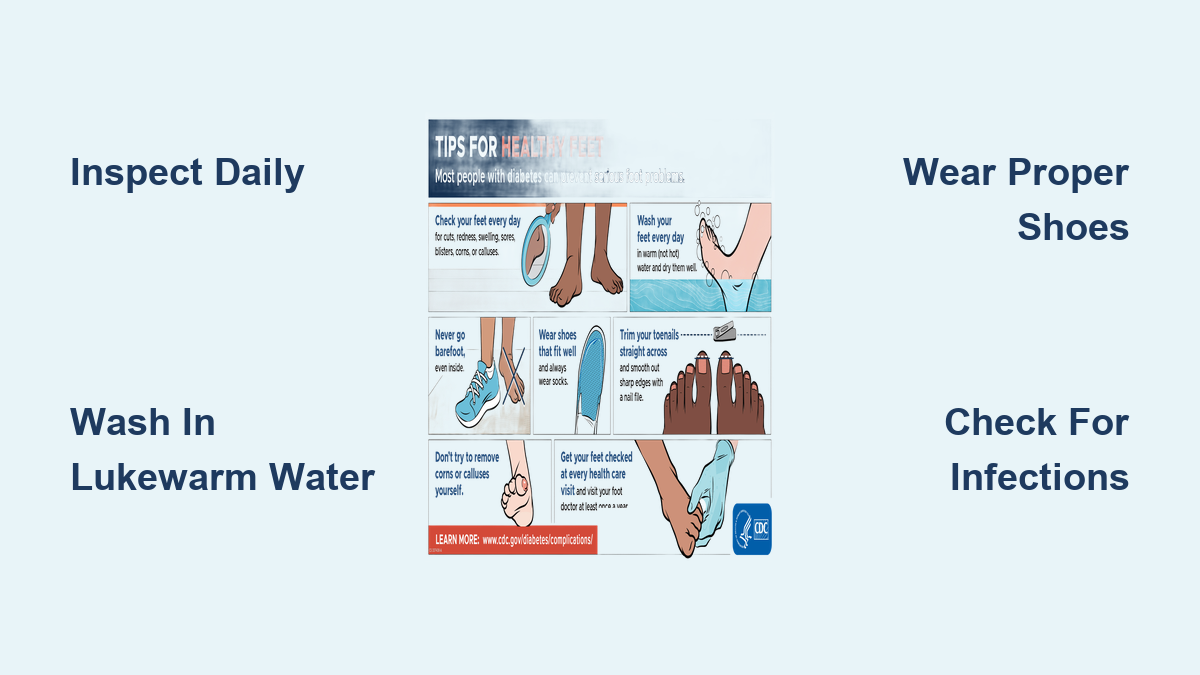
- Diabetics should inspect feet daily.
When to See a Doctor
Seek medical help if you have:
– Persistent pain that doesn’t improve with rest.
– Visible deformity, swelling, or redness.
– Inability to walk or bear weight.
– Signs of infection: Pus, warmth, fever.
– Toe discoloration (blue or pale)—possible circulation issue.
– Diabetes and any foot sore or injury.
Seek immediate care for open wounds, fractures, or infection in diabetic feet.
Prevention Tips
- Wear shoes with a wide toe box and low heel.
- Use orthotics or metatarsal pads if you have foot pain.
- Stretch your calves daily.
- Avoid high-impact activities without proper footwear.
- Trim toenails straight across.
- Inspect your feet regularly, especially if diabetic.
Final Note: Pain in the second toe joint is rarely random—it’s a signal that something’s off. Whether it’s capsulitis, metatarsalgia, or a neuroma, early action prevents long-term damage. By identifying the cause and taking targeted steps, you can relieve pain, restore function, and keep walking comfortably.