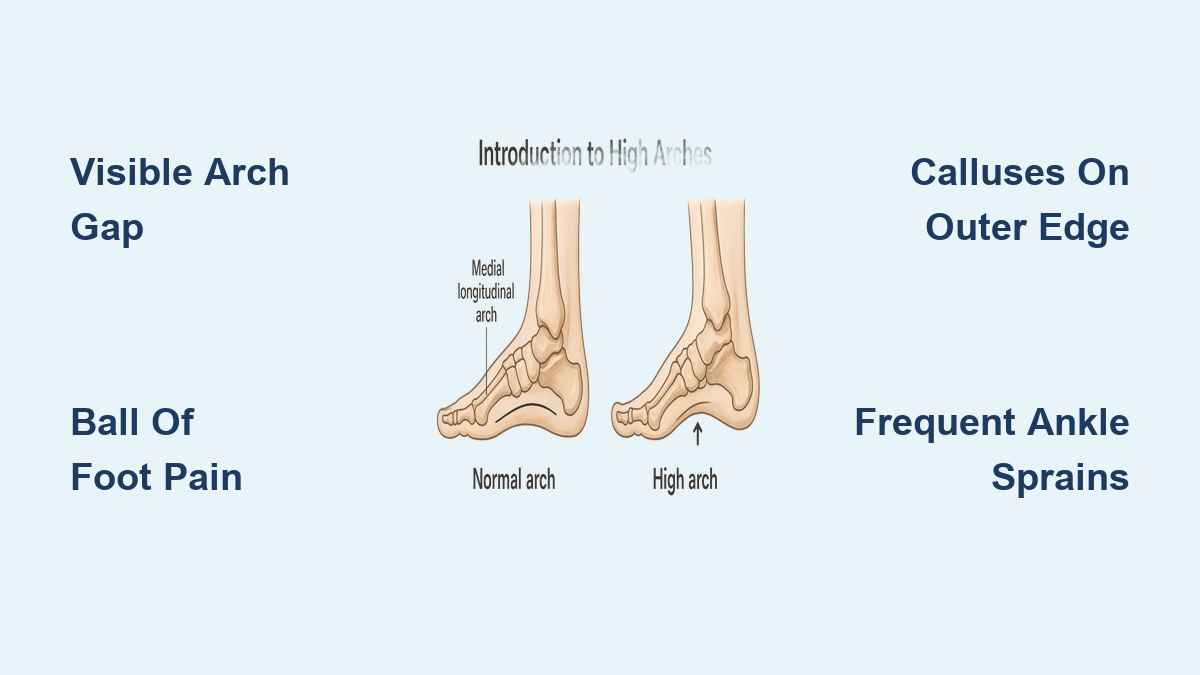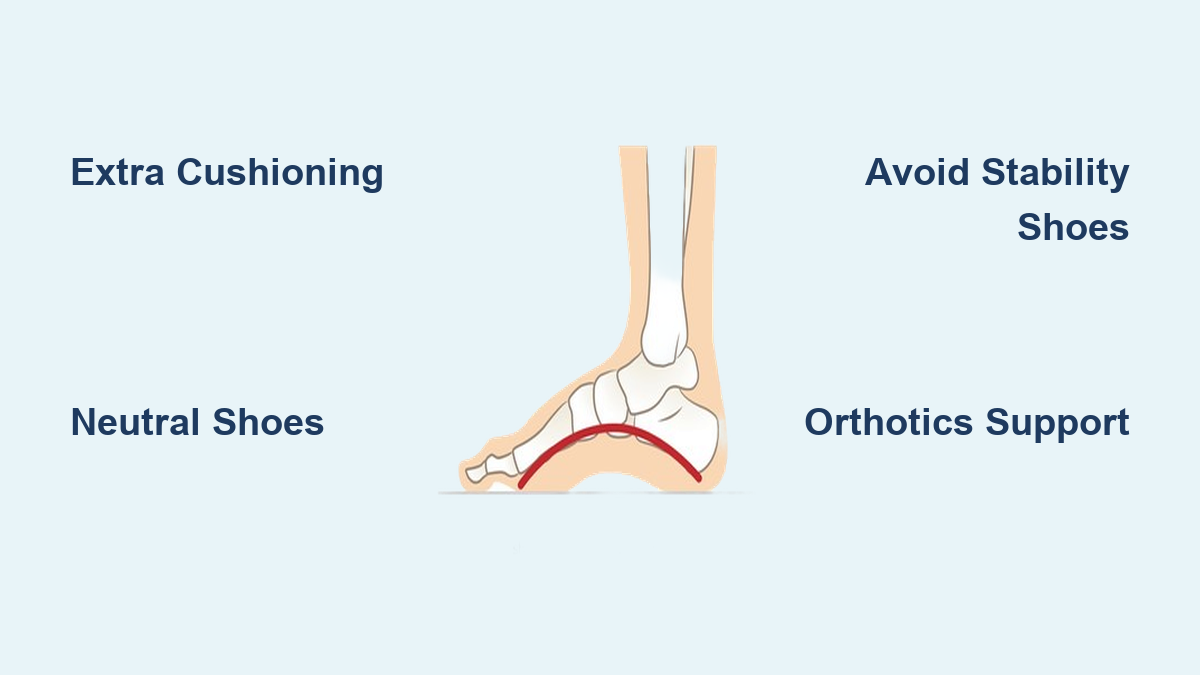
If you’ve ever winced with every step on concrete, felt your heel jar after a short walk, or struggled to find shoes that don’t leave your feet throbbing by midday, you might be part of the 20% of people with high arches—medically known as cavus foot. Unlike flat feet, which collapse inward, high-arched feet are rigid and sit elevated off the ground, often rolling outward—a motion called supination. This structure severely limits your foot’s ability to absorb shock, turning routine movement into a high-impact stress test for your joints.
The problem isn’t just discomfort—it’s long-term damage. Without proper cushioning, the force from each step travels unchecked up your kinetic chain, from your feet to your knees, hips, and lower back. This increases your risk of stress fractures, plantar fasciitis, and chronic joint pain. The good news? You can protect yourself. This article explains why high-arch individuals need extra cushioning, how to identify if you’re affected, and what to do—from choosing the right shoes to using orthotics and preventing injury. By the end, you’ll know exactly how to support your feet and stay active without pain.
High Arches Disrupt Natural Shock Absorption

Supination Limits Impact Distribution
High-arched feet are naturally supinated, meaning they sit turned outward and remain stiff during walking or running. While a small degree of supination is normal during the push-off phase of gait, high-arched feet fail to pronate sufficiently when the foot strikes the ground. Pronation—the inward roll of the foot—is not a flaw; it’s a critical shock-absorbing mechanism that slows down impact and spreads force over time and surface area.
When your foot is too rigid to pronate, it behaves like a rigid lever instead of a flexible spring. This results in sharper, higher-impact forces, especially at heel strike. Instead of dissipating energy, your bones, tendons, and joints absorb the full brunt of each step.
“If your foot is rigid when it hits the ground, forces are translated suddenly and intensely through your foot and leg.”
This lack of natural shock absorption makes every footfall a potential source of strain—especially during high-impact activities like running, jumping, or prolonged standing.
Rigid Feet Concentrate Stress, Increasing Injury Risk
Because high-arched feet lack flexibility, pressure doesn’t distribute evenly. Instead, it concentrates in narrow zones, increasing the risk of overuse injuries. Common conditions linked to high arches include:
- Stress fractures in the metatarsals, tibia, or heel bone
- Plantar fasciitis due to excessive tension on the arch ligament
- Peroneal tendonitis from chronic strain on the outer ankle tendons
- Shin splints (medial tibial stress syndrome)
- Recurrent ankle sprains from lateral instability
These injuries stem from repetitive loading without adequate cushioning—a problem that’s preventable with the right footwear and support.
Extra Cushioning Compensates for Missing Shock Absorption
Padding Mimics the Foot’s Natural Suspension
High-arched feet simply don’t compress well on impact. Their rigidity means they can’t decelerate force gradually, leaving your body vulnerable. That’s where extra cushioning comes in—it acts as an external shock absorber, replacing the foot’s missing natural ability to soften impact.
Cushioning works by:
– Extending the time over which impact is absorbed
– Reducing peak force transmitted to bones and joints
– Distributing pressure more evenly across the foot
Think of it like a car’s suspension system: a stiff suspension transfers every bump directly to the driver, while a well-cushioned system smooths the ride. For high-arched individuals, cushioned shoes are that suspension—protecting your body with every step.
“The goal is to compensate for the foot’s natural lack of shock absorption. Without adequate cushioning, repetitive impact places excessive strain on the metatarsals, tibia, and ankle joints.”
Cushioning Prevents Cumulative Damage
Without a protective layer, repeated impact leads to microtrauma, inflammation, and long-term injury. Cushioning breaks this cycle by acting as a buffer between your foot and the ground. For runners, this isn’t optional—it’s essential. Research shows that heel-striking runners with high arches face the highest risk of stress injuries due to the combination of rigid feet and sudden impact forces.
Foot Strike Pattern Determines Cushioning Needs

Heel Strikers Require Maximum Cushioning
Your foot strike dramatically affects how much cushioning you need. The data shows a clear hierarchy:
| Foot Strike | Impact Level | Cushioning Need |
|---|---|---|
| Heel Strike | High – sudden force spike | Critical |
| Midfoot Strike | Moderate – balanced load | Highly Beneficial |
| Forefoot Strike | Low – absorbed by calf/Achilles | Helpful but Less Critical |
If you’re a heel striker with high arches, you’re facing a double risk: a rigid foot and a high-impact landing. This creates a jarring “pounding” effect that increases injury risk significantly. For you, cushioning isn’t about comfort—it’s injury prevention.
“If you are a heel striker… cushioning type running shoes can help protect your feet from the pounding forces of running, if you have high arches.”
Even midfoot and forefoot strikers benefit from cushioning, especially during long runs or on hard surfaces like concrete.
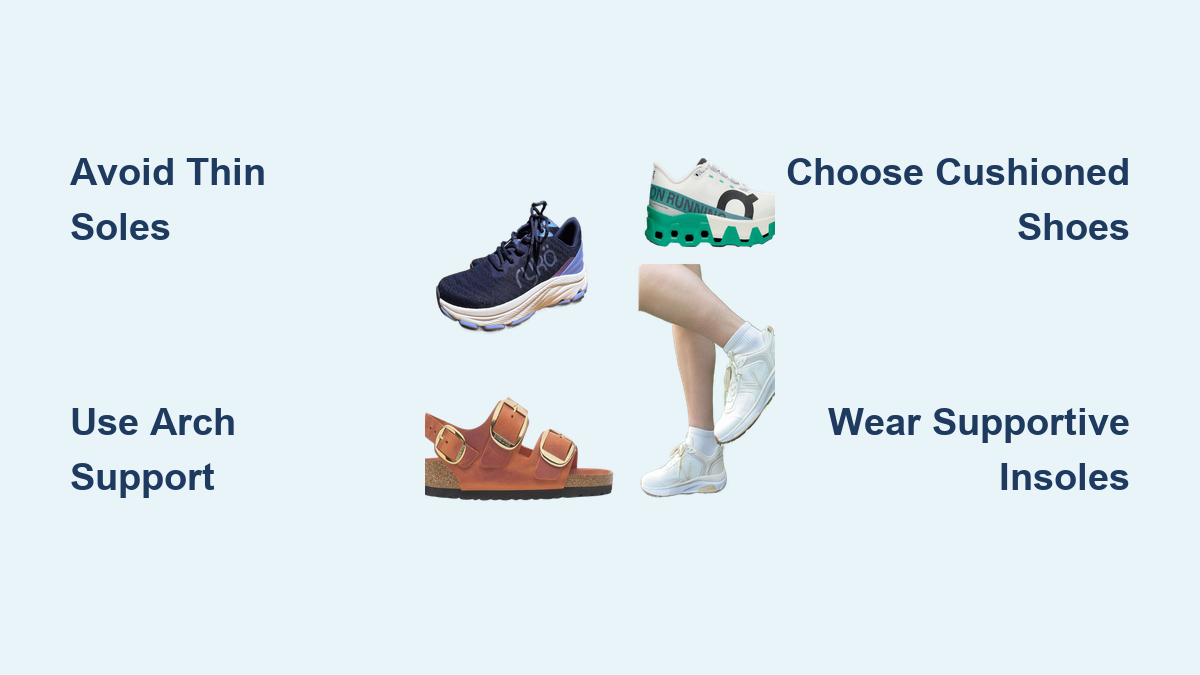
Choosing the Right Shoes for High Arches

Pick Cushioned, Neutral Shoes—Not Stability Models
A common mistake is choosing stability or motion control shoes, thinking more support is better. But these are designed for overpronators with flat feet, not high-arched, supinated feet. Wearing them can actually make things worse by:
- Restricting natural foot motion
- Increasing pressure on the outer edge of the foot
- Raising the risk of stress fractures
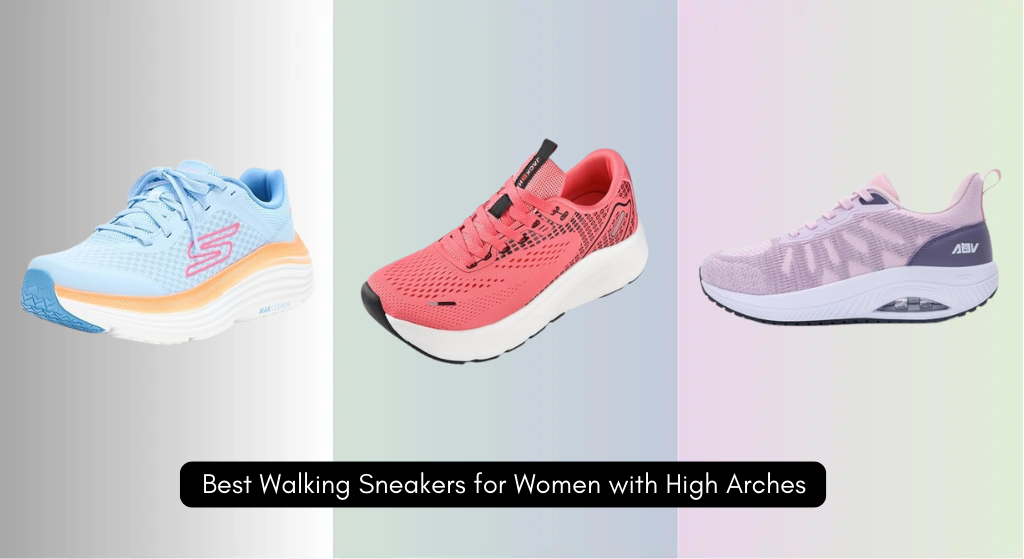
Instead, high-arch individuals should wear neutral, cushioned shoes. Look for models labeled:
– Neutral running shoes
– Cushioning-type footwear
– Flexible, lightweight designs
These allow slight natural movement while delivering soft, responsive padding where it’s needed most.
Key Shoe Features for High Arches
The best shoes for high arches include:
- Thick midsoles made of EVA foam or similar soft, compressible materials
- No medial posts (the firm inserts inside the arch of stability shoes)
- Flexible soles that bend easily at the ball of the foot
- Roomy toe box to prevent pressure on toes and calluses
“Cushioning running shoes… have a lot of EVA material built into the midsoles that will really cushion and protect you when you land.”
Avoid any shoe labeled “motion control,” “overpronation support,” or “rigid arch support”—these features interfere with your foot’s natural function.
Self-Test: Do You Have High Arches?
Use the Wet Test to Confirm
You can check for high arches at home with simple tests:
- Wet Test: Wet your foot and step onto a dark surface. If only a thin strip connects your heel and forefoot, with most of the arch lifted, you likely have high arches.
- Shoe Wear Check: Look at old shoes. Excessive wear on the outer (lateral) edge indicates supination.
- Barefoot Sound Test: Walk barefoot on hardwood or tile. A loud “clack” means poor shock absorption—your foot isn’t compressing on impact.
“If your feet make a loud clack when walking barefoot on hardwood floors, it suggests your arches aren’t absorbing impact effectively.”
Recognize the Warning Signs
Other symptoms include:
– Pain in the heel, ball of foot, or ankle
– Frequent ankle sprains (especially rolling outward)
– Calluses or corns on the outer foot or under the ball of the foot
– Difficulty finding comfortable shoes
If you have these signs, it’s time to upgrade to cushioned footwear or try supportive insoles.
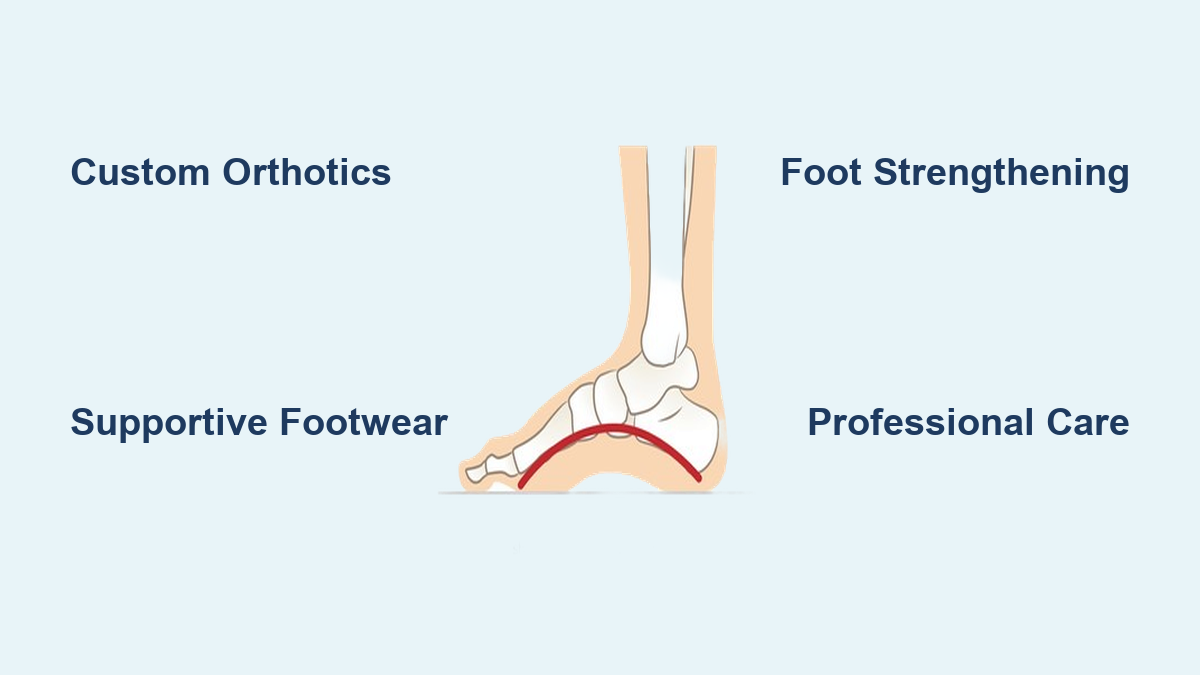
Orthotics Improve Support and Reduce Pain
Over-the-Counter Insoles Offer Real Relief
Orthotics aren’t just for severe cases. Over-the-counter insoles like PowerStep® Pinnacle High are designed specifically for high arches and deliver real benefits:
- Firm, contoured arch support that matches your foot’s shape
- Full-length cushioning from heel to toe
- Heat-moldable options for a custom-like fit
- Clinically proven to relieve and prevent foot pain
“PowerStep insoles for high arches are clinically proven to relieve and prevent high arch foot pain by stabilizing and balancing the foot.”
They help correct supination, improve alignment, and reduce strain on tendons and joints.
When to See a Specialist for Custom Orthotics
For severe pain or neurological causes (like Charcot-Marie-Tooth disease), custom-molded orthotics may be necessary. Prescribed by a podiatrist, they offer:
– Precise pressure redistribution
– Personalized arch contouring
– Integration with braces or special footwear
Custom orthotics are more expensive but often covered by insurance for medical conditions.
Manage Pain and Prevent Injury
Use Ice for Acute Discomfort
If you’re experiencing pain or swelling from overuse:
– Apply ice packs for 20 minutes, up to three times daily
– Soak feet in cold water to reduce inflammation
– Combine with NSAIDs like ibuprofen for faster relief
Ice therapy is especially helpful after long walks, runs, or standing jobs.
Stretch and Strengthen for Long-Term Health
While cushioning protects your foot, strengthening and stretching improve function:
– Calf stretches reduce tension on the plantar fascia
– Towel curls build intrinsic foot muscle strength
– Balance exercises improve ankle stability
These habits complement cushioned shoes and orthotics, reducing long-term strain.
Get Professional Help When Needed
See a Podiatrist for Accurate Diagnosis
Not all foot pain is from high arches—some cases stem from neurological conditions like cerebral palsy or stroke. A podiatrist or orthopedic specialist can:
– Confirm cavus foot diagnosis
– Rule out underlying causes
– Recommend treatment plans, including orthotics or bracing
Early evaluation prevents worsening symptoms.
Try Gait Analysis at a Running Store
Many specialty running shoe stores offer free gait analysis using video or pressure mats. A trained staff member can:
– Observe your foot strike and arch behavior
– Recommend the best neutral, cushioned shoes
– Ensure your new shoes don’t over-stabilize
“Consulting a specialist at a specialty running store is highly recommended. A trained professional can assess your gait, foot type, and running style to recommend a shoe that provides optimal protection without over-stabilizing.”
This personalized advice can be the difference between comfort and chronic pain.
Key Takeaways: Protect Your High Arches
- High arches affect 1 in 5 people and lead to rigid, supinated feet.
- These feet lack natural shock absorption, increasing impact forces on joints.
- Extra cushioning is essential to reduce injury risk and improve comfort.
- Choose neutral, cushioned shoes with EVA midsoles—avoid stability shoes.
- Heel strikers benefit most from cushioning due to high-impact loading.
- A “clacking” sound when walking barefoot signals poor shock absorption.
- Orthotics like PowerStep provide targeted support and pain relief.
- Use ice, NSAIDs, and stretching to manage symptoms.
- See a specialist for diagnosis, gait analysis, or custom orthotics.
“For runners with high arches, the right cushioning shoe isn’t just comfort—it’s protection.”
With the right shoes, insoles, and care, high-arched individuals can stay active, pain-free, and protected from long-term damage. Start by upgrading your footwear—your feet (and joints) will thank you.