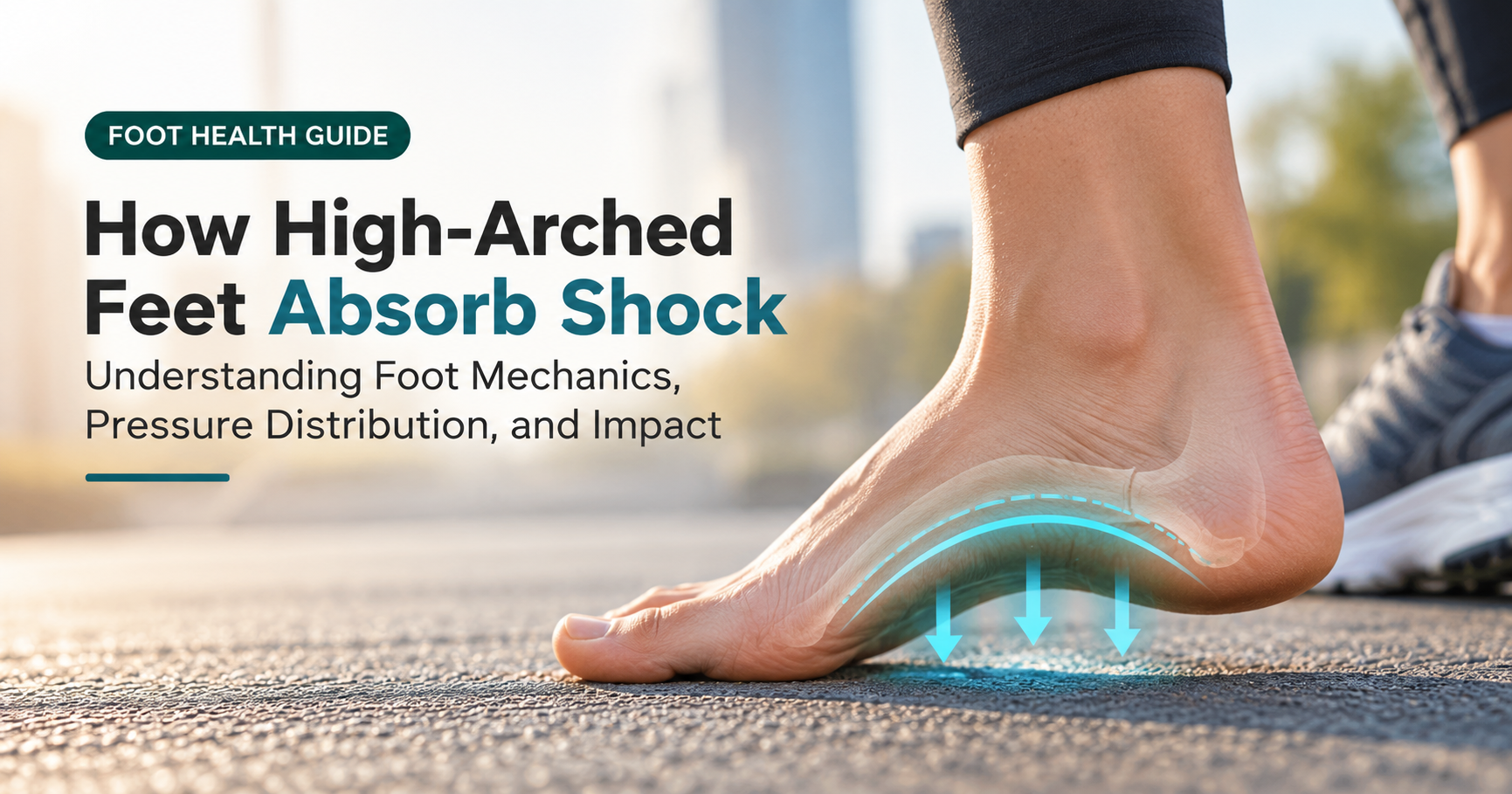

Every step you take sends a surge of force through your body. Walking sends roughly one to one-and-a-half times your body weight through each foot, and running can multiply that several times over. Your feet are the first line of defense, and the arch is the structure that does much of the heavy lifting. But what happens when that arch is unusually high? Understanding how high arch feet absorb shock can explain why some people struggle with heel pain, sore forefeet, or aching knees, and what can be done about it.
In this guide, you will learn how a healthy arch works, why a high arch behaves differently, which problems tend to follow, and which practical steps can improve comfort and protection.
What Are High Arch Feet?
A high arch foot, known in medical terms as pes cavus or a cavus foot, has an arch that stays raised even when you stand with your full weight on it. If you look at a wet footprint, a person with a high arch leaves a mark showing the heel and the ball of the foot, with a very thin strip (or none at all) connecting them.
High arches are common, and many people with them never have trouble. For others, the arch is stiff and its shape limits how well the foot can spread out and cushion impact. High arches can run in families, and in some cases they are linked to underlying neurological or muscle conditions, which is why persistent or worsening symptoms deserve a professional evaluation.

How a Healthy Arch Absorbs Shock
To understand what high arch feet are missing, it helps to see how a normal foot handles impact. The foot works like a flexible spring and a rigid lever, switching roles during each step.
1. The heel fat pad
The first contact in most steps is the heel. A thick pad of fatty tissue under the heel bone compresses on landing and spreads the load over a larger area, acting like a built-in cushion.
2. The arch as a spring
As your weight moves forward, the arch lowers slightly. This gentle flattening stretches the plantar fascia (the thick band of tissue under the foot), the ligaments and the small muscles inside the foot. Stretching these tissues stores energy and slows the force of impact, much like the way a spring compresses under load.
3. Controlled pronation
Pronation is the natural inward roll of the foot after landing. Within a normal range, it allows the foot to adapt to the ground and share the load across the sole. It is a useful shock-absorbing motion, not a flaw.
4. Rebound for push-off
Once your weight reaches the forefoot, the foot stiffens into a lever. The stored energy is released, which helps push you forward and makes walking more efficient.
Why High Arch Feet Absorb Less Shock
In a high arch foot, several of these steps are limited. The result is that more impact stays concentrated in a few spots rather than being shared across the whole foot.
- Stiffness: A high arch is often rigid, so it does not flatten and stretch as much when you land. The spring effect is reduced.
- Smaller contact area: Because the middle of the sole barely touches the ground, force goes mainly through the heel and the ball of the foot.
- Limited pronation: Many people with high arches tend to roll outward (supination) rather than inward. The foot may stay tilted toward its outer edge, which reduces natural shock absorption and can make the ankle less stable.
- Heel position: The heel may tilt inward in some cavus feet, which changes how force travels up the leg.
- Tight tissues: A tight plantar fascia and tight calf muscles can further limit how much the foot can give on impact.
This does not mean a high arch is always a problem. It means the foot has less built-in cushioning, so the shoes you wear, the surfaces you walk on and the strength of your feet matter more.

Where the Pressure Goes
Studies of foot pressure show a consistent pattern: when the arch is high, load shifts away from the midfoot and piles up under the heel and the ball of the foot. The chart below illustrates this general trend. The numbers are simplified examples to show the idea, and real values vary from person to person.

Concentrated pressure is what leads to many of the typical complaints: sore heels, burning under the ball of the foot, and thick calluses in those areas.
Common Problems Linked to Poor Shock Absorption
When the foot cannot absorb impact well, the force travels up the leg and the body. People with high arches may be more prone to:
- Plantar fasciitis: Heel pain, often worst with the first steps in the morning, caused by strain on the tissue under the foot.
- Metatarsalgia: Pain and tenderness in the ball of the foot, where pressure is highest.
- Heel pain and fat pad irritation: Repeated pounding on a small area of the heel.
- Ankle sprains and instability: The foot tilts outward, which makes rolling the ankle easier.
- Stress injuries: Repeated impact can contribute to stress reactions in bones of the foot and lower leg, especially in runners.
- Shin splints and knee pain: Unabsorbed force travels upward, loading the shins and knees.
- Hammertoes and claw toes: Toes may curl as the foot compensates, causing corns and pressure points.
- Calluses: Thick skin often forms under the heel, the ball of the foot and along the outer edge.
- Hip and lower back discomfort: Changes in how force moves up the body can show up well away from the foot.
How to Tell If You Have High Arches
You can do a quick check at home, though it is not a diagnosis.
- The wet footprint test: Wet your foot, step onto a flat dark surface or piece of paper and look at the print. If you see only the heel, the ball and a thin outer strip, your arch may be high.
- Shoe wear pattern: Look at the soles of old shoes. Heavy wear on the outer edge of the heel and forefoot is a common sign.
- Visual check: Standing normally, a noticeable gap under the inner arch that does not close with your weight suggests a high arch.
- Toe shape: Curled toes and a prominent bump on top of the foot can accompany a cavus foot.
A podiatrist or physical therapist can confirm your foot type through a physical exam, gait analysis and, when needed, pressure testing.
What Causes High Arches?
High arches can be inherited, and many people simply have a foot shape that runs in the family. In other cases, they develop because of a neurological or muscular condition that affects how the muscles of the foot and lower leg work. Examples include Charcot-Marie-Tooth disease, cerebral palsy, spina bifida and certain other nerve disorders. If your arches have changed noticeably over time, or you notice weakness, numbness or frequent tripping, see a doctor rather than self-treating.
Practical Ways to Improve Shock Absorption
The good news is that you can add back much of what a high arch lacks. The goal is to spread pressure over a larger area, cushion impact and keep the foot stable.
Choose the right footwear
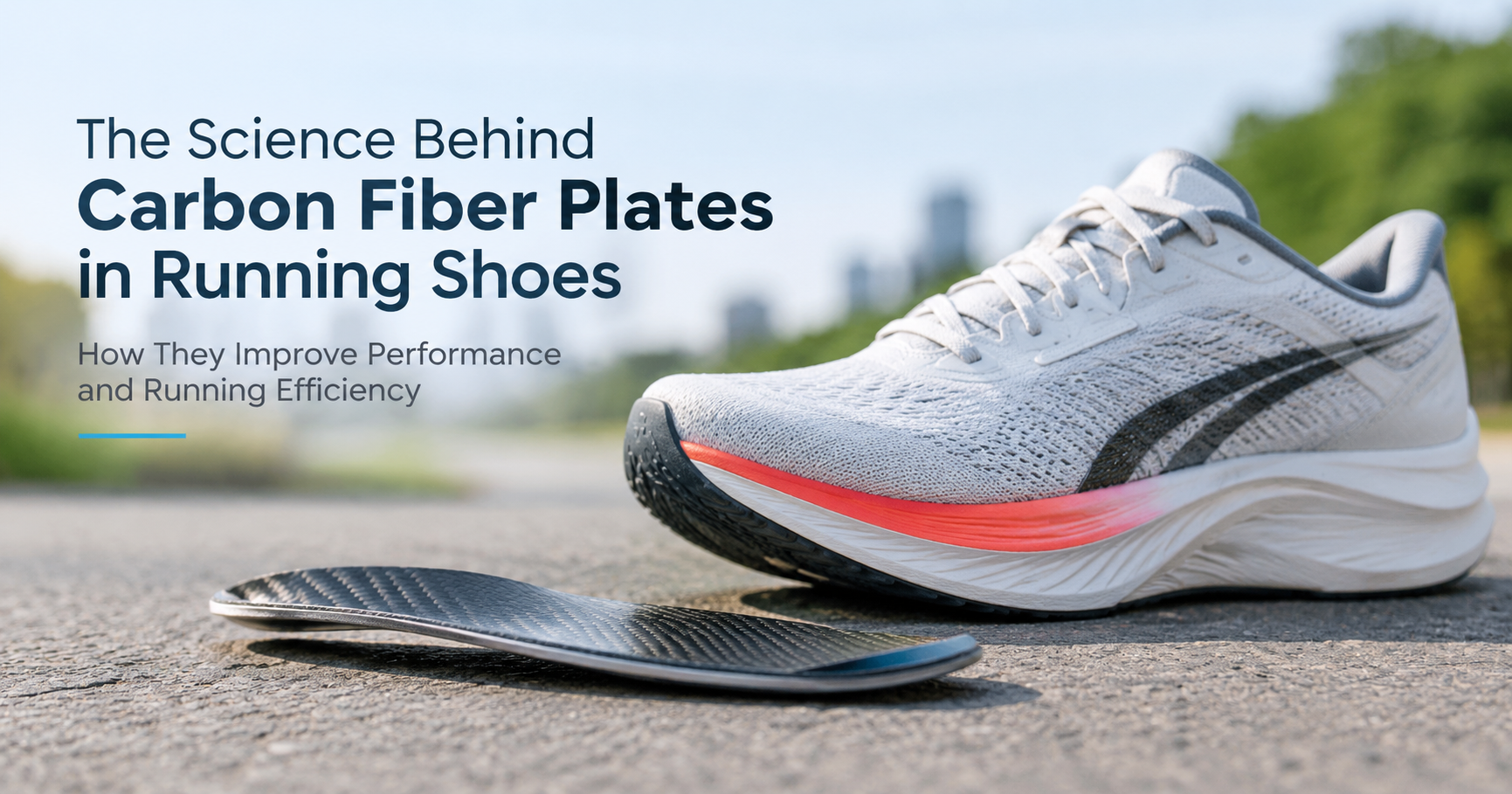
Shoes are your most powerful tool. Look for shoes with a well-cushioned midsole (EVA or similar foam), a firm and supportive heel counter, a roomy toe box and a smooth, flexible forefoot. Neutral cushioned shoes are generally a better match for high arches than rigid stability or motion-control designs, which are built for feet that roll inward too much. Shoes with some width and a stable base can also help reduce ankle rolling.

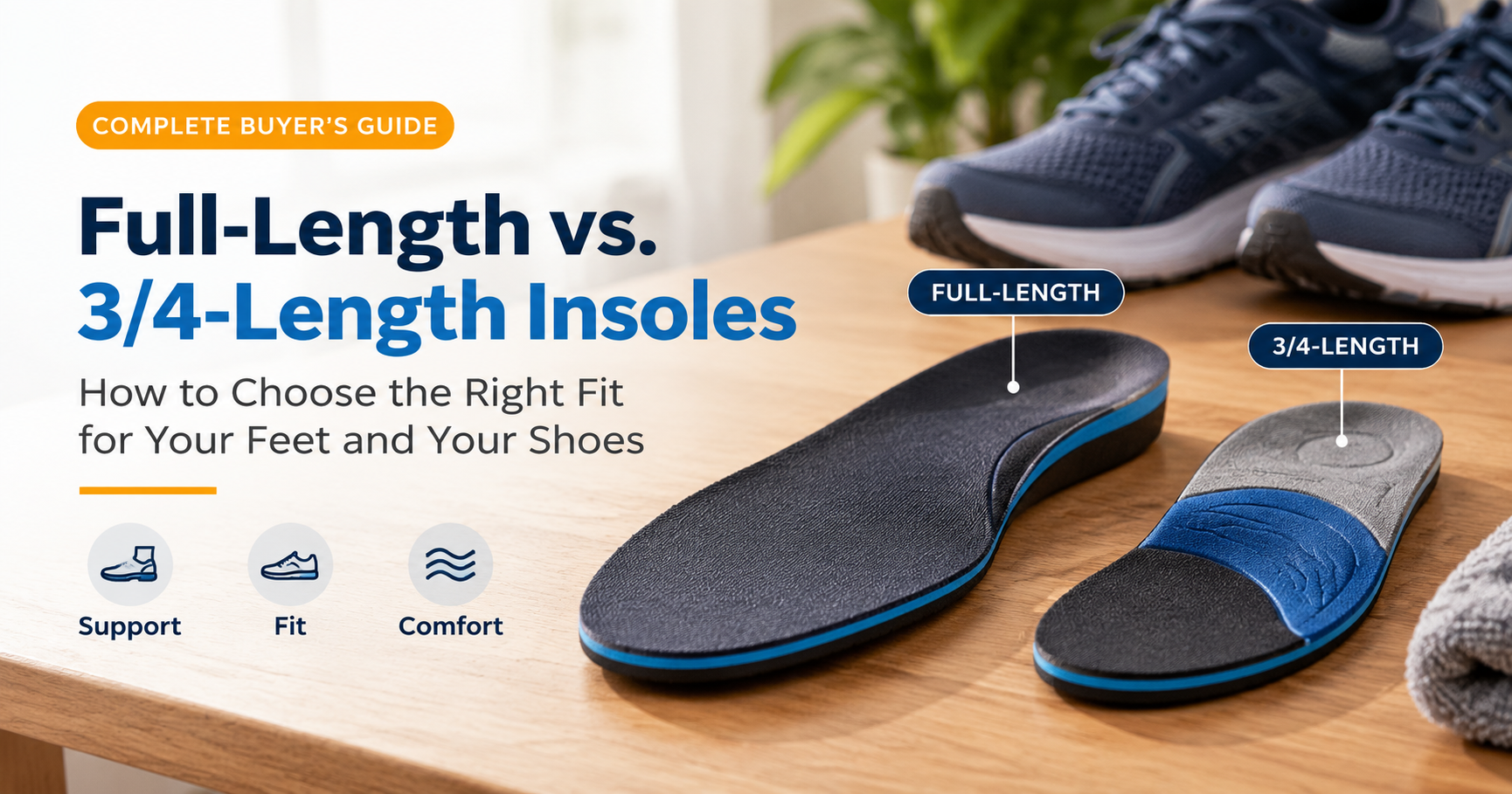
Add supportive insoles
Insoles that follow the shape of your arch are among the most effective upgrades. Instead of leaving a gap, they fill the space under the arch so your weight is shared across the whole foot. Look for:
- A contoured arch shape rather than a flat pad
- A deep heel cup to keep the fat pad centered
- Soft cushioning under the heel and forefoot for impact relief
- A semi-rigid base that supports without feeling harsh
Over-the-counter options help many people. If you have persistent pain, a custom orthotic made by a professional may offer a more precise fit.
Stretch and strengthen
Flexible, strong tissues handle impact better. A few simple habits can help:
| Exercise | Purpose | Suggested routine |
|---|---|---|
| Calf stretch | Reduces pull on the heel and plantar fascia | Hold 30 seconds, 2 to 3 times per leg, daily |
| Plantar fascia stretch | Improves flexibility of the tissue under the foot | Pull toes back gently, hold 20 to 30 seconds, repeat 3 times |
| Towel scrunches | Strengthens small muscles inside the foot | 10 to 15 repetitions per foot |
| Calf raises | Builds lower leg strength for impact control | 2 sets of 10 to 15, a few times a week |
| Single-leg balance | Improves ankle stability and reduces sprain risk | 30 to 60 seconds per leg, building up gradually |
Start gently and stop if anything causes sharp pain.
Pay attention to surfaces and activity
Hard, unforgiving surfaces such as concrete and tile return more force to the foot. If you stand or walk on them for long periods, anti-fatigue mats at work, cushioned footwear and regular breaks can reduce strain. For running, softer surfaces such as trails, tracks or well-maintained grass may be easier on high arches, and increasing mileage gradually gives tissues time to adapt.
Replace worn shoes on time
Midsole foam gradually loses its ability to absorb impact, often well before the upper looks worn. Runners are commonly advised to replace shoes after roughly 300 to 500 miles, and everyday shoes should be replaced when the cushioning feels flat, the sole is unevenly worn or the shoe leans to one side.
Consider your overall load
Extra body weight increases the force going through the feet with each step. Even modest weight changes can reduce impact, and low-impact exercise such as swimming or cycling can maintain fitness while giving the feet a break.
Quick Tips for High Arch Comfort
- Wear cushioned, supportive shoes every day, including at home if you have heel pain.
- Use arch-contoured insoles to spread pressure.
- Stretch calves and the foot daily.
- Build up activity slowly.
- Replace worn shoes before the cushioning is gone.
Choosing Footwear for Different Activities
| Activity | What to prioritize |
|---|---|
| Everyday walking | Cushioned midsole, supportive insole, flexible forefoot |
| Running | Neutral shoe with generous cushioning and a stable heel |
| Standing all day | Shock-absorbing insole, anti-fatigue mat, roomy toe box |
| Hiking | Ankle support, grippy sole, cushioning and a deep heel cup |
| Gym and cross-training | Stable base, moderate cushioning, good lateral support |
When to See a Professional
Home measures help many people, but some symptoms need professional attention. Consider seeing a podiatrist, orthopedic specialist or physical therapist if you experience:
- Pain that lasts more than a couple of weeks despite better shoes and insoles
- Frequent ankle sprains or a feeling that your ankle gives way
- Numbness, tingling or weakness in the feet or legs
- Arches that have visibly changed over time
- Foot deformities such as clawed toes, or sores and calluses that keep returning
- Pain in the knee, hip or back that seems linked to how you walk
A professional can assess your gait, rule out underlying causes and recommend options ranging from custom orthotics and bracing to physical therapy and, rarely, surgery.
Frequently Asked Questions
Do high arches absorb shock worse than flat feet?
Not necessarily worse in every way, but differently. High arches tend to be stiff, which limits natural cushioning and concentrates pressure at the heel and ball of the foot. Flat feet often move too freely and can strain the soft tissues. Each type has its own challenges, and both can be helped with the right shoes and support.
Can high arches be fixed?
The bony structure cannot be changed with shoes or exercises, but the symptoms can often be managed very well. Supportive footwear, insoles, stretching and strengthening address most everyday problems. Surgery is only considered in severe or progressive cases.
Are high arches a good thing for running?
Some runners with high arches do very well. However, they can be more prone to impact-related injuries if they use unsuitable shoes. Neutral cushioned shoes, gradual training increases and softer surfaces can help.
Should I wear arch support all day?
Many people with high arches feel better with supportive insoles during most daily activities. If you are new to insoles, break them in gradually over a week or two so your feet can adjust.
Why does the outside of my foot hurt?
High arches often cause weight to shift toward the outer edge of the foot. This can lead to soreness along the outside, calluses and an increased risk of ankle rolling. Cushioned, stable shoes and arch-contoured insoles usually help.
Can children have high arches?
Yes. If a child develops noticeably high arches, frequent tripping or foot pain, it is worth having them checked by a doctor, since some cases are linked to underlying nerve or muscle conditions.
Final Thoughts
High arch feet absorb shock differently from average feet. The arch is stiffer, less of the sole touches the ground, and the heel and ball of the foot take more of the load. That is why some people feel aches in the feet, ankles and even knees and back. The encouraging part is that this is manageable. The right footwear, supportive insoles, simple stretching and strengthening, and sensible habits can spread pressure, soften impact and keep you moving comfortably.
If pain persists or symptoms seem unusual, a professional assessment is the best next step. Your feet carry you through every day, and giving them the cushioning they do not naturally provide is one of the most worthwhile investments you can make.
This article is for general information only and is not a substitute for professional medical advice. Consult a qualified healthcare provider about your specific foot condition.