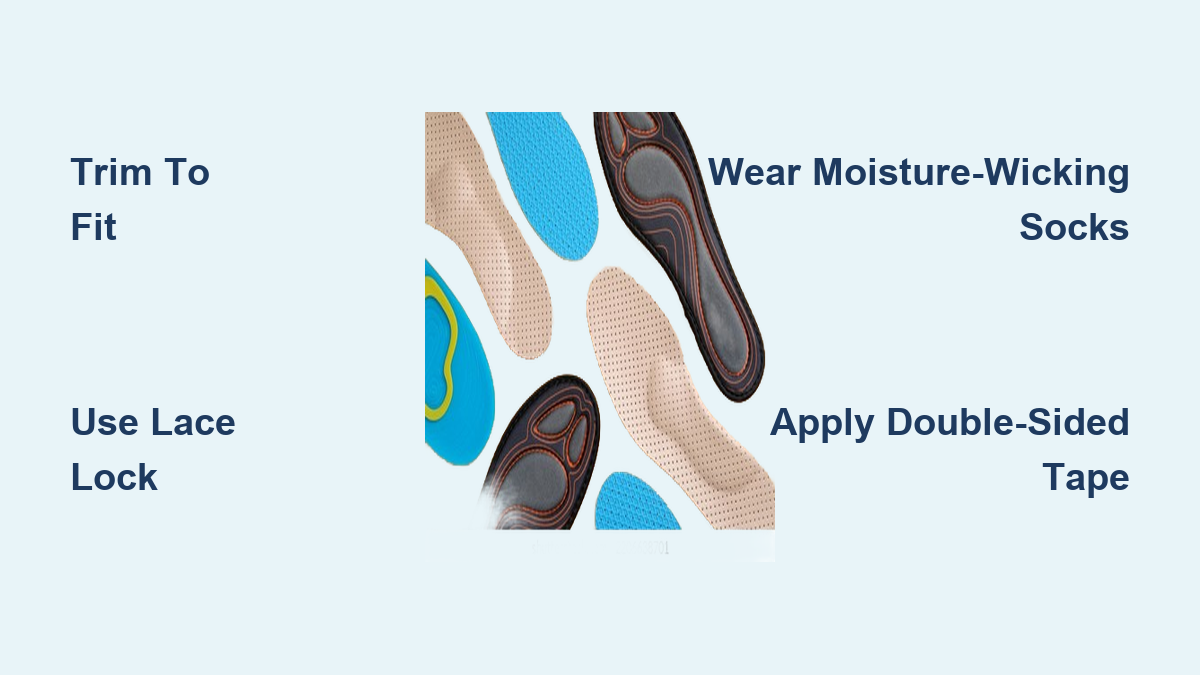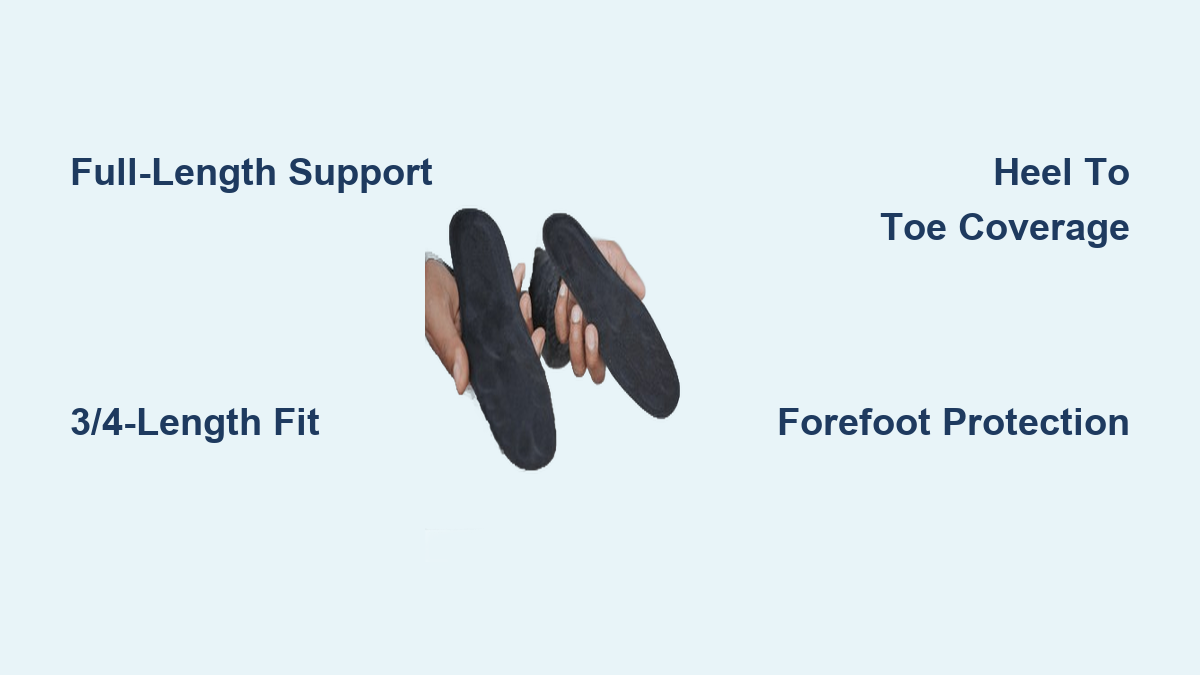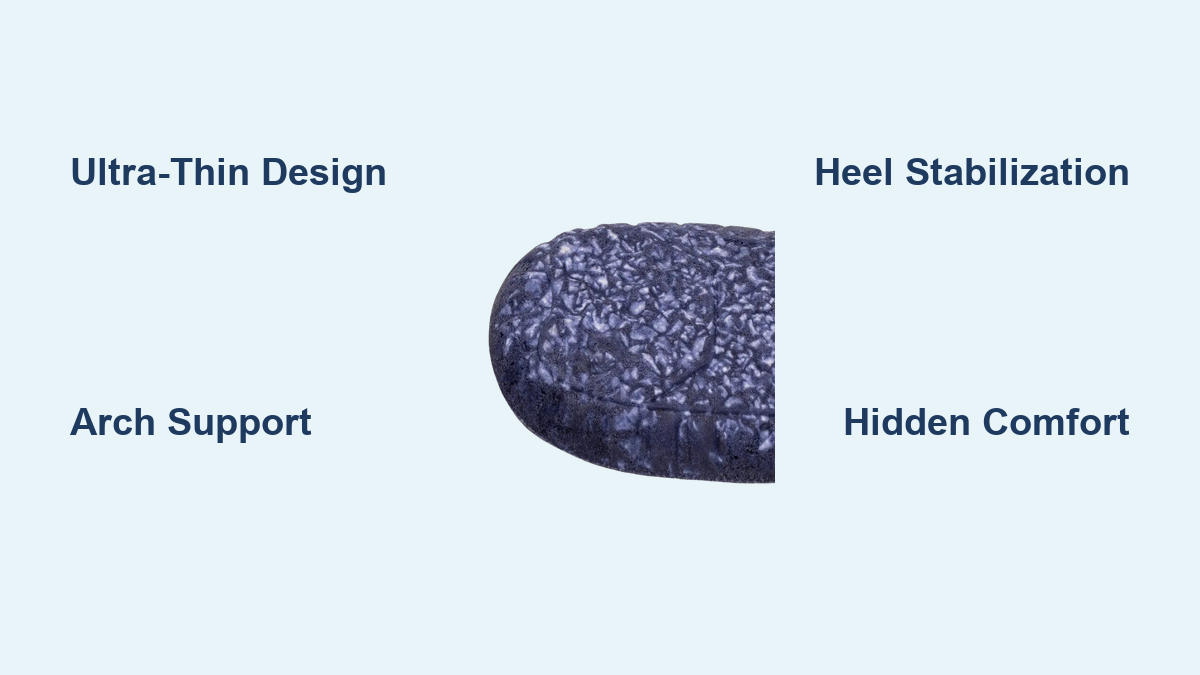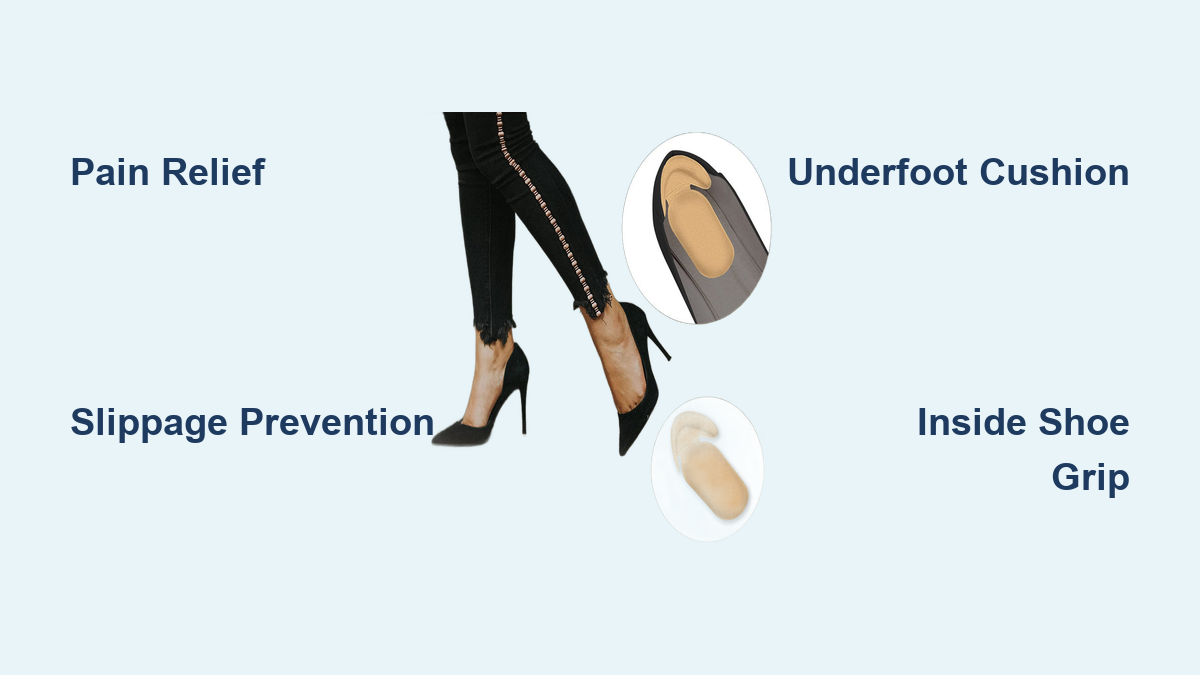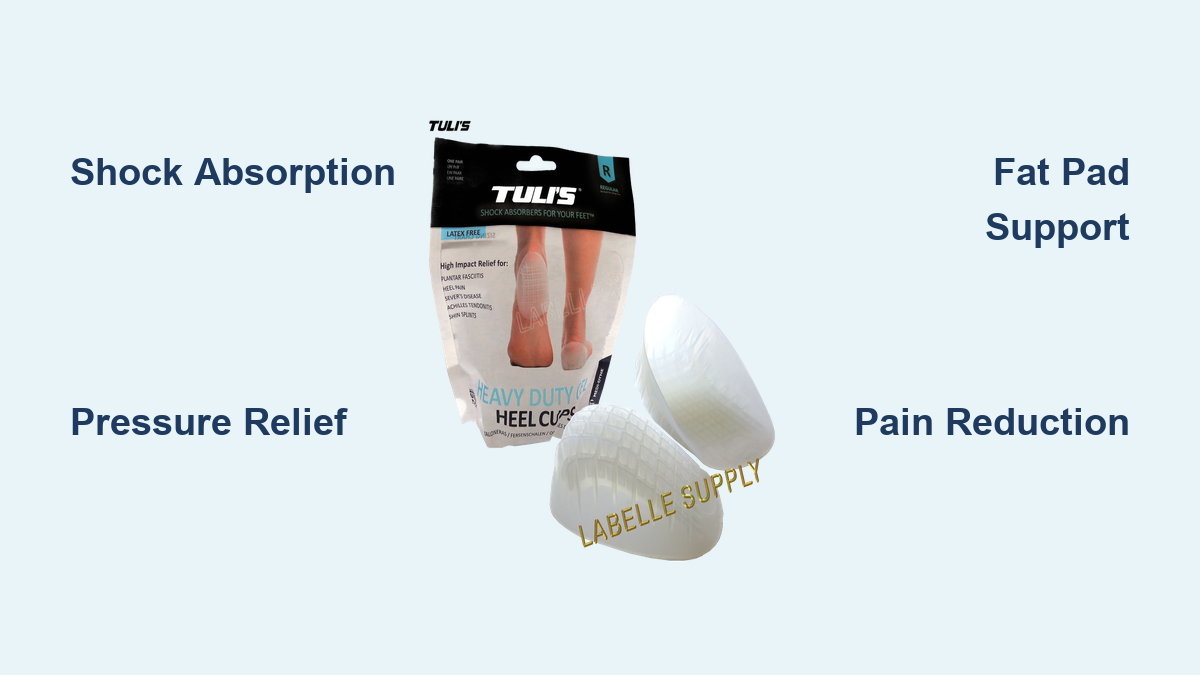
If your heels throb after a long day on your feet, you’re not alone. Millions of people—from runners and nurses to office workers and weekend hikers—experience heel pain due to repetitive impact, aging, or conditions like plantar fasciitis. One of the most effective, non-invasive solutions? Gel heel cups for shock absorption. These compact inserts are engineered to cushion the heel, reduce impact forces, and support natural foot mechanics. Backed by biomechanical research and real-world success, gel heel cups provide immediate comfort and long-term protection, especially during high-impact activities.
Unlike flat insoles or flimsy foam pads, gel heel cups use medical-grade viscoelastic materials to absorb shock, redistribute pressure, and stabilize the heel. Whether you’re training for a marathon, standing on concrete floors all day, or managing chronic heel pain, these inserts can make a dramatic difference. In this guide, you’ll learn exactly how gel heel cups reduce impact, which designs work best, and why they’re a go-to solution for plantar fasciitis, heel spurs, Sever’s disease, and more.
How Gel Heel Cups Absorb and Reduce Impact Forces

Viscoelastic Gel Slows Force Transmission
The key to effective shock absorption lies in the viscoelastic properties of the gel used in high-quality heel cups. This specialized material compresses under pressure, absorbing kinetic energy when your heel strikes the ground. Instead of allowing that force to travel directly into the calcaneus (heel bone), the gel slows down the rate of impact, reducing peak loading and preventing microtrauma.
Because viscoelastic gel slowly returns to its original shape after compression, it maintains consistent cushioning over time—unlike foam insoles that flatten quickly. This resilience makes gel heel cups ideal for daily use on hard surfaces like tile, concrete, or hardwood floors.
Dual-Density Layers Maximize Protection
Advanced models use dual-density construction to balance softness and support. A softer inner core conforms to your heel’s unique shape for targeted comfort, while a firmer outer rim adds structure and prevents collapse under pressure. This design ensures durability without sacrificing comfort.
Some brands, like Spenco, incorporate a honeycomb-patterned base for enhanced shock dampening. This textured design increases surface contact with the shoe, improving energy dissipation during heel strike. The result? A smoother, less jarring step—especially beneficial for athletes, laborers, or anyone on their feet for extended periods.
Lower Loading Rates Protect Joints Up the Chain
Reducing heel impact doesn’t just protect your feet—it benefits your entire lower body. High-impact forces travel up the kinetic chain, contributing to knee pain, shin splints, and even lower back strain. By attenuating force at the source, gel heel cups help minimize stress on joints above the foot.
Research shows that well-designed gel inserts decrease vertical loading rates during walking and running. This means your body transitions more smoothly from heel strike to toe-off, reducing the risk of overuse injuries. For active individuals, this can mean fewer aches, better endurance, and faster recovery.
Increase Heel Surface Area to Reduce Pressure

Full-Contact Design Spreads Plantar Load
One of the most important benefits of gel heel cups is their ability to increase the weight-bearing surface area of the heel. Without support, your heel bone bears concentrated pressure on a small zone—especially during the first steps in the morning or after prolonged sitting.
Gel cups conform precisely to the heel’s anatomy, spreading pressure over a broader area. This lowers peak plantar pressures, reducing strain on sensitive structures like the plantar fascia and the periosteum (the lining of the bone). Pressure mapping studies confirm that full-contact gel inserts significantly reduce peak heel pressure compared to flat or poorly designed pads.
Avoid Hollow “Donut” Pads That Worsen Pain
Not all heel inserts are created equal. Hollow-centered “donut” pads may seem like they relieve pressure, but they actually concentrate force around the edges, increasing localized stress. This can worsen pain over time, especially in cases of plantar fasciitis or fat pad atrophy.
In contrast, solid, anatomically shaped gel heel cups provide uniform support without pressure points. Their contoured design ensures the entire heel is cradled, minimizing irritation and tissue damage. Always choose a full-contact cup over a ring-style pad for true pressure redistribution.
Support and Contain the Natural Heel Fat Pad
Prevent Fat Pad Splaying During Standing
Your heel has a built-in shock absorber: the natural fat pad beneath the calcaneus. But with age, overuse, or high-impact activity, this fat pad can thin, shift, or lose elasticity, leading to heel fat pad syndrome—a common cause of deep, bruise-like heel pain.
Gel heel cups help by containing the fat pad with a raised rim that limits lateral spreading during standing and walking. This keeps the fat pad thick and functional, enhancing its natural ability to absorb impact. Think of it like a seat cushion that stays plump because it’s surrounded by a firm border.
Improve Fat Pad Elasticity and Thickness
Ultrasound studies show that wearing gel heel cups can increase measurable heel pad thickness and reduce stiffness during standing. This indicates improved shock-absorbing performance and better protection for the underlying bone.
For people with degenerative fat pad atrophy, this containment effect provides both immediate relief and long-term support. The gel cup acts like an external fat pad, compensating for lost volume and restoring cushioning where it’s needed most.
Relieve Pain from Plantar Fasciitis

Cushion the Medial Calcaneal Tubercle
Plantar fasciitis is the most common cause of chronic heel pain, often felt as sharp, stabbing pain near the bottom of the heel—especially with the first steps in the morning. The pain originates at the medial calcaneal tubercle, where the plantar fascia attaches to the heel bone.
Gel heel cups cradle this sensitive area, reducing direct pressure and mechanical stress during heel strike. The soft gel absorbs impact that would otherwise aggravate the inflamed fascia, helping break the cycle of microtears and pain.
Reduce Tensile Strain with a Slight Heel Lift
Many gel heel cups provide a subtle heel elevation (3–5 mm), which induces mild plantarflexion of the foot. This slight angle reduces tensile strain on the plantar fascia, especially during the critical early-morning steps when the tissue is tight and vulnerable.
Clinical studies support this benefit:
– A 2015 trial found 84% of patients reported improvement within 1–6 months.
– A 2016 study showed 81% experienced pain reduction with silicone heel pads.
While not a cure, consistent use during the 3–6 month healing period can significantly speed recovery and improve daily function.
Manage Heel Spur Discomfort Effectively
Cushioning Offloads Inflamed Tissue
Heel spurs are bony growths on the underside of the heel bone, often associated with long-term plantar fasciitis. While gel heel cups do not eliminate the spur, they provide symptomatic relief by cushioning the area and reducing pressure on the inflamed soft tissues.
The gel absorbs impact that would otherwise drive the spur into the ground, minimizing pain during walking or standing. Many users report noticeable comfort improvements, especially when combined with proper footwear and stretching.
Combine with Arch Support for Best Results
For maximum benefit, pair gel heel cups with arch-supporting insoles or custom orthotics. This combination addresses both rearfoot shock absorption and midfoot stability, offering comprehensive support for heel spur sufferers.
The heel cup handles impact, while the arch support reduces strain on the plantar fascia—creating a dual-defense strategy against pain and progression.
Reduce Strain on the Achilles Tendon
Lower Heel Impact During Gait
Achilles tendinopathy, especially insertional type (where the tendon attaches to the heel), is aggravated by repetitive impact and tension. Every heel strike sends shock waves through the tendon, worsening inflammation and delaying healing.
Gel heel cups absorb this shock, reducing force transmission through the Achilles. This is especially helpful for runners, jumpers, or anyone with tight calves or overuse injuries.
Slight Heel Lift Decreases Tendon Tension
The modest elevation provided by many gel cups reduces the stretch on the Achilles tendon during walking. This mimics the effect of a heel lift, a common treatment for insertional tendinopathy.
While most biomechanical research focuses on rigid heel lifts, the shock-absorbing quality of gel adds an extra layer of comfort. Users report less stiffness and pain, particularly in the morning or after activity.
Help Active Kids with Sever’s Disease

Cushion Growing Heels During Sports
Sever’s disease (calcaneal apophysitis) is a common cause of heel pain in active children aged 8–14. It occurs when the growth plate in the heel becomes inflamed due to repetitive stress from running and jumping.
Gel heel cups provide gentle cushioning that absorbs impact during sports, reducing stress on the developing heel. Their lightweight, low-profile design fits easily into cleats, sneakers, and school shoes without adding bulk.
Immediate Pain Relief for Young Athletes
Parents and pediatric patients report rapid pain reduction with gel heel cups. Many kids go from limping to full participation in sports within days of consistent use.
Brands like KidSole are designed specifically for children, offering non-slip grip and durable gel that withstands daily wear. The cups are reusable and easy to transfer between shoes, making them a practical solution for active families.
Ideal for General Heel Discomfort and Fatigue
All-Day Support for Standing and Walking
Even without a diagnosed condition, many people experience general heel soreness from long shifts, hard floors, or unsupportive shoes. Gel heel cups offer immediate comfort and endurance support, making them ideal for:
– Nurses and retail workers
– Teachers and hospitality staff
– Travelers and hikers
Users describe the sensation as “fat and squishy”—soft enough to cushion, firm enough to stabilize. Unlike older foam pads that flatten quickly, premium gel retains its shape and performance throughout the day.
Combat Fat Pad Atrophy in Aging Feet
As we age, the natural fat pad under the heel thins and loses resilience, leading to bruise-like pain and sensitivity to hard surfaces. Gel heel cups compensate for this loss, acting as an artificial fat pad that restores cushioning.
For older adults or those with degenerative changes, this means reduced pain, better balance, and increased mobility. The cups make walking on tile, concrete, or hardwood much more comfortable.
Stay Secure with Non-Slip Design Features
Tacky Surfaces Prevent Cup Movement
For optimal shock absorption, the heel cup must stay in place under your heel. Most models feature a naturally tacky gel surface that grips the shoe insole and resists slipping.
Some include adhesive backing for extra security, especially in smooth-lined boots or dress shoes. Users who experience slippage often find success by cleaning the insole and pressing the cup firmly into place.
Deep Cupping Enhances Stability
The contoured, deep-cup design keeps the insert aligned with the heel, preventing lateral shift. This ensures consistent cushioning and pressure distribution with every step.
While some users find the back cupping unnecessary for certain shoes, the trade-off is superior stability in athletic and work footwear. For maximum performance, choose a model with anatomical shaping and firm sidewalls.
Work in Almost Any Closed Shoe
Fit Sneakers, Boots, and Dress Shoes
One of the biggest advantages of gel heel cups is their universal compatibility. They fit seamlessly into:
– Running and walking shoes
– Work boots and steel-toe footwear
– Dress shoes and low heels
– Casual sneakers and cross-trainers
Their slim, low-profile design means they don’t alter shoe fit or require larger sizes. Most are reusable, allowing you to switch them between multiple pairs of shoes.
Not for Sandals or Open-Back Footwear
Because they rely on the shoe’s heel counter for containment, gel heel cups won’t stay in place in sandals, mules, or open-back shoes. For these styles, consider full insoles or sandals with built-in support instead.
Last Longer with Proper Care
Washable and Reusable for Months
Most gel heel cups are hand-washable with mild soap and water. Simply rinse, air dry, and reinsert. This helps prevent odor and maintains hygiene, especially for daily wear.
They are typically latex-free and antimicrobial, reducing bacterial buildup and keeping them fresh over time.
Replace Every 3–6 Months
Even high-quality gel degrades with use. Most manufacturers recommend replacing heel cups every 3 to 6 months, depending on activity level and wear patterns.
Signs it’s time to replace:
– Visible flattening or cracking
– Loss of cushioning
– Persistent odor despite cleaning
Some brands, like Vive and KidSole, offer 60-day guarantees or lifetime money-back promises, reflecting confidence in durability and performance.
Combine with Other Treatments for Best Results
Use with Stretching and Physical Therapy
Gel heel cups are not a cure-all. For lasting relief, they work best as part of a broader treatment plan that includes:
– Calf and plantar fascia stretches
– Physical therapy
– Activity modification
– Proper footwear
For example, combining heel cups with morning stretches can significantly reduce first-step pain in plantar fasciitis.
Pair with Orthotics for Full Support
While gel heel cups excel at rearfoot cushioning, they don’t correct arch collapse or overpronation. For comprehensive support, use them under custom orthotics or full-length insoles.
This layered approach gives you:
– Heel-specific shock absorption
– Arch stabilization
– Improved gait mechanics
Many users find this combination delivers the best pain relief and long-term foot health.
Gel heel cups are a proven, cost-effective solution for shock absorption and heel pain relief. By combining viscoelastic cushioning, pressure redistribution, and fat pad support, they address the root causes of impact-related discomfort. Whether you’re managing plantar fasciitis, heel spurs, or just tired feet, these inserts offer immediate comfort and long-term protection.
For best results, choose a high-quality, full-contact design, use it consistently, and pair it with stretching and proper footwear. With the right approach, gel heel cups can help you walk farther, stand longer, and live more comfortably—without pain.