If you’ve ever stood on hard floors for hours, gone for a long run, or struggled with foot pain that radiates from your heel to your calf, you’ve probably considered upgrading your footwear support. You may have heard terms like insole, arch support, or even arch sleeve—but what do they really mean? More importantly, how are they different, and which one do you actually need?
The truth is, “arch sleeve” isn’t a standard term in podiatry or footwear science. It doesn’t appear in medical literature or product specifications from major brands like Dr. Scholl’s, Superfeet, or Powerstep. But people use it—often when they’re searching for targeted arch support that’s more focused than a full insole. This confusion leads many to buy the wrong product, only to find temporary comfort instead of lasting relief.
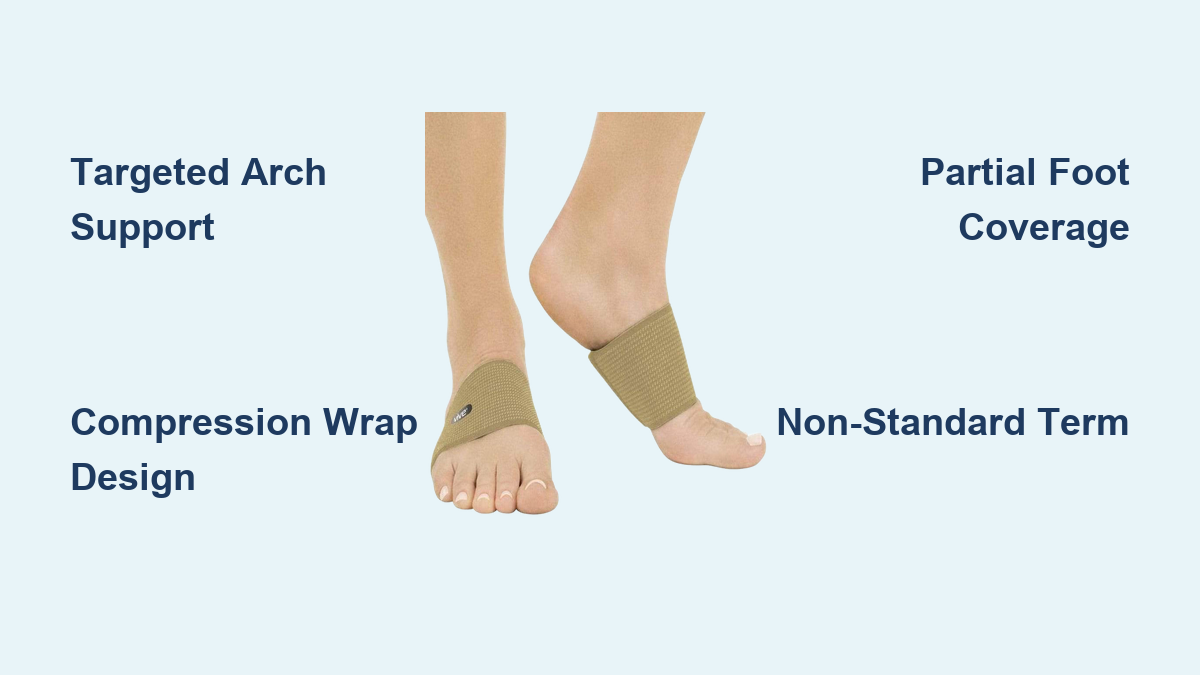
So let’s clear the air: an insole is a full-foot insert designed to enhance cushioning, control odor, or improve fit. An arch sleeve, if it exists at all, likely refers to a sock-like compression wrap or a partial arch insert that targets just the arch area. The real difference lies in coverage, function, and biomechanical impact.
Understanding this matters—especially if you’re dealing with plantar fasciitis, flat feet, overpronation, or chronic foot fatigue. Choosing between a soft foam insole and a structured arch support can mean the difference between short-term relief and long-term correction. This guide breaks down everything you need to know about insoles, arch supports, and what “arch sleeve” really means in real-world use.
Insole Basics: Full-Foot Support Platform
An insole is the removable layer inside your shoe that sits directly under your foot. Think of it as your shoe’s built-in comfort system. Whether it came with your sneakers or you added it later, every insole serves as the primary contact point between your foot and the shoe’s sole.
What Insoles Do
Insoles are designed for general comfort and function, not medical correction. Their main roles include:
– Providing cushioning on hard surfaces
– Absorbing shock during walking or running
– Managing moisture and odor (e.g., antimicrobial linings)
– Improving fit in loose shoes
– Adding warmth in cold conditions
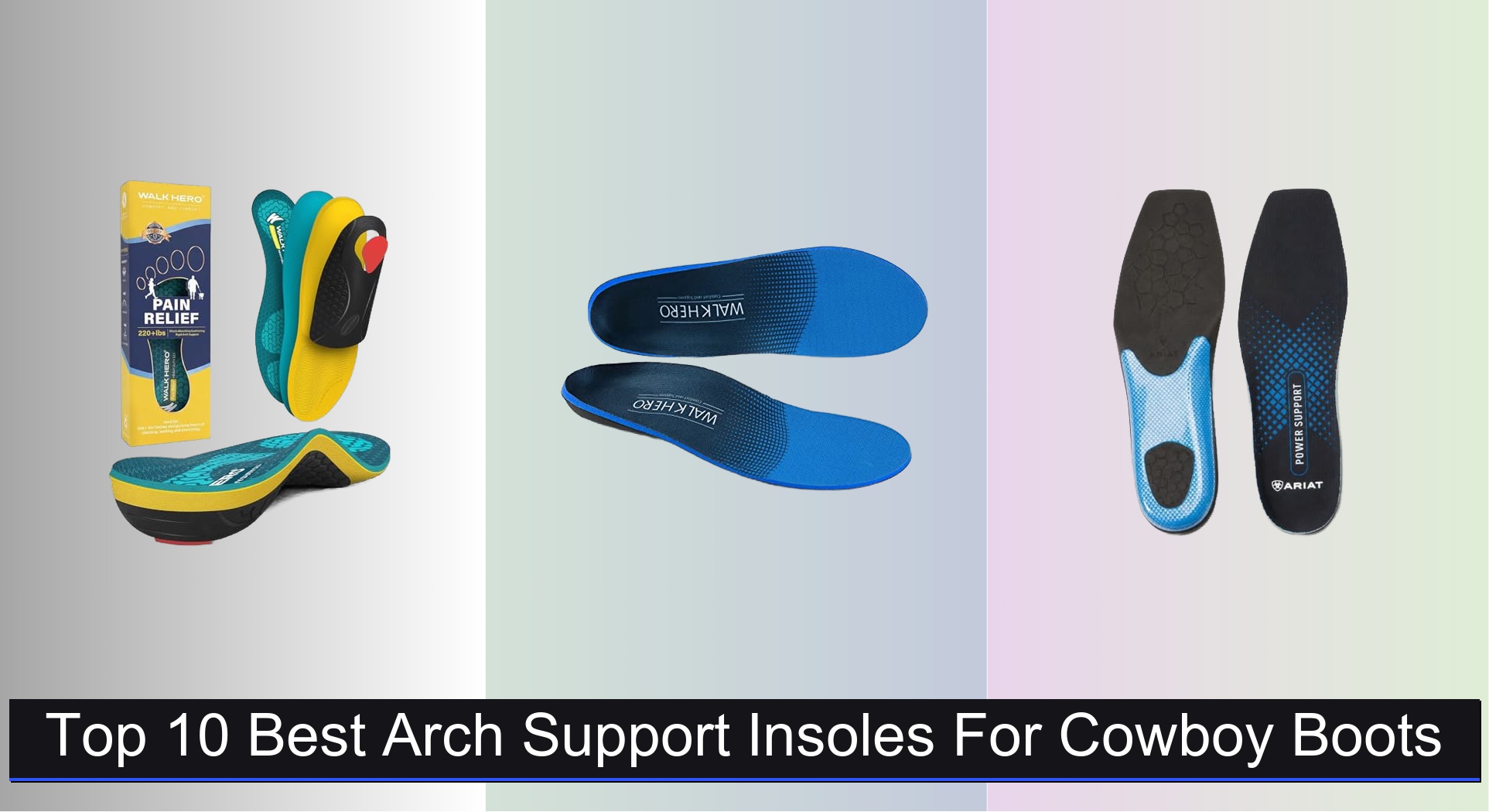
There are several types of insoles available:
– Comfort insoles (like Dr. Scholl’s foam inserts) – soft, squishy, ideal for light use
– Performance insoles – built for runners, hikers, or workers on their feet all day
– Trim-to-fit models – customizable for different shoe sizes
– Custom insoles – made from 3D scans or pressure mapping, often prescribed by podiatrists
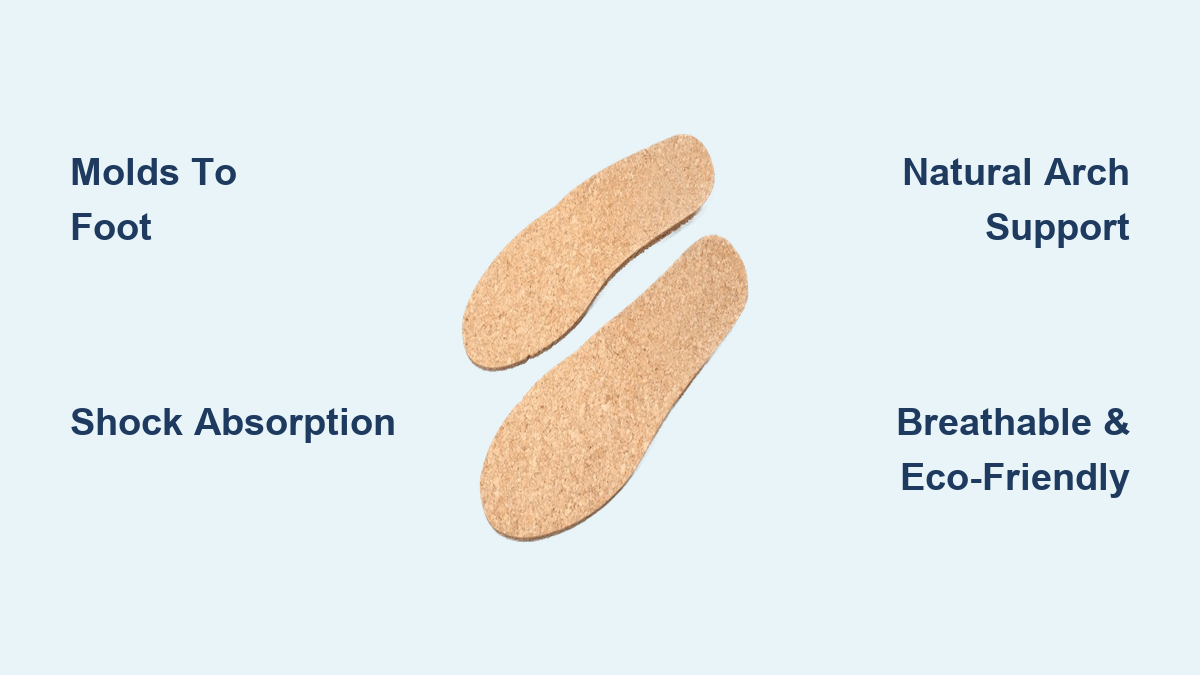
Most off-the-shelf insoles are made from memory foam, gel, or cork, giving them a plush feel. But here’s the catch: soft doesn’t mean supportive. Many of these insoles collapse under pressure, offering immediate comfort but little long-term benefit for foot alignment.
“Insole is a generic term for the part of the shoe that lies under the sole of the foot.”
When You Need an Insole
You might benefit from a basic insole if:
– Your shoes feel flat or worn out
– You want extra cushioning for standing or walking
– You’re dealing with mild foot fatigue
– You need odor control or moisture-wicking fabric
However, most comfort insoles lack structural arch support. They may feel good at first, but they won’t correct overpronation, reduce strain on the plantar fascia, or help if you have flat feet.
Arch Support: Targeted Biomechanical Correction

While “arch sleeve” isn’t a recognized term, the concept most closely matches arch support—a structural feature designed to lift and stabilize the medial longitudinal arch, the curved part along the inside of your foot.
How Arch Support Works
Arch supports use a firm, contoured shape that mirrors your foot’s natural arch. This does more than just feel supportive—it actively changes how your foot moves:
– Prevents overpronation (when your foot rolls too far inward)
– Reduces tension on the plantar fascia, the band of tissue connecting your heel to your toes
– Improves alignment from your foot up through your knees, hips, and lower back
– Helps people with flat feet or high arches maintain balance and reduce strain
Unlike soft insoles, arch supports are often semi-rigid or rigid, made from materials like EVA foam, plastic, or carbon fiber. They’re not meant to feel “squishy”—they’re built to hold your foot in proper alignment.
“Arch support refers specifically to the structural element that helps maintain the natural arch of the foot.”
Types of Arch Supports
- Integrated arch support: Built into full-length insoles (e.g., Powerstep, Superfeet)
- Add-on arch pads: Small, dome-shaped inserts placed under the arch
- Semi-rigid orthotics: Combine cushioning with firm support for motion control
- Compression sleeves or wraps: Elastic bands or sock-like devices that stabilize the arch through tension
These are corrective, not just comfortable. That’s why they’re recommended for people with diagnosed conditions like plantar fasciitis, fallen arches, or chronic heel pain.
Key Differences: Arch Support vs Insole

| Feature | Insole | Arch Support |
|---|---|---|
| Coverage | Full foot (heel to toe) | Focused on arch area only |
| Primary Function | Cushioning, warmth, odor control | Correct foot alignment, reduce overpronation |
| Design | Often flat or softly cushioned | Raised, contoured, semi-rigid |
| Best For | General comfort, light activity | Foot pain, flat feet, plantar fasciitis |
| Placement | Inside the shoe, underfoot | Can be part of insole or worn separately |
| Material | Foam, gel, fabric | EVA foam, plastic, carbon fiber, neoprene |
| Durability | 3–6 months (soft types) | 6–12+ months (rigid types) |
“While all arch supports can be considered insoles, not all insoles are arch supports.”
This is the core idea: an arch support is a type of insole, but only if it includes the right structural design. Most comfort insoles don’t.
Is an “Arch Sleeve” a Real Thing?
The term “arch sleeve” doesn’t appear in any medical or footwear literature. It’s not used by podiatrists, orthopedic suppliers, or major brands. But based on how people use it, it likely refers to one of three real products:
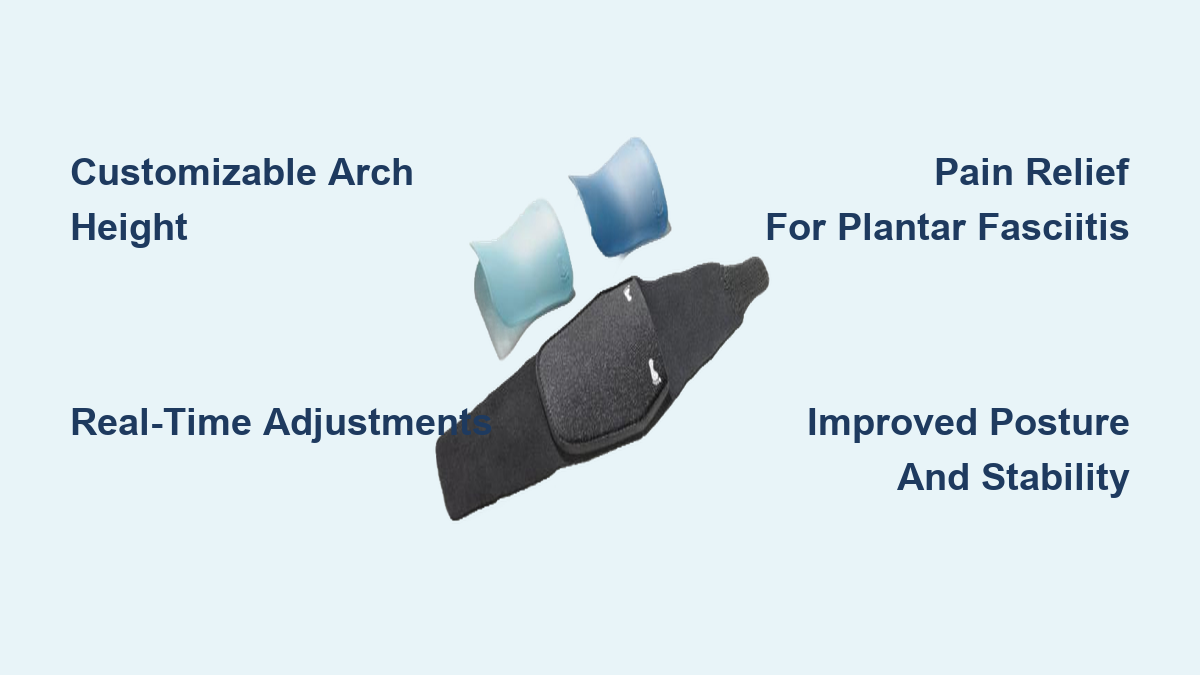
1. Arch Wrap or Compression Sleeve
- Sock-like design made of neoprene or stretch fabric
- Worn directly on the foot, under your sock
- Provides compression and mild stabilization
- Used during sports or recovery from injury
- Common for plantar fasciitis or arch strain
These are foot-worn, not shoe-based, so they function differently than insoles. They don’t replace your insole—they complement it.
2. Partial Arch Insert
- Small, dome-shaped pad that fits under the arch
- Placed over or under your existing insole
- Targets pressure points without replacing the whole insert
- Often called “arch cushions” or “arch boosters”
These are true shoe inserts, but only cover a small area. They’re ideal if your current insole is comfortable, but you need more arch lift.
3. Misused Term for Arch-Supporting Insoles
Most of the time, when someone says “arch sleeve,” they actually mean a supportive insole with strong arch contouring. This confusion comes from marketing language or casual conversation.
“99% of the time the support comes from an insert—built-in support would be painful for people with low arches.” — UnbelievableRose
So while “arch sleeve” isn’t technically correct, it often points to the real need: focused arch correction—something most standard insoles don’t provide.
Orthotics vs Insoles: Where Arch Support Fits In

To clarify the bigger picture, here’s how these products relate:
Shoe Inserts (Broadest Category)

├── Insoles (Full-foot inserts)

│   ├── Generic Insoles (comfort, cushioning)

│   └── Insoles with Arch Support

│       └── Orthotics (Medical-grade, corrective)

│           ├── Custom Orthotics (prescription, 3D scanned)

│           └── Over-the-Counter Orthotics (targeted support)

└── Partial Inserts (target specific areas)

    ├── Heel Cups

    ├── Metatarsal Pads

    └── Arch Supports (standalone or integrated)
“Both orthotics and insoles are a type of shoe insert.”
Orthotics are the medical-grade version of insoles. They’re designed to correct biomechanical issues, not just add comfort. Many include custom-molded arch support as a key feature.
Custom orthotics go even further—they’re made from 3D foot scans or pressure maps, often using over 2,000 sensors to capture how your foot lands and rolls. They account for differences between your left and right foot (because no two feet are mirror images) and can include asymmetrical support for leg length discrepancies or severe overpronation.
“Our bodies are not mirrored, and no two feet are the same.” — Mark Zajac, Foot Solutions
Where Does Arch Support Come From: Shoe or Insert?
A key insight from real-world users is that arch support comes from the insert, not the shoe.
Even in high-end running shoes like Hoka, Brooks, or New Balance, the factory insole is often too soft and flat to provide real support. The shoe’s midsole may offer great cushioning, but the insole is what shapes your foot’s position.
“The arch comes from the insert and the support cushion from impact comes from the shoe.” — prophnot
This means:
– You can have an excellent shoe but still need a better insole
– A cheap shoe with a great insert can feel better than an expensive one with a poor insole
– For long-term foot health, invest in a semi-rigid, anatomically contoured insert
“Buy something semi-rigid underneath and plan to spend at least $50 on it… most of the stuff on the market is too squishy.” — UnbelievableRose
Recommendations Based on Your Needs
| User Profile | Best Solution | Why It Works |
|---|---|---|
| General Comfort / Mild Fatigue | Foam or gel insole | Adds cushioning without overcomplicating |
| Flat Feet / Overpronation | Insole with firm arch support (e.g., Superfeet) | Prevents inward roll, stabilizes foot |
| Plantar Fasciitis / Heel Pain | Orthotic with deep heel cup + arch lift | Reduces strain on plantar fascia |
| Runners / Athletes | Custom orthotics or performance insoles | Enhances gait efficiency, prevents injury |
| Leg Length Discrepancy | Custom orthotic with asymmetrical build | Corrects imbalance at the source |
| Budget-Conscious Users | Semi-rigid OTC orthotic ($50+) | Better long-term value than soft inserts |
Final Takeaway: Choose Support, Not Just Comfort
While “arch sleeve” isn’t a real product category, the term reflects a growing awareness: people want targeted, effective support, not just soft padding. Whether you call it an arch sleeve, arch insert, or supportive insole, what you’re really looking for is biomechanical correction.
The bottom line?
– Insoles = general comfort, full-foot coverage
– Arch support = structural correction, focused on the arch
– Orthotics = medical-grade, personalized correction
If you have foot pain, overpronation, or plantar fasciitis, don’t settle for a squishy insole. Look for semi-rigid, anatomically shaped arch support—either off-the-shelf or custom. Your feet, knees, and back will thank you.