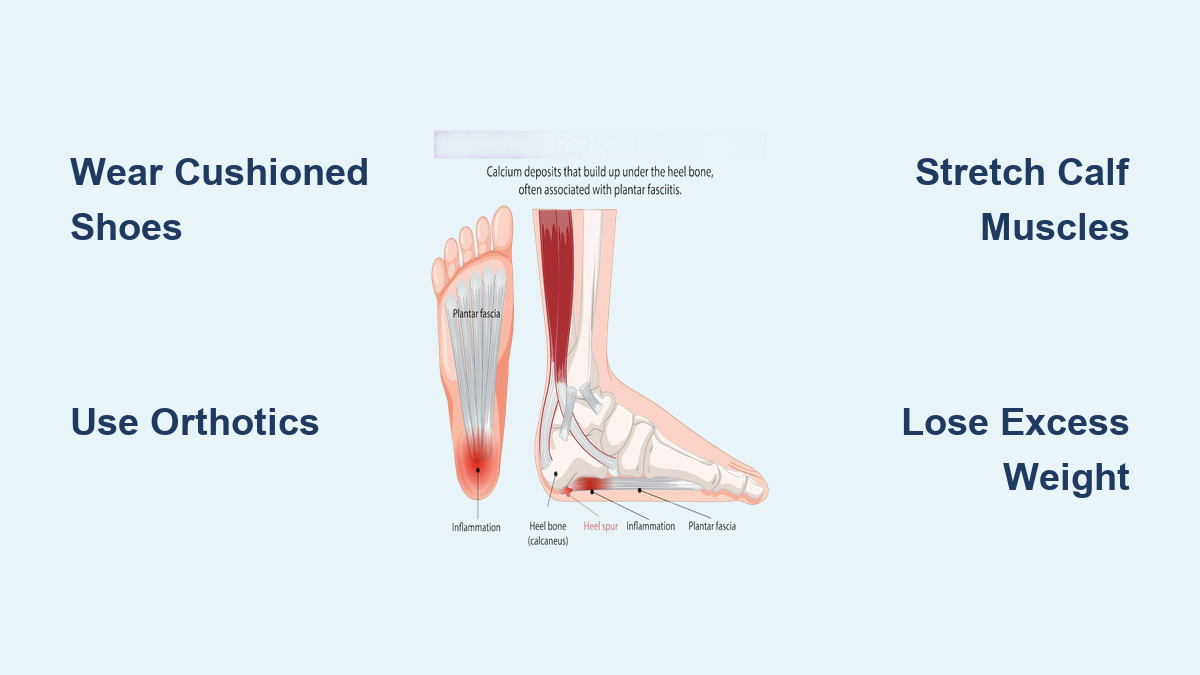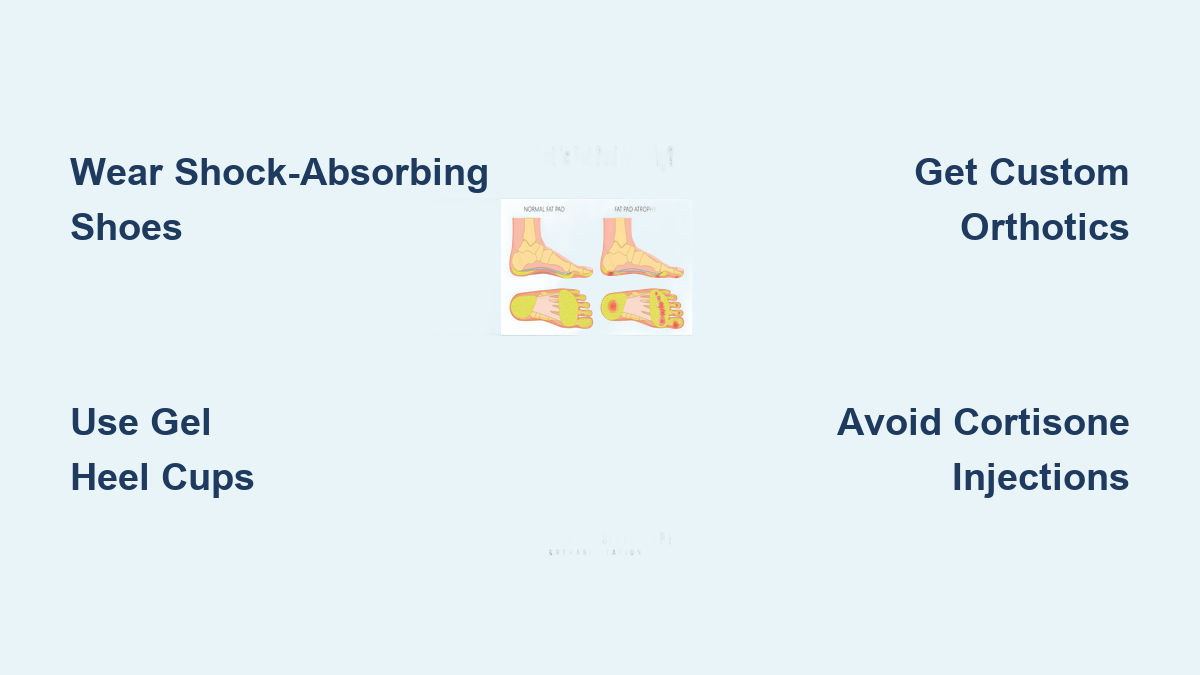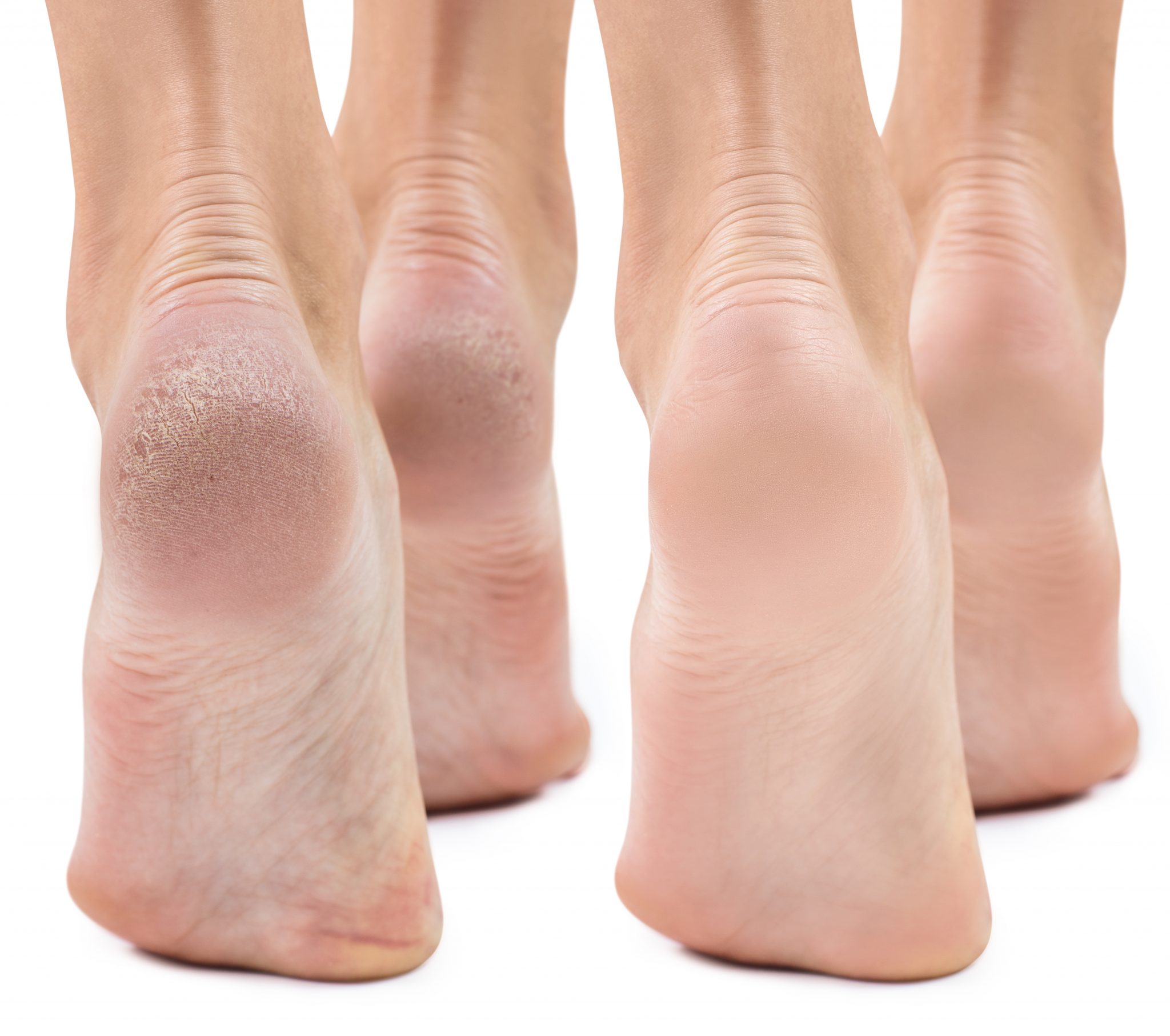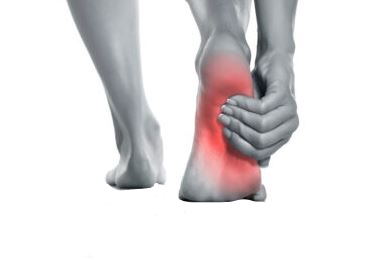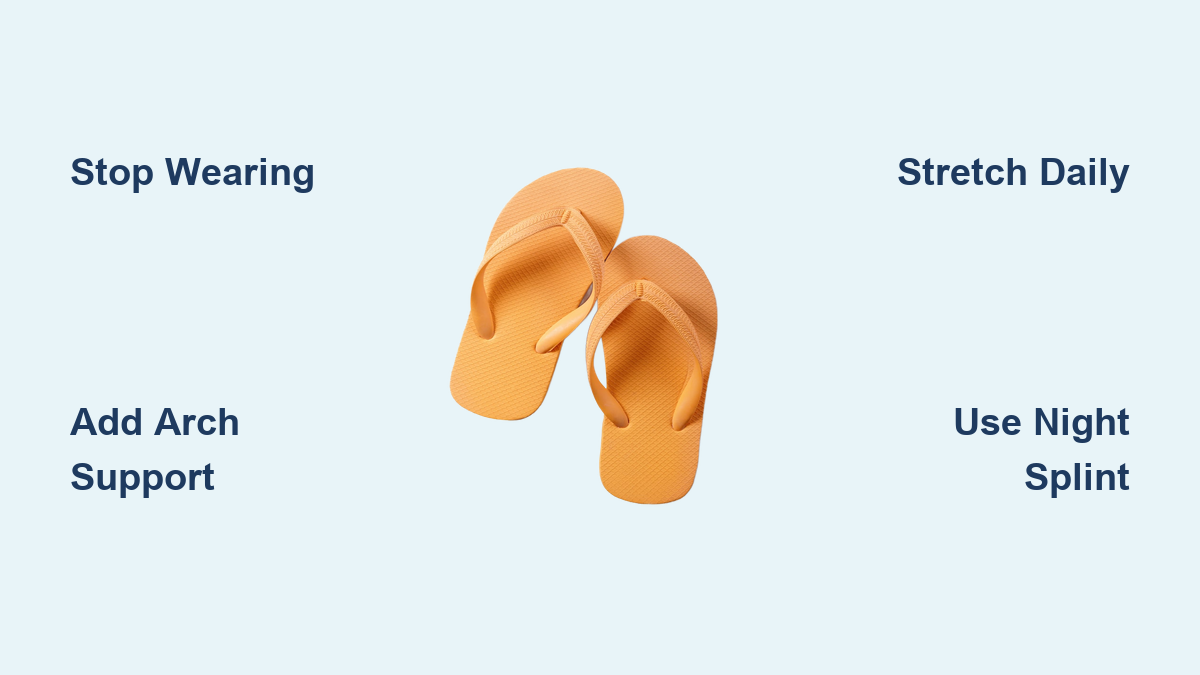
If you’ve ever slipped on a pair of flip-flops for a quick errand or beach walk only to wake up with sharp, stabbing heel pain the next morning, you’re not alone. Heel pain caused by flip flops is one of the most common foot complaints during warmer months—and it’s often entirely preventable. These lightweight sandals lack arch support, cushioning, and stability, forcing your feet to work harder with every step. Over time, this leads to inflammation, strained ligaments, and conditions like plantar fasciitis. The good news? Most cases improve quickly once you stop wearing flip-flops and take targeted action. This guide shows you exactly how to relieve pain, choose better footwear, and protect your feet long-term—so you can stay active without limping.
Stop Wearing Flip-Flops Immediately
The single most effective step to fix flip-flop-related heel pain is to stop wearing them. Continuing to wear unsupportive footwear prolongs healing and worsens inflammation.
Replace with Supportive Shoes Right Away
Switch immediately to shoes that provide:
– Arch support to prevent overstretching of the plantar fascia
– Cushioned midsoles to absorb shock
– Heel stability to reduce strain
– Secure fit to eliminate toe-gripping
Even indoors, avoid walking barefoot or in flimsy slippers. Instead, wear supportive house shoes or slippers with built-in arch support to reduce strain while your foot heals.
Recognize How Flip-Flops Cause Damage
Flip-flops harm your feet through three key flaws:
1. No shock absorption – Thin soles transfer full impact from hard surfaces directly into your heel bone.
2. Zero arch support – Leads to chronic overstretching of the plantar fascia, triggering inflammation.
3. Unstable fit – Forces your toes to grip the sandal, altering your gait and increasing muscle fatigue.
By ditching flip-flops now, you stop ongoing microtrauma and allow natural healing to begin.
Relieve Pain Fast with Proven Home Treatments

Once you’ve removed the source of the problem, begin these at-home therapies to reduce inflammation and speed recovery.
Ice Your Heel Daily
Apply ice to the painful area for 15–20 minutes, especially after walking or standing.
- Use a frozen water bottle and roll it under your foot for 5–10 minutes.
- This cools inflamed tissue while gently stretching the plantar fascia.
- Do this once or twice daily, particularly in the evening when pain flares.
Pro Tip: Ice immediately after activity—don’t wait until pain worsens.
Stretch Your Calves and Plantar Fascia
Tight calf muscles pull on the heel, increasing tension in the plantar fascia. Stretch daily to relieve pressure.
Calf Stretch (Gastrocnemius)
- Stand facing a wall, hands at shoulder height.
- Step one leg back, keeping the heel down and knee straight.
- Lean forward until you feel a stretch in the upper calf.
- Hold 30 seconds, repeat 3 times per leg, 2–3 times daily.
Soleus Stretch (Deep Calf)
- Same position, but bend the back knee slightly.
- Keep the heel on the ground.
- Targets deeper calf muscles linked to the Achilles tendon.
Plantar Fascia Stretch
- Sit and cross one foot over the opposite knee.
- Pull your toes upward toward your shin until you feel a stretch along the arch.
- Hold 30 seconds, repeat 3 times.
Expert Tip: Perform this stretch before getting out of bed to prevent the classic “first-step” pain.
Use Arch Supports and Night Splints

Over-the-counter supports can dramatically reduce pain—especially when used consistently.
Add Arch Supports to Daily Shoes
Insert OTC arch supports into your everyday footwear. Look for:
– Firm medial arch contour
– Heel cup for stability
– Shock-absorbing material
These help redistribute pressure away from the inflamed plantar fascia and correct flat-footed collapse.
Wear Heel Cups or Cushions
Silicone or gel heel cups:
– Absorb impact
– Reduce pressure on the heel bone
– Minimize bruising on hard surfaces
Wear them in sneakers, work shoes, or supportive sandals.
Try a Night Splint for Morning Pain
Many suffer worst pain upon waking because the plantar fascia tightens overnight. A night splint keeps your foot flexed, maintaining a gentle stretch.
- Worn while sleeping
- Prevents painful tightening
- Reduces morning limping in 1–2 weeks
Though awkward at first, it’s one of the fastest ways to break the pain cycle.
Choose Foot-Friendly Sandals Instead

You don’t have to give up sandals—just choose styles designed for comfort and support.
Look for These 7 Features
| Feature | Why It Matters |
|---|---|
| Arch Support | Prevents overstretching of the plantar fascia |
| Cushioned Heel | Absorbs shock and protects the calcaneus |
| Firm Heel Counter | Stabilizes the rearfoot and reduces wobble |
| Shock-Absorbing Sole | Minimizes ground impact |
| Adjustable Straps | Holds foot securely without toe-gripping |
| Sole Flexes Only at Ball of Foot | Matches natural foot motion |
| Leather or Molded Footbed | Reduces friction and prevents blisters |
Avoid flat, rubbery flip-flops. Your summer footwear should support—not sabotage—your feet.
Top Podiatrist-Approved Sandal Brands

Vionic Wave Sandals
- Biomechanically engineered arch support
- Contoured footbed aligns the foot naturally
- Flexible sole bends only where the foot does
Chaco Z-Strap Sandals
- Adjustable straps lock foot in place
- Excellent arch support (ideal for flat feet)
- Durable outsole for walking on pavement
Teva Original Universal
- Padded heel for cushioning
- Secure ankle strap prevents slipping
- Good traction on wet and dry surfaces
Naot Kayla or Eve Sandals
- Ergonomic cork-latex footbed molds to your foot
- Built-in arch and metatarsal support
- Stylish yet medical-grade comfort
Expert Note: “Flip flop-like sandals will be the best choice so you don’t twist an ankle.” — Seattle Podiatrist
Strengthen Your Feet and Legs
Weak foot muscles contribute to poor support and instability. Daily exercises restore strength and prevent future flare-ups.
Try These 3 Daily Exercises
Towel Curls
- Place a small towel on the floor.
- Use only your toes to scrunch it toward you.
- Do 3 sets of 15 reps daily.
- Builds strength in intrinsic foot muscles.
Heel Raises
- Stand on a step or flat surface.
- Slowly rise onto your toes, then lower back down.
- Do 3 sets of 10–15 reps.
- Strengthens calves and supports the Achilles tendon.
Toe Spreads
- Sit barefoot and spread your toes as wide as possible.
- Hold for 5 seconds, then relax.
- Repeat 10 times.
- Improves foot coordination and reduces cramping.
Bonus: Walk barefoot on sand or grass to naturally engage foot muscles—just avoid hard surfaces.
Know When to See a Podiatrist
Most heel pain improves within 2–6 weeks with proper care. But if symptoms persist, professional help is essential.
Signs You Need Medical Attention
See a podiatrist if:
– Pain lasts more than 3 weeks despite home care
– You limp or change your walking pattern
– Morning pain takes more than 5 minutes to ease
– Swelling, redness, or numbness appears
– Pain radiates up the leg
Ignoring persistent heel pain can lead to chronic plantar fasciitis or heel spurs.
What to Expect at the Appointment
Your podiatrist will:
– Review your footwear habits and activity level
– Examine your gait and foot alignment
– Press on tender areas to locate the source
– Rule out conditions like:
– Achilles tendonitis
– Heel bursitis
– Stress fractures
– Nerve compression
Imaging (X-ray or ultrasound) may be used to check for structural damage.
Explore Professional Treatment Options
If conservative methods fail, your podiatrist can offer advanced therapies.
Common Non-Surgical Treatments
Custom Orthotics
- Prescription insoles molded to your foot
- Provide precise arch support and alignment
- Ideal for flat feet or high arches
- Last 2–5 years with regular use
Physical Therapy
- Includes stretching, strengthening, and gait training
- May involve manual therapy or ultrasound
- Retrains walking mechanics damaged by flip-flop use
Low-Dye Taping
- Athletic tape applied to support the arch
- Reduces strain on the plantar fascia
- Provides immediate relief during healing
Extracorporeal Shockwave Therapy (ESWT)
- Non-invasive sound waves stimulate healing
- Used after 3–6 months of failed treatment
Corticosteroid Injections
- Powerful anti-inflammatory shot into the heel
- Provides short-term relief
- Used sparingly due to risk of tissue damage
Warning: Injections don’t fix the root cause—only footwear and mechanics do.
Surgery (Rarely Needed)
Surgical release of the plantar fascia is considered only after 6–12 months of failed conservative care.
- Minimally invasive options available
- Recovery takes several weeks
- Most patients improve without surgery
Prevent Future Heel Pain for Good
Heel pain caused by flip flops is highly preventable with smart lifestyle changes.
Reserve Flip-Flops for Short-Term Use
Think of them as pool or shower shoes, not daily wear.
Safe uses include:
– Beach walks (soft sand is forgiving)
– Locker rooms
– Pool decks
– Quick bathroom trips
Avoid wearing them for:
– Shopping
– Walking tours
– Standing jobs
– Hiking or exercise
Podiatrist Quote: “Ideal for pool and beach, flip flops were never intended to be worn everywhere and anywhere all day long.”
Carry Backup Footwear
Plan ahead to avoid being stuck in flip-flops during long days out.
Always Have a Spare Pair
Keep supportive shoes or sandals in:
– Your car
– Office desk
– Gym bag
– Travel suitcase
Switch into them after 30–60 minutes of walking—not when pain starts, but before.
Pro Tip: “Bring an extra pair of sandals or tennis shoes with you… switch out of your flip flops when activities ramp up.” — Article 2
Support At-Risk Groups
Some people are more vulnerable to flip-flop damage.
Who’s Most at Risk?
- Teens and young adults (15–25): Increasingly affected due to fashion-driven daily use
- Flat-footed individuals: Already prone to overpronation
- Overweight or obese: Extra weight increases heel pressure
- People who stand all day: Retail workers, teachers, nurses
Educate teens early: supportive sandals aren’t just for older adults—they’re for healthy feet at any age.
Maintain Long-Term Foot Health
Prevention doesn’t end with new shoes. Build habits that protect your feet year-round.
Keep a Healthy Weight
Every pound adds 3–4 times the force on your heels during walking. Losing weight reduces strain on the plantar fascia and lowers recurrence risk.
Rotate Your Footwear
Wear different supportive shoes each day to avoid repetitive stress.
Do Foot Check-Ups
Especially if you have:
– Diabetes
– Arthritis
– Previous foot injuries
Early detection prevents minor issues from becoming major problems.
Summary: The Fast-Track Fix for Flip-Flop Heel Pain
| Step | Action |
|---|---|
| 1. Stop | Quit wearing flip-flops immediately |
| 2. Support | Wear shoes with arch support and cushioned heels |
| 3. Stretch | Perform calf and plantar fascia stretches 2x daily |
| 4. Ice | Roll a frozen bottle under your foot each evening |
| 5. Insert | Use OTC arch supports and heel cups |
| 6. Splint | Try a night splint for morning pain relief |
| 7. Upgrade | Switch to podiatrist-approved sandals (Vionic, Chaco, Teva) |
| 8. Strengthen | Do towel curls, heel raises, and toe spreads daily |
| 9. See a Pro | Visit a podiatrist if pain lasts >3 weeks |
| 10. Prevent | Limit flip-flops to short-term use only |
Final Advice: “The best solution for avoiding the issues that can be caused by wearing flip-flops… is don’t wear them.” — InStride Carolina Podiatry Group
Heel pain from flip-flops isn’t just a summer nuisance—it’s a warning sign from your feet. By acting fast, choosing better footwear, and supporting your recovery, you can walk pain-free all year long. Your feet carry you every day. Give them the support they deserve.