If you’ve ever trudged across slippery river rocks, stood for hours on a wet dock, or hiked a rain-soaked trail only to end up with throbbing feet, the culprit might not be the terrain—it’s likely your water shoes’ lack of proper arch support. Unlike regular footwear, many water shoes prioritize drainage and quick-drying fabrics over structural support, leaving your feet vulnerable to fatigue, instability, and long-term issues like plantar fasciitis or overpronation. But you don’t have to sacrifice comfort for function.
Supporting the arch in water shoes is essential for maintaining proper foot alignment, reducing strain on ligaments, and enhancing balance on unpredictable surfaces. Whether you’re kayaking, fishing, gardening, or wading through tidal pools, the right arch support can mean the difference between all-day comfort and debilitating pain. The good news? You can boost support through smart footwear choices, waterproof insoles, and proper maintenance. This guide delivers everything you need to keep your feet stable, supported, and pain-free—no matter how wet the adventure gets.
Choose Water Shoes with Built-In Arch Support
Starting with supportive footwear is the most effective way to protect your feet. Not all water shoes are created equal—some are little more than rubber slippers with zero structure, while others feature engineered footbeds that mimic orthotics.
Look for Anatomically Contoured Footbeds
The best water shoes come with shaped midsoles that follow the natural curve of your arch, rather than flat, unsupportive liners. These footbeds distribute pressure evenly, reduce heel impact, and help prevent overpronation.
Two top-performing models stand out:
– Keen Men’s SOLR Sandal: Features a cushioned EVA footbed with built-in arch support and a wide toe box, ideal for flat feet or those prone to inward foot roll.
– Teva Women’s Outflow CT: Designed with a molded EVA midsole that includes targeted arch contouring and a bungee lacing system to lock the foot in place.
Both are recommended by podiatrists, including Dr. Miguel Cunha of Gotham Footcare, who emphasizes that “a water shoe should support the foot, not just protect it.”
Ensure a Secure, Adjustable Fit
Even the best footbed won’t help if your foot slides around. Look for shoes with:
– Hook-and-loop straps or bungee laces for a customizable fit
– Reinforced heel cups to prevent slippage
– Stability bands across the midfoot
A snug, locked-down fit keeps the arch support aligned under your foot, especially on slick or uneven terrain.
Add Waterproof Arch Support Insoles

If your current water shoes lack built-in support—or you want to upgrade an older pair—aftermarket insoles are a game-changer. But not all insoles work in wet environments. You need ones that are waterproof, quick-drying, and durable.
Opt for Trim-to-Fit Orthotics
Standard insoles absorb water, break down quickly, and develop odors. Instead, choose low-profile, waterproof orthotics designed for aquatic use.
Top-Performing Options:
- Strutz® BeachWalkers®
- True waterproof orthotics prescribed by podiatrists
- Ideal for plantar fasciitis, flat feet, and heel pain
- Hand-washable, one-size-fits-most, with a 4.5-star user rating
-
Users report immediate pain relief and lasting support
-
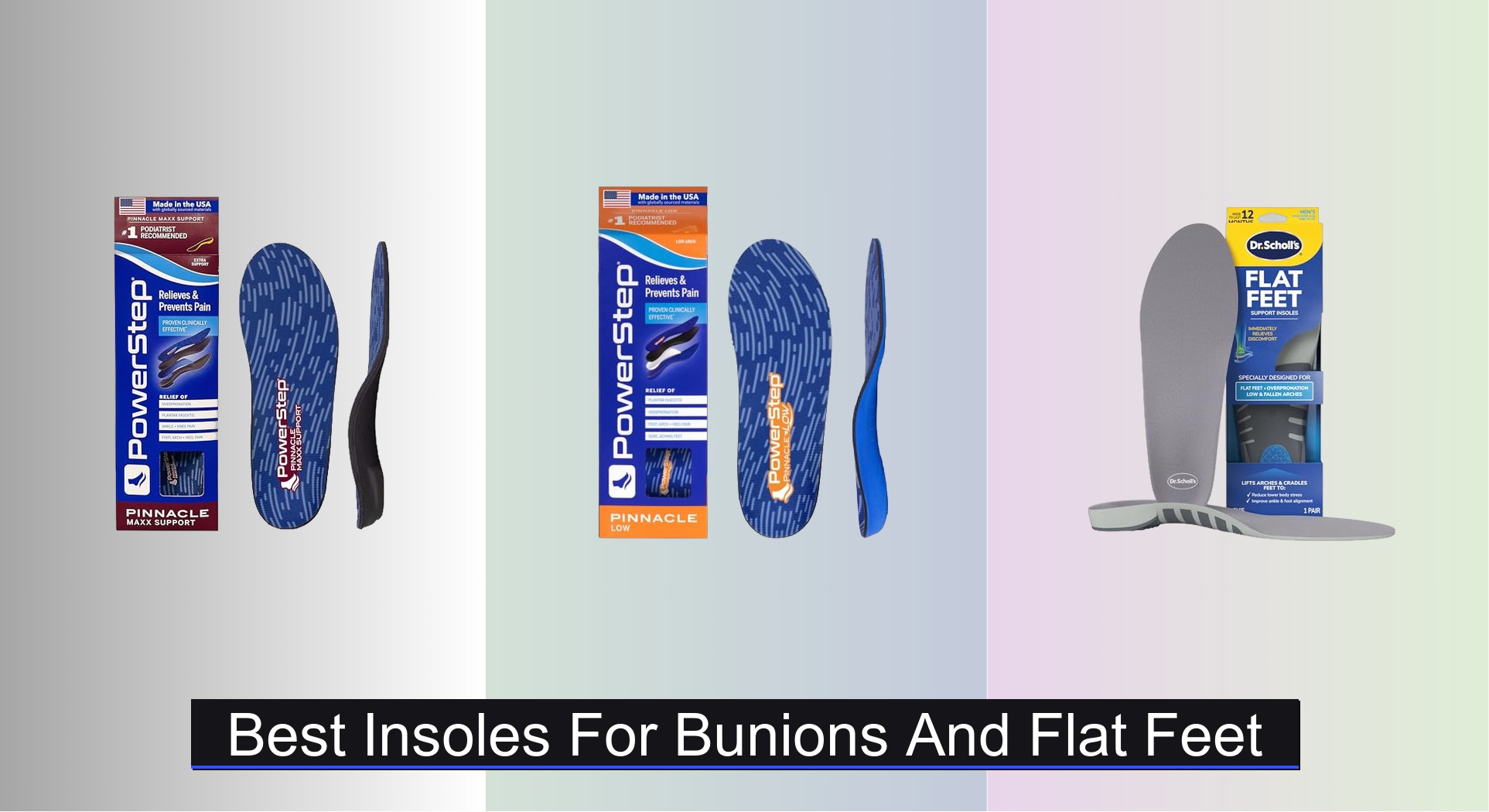
PowerStep Pinnacle 3/4 Insole
- 3/4 length fits tight water shoes without crowding
- Dual-layer cushioning with deep heel cup and arch reinforcement
- Moisture-resistant cover withstands damp conditions
- Over 5,000 verified reviews praise its pain-relieving performance
Both can be trimmed to match your shoe’s original liner, ensuring a seamless fit without bunching.
Choose Lightweight, Breathable Inserts
Avoid thick, plush insoles—they trap water and add weight. Instead, go for lightweight, breathable designs that dry fast.
- Riemot Water Shoe Insoles (3-pack)
- Quick-dry EVA foam with U-shaped heel cup
- Low-profile design fits Crocs, aqua shoes, and sport sandals
-
Available in 14 US sizes, with a 4.4-star average rating
-
Knixmax Ultra Thin Corrective Insoles
- Waterproof and sockless-ready
- Perfect for replacing worn-out Crocs liners
- Priced under $16, ideal for daily wear in wet conditions
These inserts enhance support without compromising drainage—perfect for long days in the water.
Know the Best Materials for Wet Conditions

The material of your insole determines how it holds up when soaked. Some foams disintegrate; others stay functional after repeated wet/dry cycles.
Stick to EVA, Neoprene, or Cork
- EVA (Ethylene-Vinyl Acetate): Lightweight, shock-absorbing, and dries fast. Found in most high-performance insoles.
- Neoprene: Water-resistant and durable. Common in full-coverage water shoes.
- Cork: Naturally moldable and antimicrobial. Used in premium replacements like TIESTRA cork insoles for Crocs.
These materials maintain structural integrity and support even when wet.
Avoid Cotton Foam and Uncoated Memory Foam
- Standard foam insoles absorb water like sponges, leading to odor and breakdown.
- Uncoated memory foam loses shape and support when wet.
Instead, choose closed-cell foams, coated EVA, or silicone-based supports for reliable, long-term performance.
Match Insoles to Your Foot Type

Your arch type determines the kind of support you need. One-size-fits-all doesn’t apply here.
Flat Feet? Use Firm, Corrective Support
Flat feet (or overpronation) require rigid or semi-rigid arch support to prevent inward rolling.
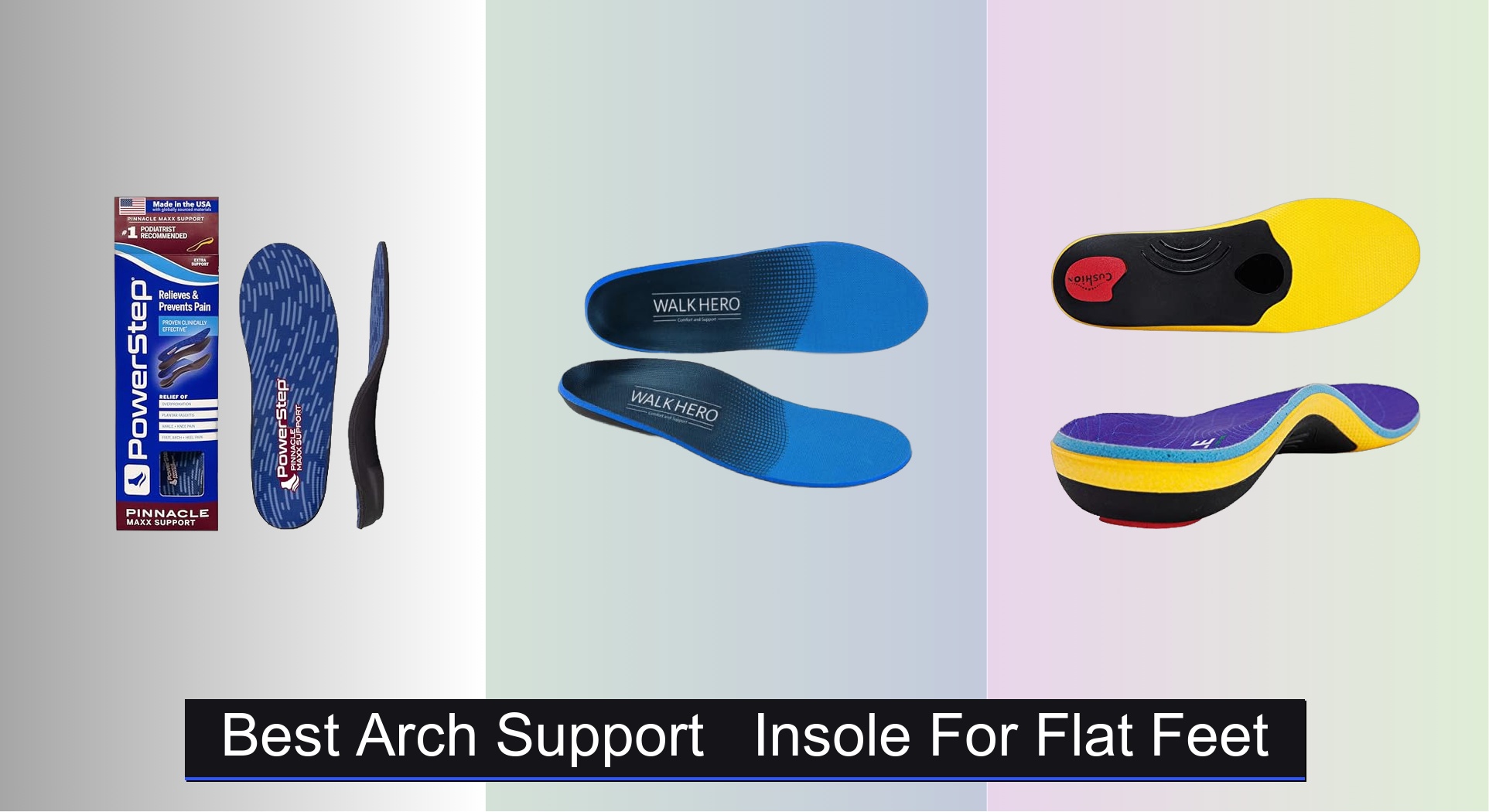
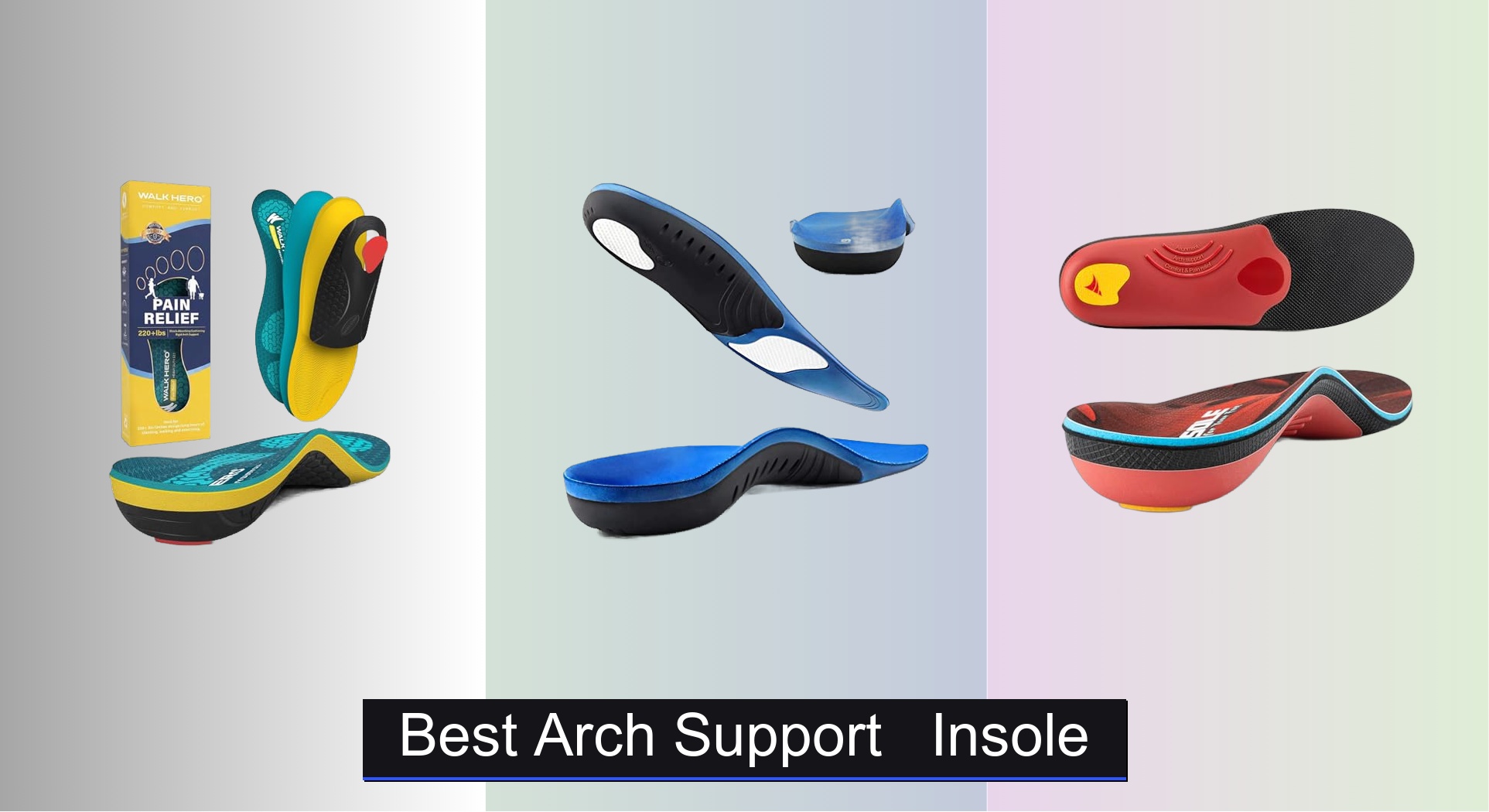
- PowerStep Pinnacle and WalkHero Heavy Duty Insoles offer strong correction
- Look for deep heel cups and medial post support to stabilize the foot
Ideal for hikers, fishermen, and anyone standing on wet docks for hours.
High Arches? Choose Cushioned, Contoured Support
High arches create pressure points on the ball and heel of the foot.
- Use cushioned insoles with arch fill, like Dr. Scholl’s Float-On-Air® or 4D Cloud Insoles
- These distribute weight evenly and reduce impact on hard, wet surfaces
Avoid flat or thin insoles—they’ll worsen discomfort.
Neutral Arches? Maintain Natural Alignment
Even with normal arches, support prevents fatigue during extended wear.
- Riemot or Knixmax insoles offer light-to-moderate support
- Focus on moisture management and heel stability to avoid slippage
Install Insoles Correctly
Even the best insole fails if installed wrong. A poor fit can cause blisters, pressure, or instability.
Remove the Original Liner First
Most water shoes have a removable footbed. Take it out and:
– Trace the liner on paper as a cutting guide
– Place your new insole on top and trim along the edges with scissors
This ensures a flush fit and prevents bunching.
Ensure a Snug Heel Lock
The insole should sit flat with no gaps at the heel or arch.
- A U-shaped heel cup should wrap around your heel bone
- If the insole slides, try a different size or adhesive-backed version
A secure heel reduces strain on your Achilles and improves balance on slippery rocks.
Maintain Hygiene and Longevity
Wet environments breed bacteria. Without care, even the best insoles can turn smelly or break down.
Clean and Dry After Every Use
- Hand wash with mild soap and lukewarm water (e.g., Strutz BeachWalkers)
- Air dry completely—never use a dryer or direct heat
- Store in a well-ventilated area
This prevents athlete’s foot, fungal nails, and odor buildup.
Replace Every 6–12 Months
Insoles lose cushioning and support over time.
Replace when you notice:
– Flattened foam
– Cracks or tears
– Persistent odor despite cleaning
High-quality insoles last longer, but regular replacement ensures consistent support.
Avoid Common Mistakes
Even small errors can undermine your efforts.
Don’t Rely on Cushioning Alone
Soft padding feels good but doesn’t equal support. Over-cushioned insoles can hinder drainage and increase fatigue.
- Choose structured support over plushness
- Prioritize arch contouring and heel stability
As Dr. Cunha warns, “Excessive padding can be counterproductive in water shoes.”
Don’t Ignore Fit for the Sake of Support
A supportive insole that’s too thick will make your shoe tight, causing toe pressure.
- Use low-profile insoles for snug models
- Trim carefully to avoid overhang
If your foot feels cramped, go thinner or size up.
Don’t Wear Wet Shoes for Hours
Prolonged moisture softens skin and increases infection risk.
- Remove insoles and dry shoes after use
- Rotate between two pairs if you’re active daily
Final Tips for All-Day Comfort
Supporting the arch in water shoes isn’t just about buying the right product—it’s about using it wisely.
- Test insoles at home first
- Pair with moisture-wicking socks if your shoe allows
- Rotate footwear to extend lifespan
- Listen to your feet—pain means something’s wrong
Whether you’re kayaking, gardening, or wading through tidal pools, proper arch support keeps you moving comfortably and safely.
Final Note: Supporting the arch in water shoes is non-negotiable for foot health. Combine well-designed footwear with waterproof, trim-to-fit insoles and smart maintenance to prevent pain and injury. With the right setup, you can enjoy every splash, hike, and swim—without sore feet holding you back.