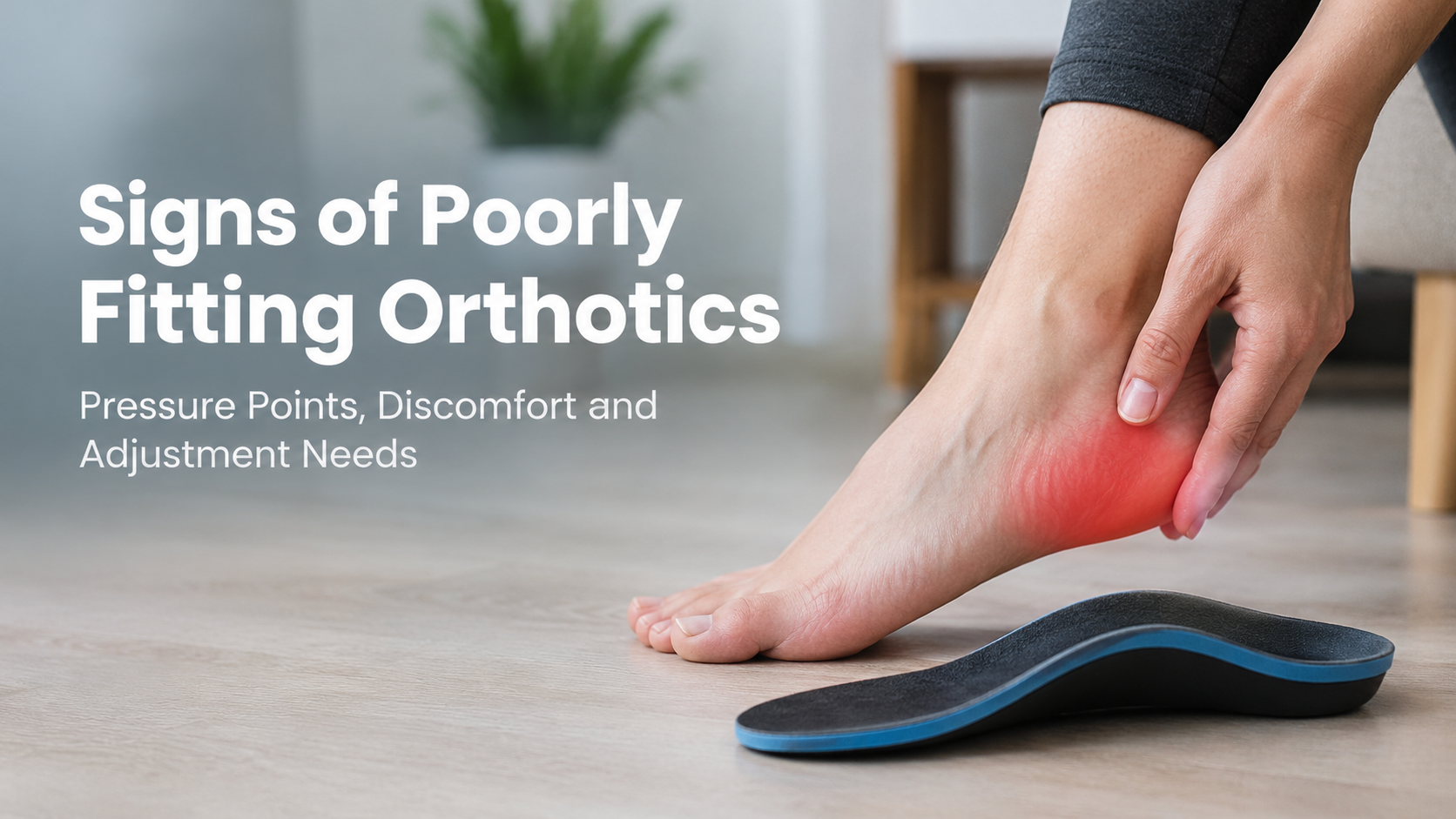
Orthotics are designed to improve comfort, support your arches and help your feet, ankles and legs move more efficiently. But the benefit depends heavily on one thing: fit. A device that is too high, too long, too rigid or simply wrong for your shoe can create new problems instead of solving old ones.
The good news is that a poor fit usually sends clear signals. This guide explains the most common signs of poorly fitting orthotics, why they happen, how a safe break-in should feel, and what you can do to correct the problem. Whether you wear custom orthotics from a clinic or over-the-counter insoles, these warning signs apply to both.
What a Well-Fitting Orthotic Should Feel Like
Before looking at the problems, it helps to know what “right” feels like. A good orthotic should:
- Sit flat and stable inside the shoe without sliding, curling or bunching.
- Cradle the heel securely so the heel does not slip.
- Match the contour of your arch with firm but comfortable support.
- Leave enough room in the toe box for your toes to relax and spread.
- Feel noticeable at first but never painful, and become more natural over one to two weeks.

Normal Adjustment vs. a Real Problem
Many people confuse the normal adaptation period with a bad fit. In the first days, mild awareness of the arch support, light muscle tiredness in the foot or a feeling that the shoe is a little snugger are all common. Your body is getting used to a new alignment.
What is not normal is sharp pain, numbness, blisters, pain that gets worse day after day, or pain that appears in the knees, hips or back. Discomfort that follows you after you take the orthotics out is also a reason to stop and reassess.
12 Signs of Poor Fitting Orthotics
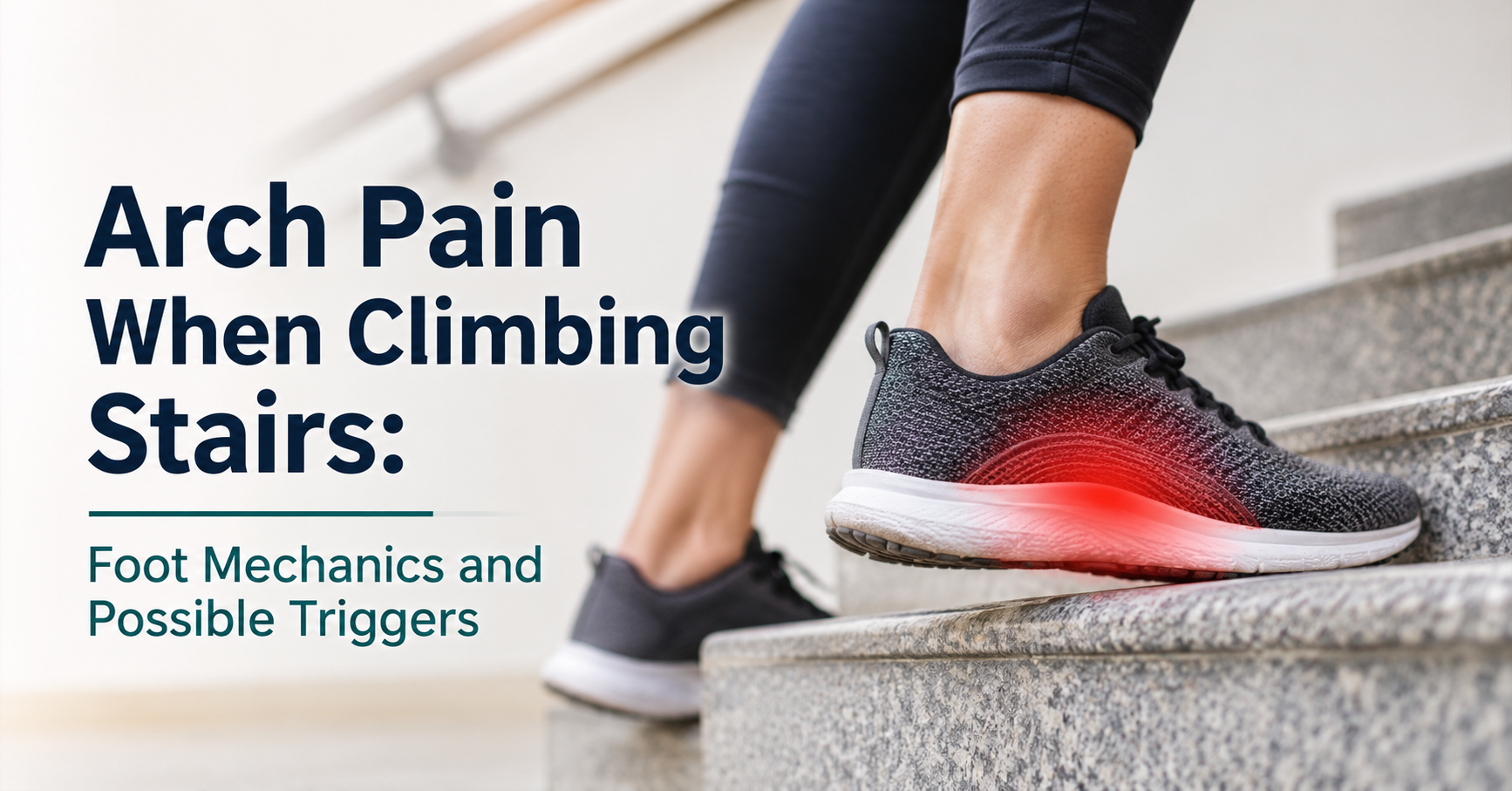
1. Pain or cramping in the arch
A good orthotic should feel supportive, not aggressive. If the arch support feels like a hard lump under your foot, or the arch muscles cramp after a short walk, the contour is probably too high or in the wrong position for your foot. Mild awareness during the first few days is normal. Persistent or increasing arch pain is not.
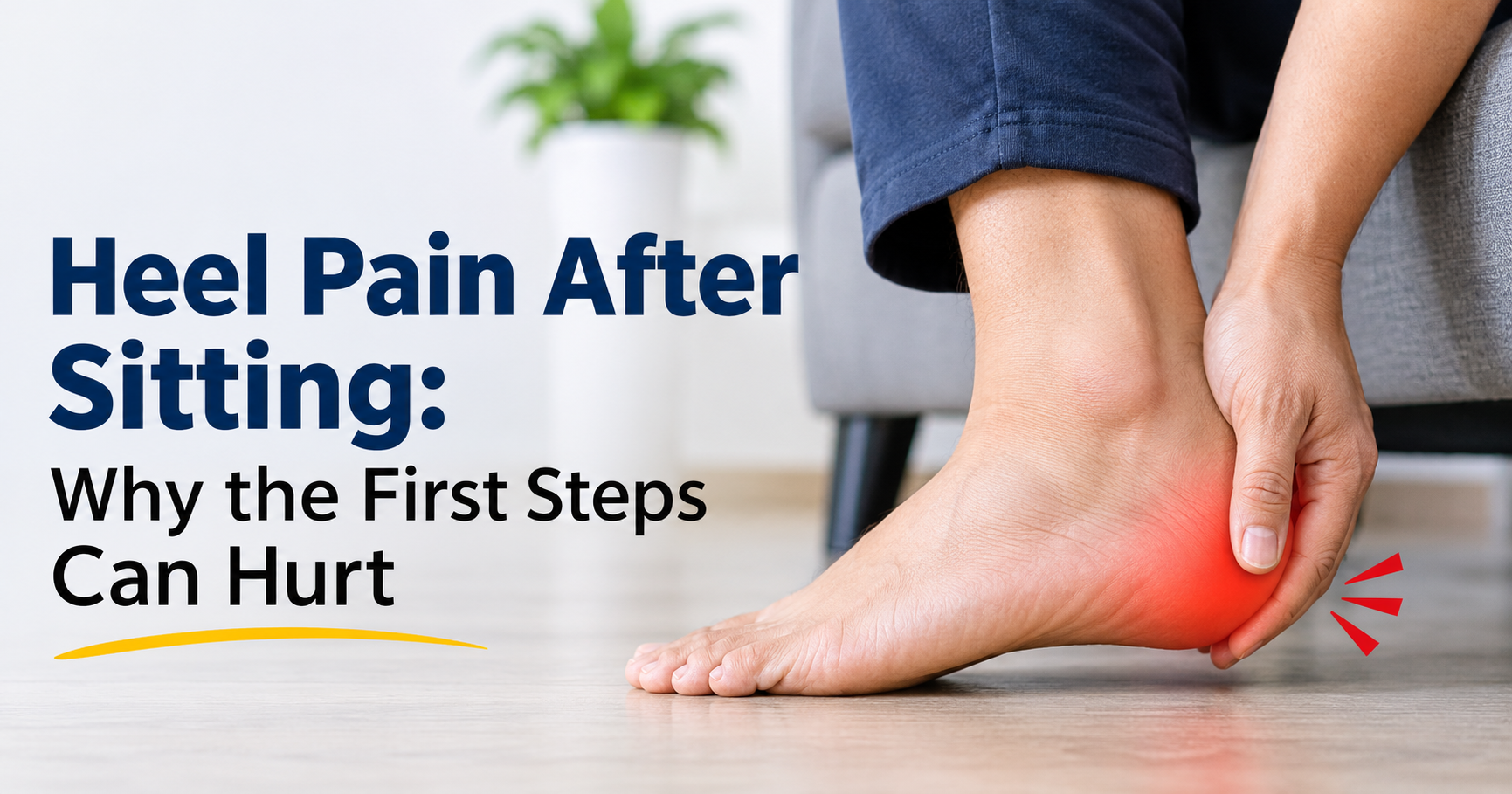
2. Heel slipping or lifting out of the shoe
If your heel rises or slides every step, the orthotic may be too short, too thick for the shoe, or sitting on top of the original insole. A slipping heel causes friction, blisters and instability, and it prevents the device from controlling foot motion the way it was designed to.
3. New blisters, calluses or hot spots
Friction marks in places you never had them before are one of the clearest signs of a bad fit. Red patches under the ball of the foot, along the arch edge or at the back of the heel mean the orthotic is rubbing, bunching or pressing too hard. Calluses that thicken quickly show repeated pressure on one spot.
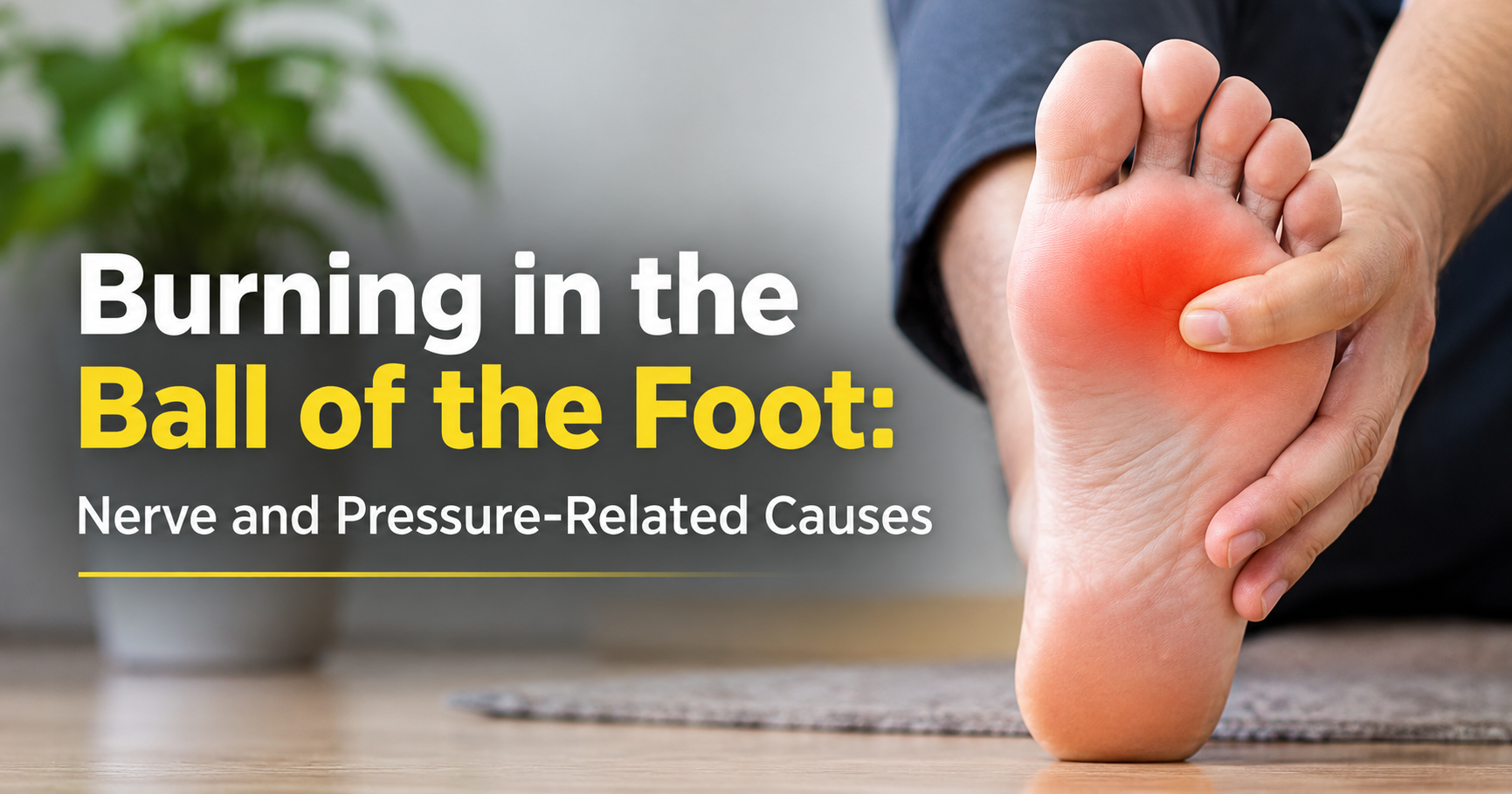
4. Pain at the ball of the foot
If the front edge of the orthotic ends too far back, or sits too high under the metatarsal heads, it can concentrate pressure at the forefoot. You may feel burning, bruise-like soreness or a sensation of walking on a pebble. This is especially common when the orthotic is the wrong length for the shoe.
5. Cramped toes or a shoe that suddenly feels too tight
Orthotics take up volume. If your toes touch the front of the shoe, or the shoe feels tight across the top of the foot, the orthotic is too bulky for that footwear. Cramped toes can lead to numbness, nail problems and nerve irritation over time. Try a lower-profile device or a shoe with a deeper toe box.
6. Numbness or tingling
Pins and needles, numb toes or a cold, tingling sensation can come from pressure on nerves or from restricted circulation caused by an overly tight fit. These symptoms deserve prompt attention. Remove the orthotic and check whether the sensation fades. If it keeps happening, speak with a foot care professional.

7. Knee, hip or lower back pain that is new or worse
Your feet set the foundation for the joints above them. An orthotic that over-corrects or under-corrects can change how force travels through the ankle, knee, hip and spine. New inner-knee pain, hip tightness or a dull lower back ache that begins after you start wearing orthotics is a strong signal to have the fit and the prescription reviewed.
8. Feeling tilted, unstable or off balance
A good orthotic should feel almost natural after the break-in period. If you feel tipped inward or outward, or your ankles roll more easily than before, the device may be too aggressive or the posting angle may not suit your foot.
9. Uneven or strange wear on your shoes
Look at the soles. A well-matched orthotic often makes wear patterns more even. If you now see heavy wear on one side of the heel, a collapsing upper on one side, or a sudden change in the pattern, your foot is probably moving differently inside the shoe because of the device.
10. The orthotic shifts, bunches or curls
An orthotic that slides forward, folds at the edges or curls up at the heel is not stable enough to do its job. This can happen when the device does not match the shoe shape, when it is too long or too wide, or when the original insole has not been removed.
11. More fatigue than before
Your feet may feel different at first, but they should not feel more exhausted than before you started. Deep, persistent foot fatigue by midday often points to a device that is forcing muscles to work in an unfamiliar way without proper fit.
12. No improvement after several weeks
Orthotics are not instant fixes, but you should see at least a small improvement in your original symptoms over four to six weeks of properly graded use. If the original problem is unchanged or worse, the device may not be addressing the real cause, or it may not fit correctly.
Why Orthotics End Up Fitting Poorly
Understanding the cause helps you choose the right solution. The most common reasons include:
- Wrong size or length. Over-the-counter insoles are often trimmed incorrectly, or the size chosen does not match the shoe.
- Wrong arch height. A high-arch insole used on a flat foot, or the reverse, will create pressure points.
- Incompatible footwear. Narrow, shallow or fashion shoes rarely have the depth for a full-length orthotic.
- Stacking on top of the original insole. This raises the foot and crowds the shoe.
- Inaccurate measurements or casting. Custom devices can still miss if the foot position was not captured properly.
- Changes in your feet. Weight changes, swelling, injury, pregnancy or aging can alter foot shape so an older orthotic no longer matches.
- Worn-out orthotics. Flattened foam and collapsed support lose their shape and stop working correctly.
How to Break In New Orthotics the Safe Way
Even a perfectly fitted orthotic needs a gradual adjustment. Wearing them all day from the first hour is one of the most common causes of early soreness that is mistaken for a bad fit. A gentle schedule gives muscles, tendons and skin time to adapt.

Begin with short wearing periods in your most comfortable, well-fitting shoes, increase gradually, and remove the orthotics if you feel sharp pain. Check your skin at the end of each day for redness or friction marks.
Quick At-Home Fit Test
You can check most of the basics yourself in a few minutes:
- Remove the shoe’s original insole (when it is removable) and place the orthotic inside to see how it sits.
- Stand and shift your weight and watch for sliding or bunching.
- Walk about ten minutes on a hard floor and note the arch, heel and ball of the foot.
- Check your toes for wiggle room and for pressure from the top of the shoe.
- Inspect your skin after wearing them for red marks or hot spots.

What to Do If Your Orthotics Do Not Fit Properly
Stop and reduce wearing time
Do not push through pain. Go back to a shorter wearing schedule or pause use until you have had the device checked.
Try the orthotic in a different shoe
Sometimes the problem is the shoe, not the device. A shoe with a removable insole, a deeper toe box and a firm heel counter usually works much better with orthotics.
Remove the original insole
Using the orthotic on top of the factory insole can make the shoe too tight and the heel unstable.
Check the length and trim carefully
For off-the-shelf products, trim only according to the manufacturer’s instructions and test frequently. The front edge should end just behind the toes without curling.
Consider a heel or arch adjustment
A clinician can often modify an orthotic by grinding it, adding padding or changing the posting rather than replacing it completely.
Return to the provider for a re-evaluation
If symptoms persist, ask the provider who prescribed or fitted the device to check the fit, the original assessment and whether your needs have changed.
Custom vs. Over-the-Counter Orthotics: Fit Considerations
Over-the-counter orthotics are widely available, affordable and suitable for many people with mild, general support needs. However, they come in standard shapes and may not match your arch height, foot width or shoe type. Custom orthotics are made from a detailed assessment or mold of your feet and can be tailored to specific conditions, but they still require careful checking and follow-up adjustments.
Neither type is automatically better. The right choice depends on your symptoms, foot structure, activity level and budget. What matters most is that the device matches your foot and your shoes, and that you monitor how it feels.
When to See a Professional
Seek advice from a podiatrist, physiotherapist or other qualified foot care professional if you notice:
- Sharp, worsening or persistent pain.
- Numbness, tingling, color changes or swelling.
- Skin breakdown, open blisters or sores, particularly if you have diabetes or poor circulation.
- New knee, hip or back pain after beginning orthotic use.
- No improvement after four to six weeks of proper use.
People with diabetes, neuropathy or circulation problems should be especially careful, since reduced sensation can hide pressure damage until it becomes serious. Regular foot checks are essential.
How Long Should Orthotics Last?
Lifespan depends on materials, body weight and activity level. Many over-the-counter insoles need replacing every six to twelve months, while quality custom orthotics may last several years. Signs that it is time for a new pair include a flattened or cracked surface, a worn-down heel area, a loss of arch height and returning symptoms that were previously controlled.
Frequently Asked Questions
How long does it take to get used to new orthotics?
Most people adapt within one to two weeks when they increase wearing time gradually. Some need a little longer for firmer devices.
Is it normal for orthotics to hurt at first?
Mild awareness or light muscle tiredness can be normal. Sharp, burning or worsening pain is not and should be checked.
Can orthotics cause knee or back pain?
If the device changes alignment in a way that does not suit your body, it can contribute to pain higher in the leg or spine. This is a reason to reassess the fit and the prescription.
Can I use the same orthotics in all my shoes?
Only if the shoes have enough depth, a removable insole and a similar shape. Otherwise, the orthotic may slide or crowd the foot.
Why do my orthotics make my shoes feel tight?
Orthotics add volume. A lower-profile design, a shoe with more depth or the removal of the original insole usually helps.
When should I replace my orthotics?
Replace them when they are visibly worn, flattened or no longer supportive, or when your symptoms start returning.
Final Thoughts
Orthotics can make a real difference to comfort and mobility, but only when they fit your foot, your shoe and your needs. Pay attention to the early warning signs: pain, pressure marks, slipping, numbness, instability and new discomfort higher in the body. Break in your orthotics gradually, test the fit carefully, and do not hesitate to ask a professional to adjust or reassess the device. A few small corrections early can save weeks of discomfort and help you get the benefits orthotics are meant to provide.
This article is for general information only and does not replace personal medical advice. If you have a medical condition or ongoing pain, consult a qualified healthcare professional.