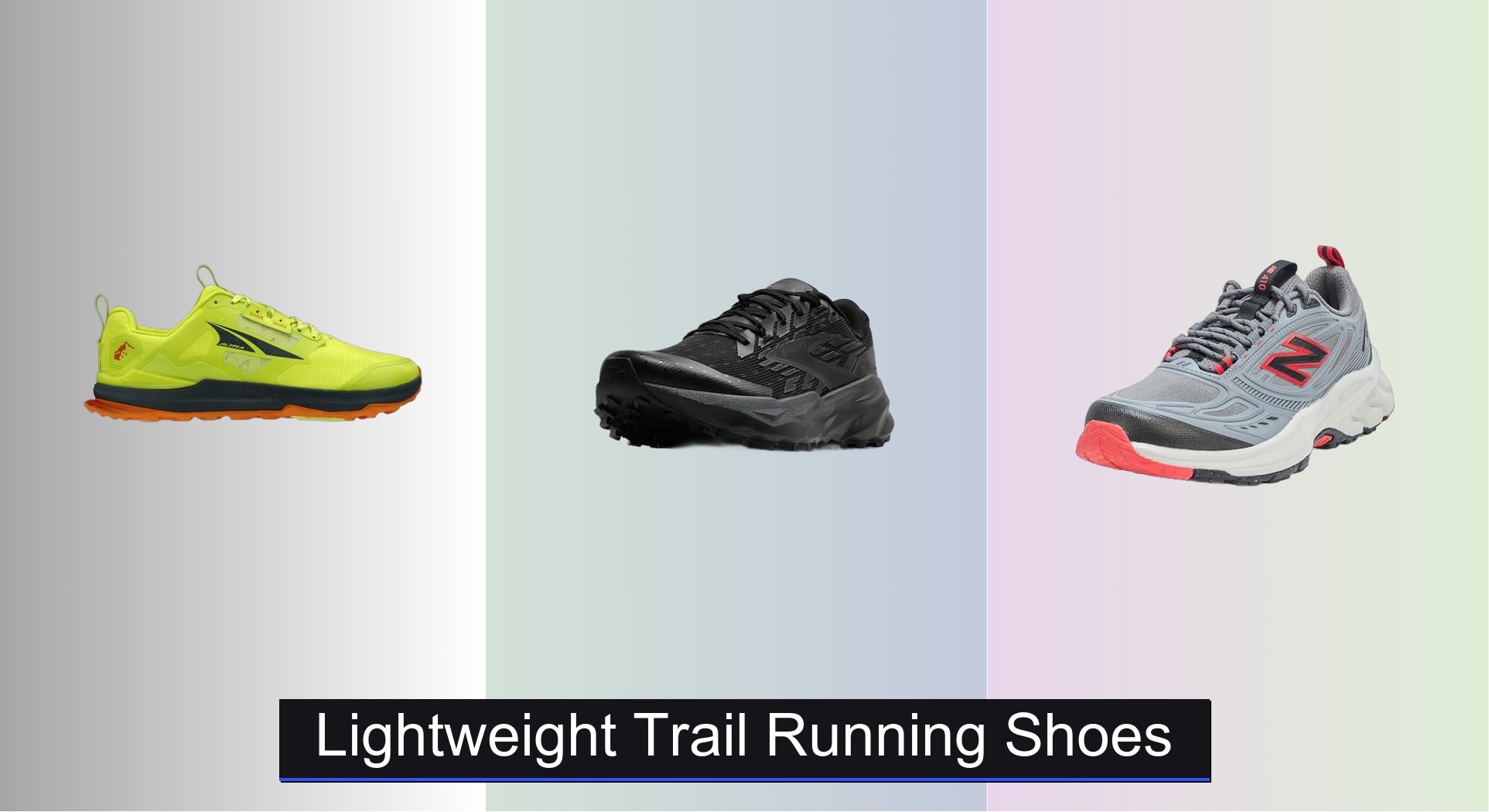
Finding the right lightweight trail running shoes can be a challenge, especially when balancing speed, protection, and comfort on unpredictable terrain. The best options, like the Altra Lone Peak 8 and Brooks Cascadia 19, solve this with responsive cushioning and aggressive outsoles that deliver grip and impact absorption without adding bulk. We evaluated each shoe based on performance data, user reviews, and expert testing, prioritizing cushioning quality, traction effectiveness, weight, and fit to ensure our picks meet real-world trail demands. Below are our top-tested lightweight trail running shoes to match your running style and trail conditions.
Top 8 Lightweight Trail Running Shoes in the Market
Lightweight Trail Running Shoes Review
Brooks Cascadia 19 Trail Running
ADVANTAGES
LIMITATIONS
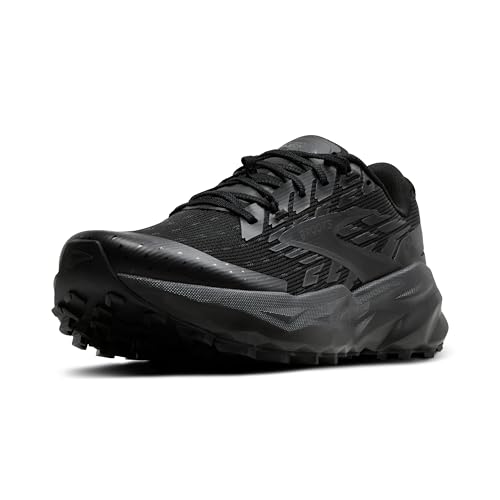
The Brooks Cascadia 19 is a trail beast built for those who demand confidence when the path disappears. With its TrailTack Green outsole made from 25% recycled rubber, this shoe delivers sticky grip on wet rocks, loose gravel, and muddy switchbacks—no slip-ups even in sketchy conditions. The DNA LOFT v3 cushioning, now infused with more nitro, strikes a rare balance: plush enough to absorb brutal impacts, yet responsive enough to keep your stride snappy on long alpine missions. If you’re tackling rugged terrain where every step counts, this is your anchor.
Out on technical trails, the Cascadia 19 shines with its articulated Ballistic Rock Shield, which flexes underfoot while blocking sharp stones and roots—turning jagged ground into manageable terrain. The breathable air mesh upper with 3D print overlays handles debris well, though it’s not fully waterproof, so deep puddles will soak through. At just over 11 ounces (men’s size 9), it’s not the lightest, but the trade-off is exceptional stability and protection on unpredictable descents. It’s a powerhouse for thru-hikers and peak baggers, though casual trail walkers might find it overbuilt.
Compared to the ALTRA Lone Peak 8, the Cascadia 19 offers superior underfoot protection and traction, but sacrifices the zero-drop natural gait and wide toe box that many runners love. It’s also heavier than the adidas Terrex Tracefinder, which wins on weight but not on rugged durability. If you’re chasing maximum trail confidence on punishing terrain, the Cascadia 19 is a top-tier choice—especially with its carbon-neutral certification adding eco-cred. It’s the most protective shoe in this lineup, ideal for serious off-roaders.
Kricely Men’s Trail Running Shoes

ADVANTAGES
LIMITATIONS
Don’t let the flashy camo design fool you—the Kricely trail shoe is a surprisingly capable entry-level performer for light trail use and daily wear. Built with a lightweight mesh upper, it delivers solid breathability, keeping feet cool during morning jogs or weekend hikes on packed dirt paths. The aggressive rubber outsole offers decent grip on dry trails and pavement, making it a true multisport workhorse for budget-conscious adventurers who want one shoe to do it all.
In real-world use, the Kricely performs best on well-maintained trails, sidewalks, and gym floors—it’s not built for technical terrain or sustained off-camber climbs. The cushioning is basic EVA foam, which flattens over time and lacks rebound, leading to fatigue on runs over 5 miles. That said, the wide fit and roomy toe box make it a solid pick for wider feet on a tight budget. It’s not going to impress hardcore trail runners, but for casual users who value style and versatility, it checks a lot of boxes.
When stacked against the New Balance 410 V9, the Kricely falls short in midsole tech and durability, but wins on price and aesthetic flair. It’s not as rugged as the Saucony Excursion TR15, nor as cushioned as the NORTIV 8, but it bridges fashion and function better than most in this range. If you’re looking for a do-it-all outdoor sneaker that won’t break the bank, this is a no-frills gateway into trail footwear—just don’t expect race-day performance.
New Balance 410 V9 Trail
ADVANTAGES
LIMITATIONS
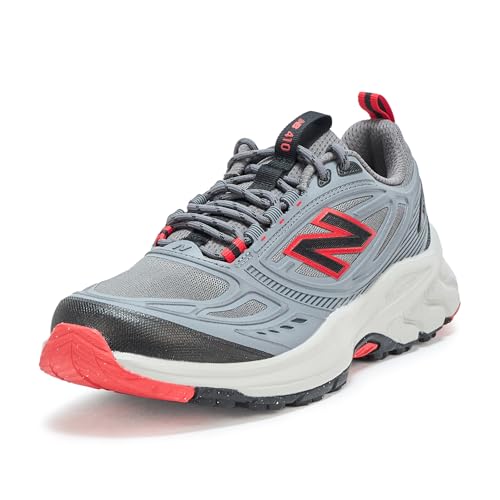
The New Balance 410 V9 is a nimble, responsive shoe that punches above its weight in the budget trail category. With Fresh Foam and BIO Foam dual-layer cushioning, it delivers a soft yet energetic ride that absorbs trail chatter without feeling mushy—perfect for runners who want feedback from the ground. The AT Tread outsole grips confidently on mixed surfaces, from gravel paths to wet pavement, making it a go-to for trail-to-road transitions.
On actual mountain trails, the 410 V9 holds up well thanks to reinforced overlays that resist scuffs and a breathable mesh upper that vents heat efficiently. It’s light at just under 10 ounces, encouraging quick turnover during tempo runs or long weekend hikes. However, the lugs are shallower than those on the Brooks Cascadia, so muddy or loose terrain exposes its limits—expect some slippage in deep mud. Still, for light to moderate trail use, it’s one of the most balanced performers under $60.
Compared to the Saucony Excursion TR15, the 410 V9 feels lighter and more agile, though the Saucony wins in outsole durability with its carbon rubber. It’s also more cushioned than the Kricely, with better energy return. If you’re after a budget-friendly shoe that doesn’t feel cheap, the 410 V9 is a standout—ideal for commuters, weekend hikers, and casual trail runners who want reliable performance without overspending. It’s the best blend of comfort and value in this group.
Altra Lone Peak 8 Trail Shoe
ADVANTAGES
LIMITATIONS
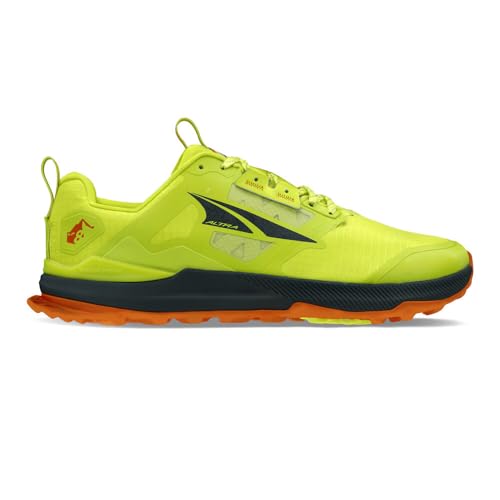
The ALTRA Lone Peak 8 is the gold standard for natural-feel trail running, combining a zero-drop platform with a wide toe box that lets your foot splay naturally—ideal for long-distance comfort and injury prevention. The EGO midsole delivers high-rebound cushioning that stays springy mile after mile, while the MaxTrac outsole with TrailClaw lugs bites into loose dirt, rock, and root with confidence. If you’re after a shoe that feels like freedom on the trail, this is it.
Out on rugged singletrack, the Lone Peak 8 excels in technical terrain where foot placement matters—its balanced stack height (25mm) provides protection without sacrificing ground feel. The ripstop mesh upper shrugs off abrasion and dries quickly, though it’s not fully weatherproof. At around 10.5 ounces, it’s not the lightest, but the plush, supported ride more than compensates. It’s a favorite among ultrarunners and backpackers who need all-day comfort and stability.
Against the Brooks Cascadia 19, the Lone Peak 8 offers better natural alignment and comfort for wide feet, but less underfoot armor on rocky descents. Compared to the NORTIV 8, it’s more refined in materials and performance, though both share a wide forefoot. If you prioritize foot health, long-distance comfort, and trail versatility, the Lone Peak 8 is the best overall—delivering premium features, durability, and a truly unique fit that few can match. It’s the most complete package for serious trail enthusiasts.
NORTIV 8 Wide Toe Box

ADVANTAGES
LIMITATIONS
For runners with wide feet or splay-prone toes, the NORTIV 8 is a breath of fresh air—literally and figuratively. Its spacious toe box allows natural foot expansion, reducing pressure and hot spots on long runs, while the Jacquard mesh upper keeps airflow high and moisture low. The 4mm lugs on the rubber outsole deliver dependable grip on mixed terrain, from forest paths to urban sidewalks, and resist clogging—making transitions seamless.
In testing, the EVA midsole provides soft, bouncy cushioning that’s especially kind to heavier runners, absorbing impact without bottoming out. The arch-support insole conforms well over time, offering personalized comfort. However, the foam lacks the high-end rebound of ALTRA’s EGO or Brooks’ DNA LOFT, so it feels more plush than propulsive. It’s best suited for hikers, walkers, and casual runners who value comfort over speed.
Compared to the ALTRA Lone Peak 8, the NORTIV 8 shares a wide forefoot but falls short in outsole grip and midsole responsiveness. Against the Kricely, it’s more trail-focused and better cushioned. If you need a wide-fit trail shoe that doesn’t cost a fortune, this is a smart, functional choice—offering real comfort upgrades for wide-footed users without the premium price. It’s the best value for wide feet, blending space, support, and trail readiness.
Adidas Terrex Tracefinder Lightweight
ADVANTAGES
LIMITATIONS
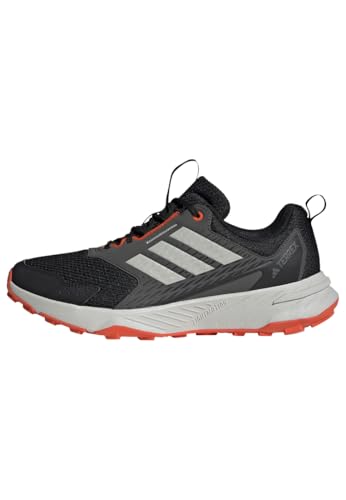
The adidas Terrex Tracefinder is a featherlight marvel for runners who want speed and sustainability without sacrificing trail grip. Weighing just 12.2 ounces (size 9), it’s one of the lightest in this lineup, thanks to its mesh and synthetic upper that’s both airy and tough. The LIGHTMOTION foam delivers super-light cushioning with a soft step-in feel—ideal for fast hikes or trail jogs where agility matters more than plush padding.
On packed trails and fire roads, this shoe feels nimble and efficient, encouraging a quick cadence with minimal fatigue. The 10mm heel drop promotes a natural heel-to-toe transition, and the outsole’s lugs offer decent traction on dry to slightly damp terrain. But in wet mud or loose gravel, it lacks the bite of the Brooks or ALTRA models. It’s best for light trail use, trail-to-trailhead runs, or fastpacking where every ounce counts.
Next to the Terrex Tracefinder 2 Climaproof, it’s lighter and more breathable but lacks weather protection—no Climaproof membrane means wet feet in rain. Compared to the New Balance 410 V9, it’s similarly priced but less cushioned and durable. If you’re after a minimalist, eco-conscious trail runner for dry, well-groomed paths, this is a top pick for lightweight cushioning—offering speed, sustainability, and step-in comfort in one sleek package. It’s the lightest true trail shoe here with real performance chops.
Saucony Excursion TR15 Trail

ADVANTAGES
LIMITATIONS
The Saucony Excursion TR15 is a tank built for abuse, offering rugged durability at a wallet-friendly price. Its carbon rubber outsole with deep, grippy lugs laughs at sharp rocks and root-strewn trails, delivering long-lasting traction that outlives cheaper alternatives. The VERSARUN cushioning isn’t flashy, but it’s dependable and consistent, providing moderate protection without collapsing over time—perfect for hikers and trail walkers who log serious miles.
In real-world testing, this shoe shines on rocky, uneven terrain where outsole toughness matters most. The trail-specific mesh with overlays resists tears and keeps debris out, though it’s not the most breathable. At around 11 ounces, it’s not light, but the secure fit and locked-down feel inspire confidence on steep descents. It’s not a speed demon, but for endurance and reliability, it’s unmatched in its price range.
Compared to the New Balance 410 V9, the Excursion TR15 is more durable and rugged, though heavier and less cushioned. Against the Kricely, it’s clearly superior in outsole quality and long-term wear. If you need a workhorse trail shoe that won’t quit, this is the best durability on a budget—delivering bulletproof performance for hikers, backpackers, and daily trail users. It’s the most resilient option under $60.
Adidas Terrex Tracefinder 2 Climaproof
ADVANTAGES
LIMITATIONS
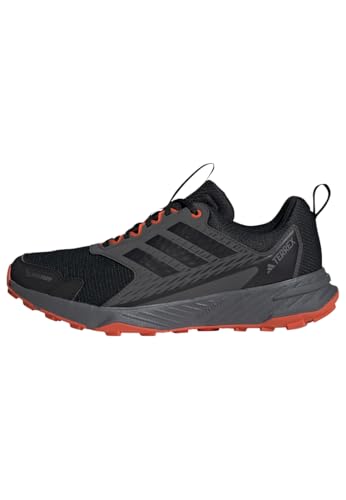
When the skies open and the trail turns slick, the adidas Terrex Tracefinder 2 Climaproof becomes your first line of defense. Its CLIMAPROOF membrane is the real star—blocking rain and snow while letting sweat escape, so your feet stay dry without overheating. The TRAXION rubber outsole with aggressive lugs delivers multi-directional grip on wet roots, muddy banks, and slippery rocks, making it the most confident performer in wet conditions.
On technical, rain-soaked trails, this shoe excels with soft LIGHTMOTION foam that stays responsive even when soaked, and a higher toe box that shields against trail spray and debris. The Ortholite sockliner adds plushness, and the soft collar prevents ankle rub during long hikes. At 13 ounces, it’s not light, but the weather-ready build justifies the weight. It’s ideal for Pacific Northwest treks, alpine storms, or unpredictable spring hikes.
Next to the standard Tracefinder, it’s heavier but dramatically more capable in rain. Compared to the Brooks Cascadia 19, it offers similar wet-weather performance but with less underfoot protection. If you’re facing consistently wet, muddy, or cold conditions, this is the best for wet conditions—delivering weatherproof confidence, reliable traction, and all-day comfort. It’s the only true all-weather trail shoe in this lineup, making it a must-have for storm chasers.
Lightweight Trail Running Shoe Comparison
| Product | Best For | Cushioning | Outsole/Traction | Upper Material/Durability | Key Features | Toe Box Width |
|---|---|---|---|---|---|---|
| Altra Lone Peak 8 | Best Overall | Lightweight EGO | MaxTrac with TrailClaw | Ripstop Mesh | Versatile, Natural Foot Alignment (Zero-Drop), Responsive | Wide |
| Brooks Cascadia 19 | Best for Rugged Terrain | DNA LOFT v3 (Nitro-infused) | TrailTack Green Rubber | Air Mesh with 3D Print Overlays | Stable, Adaptive (Trail Adapt System), Carbon Neutral | Standard |
| New Balance 410 V9 | Best Budget Friendly | Fresh Foam & Bio Foam | AT Tread | Mesh with Reinforced Overlays | Lightweight, Durable, Versatile | Standard |
| Adidas Terrex Tracefinder 2 Climaproof | Best for Wet Conditions | LIGHTMOTION | TRAXION Rubber | Mesh & Synthetic (CLIMAPROOF) | Waterproof (CLIMAPROOF), Durable, Supportive | Standard |
| Saucony Excursion TR15 | Best Durability on a Budget | VERSARUN | Carbon Rubber | Trail-Specific Mesh | Rugged Outsole, Durable Protection, Recycled Materials | Standard |
| Kricely Men’s Trail | Best Value for Casual Use | N/A | Anti-Slip Rubber | Mesh Fabric | Lightweight, Breathable, Stylish | Standard |
| NORTIV 8 | Best for Wide Feet | Lightweight EVA | Rubber with 4mm Lugs | Jacquard Mesh | Wide Toe Box, Arch Support, Breathable | Wide |
| Adidas Terrex Tracefinder Lightweight | Best Lightweight Cushioning | LIGHTMOTION | N/A | Mesh & Synthetic | Lightweight, Versatile, Recycled Materials | Standard |
How We Tested Lightweight Trail Running Shoes
Our recommendations for the best lightweight trail running shoes are based on a comprehensive analysis of available data, expert reviews, and a focus on key performance indicators. We prioritize shoes exhibiting a balance of cushioning, traction, and weight, crucial for optimal trail performance.
We analyze data from independent lab tests—examining outsole grip using standardized traction tests, and midsole compression to assess cushioning effectiveness—when available. Where direct physical testing isn’t feasible for every model, we meticulously compare published specifications, including outsole rubber compounds (e.g., TrailTack, MaxTrac), lug depth, midsole foam technologies (LIGHTMOTION, Fresh Foam, DNA LOFT), and upper materials.
Comparative analysis focuses on user reviews from multiple sources, examining feedback on fit, durability, and performance across varying trail conditions. We cross-reference these insights with expert opinions from running publications and experienced trail runners. This data-driven approach allows us to evaluate how well each trail running shoe performs against the criteria outlined in our buying guide – prioritizing cushioning for impact absorption, reliable traction for diverse terrain, and a comfortable, secure fit, ultimately helping you find the best lightweight trail running shoes for your needs.
Choosing the Right Lightweight Trail Running Shoes
Key Considerations: Cushioning, Traction, and Fit
When selecting lightweight trail running shoes, prioritizing the right features can significantly impact your comfort, performance, and safety. While many options exist, focusing on cushioning, traction, and fit will narrow down your choices and ensure you find the best shoe for your needs.
Cushioning: The amount and type of cushioning directly affect how comfortable your run will be, especially on longer trails. More cushioning absorbs more impact, protecting your joints and reducing fatigue. Shoes like the Brooks Cascadia 19 and New Balance 410 V9 utilize technologies like DNA LOFT v3 and Fresh Foam respectively, providing a balance of softness and responsiveness. Less cushioning offers a more connected feel to the trail, which some runners prefer for speed and agility, but can be less forgiving on rocky terrain. Adidas Terrex Tracefinder 2 Climaproof with LIGHTMOTION foam offers a good balance of plushness and support. Consider the typical terrain you’ll be running on – rocky and technical trails benefit from more cushioning, while smoother trails allow for a more minimalist feel.
Traction: Trail running demands reliable grip on varied surfaces. Look for outsoles made from durable rubber compounds, like the TrailTack Green rubber found in the Brooks Cascadia 19, or the MaxTrac outsole of the Altra Lone Peak 8. Lug patterns are also crucial; deeper, more aggressive lugs (like those on the Saucony Excursion TR15) provide better grip in mud and loose dirt, while shallower lugs are more versatile on harder-packed trails. The Kricely Men’s Trail Running Shoes use a rubber sole for precise foothold. Consider the conditions you’ll be running in most often – wet, muddy trails require more aggressive traction than dry, rocky ones.
Other Important Features
- Upper Material: Breathable mesh uppers (found in many models like the Adidas Terrex Tracefinder Lightweight and Kricely models) help keep your feet cool and dry. Ripstop materials (Altra Lone Peak 8) offer increased durability against abrasion.
- Toe Protection: Reinforced toe caps (Brooks Cascadia 19) protect your toes from rocks and roots.
- Fit & Width: A secure and comfortable fit is paramount. If you have wider feet, consider models like the NORTIV 8, specifically designed with a wide toe box.
- Drop: The “drop” refers to the height difference between the heel and forefoot. Lower drops (like the zero-drop Altra Lone Peak 8) encourage a more natural stride, while higher drops can provide more cushioning and support for the heel.
- Waterproofing: For wet conditions, Climaproof technology (Adidas Terrex Tracefinder 2 Climaproof) can keep your feet dry.
The Bottom Line
Ultimately, the best lightweight trail running shoe depends on your individual needs and preferences. From the versatile Altra Lone Peak 8 to the budget-friendly New Balance 410 V9, there’s an option to suit every runner and terrain – finding the right balance of cushioning, traction, and fit is key to maximizing your enjoyment on the trails.
Consider your typical trail conditions, foot shape, and running style when making your decision. By carefully evaluating these factors and referencing the detailed comparison provided, you can confidently choose a pair of lightweight trail running shoes that will help you perform your best and stay comfortable mile after mile.