Waking up to painful, splitting skin on your heels is more than just a cosmetic concern—it can make every step feel like a chore. Cracked heels affect millions, especially during dry seasons or for those who stand for long hours, wear open-back shoes, or struggle with underlying health conditions like diabetes. Left untreated, these fissures can deepen, bleed, and even become infected. But there’s a simple, effective solution you can start tonight: overnight foot masks.
Treating cracked heels with overnight masks isn’t about slathering on lotion before bed—it’s a targeted, science-backed routine that leverages your body’s natural healing cycle. These treatments work by sealing in moisture, enhancing ingredient absorption, and softening thickened skin while you sleep. Whether you prefer natural DIY remedies like honey and coconut oil or advanced urea-based balms, the key is consistency and using the right method for your skin’s needs.
This guide reveals the most effective overnight treatments, step-by-step application techniques, and expert tips to transform rough, damaged heels into soft, smooth feet—starting tonight.
Decode the Cause of Cracked Heels

Before applying any mask, it’s crucial to understand what’s causing your heel fissures. Without addressing the root cause, even the best treatment may only offer temporary relief.
Common Triggers of Heel Fissures
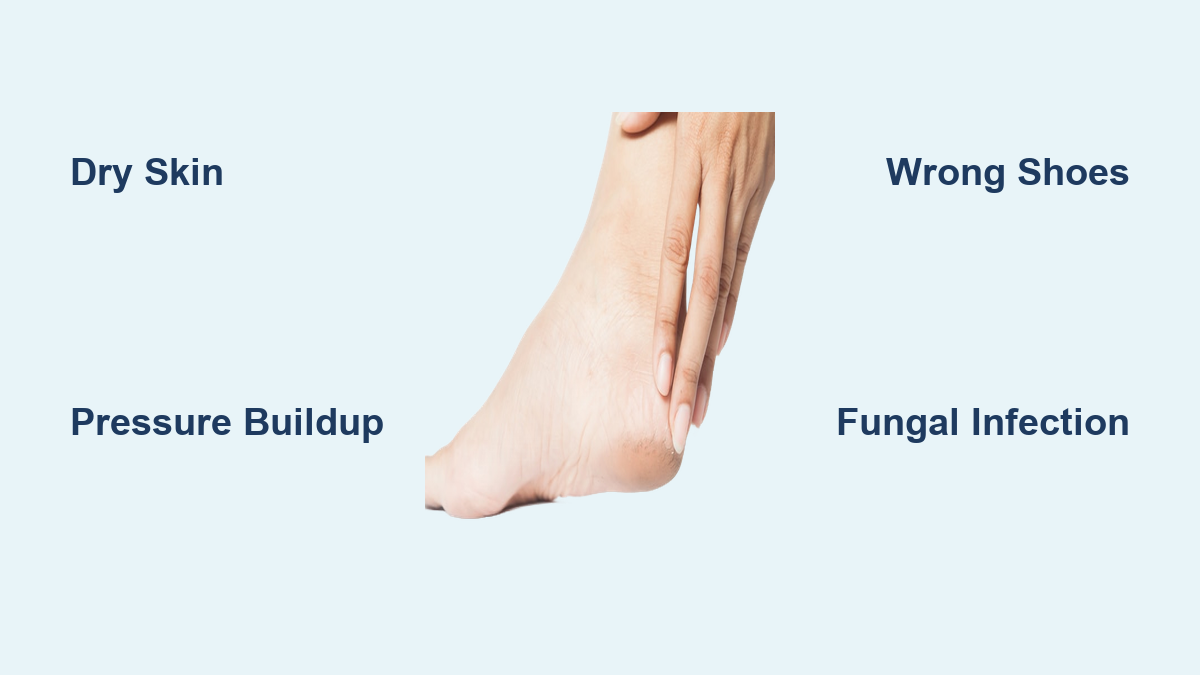
Dry skin is the main culprit, but it rarely acts alone. Cold, dry air—especially in winter—strips the skin of its natural oils. Wearing flip-flops or open-back shoes increases friction and exposure, accelerating moisture loss. Standing for long periods expands the fat pad under the heel, stretching the skin until it cracks.
Weight gain or obesity adds pressure, increasing the risk of deep fissures. Medical conditions like diabetes reduce circulation and sweat production, leaving skin chronically dry and vulnerable. Hypothyroidism, eczema, psoriasis, and fungal infections also compromise skin integrity. As we age, our skin produces less sebum and loses elasticity, making it more prone to cracking. Even lifestyle habits—like long hot showers or deficiencies in vitamins A, C, D, E, or omega-3s—can impair skin health.
Recognize Severity Levels
- Mild: Dry, flaky skin with fine lines
- Moderate: Visible cracks, rough texture, slight discomfort
- Severe: Deep, painful fissures that may bleed or become infected
Warning: If cracks are deep, bleeding, or show signs of infection (redness, swelling, pus), do not rely solely on home treatments. Consult a podiatrist.
Build an Effective Overnight Treatment Routine

Overnight foot masks work because they extend contact time, enhance ingredient absorption, and create a sealed environment for repair. The best results come from a 5-step nightly protocol.
Cleanse and Prep Feet
Start with clean skin. Wash your feet using mild, pH-balanced soap and warm water. Avoid hot water, which strips natural oils. Gently pat dry, especially between toes, to prevent fungal growth.
For deeper prep, soak feet for 10–20 minutes in warm water. Add Epsom salts or a mix of warm milk and honey to soften keratin and prime skin for treatment.
Exfoliate Gently
After soaking, lightly exfoliate with a pumice stone or foot file. Focus on thickened areas, but never scrub aggressively—this can worsen cracks. If using a chemical peel mask, skip manual exfoliation on those nights.
Apply Active Treatment
Choose your overnight mask based on skin needs:
– Dry, tight skin: Honey & ghee or urea cream
– Inflamed, sensitive skin: Aloe vera & coconut oil
– Callused, stiff heels: Banana & olive oil
– Flaky, rough texture: Rice flour, milk & honey
Apply generously to heels and soles, massaging for 1–2 minutes to boost circulation.
Seal with Occlusion
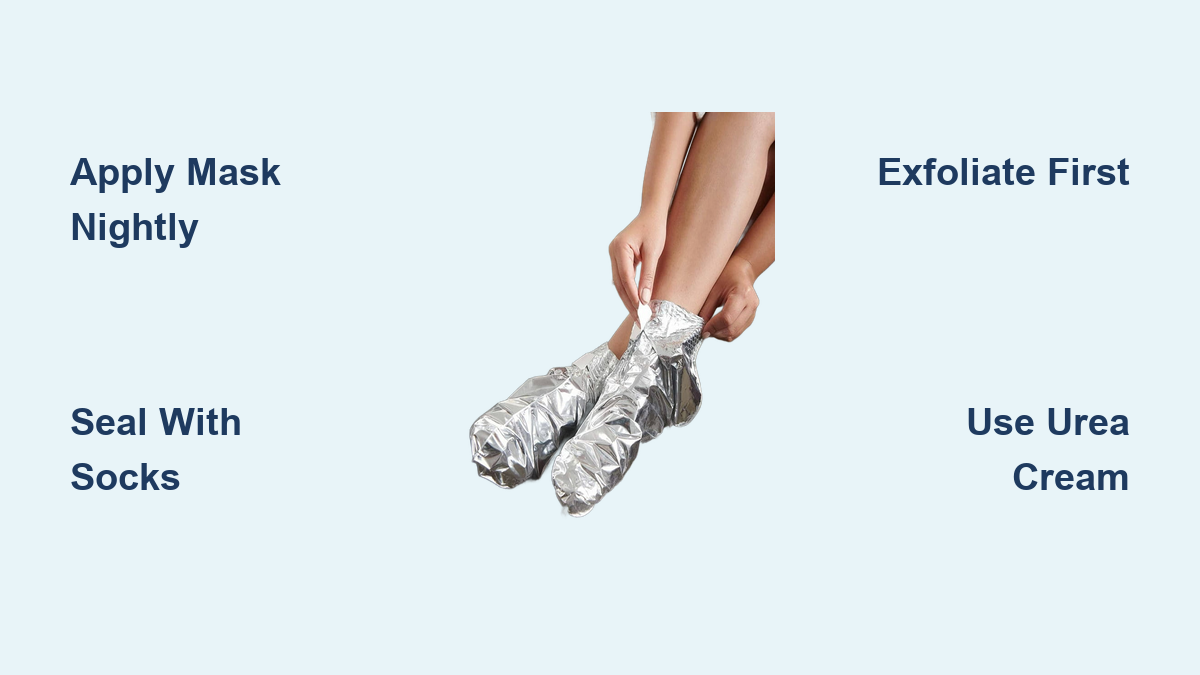
Lock in moisture with an occlusive layer. Petroleum jelly, thick balm, or ghee works best. This step prevents trans-epidermal water loss and keeps active ingredients in contact with the skin all night.
Wear Cotton Socks
Slip on clean cotton socks. They provide gentle occlusion while allowing breathability—unlike synthetic fabrics that trap sweat and promote fungal growth. For extra potency, wrap feet in plastic wrap before socks (especially with petroleum jelly).
Pro Tip: Use old socks or dedicate a pair to treatment—some masks may stain fabric.
Use Natural DIY Overnight Foot Masks
Homemade masks use kitchen staples to deliver hydration, nourishment, and mild exfoliation. They’re cost-effective, natural, and ideal for mild to moderate cracking.
Honey & Ghee Moisture Mask
Best for: Deep hydration and soothing tight fissures
Mix 1 tbsp raw honey with 1 tbsp warm ghee. Honey draws moisture into the skin, while ghee’s fatty acids deeply condition. Apply to clean feet, wear socks overnight, rinse in the morning.
Tip: Warm ghee slightly for better spreadability. Use 2–3 times weekly.
Aloe Vera & Coconut Oil Mask
Best for: Inflamed, stinging cracks
Combine 2 tbsp fresh aloe gel with 1 tbsp coconut oil. Aloe calms irritation; coconut oil penetrates deeply and forms a protective barrier. Massage in, wear socks, wash off next day.
Note: Coconut oil may solidify in cold rooms—warm between palms before use.
Banana & Olive Oil Softening Mask
Best for: Stiff, callused heels
Mash half a ripe banana with 1 tsp olive oil. Banana’s potassium and vitamins nourish; olive oil’s squalene repairs micro-cracks. Apply thickly, leave overnight with socks.
Warning: Can be messy—place a towel under feet.
Rice Flour, Milk & Honey Exfoliating Mask
Best for: Flaky, rough skin
Mix 2 tbsp rice flour, 1 tbsp warm milk, and 1 tsp honey. Rice flour buffs dead skin; milk’s lactic acid gently exfoliates; honey hydrates. Scrub gently for 1 minute, rinse, then apply a moisturizing balm and socks.
Avoid if cracks are open or bleeding.
Oatmeal & Olive Oil Soothing Mask
Best for: Itchy, sensitive skin
Blend 2 tbsp colloidal oatmeal with 5 drops olive oil. Oatmeal reduces redness and itching; olive oil conditions. Massage in, leave 30 minutes, rinse, then apply healing balm and socks.
Apply Advanced Commercial Treatments
For moderate to severe cracks, over-the-counter or clinical-grade products deliver faster, more targeted results.
Use Urea-Based Creams
Urea is a dermatologist-recommended ingredient that works as both a humectant and keratolytic—drawing in moisture and breaking down thick, dead skin.
- 10%–20% urea: Ideal for daily use and mild dryness
- 25%–40% urea: For deep fissures and calluses (available OTC or by prescription)
Apply nightly after cleansing. Massage into cracks. Wear cotton socks. May cause mild stinging on open fissures—avoid direct application to wounds.
Try Pheet Cracked Heel Balm
This clinically formulated balm combines urea and Manuka honey for powerful healing.
- Urea: Exfoliates and hydrates
- Manuka honey: Antibacterial, anti-inflammatory, promotes tissue repair
- Diabetic-safe, paraben-free, vegetarian
Apply twice daily. For overnight use: massage into heels, wear socks. Users report visible improvement in as little as one day.
Synergy tip: Use after a DIY mask for enhanced penetration.
Consider Heeling Soles Crème
A thick emollient cream reported to improve severe cracking with nightly use. Contains lanolin, shea butter, and conditioning oils.
- Apply after showering
- Wear cotton socks overnight
- Use consistently for 4–6 weeks for full results
Pair with weekly Epsom salt soaks and ankle exercises for better circulation.
Try Chemical Foot Peeling Masks
For years of built-up dead skin, a foot peeling mask offers a full reset.
How Peeling Masks Work
These booties contain AHAs (glycolic, lactic acid) and BHAs (salicylic acid) that dissolve the bonds between dead skin cells. Over 3–7 days, large sheets of skin peel off, revealing soft new skin underneath.
Apply Step-by-Step
- Soak feet 30 minutes to open pores
- Step into booties, secure with straps
- Wear 60+ minutes—do not rush
- Rinse, then wait 3–7 days for peeling to begin
- Soak daily during peeling phase to loosen skin
Never pull or force peeling skin—this can cause micro-tears or infection.
Safety First
Avoid if you have:
– Open wounds or deep fissures
– Diabetes or neuropathy (reduced sensation)
– Allergies to AHAs/BHAs
Patch test first. Repeat every 3–4 months.
Maximize Results with Layered Care
The fastest healing comes from combining multiple strategies into one powerful routine.
Follow the Gold Standard Routine
- Weekly soak: Warm milk + honey or Epsom salts
- Exfoliate: Pumice stone or foot file
- Apply mask or balm: DIY or commercial
- Seal: Petroleum jelly or thick cream
- Wear cotton socks overnight
“Soak → Scrub → Mask → Socks” = Optimal healing cycle
Maintain After Healing
- Healing phase: Nightly treatment (2–6 weeks)
- Maintenance phase: 2–3 times per week
- Continue wearing socks at night to preserve moisture
Prevent Cracked Heels Long-Term
Healing is only half the battle—prevention ensures cracks don’t return.
Choose Supportive Footwear
Avoid flip-flops and open-back shoes. Wear closed, cushioned shoes that support the heel and reduce friction. Use heel cups or gel inserts if needed.
Stay Hydrated and Nourished
Drink plenty of water daily. Eat foods rich in:
– Omega-3s (fatty fish, flaxseeds)
– Vitamins A, C, D, E (carrots, citrus, nuts, leafy greens)
These nutrients support skin elasticity and repair.
Improve Circulation
Perform simple ankle exercises:
– Rotate ankles clockwise and counterclockwise (10 reps each)
– Point and flex toes (15 reps)
– Do calf raises (10 reps)
Do these morning and night to boost blood flow to feet.
Adjust Shower Habits
Limit hot showers. Use lukewarm water and gentle soaps. Pat feet dry—don’t rub.
Know When to See a Doctor
Overnight masks work wonders—but not for everything.
Seek Medical Help If:
- Cracks are deep, bleeding, or painful
- Signs of infection (redness, swelling, pus)
- No improvement after 4–6 weeks of consistent care
- You have diabetes or poor circulation
Critical: People with diabetes should never self-treat deep fissures. Use only diabetic-safe products and consult a podiatrist.
Compare Top Overnight Treatments
| Treatment | Best For | Frequency | Results In | Pros | Cautions |
|---|---|---|---|---|---|
| Honey & Ghee | Dry, tight heels | 2–3x/week | 1–2 weeks | Natural, deeply conditioning | May stain sheets |
| Aloe & Coconut Oil | Inflamed skin | 2–3x/week | 1–3 weeks | Soothing, anti-redness | Solidifies when cold |
| Urea Cream (25–40%) | Deep cracks | Nightly | 3–7 days | Clinically proven, exfoliates | Stinging on open skin |
| Pheet Balm | All levels, diabetic-safe | 1–2x/day | 1 day (visible) | Fast-acting, multi-benefit | Higher cost |
| Foot Peel Mask | Built-up dead skin | Every 3–4 months | Peeling in 3–7 days | Full renewal | Not for open wounds |
Final Note: Treating cracked heels with overnight masks is a simple, effective, and affordable solution when done correctly. By understanding your skin’s needs, choosing the right mask, and following a consistent routine, you can transform rough, painful heels into soft, healthy feet—starting tonight.