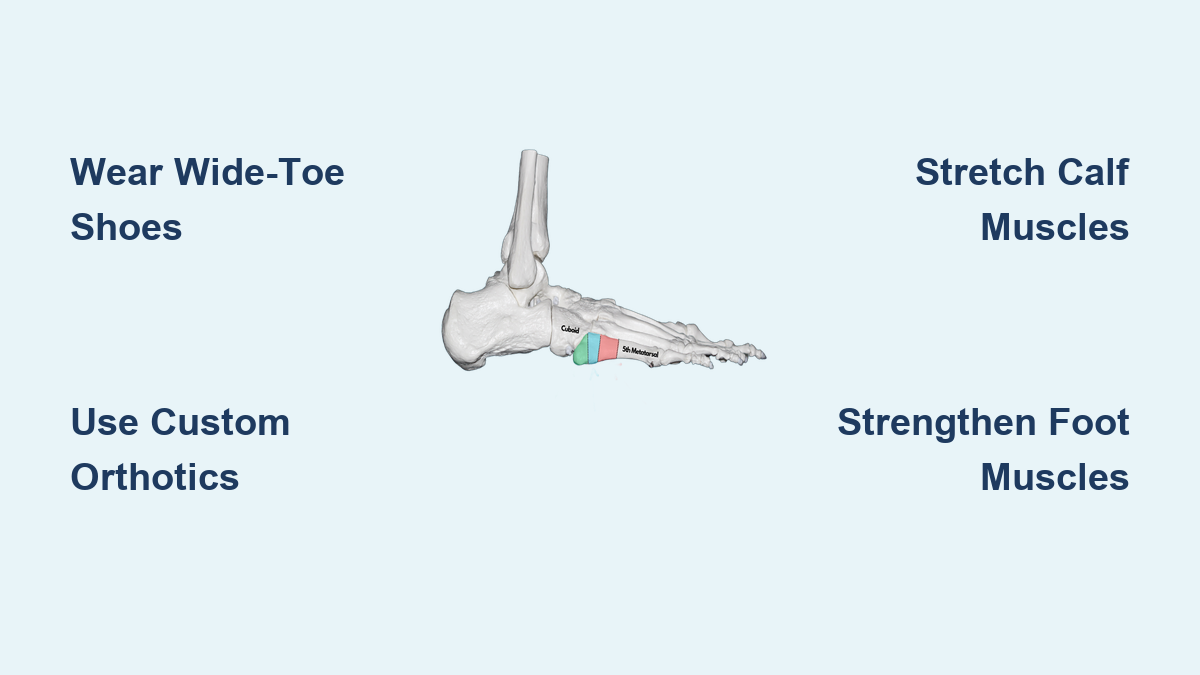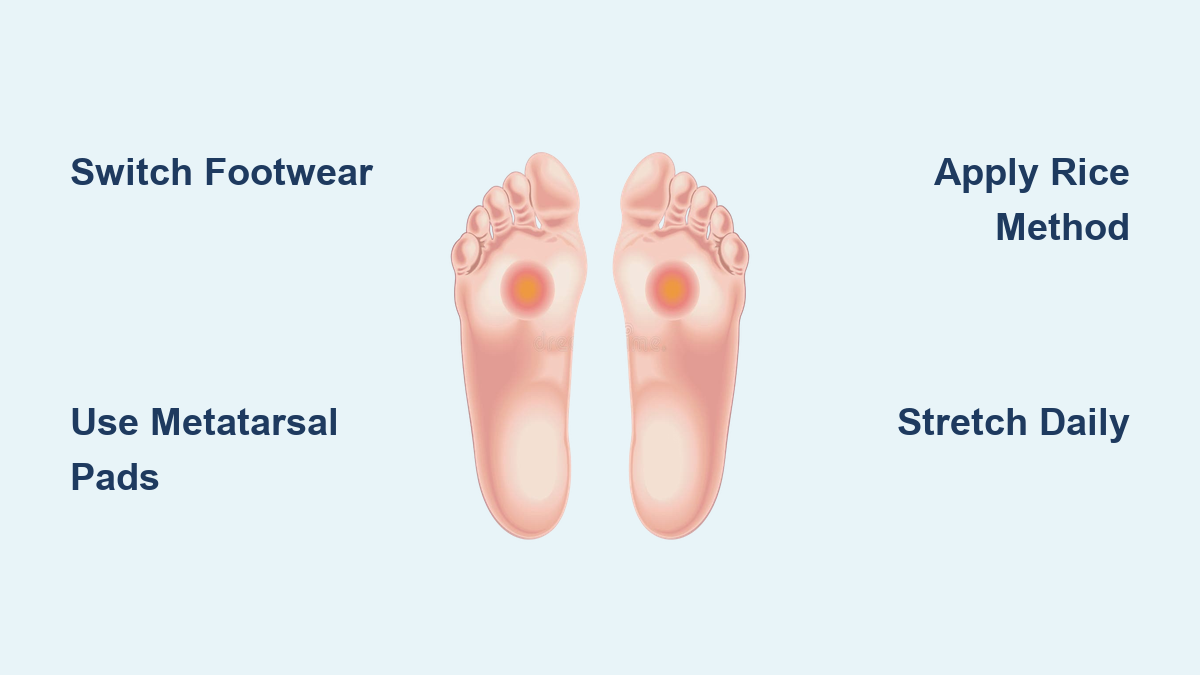
You slip on your favorite pair of stilettos, ready to crush your day—only to feel that familiar, stabbing pain under the ball of your foot within minutes. You’re not alone. Ball of foot pain in high heels is a widespread issue, affecting millions of women who love the look and confidence heels bring. The problem lies in biomechanics: high heels shift up to 75% of your body weight onto the front of your foot, overloading the metatarsal heads—the bones just behind your toes. This pressure leads to metatarsalgia, a condition marked by burning, throbbing, or the sensation of walking on a pebble. But pain doesn’t have to be the price of style. With the right combination of smart shoe choices, in-shoe support, daily foot exercises, and preventive habits, you can wear heels comfortably and confidently. This guide delivers science-backed, actionable steps to stop ball of foot pain—before it starts.
Choose Heels That Reduce Forefoot Pressure

The shoes you wear are your first defense against pain. Not all heels are created equal—some increase pressure, while others help distribute it more evenly. Making smarter footwear choices can dramatically reduce discomfort.
Pick Lower Heels (Under 3 Inches)
Heel height directly affects how much pressure your forefoot bears. Shoes with heels over 3 inches (7.5 cm) tilt your body forward, forcing excessive weight onto the ball of your foot. Opt for kitten heels or low block heels instead, which promote better balance and reduce strain.
- Ideal range: 1–3 inches
- Bonus: Lower heels improve posture, reduce calf fatigue, and make walking easier
- Avoid: Stilettos over 3.5 inches for extended wear
Pro Tip: Reserve sky-high heels for short events. Use lower heels for daily wear or long outings.
Wear Platform-Soled Heels
Platforms lift the front of the foot along with the heel, reducing the steep incline and decreasing pressure on the metatarsals.
- Look for ½ to 1-inch platform at the toe
- Maintains a more natural foot angle
- Especially effective for heels over 4 inches
A hidden platform can make a 5-inch heel feel like a 3-inch—without sacrificing style.
Choose Wider Toe Boxes and Thicker Heels
Tight, narrow shoes squeeze your toes together, increasing pressure and friction. Stilettos concentrate your entire weight on a tiny heel base, worsening discomfort.
- Avoid pointed or narrow toe boxes
- Opt for block, wedge, or chunky heels—they distribute weight over a larger surface
- Ensure shoes fit true to size—never squeeze into a smaller size
Warning: If your toes are cramped or your foot slips forward, the shoe is too tight or too long.
Pro Tip: Carry heels to work and change once you arrive. Limit walking in them to reduce cumulative stress.
Use In-Shoe Cushioning for Instant Relief

Even well-chosen heels can cause pain without proper internal support. Adding cushioning helps absorb impact and redistribute pressure—delivering instant comfort.
Apply Gel Ball of Foot Cushions
Gel pads create a soft barrier between your foot and the shoe’s hard interior, absorbing shock with every step.
- Product example: Dr. Scholl’s Love Your HEELS & WEDGES
- How to use:
1. Clean the shoe’s insole
2. Peel off backing
3. Place pad in the forefront with straight edge below toes, gel waves down - Lasts up to 6 months or until visibly worn
These cushions reduce direct pressure and provide shock absorption with every step.
Try Metatarsal Pads for Long-Term Support
Unlike gel cushions, metatarsal pads lift the metatarsal arch, relieving pressure from the heads.
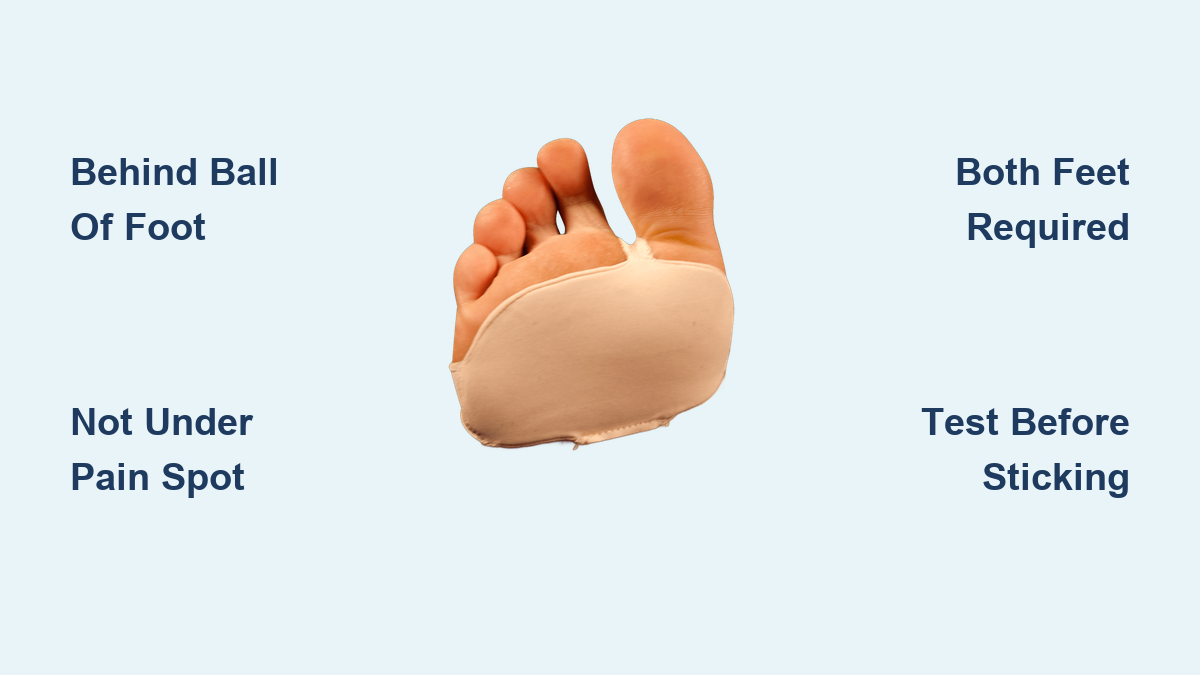
- Place the pad just behind the ball of the foot (not directly under it)
- Helps realign the metatarsals and prevent nerve compression
- Ideal for recurring or chronic pain
Think of it as a “sling” for your bones—lifting and supporting from below.
Use Full-Length Insoles with Arch Support
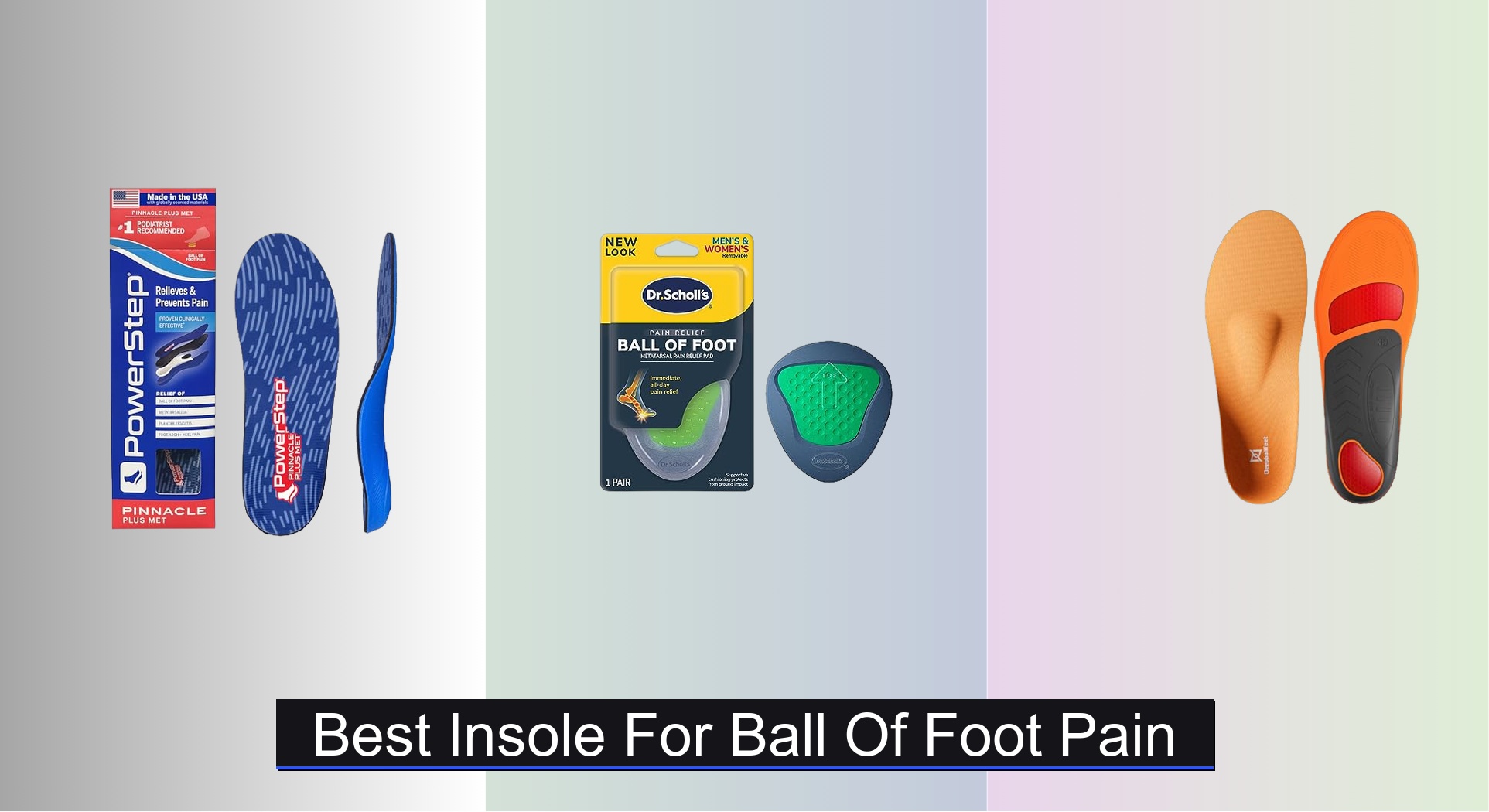
Flat factory insoles offer zero support. Full-length insoles correct foot alignment and reduce strain.
- Choose insoles with:
- Firm arch support
- Forefoot cushioning
- Heel cradle for stability
- Replace flat insoles immediately
If you have flat feet or high arches, proper insoles are non-negotiable.
Consider Shoe Gummies (Outer-Sole Pads)
Shoe Gummies are innovative pads that attach to the outside of the heel, subtly repositioning your foot backward.
- Reduces forward sliding in the shoe
- Decreases pressure on the ball of foot
- Improves shock absorption
- Reusable and discreet
These are the world’s first outer-sole pads—perfect for preserving shoe aesthetics while adding function.
Replace Worn-Out Soles Immediately

Even the best heels lose their protective qualities over time. Worn-down soles eliminate cushioning, transferring full impact to your feet.
Watch for These Warning Signs
- Smooth or uneven tread
- Flattened heel cap
- Hard, inflexible midsole
- Visible creasing in the forefoot area
If your shoes creak, wobble, or feel “dead,” they’re no longer protecting your feet.
Restore Cushioning and Traction
- Add rubber heel tips to prevent rapid wear
- Use sole protectors or replace soles entirely
- Rotate heels to extend lifespan and reduce repetitive strain
Walking in heels with dead soles is like running without sneakers—your feet absorb all the shock.
Perform Daily Foot Exercises for Lasting Relief
Exercises take less than 10 minutes a day but deliver powerful results by addressing the root causes: tight tissues, weak muscles, and misaligned bones.
Stretch Tight Tissues in 30 Seconds
Tight plantar fascia and calves pull on the forefoot, increasing pressure.
Seated Toe Stretch with Massage
- Sit, cross one foot over the opposite knee
- Gently pull toes and foot back toward shin
- Hold 15–20 seconds, repeat 3–5 times
- Use knuckles to massage sole from toes to heel
- Focus on the arch and ball of foot
Releases tension in the plantar fascia and intrinsic foot muscles.
Big Toe Stretch (Wall or Door Frame)
- Stand facing a wall, place big toe against frame, heel on floor
- Bend front knee slowly toward the wall
- Hold 5 seconds, repeat 10–15 times
- Progress deeper with each rep
Lengthens tight calf and foot tissues that contribute to forefoot strain.
Reset Misaligned Metatarsals
Dropped metatarsal heads are a common cause of localized pain.
Metatarsal Self-Mobilization (Top of Foot)
- Interlock fingers over the top of the foot
- Use thumbs below the toes to press into metatarsal heads
- Create a gentle arching motion—may feel a “pop” as bones reset
- Repeat across each toe joint
Metatarsal Reset with Thumb Pressure
- Cup the foot in one hand
- Use thumb pad to press down on each metatarsal bone
- Start below the big toe, press 2–3 seconds, release, move toward heel
- Linger on tight spots until tension releases
These techniques restore proper alignment and relieve nerve compression.
Break Up Fascial Adhesions with Massage
Scar-like tissue can form in the foot’s connective layers, restricting movement and causing pain.
Tennis Ball Foot Massage
- Sit with a soft tennis ball under your foot
- Rock foot forward/backward and side-to-side
- Target:
- Ball of foot
- Arch
- Heel
- Inner and outer edges
- Press into tender spots until tension eases
Increases blood flow, breaks up adhesions, and improves tissue elasticity.
Strengthen Weak Foot Muscles
Weak intrinsic muscles fail to support the arch and metatarsal structure.
Towel Scrunch for Arch Strength
- Place a towel on the floor, heel hanging off a bed or step
- Curl toes to grab and pull towel toward you
- Lift ball of foot while dragging
- Hold 5 seconds, repeat 5–10 times
- Advanced: Rotate foot inward/outward to engage weak sides
Tennis Ball Squeeze (Big Toes)
- Place a tennis ball between your big toes
- Press feet together to clamp the ball
- Lift balls of feet while keeping heels down
- Hold 5 seconds, repeat 5–10 times
- Advanced: Swing toes side to side during lift (like windshield wipers)
Builds strength in small foot muscles that stabilize the arch and reduce forefoot load.
Pro Tip: Do these exercises daily on both feet, even if only one hurts. Balance prevents future issues.
Modify Habits to Prevent Future Pain
Long-term foot health depends on smart daily choices—not just what you wear, but how you wear it.
Take Regular Breaks from Heels
- Remove heels every 1–2 hours during extended wear
- Walk barefoot or in supportive slippers to reset foot position
- Stretch toes and roll feet over a ball during breaks
Stretch Calf Muscles Daily
Tight calves pull on the Achilles tendon, forcing more weight forward.
- Perform standing calf stretches 2–3 times daily
- Hold each stretch 30 seconds per leg
- Keep back heel down and knee straight
Alternate Footwear Wisely
- Reserve high heels for special events or short durations
- Choose flats, sneakers, or low-heeled shoes for walking-intensive days
- Keep a pair of supportive shoes at work or in your bag
Your feet will thank you with less pain and better long-term health.
Know When to See a Podiatrist
Home care works for most cases—but persistent pain may signal a deeper issue.
Seek Professional Help If You Have:
- Pain that lasts more than 2 weeks despite self-care
- Numbness or tingling in toes (possible Morton’s neuroma)
- Visible deformities (bunions, hammertoes)
- Swelling or bruising (possible stress fracture)
What a Podiatrist Can Do:
- Prescribe custom orthotics tailored to your foot shape
- Diagnose nerve, bone, or soft tissue conditions
- Recommend physical therapy or corticosteroid injections
- Discuss surgical options for severe, chronic cases
Don’t wait until pain changes how you walk—early intervention prevents long-term damage.
Summary: 7 Key Steps to Stop Ball of Foot Pain
| Step | Action | Benefit |
|---|---|---|
| 1 | Choose heels under 3 inches with platform soles | Reduces forefoot pressure |
| 2 | Use gel cushions or metatarsal pads | Cushions and supports the ball of foot |
| 3 | Replace worn-out soles | Restores shock absorption |
| 4 | Perform daily foot exercises | Releases tension, strengthens muscles |
| 5 | Massage with a tennis ball | Breaks up adhesions, improves mobility |
| 6 | Stretch calves and big toes | Reduces strain on forefoot |
| 7 | Limit heel wear and alternate footwear | Prevents cumulative damage |
Final Note
Ball of foot pain in high heels is common—but never normal. You don’t have to choose between style and comfort. By selecting smarter shoes, adding targeted support, and committing to just 5–10 minutes of daily foot care, you can prevent pain, improve foot strength, and walk with confidence. The key is consistency: small habits today protect your feet for years to come. Start tonight with a tennis ball massage and a toe stretch—your feet will thank you tomorrow.