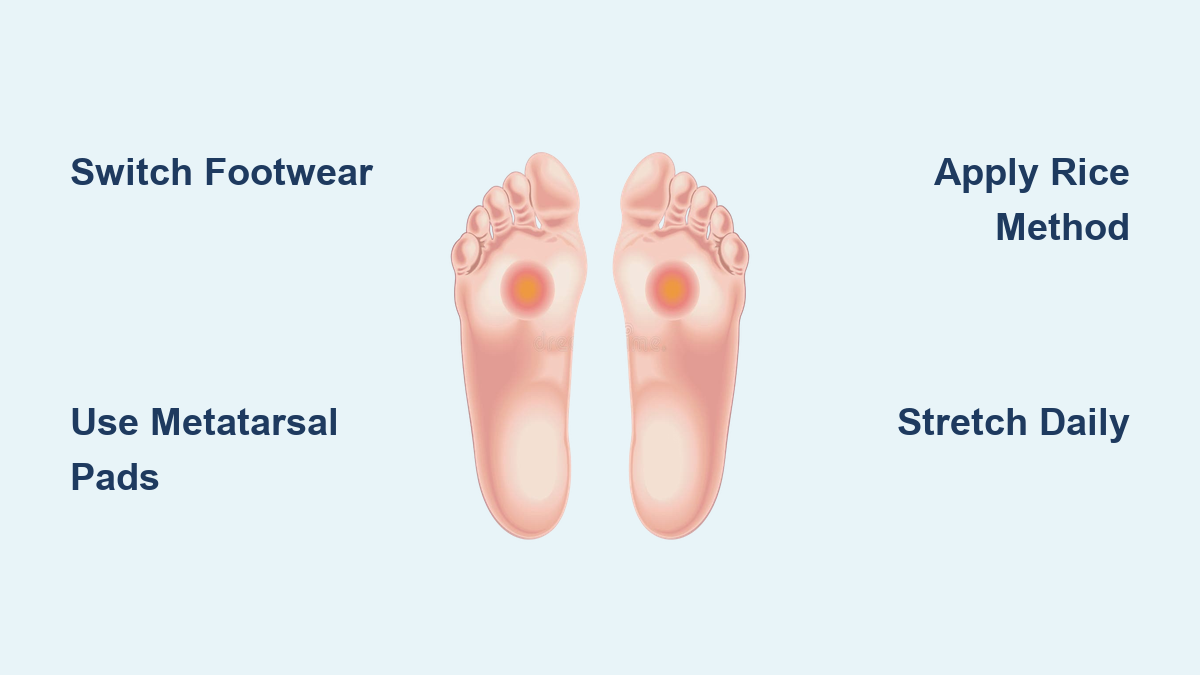
If you’re experiencing a sharp, burning ache under the ball of your foot—like you’re stepping on a pebble or marble—you’re likely dealing with metatarsalgia, a common condition caused by excessive pressure and inflammation in the metatarsal heads, the bones just behind your toes. This area absorbs tremendous force with every step, especially during walking, running, or standing for long periods. When overloaded, these bones and surrounding tissues become irritated, leading to pain that can disrupt daily life and even alter your gait.
The good news? Most cases of metatarsalgia respond well to conservative, at-home treatments. In this guide, you’ll learn exactly how to relieve metatarsalgia pain under the toe ball using proven strategies including footwear correction, targeted exercises, pressure-relief techniques, and smart self-care. You’ll also discover when to seek professional help and how to prevent the pain from returning—so you can walk comfortably again.
Identify Metatarsalgia Symptoms Early
Recognizing metatarsalgia early increases your chances of fast recovery. It’s more than just foot fatigue—it has distinct signs.
Pain That Worsens With Weight-Bearing Activities
The most telltale sign is sharp, aching, or burning pain under the ball of the foot, especially when walking, running, or standing on hard surfaces. Pain typically intensifies with activity and subsides with rest. Many people describe it as walking on a stone or marble, which usually indicates concentrated pressure on one or more metatarsal heads.
Numbness, Tingling, or Stinging in Toes
If you feel tingling, stinging, or numbness in your toes, nerve involvement such as Morton’s neuroma may be contributing. This doesn’t rule out metatarsalgia—in fact, the two often occur together due to compressed forefoot space from poor footwear or structural abnormalities.
Visible Calluses or Tender Hotspots
Check the sole of your foot for thickened skin or calluses under the ball of the foot. These are clear signs of chronic pressure. You might also notice localized swelling or warmth, especially after prolonged standing. Pressing directly on the painful area will likely reproduce the discomfort, helping confirm it’s metatarsal-related.
Switch to Supportive Footwear Immediately
Improper shoes are one of the leading causes of metatarsalgia. Making the right footwear change can bring noticeable relief in just days.
Choose Low-Heel, Wide-Toe-Box Shoes
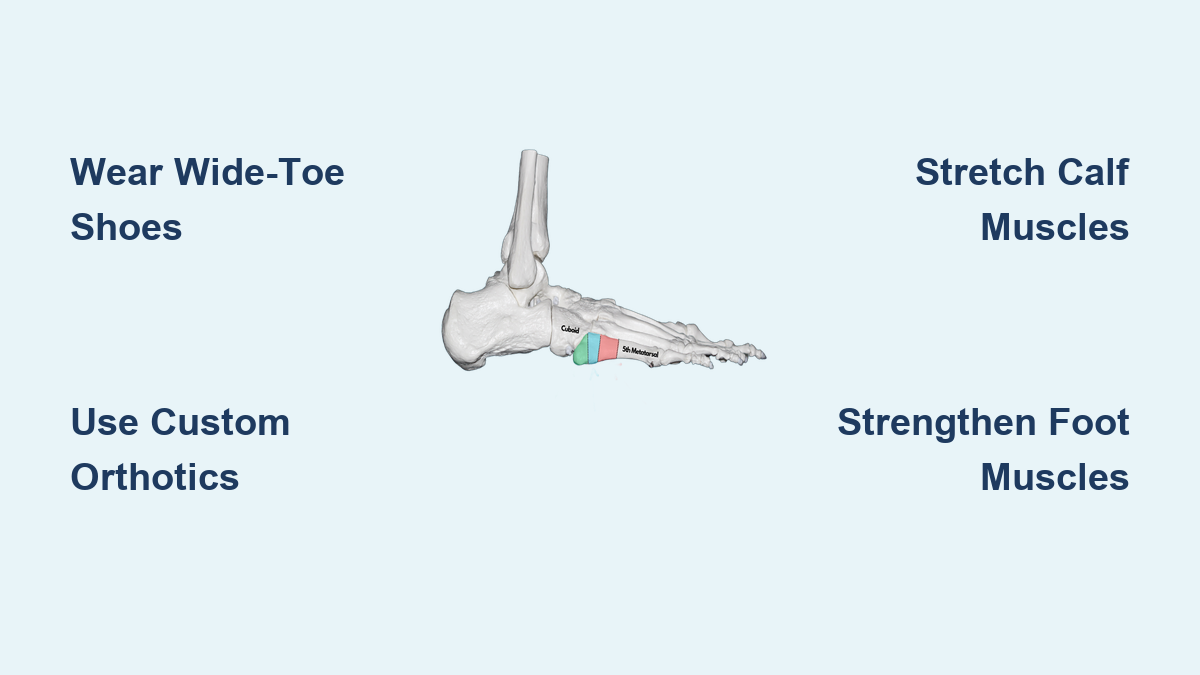
High heels shift up to 75% of your body weight forward onto the forefoot. Even modest heels over 1 inch significantly increase pressure on the metatarsal heads. Switch to flat or low-heeled shoes (under 2.5 cm) with a wide toe box that allows your toes to spread naturally. Avoid narrow, pointed, or tight shoes that squeeze the forefoot.
Prioritize Cushioning and Arch Support
Look for shoes with:
– Thick, shock-absorbing midsoles (e.g., Hoka, Brooks, New Balance)
– Firm heel counters for rearfoot stability
– Built-in arch support to balance foot mechanics
Athletic or walking shoes designed for overpronation or high arches are excellent choices—even for everyday wear. Replace worn-out shoes regularly; running shoes lose cushioning after 300–500 miles.
Never Walk Barefoot on Hard Floors
Going barefoot on tile, wood, or concrete removes natural shock absorption and increases forefoot impact. Always wear supportive slippers or house shoes indoors to protect your feet.
Use Metatarsal Pads and Orthotics to Offload Pressure

Reducing pressure on the metatarsal heads is one of the fastest ways to relieve pain.
Apply Metatarsal Pads Behind the Ball of the Foot
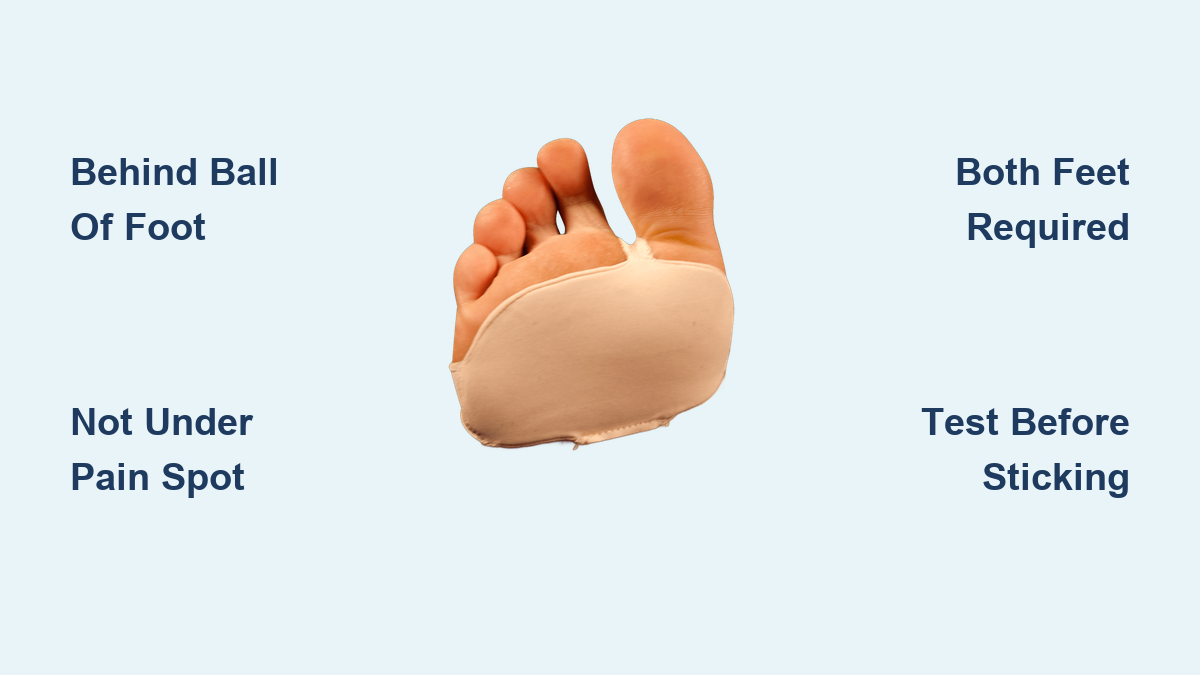
Place a metatarsal pad just behind the painful area, not directly under it. This lifts the metatarsal bones slightly, redistributing weight backward and reducing pressure. Adhesive pads or those built into orthotics work best. Incorrect placement—too far forward—can worsen symptoms.
Try OTC Insoles or Custom Orthotics
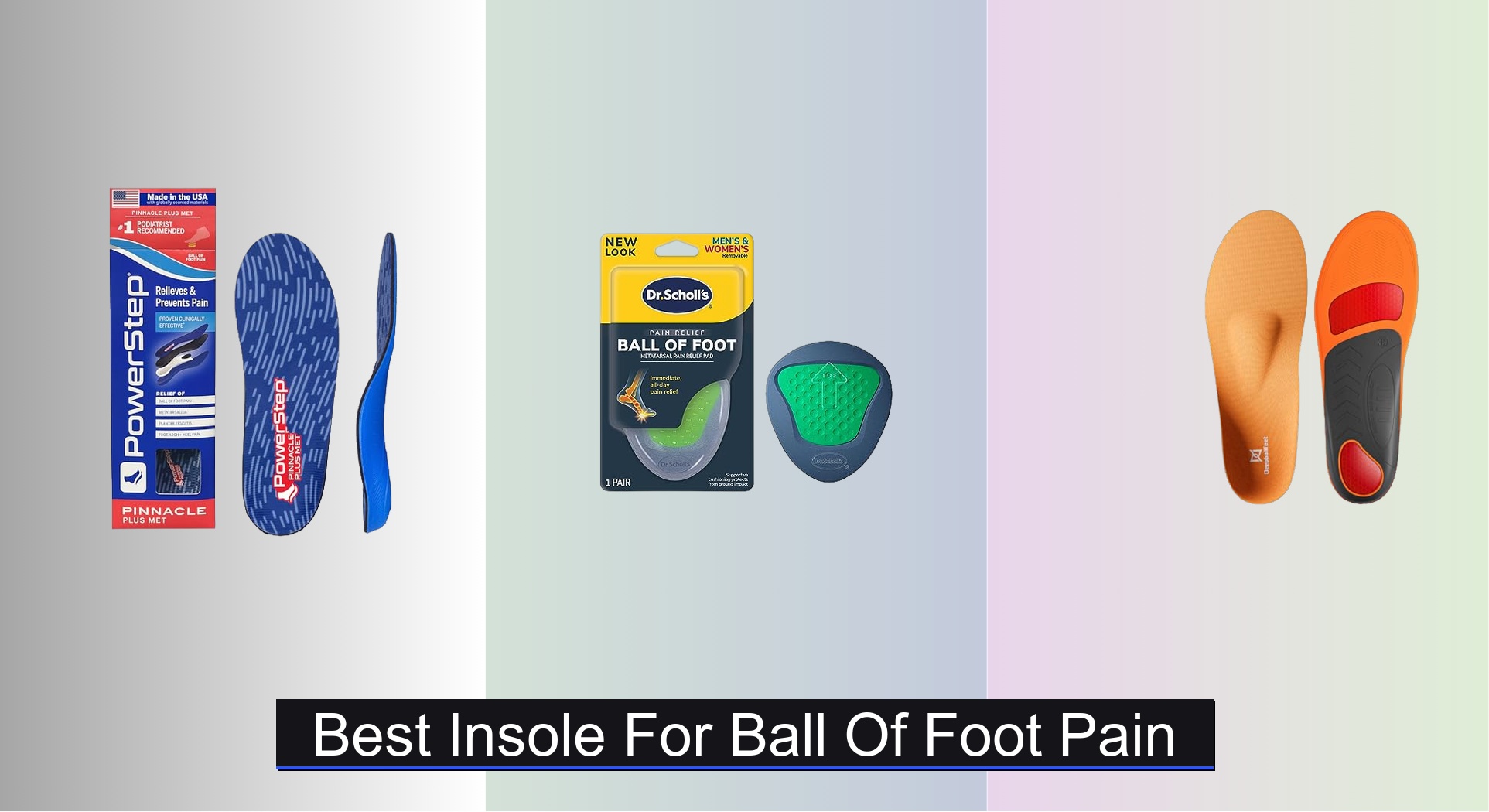
- Over-the-counter insoles (like PowerStep or Superfeet) with forefoot cushioning and arch support help many people.
- Custom orthotics, prescribed by a podiatrist, offer precise correction for structural issues like high arches, flat feet, or a long second toe.
Gel or silicone inserts can add padding but should support—not replace—proper arch mechanics.
Apply the RICE Method to Reduce Inflammation

This simple protocol helps reduce swelling and speed healing, especially during flare-ups.
Rest: Avoid High-Impact Activities
Stop running, jumping, or prolonged standing. Switch to low-impact exercises like swimming, cycling, or using an elliptical. Even reducing time on your feet gives inflamed tissues a chance to heal.
Ice: Target the Top of the Foot
Apply ice packs for 10–15 minutes, 2–3 times daily—but place them on the top of the foot, not the sole. The thinner tissue here allows deeper cooling of the inflamed metatarsal heads.
Compression: Wear Supportive Socks
If swelling is present, wear light compression or supportive socks to reduce inflammation. Avoid tight wraps that restrict blood flow.
Elevation: Raise Your Foot Above Heart Level
When resting, elevate your foot to reduce swelling and improve circulation.
Perform Daily Foot Stretches to Release Tension
Tight calves and plantar fascia pull on the forefoot, increasing pressure. Stretching restores balance.
Stretch the Plantar Fascia and Toes
Sit with one leg crossed over the other. Use your hand to gently pull your toes upward into dorsiflexion while lifting the ankle. Hold 30–60 seconds, repeat 3–5 times daily. This eases tension in the plantar fascia and deep foot muscles.
Loosen Tight Calves
Tight calf muscles force more weight onto the forefoot.
- Gastrocnemius stretch: Stand facing a wall, back leg straight, heel down.
- Soleus stretch: Same position, but bend the back knee.
Hold each stretch for 30 seconds, repeat 3–5 times daily.
Use a Towel for Seated Stretching
Sit with a straight leg. Loop a towel around the ball of your foot and gently pull your toes toward you. This combines calf and plantar fascia stretching—perfect for morning stiffness.
Strengthen Intrinsic Foot Muscles for Long-Term Support
Weak foot muscles fail to stabilize the arch and distribute load. Strengthening them prevents future pain.
Do Towel Scrunches
Place a small towel on the floor. Use your toes to scrunch it toward you. Perform 10–15 reps per foot, 1–2 times daily. This activates small muscles under the foot that control the arch.
Pick Up Marbles With Your Toes
Scatter marbles on the floor and pick them up one by one using only your toes. Place them in a cup. This improves toe strength and coordination, essential for normal push-off during walking.
Try Resistance Band Abductions
Sit with legs extended. Loop a resistance band around both feet. Press your feet outward against the band. Do 2 sets of 15 reps to strengthen lateral foot muscles and improve stability.
Release Tension With Ball Mobilization
Adhesions and tightness in foot tissues contribute to pain. Daily release keeps them mobile.
Roll a Tennis or Lacrosse Ball Under Your Foot
Stand or sit and roll a tennis ball, lacrosse ball, or pinky ball under your foot from heel to ball. Focus on tender spots, but keep pain below 3/10. Spend 1–2 minutes per foot, 3–5 times daily. This breaks up fascial restrictions and boosts blood flow.
Mobilize the Top of the Foot
Use your thumb to press firmly along the top of the foot, from toes to ankle. This releases tight dorsal ligaments that can restrict joint motion and contribute to forefoot jamming.
Self-Mobilize Dropped Metatarsals
Place your hands over the foot, thumbs under the ball. Gently press upward to lift the metatarsal heads and create an arch. You may hear a pop—a sign of joint realignment. Move along each metatarsal for full coverage.
See a Podiatrist If Pain Persists Beyond Two Weeks
If home care doesn’t help, professional evaluation is crucial.
Rule Out Serious Conditions
Persistent pain may stem from Morton’s neuroma, stress fractures, arthritis, or gout. A podiatrist can:
– Perform gait analysis
– Order X-rays or MRI to detect fractures or soft tissue damage
– Run blood tests for inflammatory conditions
Consider Corticosteroid Injections
For severe inflammation, a corticosteroid injection can provide rapid relief. Administered by a specialist, it reduces swelling—but should be used sparingly due to risks like tissue thinning.
Use a Walking Boot for Severe Cases
If a stress fracture or plantar plate tear is suspected, a walking boot or cast may be needed for 4–6 weeks to immobilize and heal the area.
Know When Surgery Is Necessary
Surgery is rare but an option for structural issues unresponsive to conservative care.
Metatarsal Osteotomy for Long or Dropped Bones
If one metatarsal is longer or lower, it bears excess load. An osteotomy—cutting and repositioning the bone—can realign it and restore even pressure.
Correct Hammertoes or Bunions
Deformities like bunions or hammertoes shift weight abnormally. Surgery to correct them can resolve secondary metatarsalgia.
Remove a Neuroma
If Morton’s neuroma doesn’t respond to padding or injections, surgical removal may be considered.
Recovery typically takes 6–12 weeks, including physical therapy.
Prevent Recurrence With Smart Daily Habits
Once pain fades, prevention ensures long-term foot health.
Maintain a Healthy Weight
Every extra pound increases forefoot pressure. Weight management is a critical preventive step.
Replace Worn-Out Shoes Regularly
Running shoes lose cushioning after 300–500 miles. Even casual shoes should be replaced every 6–12 months.
Warm Up Before Activity
Always stretch calves and feet before walking or running. Gradually increase intensity.
Continue Exercises Daily
Even after recovery, keep doing towel scrunches, calf stretches, and ball rolling. Strong, flexible feet resist future injury.
Metatarsalgia pain under the ball of the foot is common, treatable, and often preventable. The fastest relief comes from correcting footwear, using metatarsal pads, and performing targeted stretches and strengthening exercises. Combine these with rest, ice, and offloading techniques for best results. If pain persists beyond two weeks or worsens, see a podiatrist to rule out serious conditions. With consistent care, most people recover fully—returning to pain-free walking, standing, and activity. Start today: your feet carry you every step of the way.