Cold feet in winter boots are more than just an annoyance—they’re a sign that something in your cold-weather system is failing. You might be wearing thick socks and high-tech insulated boots, but if your toes are still freezing, the problem isn’t just the temperature. The real culprits? Moisture, poor circulation, and improper fit. Even the most expensive winter boots can’t compensate for damp socks or restricted blood flow.
Here’s the hard truth: dry feet stay warm; wet feet don’t. Water conducts heat away from your body 25 times faster than air, so even a small amount of sweat trapped inside your boot can turn your feet into ice blocks. Combine that with tight footwear that cuts off circulation, and you’ve got a perfect storm for cold toes—no matter how warm your gear claims to be.
The solution isn’t one magic product. It’s a complete system—from the right socks and boots to smart habits and proactive moisture control. This guide breaks down exactly how to keep your feet warm in winter boots, using field-tested strategies, expert insights, and science-backed principles.
Choose Breathable, Waterproof Boots That Fit Right

Your boots are the foundation of foot warmth, but not all winter boots are created equal. The best ones don’t just block snow—they let sweat escape.
Pick GORE-TEX, eVent, or Outdry for Breathable Waterproofing
Waterproofing alone isn’t enough. If your boots don’t breathe, sweat builds up inside, turning your socks damp and your feet cold. Look for boots with GORE-TEX, eVent, or Outdry membranes, which block external moisture while allowing internal vapor (sweat) to escape.
Avoid non-breathable rubber or PVC boots unless you’re standing still all day. These trap moisture, creating a swampy environment that chills your feet fast—even in subzero temperatures.
Match Insulation to Your Activity Level
More insulation doesn’t mean warmer feet. In fact, over-insulating during activity leads to overheating and sweating, which backfires when you stop moving. Damp socks lose insulation rapidly, leaving you colder than if you’d worn lighter boots.
- For hiking, shoveling, or brisk walking: Choose low- to mid-insulated boots (200g Thinsulate or unlined breathable models).
- For standing still (fishing, tailgating, hunting): Go for 400g–800g insulation or felt-lined boots.
Remember: insulation works by trapping warm air, but only when dry. Wet insulation loses up to 90% of its effectiveness.
Size Up for Proper Fit and Circulation
Tight boots are enemy number one for warm feet. They compress insulation and restrict blood flow—two fast tracks to cold toes. Winter boots should be one to two sizes larger than your regular shoes to accommodate thick socks and allow toe wiggling.
Always try boots on with the socks you plan to wear. Your heel should stay put, but your toes should have room to move. If you can’t wiggle them, the boot is too tight.
Use Gaiters to Block Snow Ingress
Even the best boots can let snow pour in from the top. Gaiters seal the gap between your pants and boots, keeping snow out during hikes, backcountry trips, or deep snow walks. Use them whenever you’re stepping into powder or slush.
Wear the Right Socks—Not Just Thick Ones

Socks are your first line of defense. The wrong pair can ruin even the warmest boots.
Never Wear Cotton Socks in Winter
Cotton is the worst fabric for cold weather. It absorbs moisture and holds it against your skin, losing all insulating power when wet. Avoid cotton at all costs—no cotton-blend socks, no “thermal” cotton liners. They’ll make your feet colder, not warmer.
Choose Merino Wool or Synthetic Socks
Merino wool is the gold standard:
– Wicks moisture away from skin.
– Retains warmth even when damp.
– Resists odor and won’t itch.
Top brands: Darn Tough, Smartwool, Icebreaker.
Synthetic socks (polyester/nylon blends) also wick well and dry fast—ideal for high-output activities like snowshoeing or skiing.
Use a Two-Layer Sock System for Maximum Warmth
For serious cold, wear two pairs of socks:
– Thin liner sock (synthetic or lightweight merino): Pulls sweat from your skin.
– Thicker outer sock (mid-weight merino): Adds insulation.
This combo keeps your outer sock dry and reduces blister risk. Just make sure the total thickness doesn’t compress your boot’s insulation.
Avoid Overly Thick Socks That Crush Circulation
Bulky socks in tight boots squeeze blood vessels, reducing circulation. Choose sock thickness that allows a snug but not tight fit—room to wiggle your toes is non-negotiable.
Stop Moisture Before It Starts
Moisture is the #1 cause of cold feet. Manage it before it ruins your day.
Don’t Put on Insulated Boots Too Early
If you’re driving to a trailhead or event, wear light indoor shoes until you arrive. Putting on insulated boots too soon traps heat and causes pre-sweating—starting your outing with damp socks.
Change Socks During Breaks
Carry at least one spare pair of dry wool socks. Change into them during lunch, after hiking, or when switching from active to static modes. Store used socks inside your jacket to dry slowly.
Try Vapor Barrier Liners in Extreme Cold
In subzero or wet conditions, vapor barrier liners (VBLs) can be a game-changer. These thin plastic or coated socks go next to your skin and trap sweat before it reaches your outer sock.
- Outer sock stays dry and retains insulation.
- Warm microclimate forms against your skin.
Best for expeditions, winter camping, or multi-day outings where drying gear isn’t possible. Feet may feel damp, but they’ll stay warm.
Boost Blood Flow to Your Feet

Insulation means nothing if blood isn’t flowing. Cold feet often mean poor circulation.
Warm Your Core First
Your body protects vital organs by pulling blood from your extremities when your core is cold. Even with warm boots, icy hands and feet mean your torso is under-layered.
Wear a full winter layering system:
– Base layer: Moisture-wicking (merino or synthetic).
– Mid layer: Fleece or down for insulation.
– Outer shell: Windproof and waterproof.
Adjust layers to avoid sweating—overheating leads to chills later.
Stay Active and Move Your Feet
Avoid standing still. Wiggle your toes, shift weight, or do calf raises every few minutes. Movement keeps blood flowing and generates heat.
Even small motions help during football games, hunting, or waiting for the bus.
Choose Foot-Shaped, Flexible Boots
Traditional boots with narrow toe boxes restrict natural foot movement. When toes can’t spread, 29 muscles go dormant, reducing circulation.
Barefoot-style or foot-shaped boots with wide toe boxes and flexible soles let your feet work naturally. This boosts blood flow and heat generation—feet literally warm themselves.
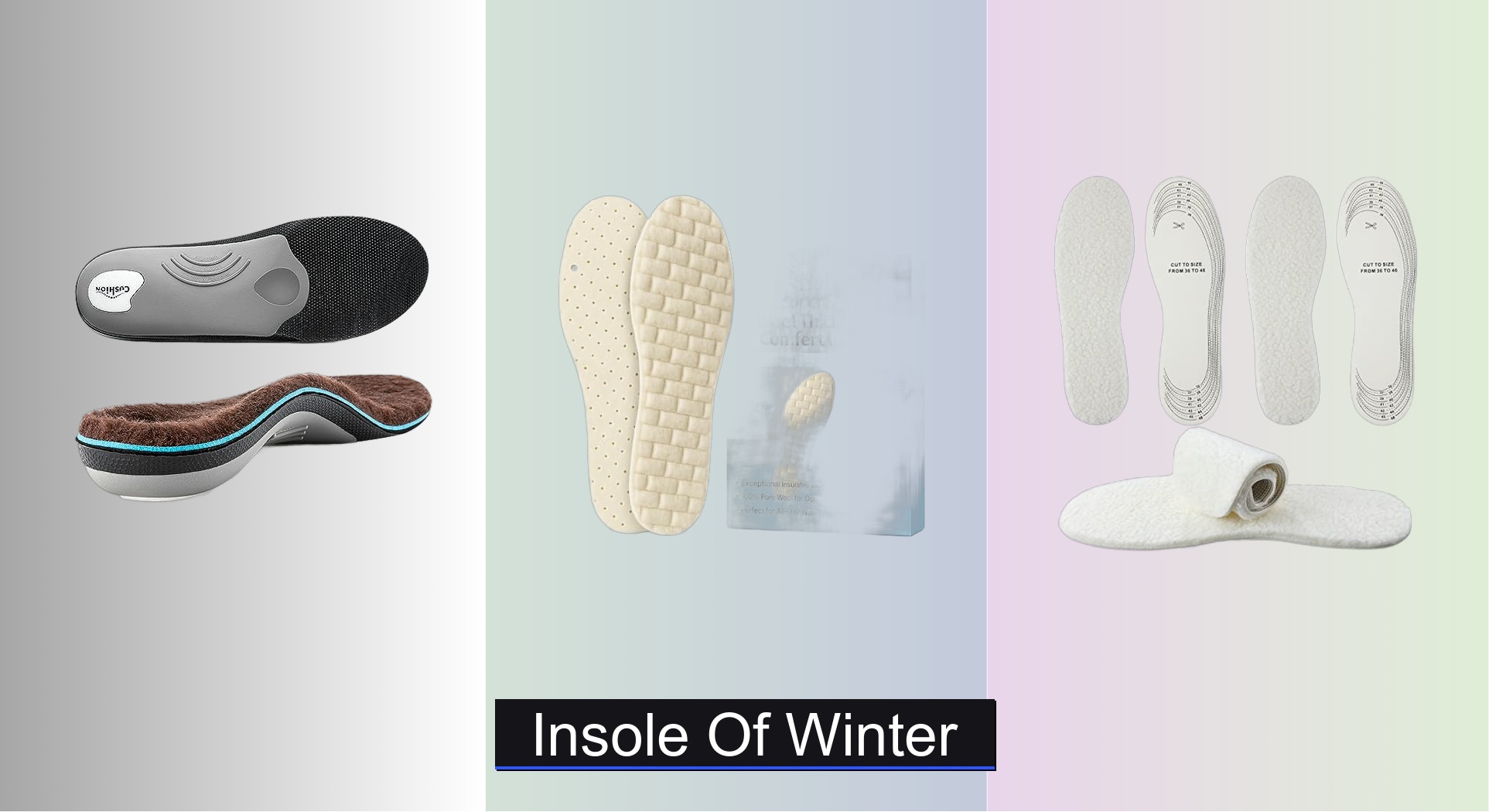
Pair with insulated insoles for extra warmth in extreme cold.
Pre-Warm Feet Before Going Out
Start with warm feet. Take a hot shower, foot soak, or spend time in a warm room before heading out. This boosts initial circulation and delays cooling.
Avoid overheating, which triggers sweating—counterproductive in insulated boots.
Use Heat-Boosting Accessories When Needed
When conditions are harsh, add supplemental heat.
Install Heated Insoles
Rechargeable heated insoles deliver consistent warmth for 5–10 hours. They’re ideal for:
– Long commutes.
– Outdoor work.
– Medical conditions (Raynaud’s, poor circulation).
Choose models with:
– Even heat distribution.
– Thin profile (fits in most boots).
– Adjustable heat settings.
Use Chemical Toe Warmers
Air-activated hand/toe warmers last 6–10 hours. Place them on top of your toes, not directly on skin, to avoid burns.
Tip: Positioning them on top allows better airflow, extending activation time. Reusable versions (sodium acetate) can be boiled and reset.
“Tuck a reusable hand warmer into your boot near the toes. Lightweight, compact, and effective.”
— Outdoor Guide
Add Insulated Insoles or Liners
Replace stock insoles with fleece-lined, down-filled, or synthetic thermal inserts. These add an extra layer of warmth without bulk.
Some boots (like pack boots) have removable wool liners—great for drying and rotating.
Maintain Your Boots Properly
Well-maintained boots perform better and last longer.
Waterproof Boots Regularly
Even “waterproof” boots degrade over time. Reapply waterproofing every few months or after heavy use.
Use:
– SnoSeal (for leather—adds moisture resistance without sacrificing breathability).
– Mink oil (conditions and waterproofs).
– Silicone sprays (for fabric uppers).
Note: Some treatments reduce breathability, but the thermal protection outweighs the trade-off in wet conditions.
Dry Boots the Right Way
Never dry boots on a radiator, heater, or with a hairdryer. Heat damages glue, leather, and waterproof membranes.
Instead:
– Remove insoles.
– Stuff with dry newspaper (replace after 1–2 hours if soaked).
– Place in a warm, ventilated room overnight.
– Allow 24+ hours for full drying.
Wet boots lose insulation and promote bacterial growth—dry them completely before reuse.
Avoid Common Cold Foot Traps
Even experienced outdoorspeople make these mistakes.
Don’t Over-Insulate for Active Use
Hiking in 800g insulated boots? You’ll sweat, dampen your socks, and end up colder. Match insulation to your activity level.
Never Wear Tight Boots
Snug is good—tight is deadly for warmth. Pressure reduces blood flow and compresses insulation, making boots less effective.
Don’t Rely Only on Boot Tech
High-tech boots fail if you ignore moisture and fit. Simpler boots with smart sock changes and proper care often outperform expensive models in real-world use.
“You sweat, you die.”
— Survival experts Morris Kohanski and Les Stroud
Don’t Ignore Your Core
Cold torso = cold feet. If your chest feels chilly, your body is shutting down circulation to your extremities. Layer up and protect your core.
Final Note: Warm feet aren’t about one magic product—they’re about a complete system. Combine breathable boots, moisture-wicking socks, proper fit, circulation support, and proactive drying. Tailor your approach to your activity: active vs. stationary, dry vs. wet snow, short vs. long duration.
Listen to your feet. Cold toes are a warning. Change socks, boost circulation, or add heat before numbness sets in.
With these expert-backed strategies, you can conquer winter—feet warm, dry, and ready for anything.