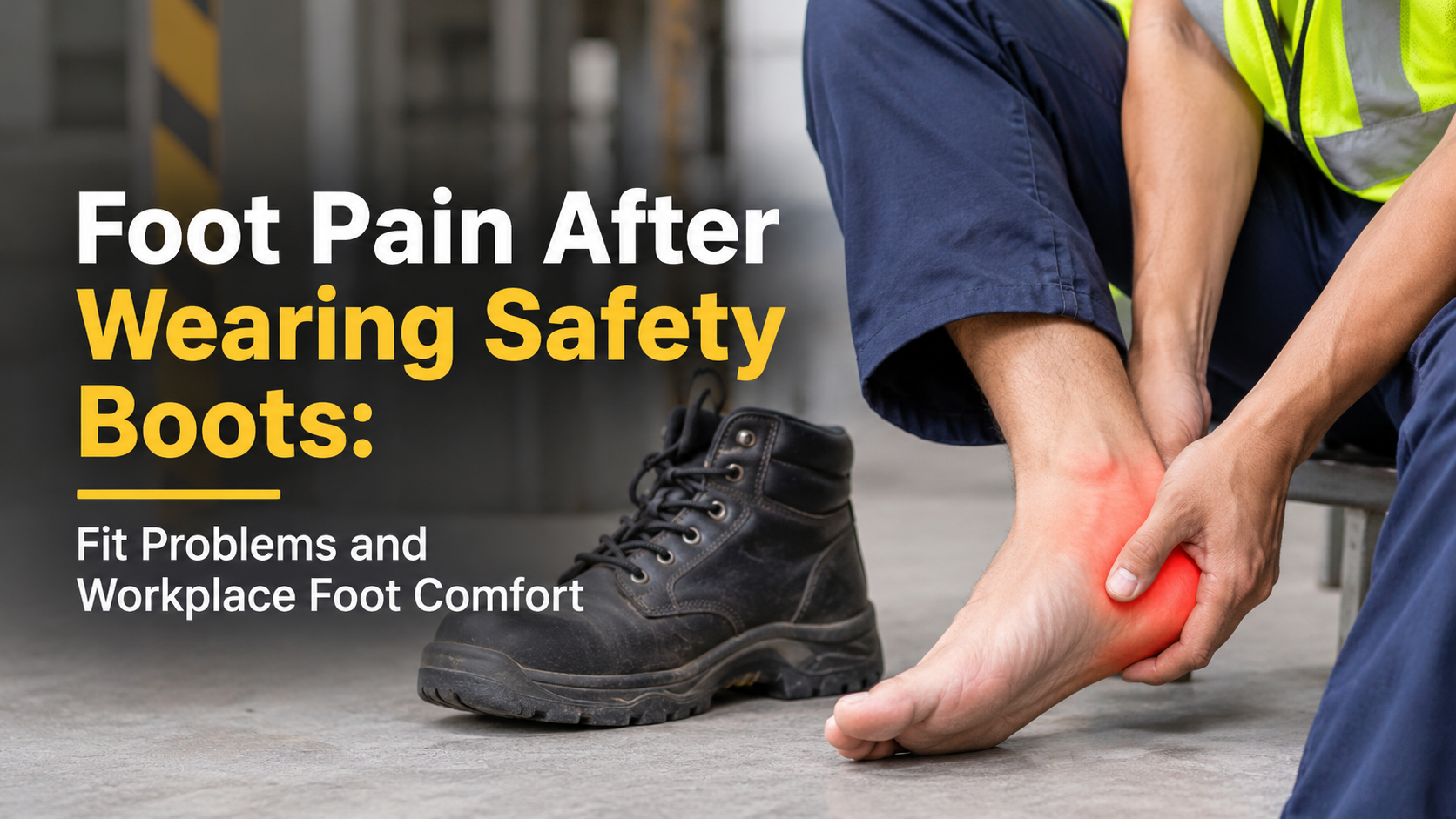
You pull your safety boots off at the end of a long shift and your feet are throbbing. Maybe it is a burning ball of foot, a stabbing heel, crushed toes, or just a deep ache that follows you home. If that sounds familiar, you are far from alone. Foot pain after wearing safety boots is one of the most common complaints among construction workers, warehouse staff, factory workers, electricians, mechanics and anyone else who spends a full day in protective footwear.
The good news is that most of this pain has a clear cause, and most causes can be fixed. In this guide you will learn why safety boots hurt, how to match your symptoms to the likely cause, what you can do tonight to find relief, and how to choose, fit and break in boots so the problem does not come back. You will also learn which warning signs mean it is time to see a professional.
Quick answer
- Most boot-related foot pain comes from poor fit, a stiff or narrow toe box, weak arch support, long hours on hard surfaces, and unsuitable socks.
- Short term, rest, elevate and gently stretch your feet, change to dry cushioned socks, and rotate your boots.
- Long term, choose the right size and width, add a supportive insole, break boots in gradually, and look after your feet daily.
- Pain that lasts more than two weeks, or comes with numbness, swelling or open sores, deserves a professional check.
Why Safety Boots Cause Foot Pain
Safety boots protect you from falling objects, compression, punctures, slips and electrical hazards. That protection comes with design trade-offs that ordinary shoes do not have.
- A rigid toe cap. Steel, alloy and composite toe caps do not flex or stretch. If the toe box is too short, too low or too narrow, your toes have nowhere to go.
- Stiff soles and uppers. Many work boots use thick leather and firm midsoles that resist bending. Your foot has to work harder to roll through each step until the boot softens.
- Extra weight. Safety boots are usually heavier than regular shoes. Over thousands of steps, that extra weight adds up to more fatigue in your feet, shins and calves.
- Hard working surfaces. Concrete, steel decking and tile do not absorb shock. Your feet and the boot cushioning take all of it.
- Long hours. Eight to twelve hours in the same boots, often with little chance to sit, gives minor fit problems time to become real pain.
Because of these trade-offs, a boot that is only slightly wrong for your foot can feel fine in the store and miserable by the third hour of your shift.

Where It Hurts and What It Usually Means
The location of your pain is a useful clue. The table below matches common symptoms with their likely causes. It is a general guide, not a diagnosis.
| Where it hurts | What it feels like | Common boot-related causes |
|---|---|---|
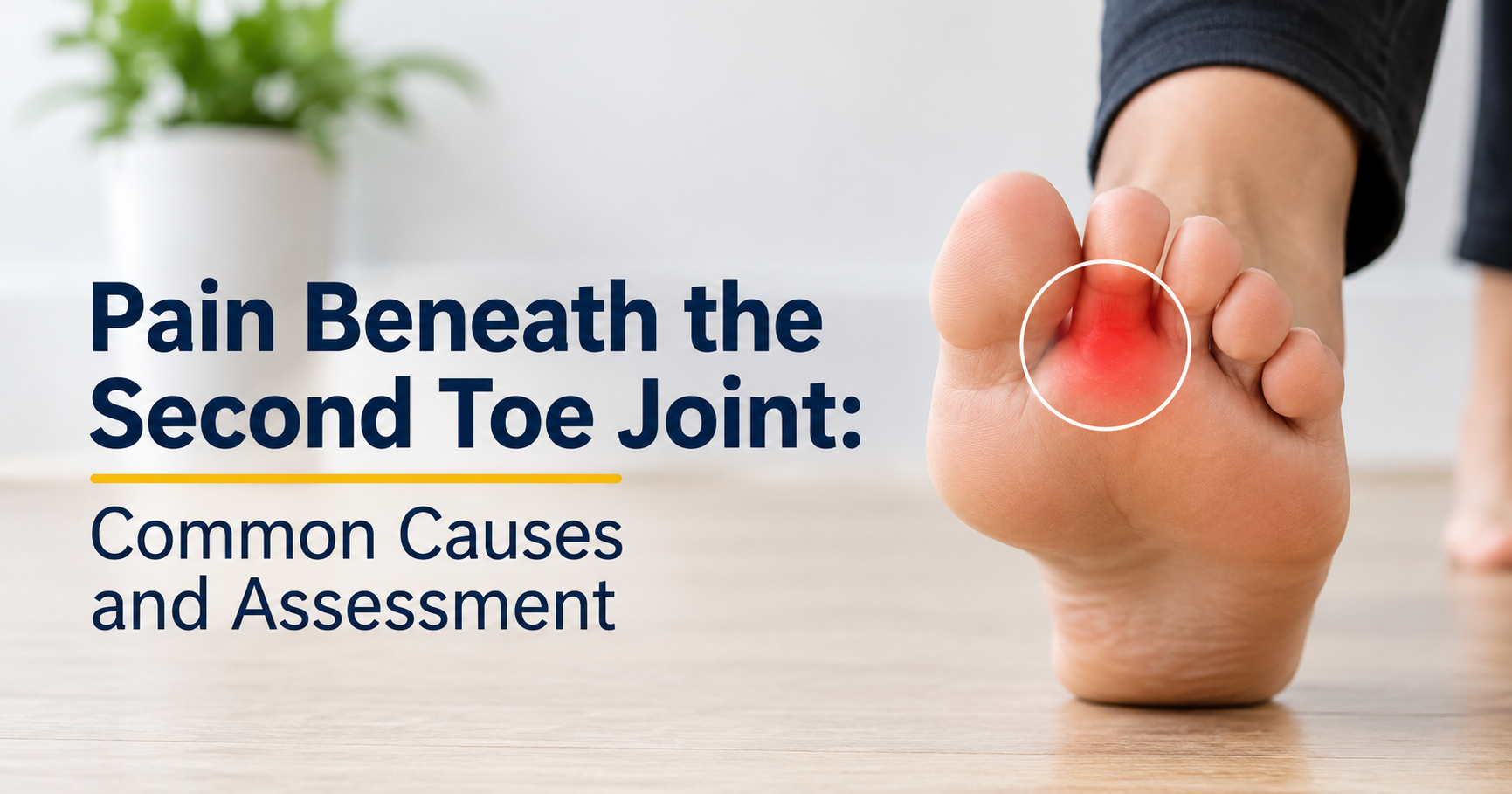
| Toes | Pinching, numbness, tingling, bruised or darkened nails | Toe box too short or narrow, toes hitting the cap, boot too loose so the foot slides forward |
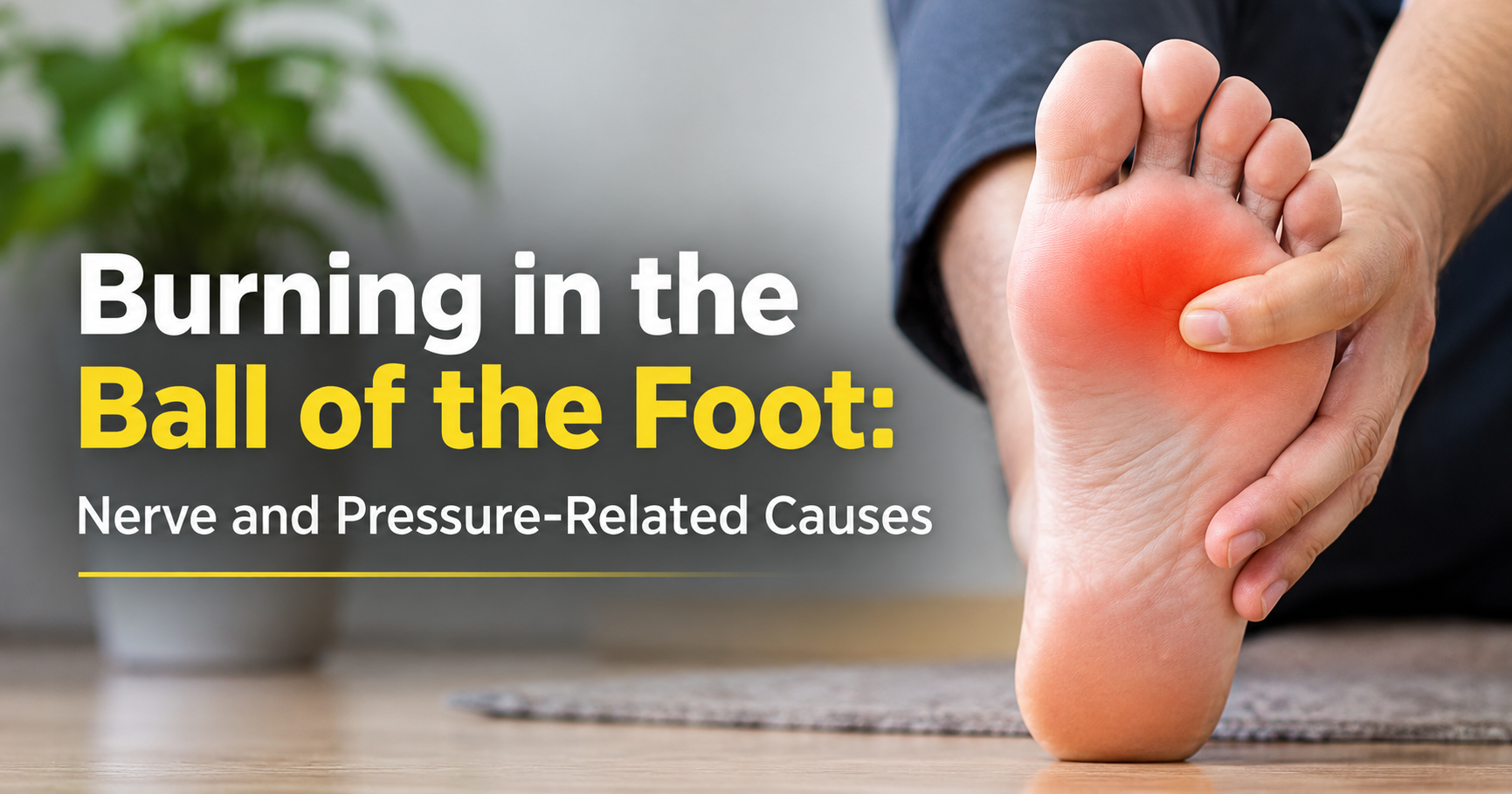
| Ball of foot | Burning, sharp pain, feeling like a pebble under the foot | Narrow forefoot, thin cushioning, stiff sole, long hours on hard floors |
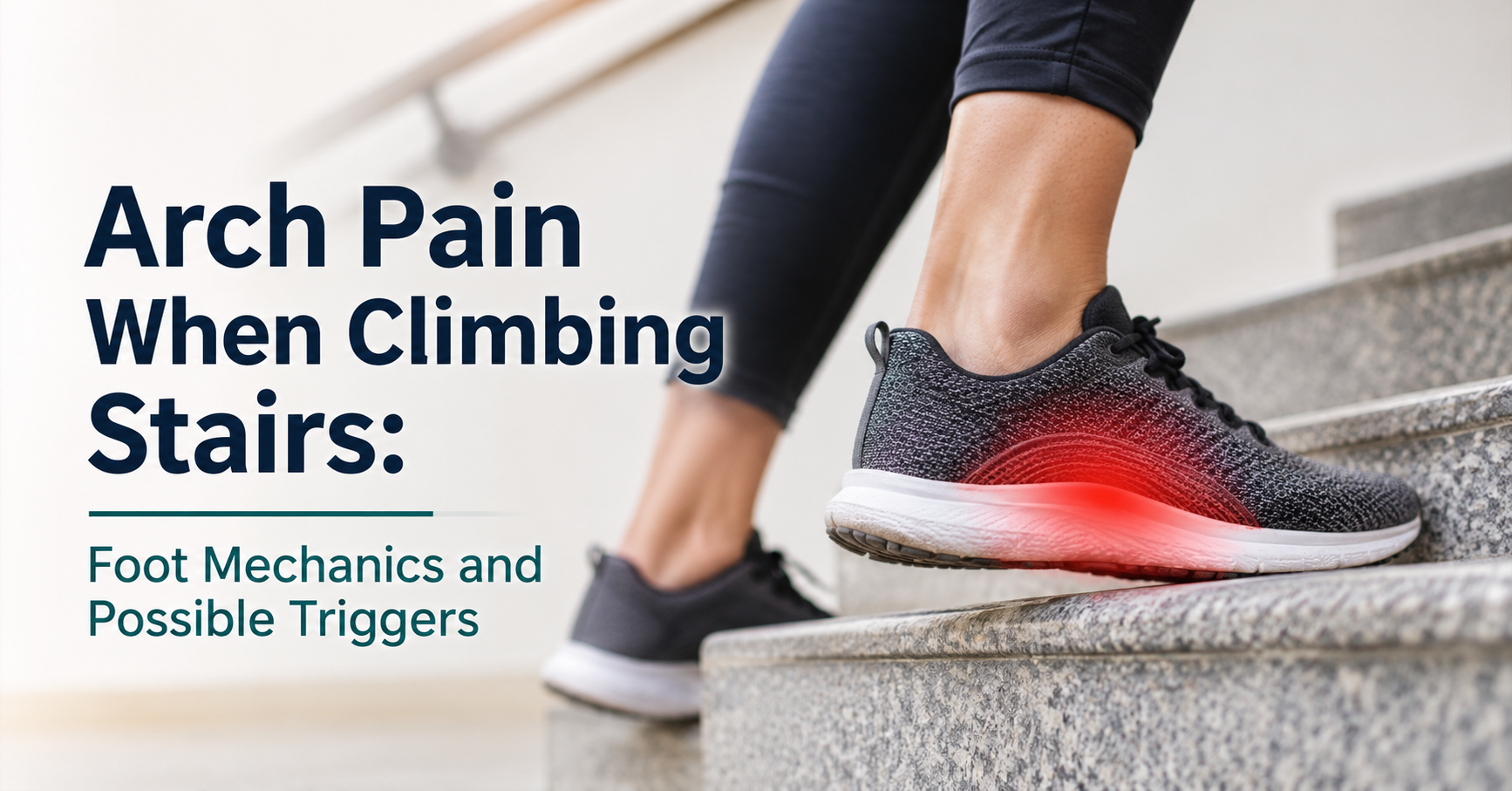
| Arch | Ache, cramping, tired feeling | Weak or flat insole, boot arch not matching your foot, flat or high arches |
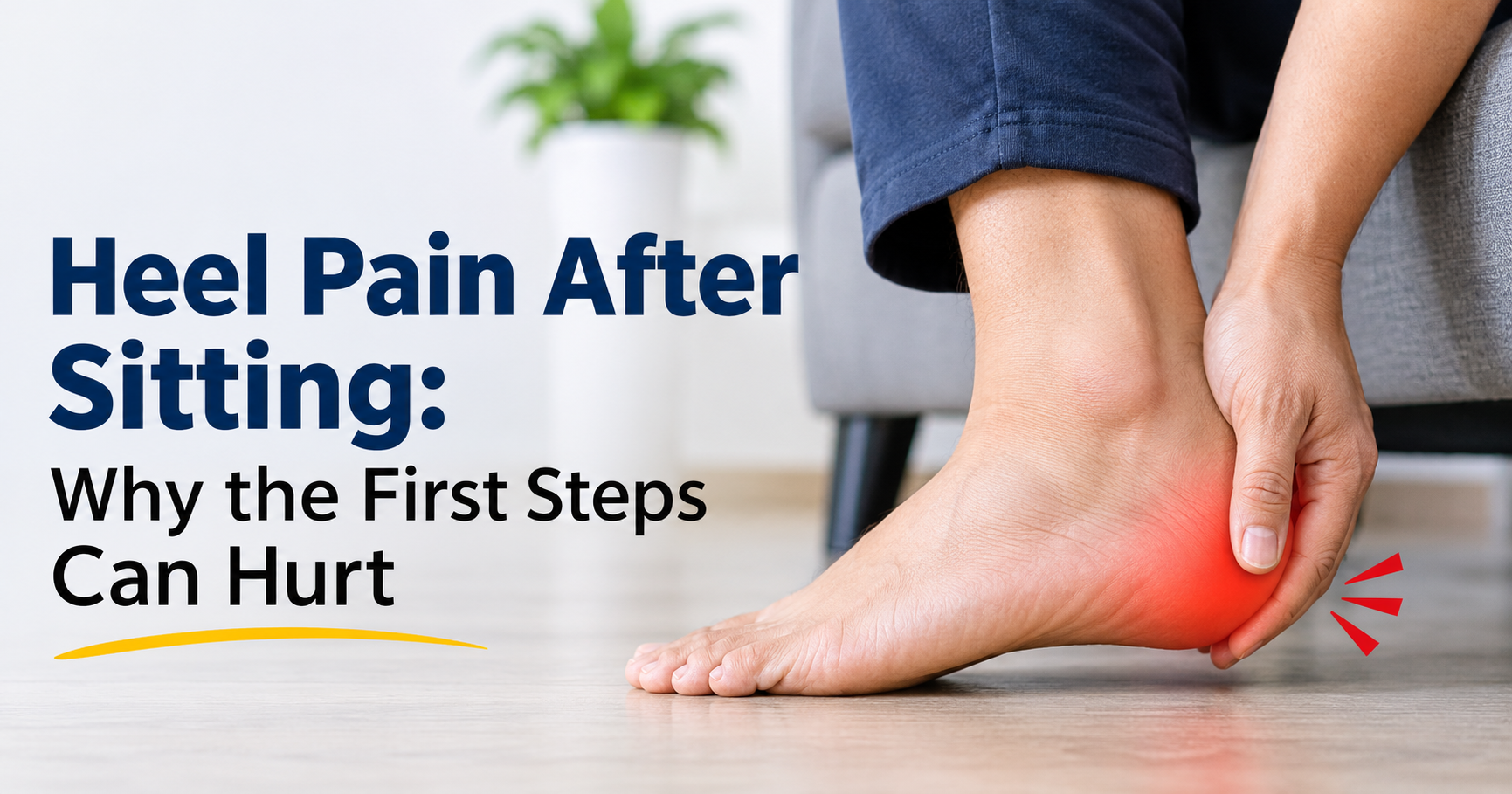
| Heel | Stabbing pain, bruised feeling, blisters | Heel slipping, hard heel counter, worn-out cushioning, too little shock absorption |
| Top of foot | Pressure, soreness, numb patches | Laces tied too tight, stiff tongue, high instep in a low-volume boot |
| Ankle and shin | Rubbing, soreness, shin fatigue | Stiff shaft, boot too heavy, poor ankle fit, rigid sole |
The Most Common Causes in Detail
1. Wrong Size or Width
This is the number one culprit. Many people buy their usual shoe size and never check width. A boot that is too short crushes the toes. A boot that is too long lets your foot slide, causing heel blisters and toe impact on every downhill step. A boot that is too narrow squeezes the forefoot and can lead to burning pain and numbness. Foot size can also change over the years, so the size you wore a decade ago may not be right today.
2. A Toe Box That Does Not Suit Your Foot
Toe caps come in different shapes and depths. Steel caps often have a slimmer profile, while composite caps are often lighter and do not conduct cold as readily, but they can sit a little bulkier. Neither is automatically better. What matters is whether your toes have enough room to spread and lift naturally inside the boot. If you often notice your toes touching the front of the boot, or your toenails are turning dark, the toe box is a prime suspect.
3. Boots That Have Not Been Broken In
New leather boots are stiff. The upper has to mold to your foot, and the midsole has to soften. Wearing a brand new pair for a full twelve-hour shift on day one is a common cause of blisters, hot spots and sore arches. A planned break-in period solves a lot of problems before they start.
4. Weak Arch Support
The insole that comes with many safety boots is basic foam with minimal shape. If your arches are flat, high or simply tired from standing, the foot can overwork to stabilize itself. That strain can show up as arch cramps, heel pain, and tired shins and calves by the end of the day.
5. Hard Surfaces and Long Hours
Standing and walking on concrete for hours compresses the natural cushioning in the heel and the ball of the foot. Even a well-fitting boot cannot fully absorb that load if the insole is worn out. Cushioning also breaks down with use, so old boots that look fine on the outside may no longer protect your feet the way they did when new.
6. Socks That Trap Moisture or Offer No Padding
Thin cotton socks soak up sweat and hold it against your skin. Damp skin blisters more easily and feels hotter in an insulated boot. Socks that bunch, have rough seams or are too thick for the boot can also create pressure points.

Conditions That Can Be Linked to Ill-Fitting Work Boots
Persistent pain can sometimes point to a specific foot problem. Footwear is rarely the only factor, but poor fit or support can trigger or worsen these conditions. Only a healthcare professional can tell you what you actually have.
- Blisters and calluses. Caused by repeated friction, often made worse by moisture and a loose or tight fit.
- Black or bruised toenails. Often the result of repeated pressure or impact against the toe box.
- Plantar fasciitis. Irritation of the thick band of tissue under the foot. Typical signs are heel pain that is sharpest with the first steps in the morning or after sitting for a while.
- Metatarsalgia. Pain and inflammation in the ball of the foot, often linked to high-impact standing, narrow forefoot space and thin cushioning.
- Morton’s neuroma. A nerve irritation between the toes, commonly described as burning, tingling or the sensation of standing on a pebble. Tight, narrow footwear is a recognized contributor.
- Achilles and shin soreness. Stiff, heavy or poorly fitted boots can increase strain on the lower leg.
Fast Relief: What to Do After a Painful Shift
If your feet hurt right now, these steps can help you feel better tonight. They are for ordinary soreness, not for severe pain, injury or signs of infection.
- Take the boots off and let your feet breathe. Remove damp socks as soon as you can and dry your feet, including between the toes.
- Rest and elevate. Sit with your feet raised above hip level for 15 to 20 minutes to help reduce swelling.
- Use a cool compress for sore spots. Wrap a cold pack in a thin cloth and apply it for 10 to 15 minutes. Never place ice directly on the skin.
- Stretch gently. Calf stretches, toe spreads and rolling the sole of the foot over a soft ball can ease tightness. Stop if anything feels sharp.
- Change your footwear. Wear roomy, cushioned shoes or slippers at home instead of going barefoot on hard floors.
- Care for blisters properly. Keep them clean and covered with a suitable dressing. Do not tear off the skin.
- Consider over-the-counter pain relief only as directed. Follow the label, and ask a pharmacist or doctor first if you have other health conditions or take other medicines.
How to Break In Safety Boots the Right Way
A gradual break-in lets the leather soften and your feet adapt, instead of forcing both to adjust in a single brutal shift.
- Start at home. Wear the boots indoors for one to two hours a day for the first few days, with the socks you will use at work.
- Build up slowly. Over one to two weeks, add a few hours at a time, moving toward a full shift.
- Flex the boot by hand. Bend the sole and squeeze the upper gently to start the softening process before you wear them.
- Protect hot spots. Use blister prevention pads or tape on areas that rub before they become raw.
- Keep a spare pair. Take a second pair of comfortable footwear to work so you can switch during breaks if you are allowed to.
- Return them if the fit is wrong. Break-in fixes stiffness. It does not fix a boot that is truly too small, too narrow or the wrong shape. If a boot hurts badly from the first wear, check the store’s return policy early.
How to Choose Safety Boots That Fit Properly
The best long-term solution to foot pain is a boot that suits your foot from the start. Always make sure any boot you buy meets the safety requirements for your workplace, such as ASTM F2413 in the United States or EN ISO 20345 in Europe, and then focus on fit and comfort within that range.

Measure Both Feet, Length and Width
Have your feet measured while standing. Most people have one foot slightly larger than the other, so fit to the larger foot. If your forefoot feels squeezed even when the length is right, ask for a wide or extra-wide version rather than going up a full size.
Check the Toe Box
You should be able to wiggle every toe freely, with roughly a thumb’s width of space between your longest toe and the front of the boot. Your toes should not touch the toe cap when you stand, walk or go down a slope.
Test Heel Hold and Flex Point
Your heel should stay snug without rubbing or lifting excessively. The boot should flex where your foot naturally bends, at the ball of the foot, not in the middle of the arch.
Match the Boot to Your Job
A roofer, a warehouse picker, an electrician and a welder all have different needs. Consider weight, sole grip, ankle support, insulation, waterproofing, metatarsal guards and electrical hazard ratings, but do not trade away fit for features you will not use.
Test Properly in the Store
Try boots in the afternoon or evening, when feet are at their largest. Wear your real work socks and bring any insoles you plan to use. Walk on a hard surface for at least ten minutes, squat, climb stairs if possible, and pay attention to the first signs of pinching or slipping.
Insoles, Socks and Lacing: Small Changes, Big Difference
Insoles
Replacing the standard insole with a supportive, cushioned one can reduce arch strain and heel pain. Choose a shape that suits your arch type, and make sure there is still enough room in the boot. An insole that is too thick can push your foot up against the toe cap or the tongue. If you have ongoing pain, a podiatrist can recommend or prepare custom support.
Socks
Choose moisture-wicking socks, such as merino wool or technical synthetic blends, with cushioning where you need it. Avoid cotton for long shifts. Keep a dry spare pair for the middle of the day if your feet sweat heavily. Always wear socks with no thick seams across the toes.
Lacing Techniques
- Heel lock lacing. Use the top eyelets to create a loop that pulls the heel back into the boot and reduces slipping.
- Skip eyelets over sore spots. If the top of your foot feels pressured, leave out one pair of eyelets over the painful area to relieve the load.
- Loosen at the forefoot, snug at the ankle. This gives toes room while keeping the heel secure.
- Retie during the day. Feet swell during long shifts, so laces that felt right in the morning can become tight by afternoon.
Daily Habits to Keep Your Feet Healthy at Work
- Rotate two pairs of boots. Alternating lets each pair dry out fully and recover its cushioning.
- Take micro breaks. Whenever the job allows, shift your weight, sit briefly or flex your feet and ankles.
- Stretch before and after work. Spend a couple of minutes on your calves, the sole of your foot and your toes.
- Keep feet clean and dry. Wash daily, dry thoroughly between the toes and trim toenails straight across.
- Inspect your feet. Look for redness, blisters, cuts and nail changes every day. This is especially important if you have diabetes or reduced sensation.
- Replace worn boots on time. Check for a worn-down sole, flattened cushioning, cracked leather or an exposed toe cap. A worn boot protects and supports less.
- Stay active and strengthen your feet. Simple exercises such as towel scrunches and calf raises can help keep feet and lower legs resilient.
When to See a Doctor or Podiatrist
Sore feet at the end of a hard day are common, but persistent or severe pain is not something to simply tolerate. Get professional advice if you notice any of the signs below.

Seek urgent medical care for sudden severe pain after an injury, a foot you cannot put weight on, signs of infection such as spreading redness, pus, fever or a bad smell, or any foot wound if you have diabetes or poor circulation.
Frequently Asked Questions
Is it normal for new safety boots to hurt?
Some stiffness and mild pressure in the first few days is normal while the leather softens. Sharp pain, numbness, or toes pressing on the toe cap is not normal and usually means the boot is the wrong size, width or shape for your foot.
Why do my feet hurt more in steel toe boots?
The toe cap itself is not usually the problem. The issue is that it cannot stretch, so a toe box that is too short, low or narrow has no give. Trying a different brand, a wider last or a composite toe can help, but fit matters more than material.
How long does it take to break in safety boots?
For most people, one to two weeks of gradual wear is enough for leather boots to soften and mold. Some heavier or very stiff styles can take a little longer. If a boot still hurts badly after a fair break-in, it is probably not the right fit.
Can insoles stop foot pain from safety boots?
A good insole can reduce arch, heel and ball-of-foot pain by improving support and cushioning, but it cannot fix a boot that is too small or too narrow. Fit the boot first, then add the insole, and make sure the boot still has enough volume.
How often should I replace my safety boots?
There is no fixed date. Replace them when the sole is worn, cushioning feels flat, the upper is cracked or damaged, the toe cap is exposed or dented, or your feet start hurting in boots that used to feel fine. Heavy daily use will wear boots out faster than occasional use.
Should I size up in safety boots?
Not automatically. Going up a whole size can leave your heel slipping and cause blisters and toe impact. It is usually better to find the correct length and then choose a wider width if your forefoot feels tight.
Final Thoughts
Foot pain after wearing safety boots is common, but it is not something you have to accept as part of the job. Start by identifying where it hurts, then work through the likely causes: fit, toe box, break-in, support, surface and socks. Short-term care helps you recover tonight, and the right boots, insoles, socks and daily habits help you prevent the pain from coming back. Your feet carry you through every shift, so give them the same attention you give your hard hat and gloves. If the pain does not improve, or you notice any warning signs, speak to a doctor or podiatrist.
Disclaimer: This article is for general information only and is not a substitute for professional medical advice, diagnosis or treatment. If you have ongoing foot pain or a medical condition, consult a qualified healthcare professional.