Pregnancy is a transformative journey—joyful, powerful, and deeply physical. But as your body changes to nurture new life, many expectant mothers are surprised by an unexpected side effect: foot pain. From swelling that makes shoes unbearable to sharp heel pain with every step, common foot problems for pregnant women affect up to 80% of pregnancies. These aren’t just minor discomforts—they’re the result of real physiological shifts caused by hormonal surges, weight gain, fluid retention, and postural changes. The good news? Most issues are manageable with simple, safe strategies. This guide breaks down the top foot problems during pregnancy, explains why they happen, and gives you practical, doctor-backed solutions—so you can walk comfortably through every trimester and beyond.
Hormonal Shifts and Foot Changes
Pregnancy hormones do far more than support fetal development—they reshape your entire musculoskeletal system, including your feet.
Relaxin Loosens Ligaments
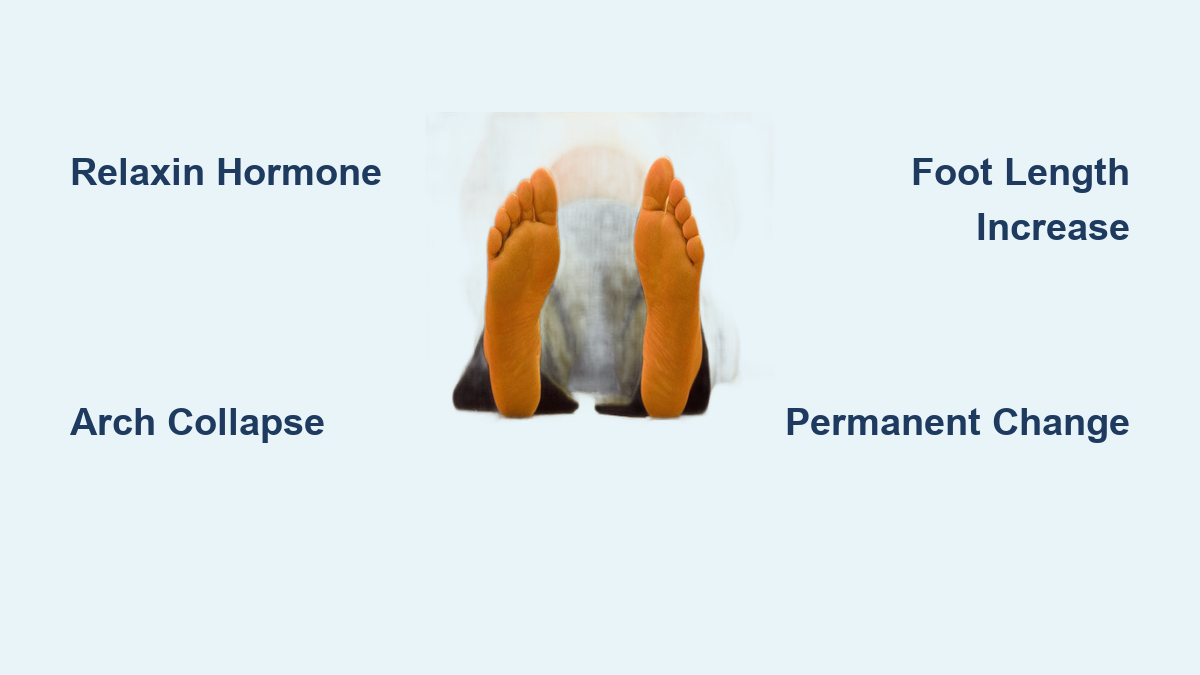
During pregnancy, relaxin levels can rise up to tenfold, preparing the pelvis for childbirth by softening ligaments. But this hormone circulates throughout the body, affecting joints and connective tissues everywhere—including the feet. As ligaments in the arch loosen, foot stability decreases, leading to overpronation (inward rolling of the foot). This collapse of the arch can cause flat feet, instability, and pain that lasts long after delivery. In fact, many women report permanent foot changes after pregnancy due to this ligament stretching.
Progesterone Adds to Joint Laxity
Alongside relaxin, progesterone further relaxes muscles and connective tissues. While this flexibility helps during labor, it also increases joint mobility in the ankles and feet, making them more prone to sprains and misalignment. With looser ligaments and altered biomechanics, even a small misstep can turn into a painful ankle roll.
“These hormones are essential for birth, but they can make your feet too flexible.” – Dr. Rebecca Burmeister, D.P.M.
Weight Gain and Foot Pressure

Every pound gained during pregnancy multiplies the force on your feet—dramatically.
Every Pound Adds Triple the Force
Most women gain 25–35 pounds during pregnancy. But because of the mechanics of walking, each pound adds three pounds of pressure to your feet with every step. That means a 30-pound gain translates to 90 extra pounds of force per footstep. Over thousands of steps a day, this increased load strains joints, tendons, and the plantar fascia—setting the stage for chronic pain.
How Weight Affects Foot Structure
The added weight doesn’t just cause soreness—it physically alters foot shape. The arch flattens under constant pressure, and the foot may lengthen and widen. This structural change often leads to overpronation, increased wear on shoes (especially the inner sole), and conditions like plantar fasciitis. Supportive footwear and orthotics become essential to counteract this daily strain.
Pro Tip: Replace worn shoes every 6–12 months—cushioning breaks down faster under increased pressure.
Fluid Retention and Swelling

Swollen feet and ankles are nearly universal in late pregnancy—but they’re not something to ignore.
Why Edema Happens
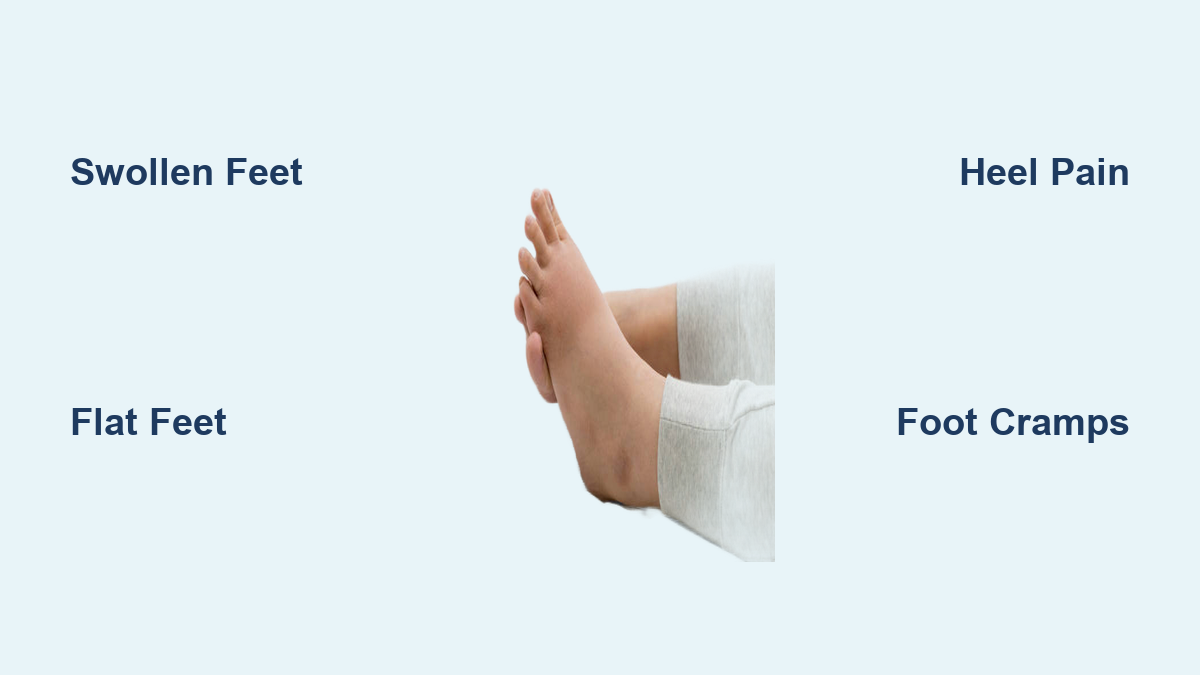
Your body produces 50% more blood and fluids to support your growing baby. At the same time, the expanding uterus compresses pelvic veins, slowing circulation and causing fluid to pool in the lower legs and feet. This condition, known as edema, typically starts around 20 weeks and worsens in the third trimester, especially after standing or in hot weather.
Signs of Pregnancy Swelling
Look for:
– Puffiness in ankles, feet, or calves
– Shoes that feel tight by evening
– Skin that appears shiny or leaves an indentation when pressed (pitting edema)
When to Worry About Swelling
Seek immediate care if you experience:
– Sudden or one-sided swelling
– Headaches, vision changes, or abdominal pain
– High blood pressure
These could signal preeclampsia, a serious pregnancy complication requiring urgent treatment.
Posture and Gait Changes
As your belly grows, your center of gravity shifts—changing how you walk and stand.
Forward Shift Causes Waddling Gait
The expanding uterus pulls the pelvis forward, forcing your lower back to arch more (lumbar lordosis). To stay balanced, your gait shifts into a side-to-side waddle, common in the third trimester. This altered walking pattern increases pressure on the heels and midfoot, contributing to fatigue and pain.
Increased Fall Risk
One in four pregnant women falls at least once, often in the third trimester. Loose ligaments, balance issues, and fatigue all raise the risk of ankle sprains.
Prevention Tip: Wear shoes with non-slip soles and ankle support—avoid high heels, flip-flops, and flat, unsupportive footwear.
Swollen Feet and Ankles: How to Reduce Edema
Swelling is common—but you can manage it with smart daily habits.
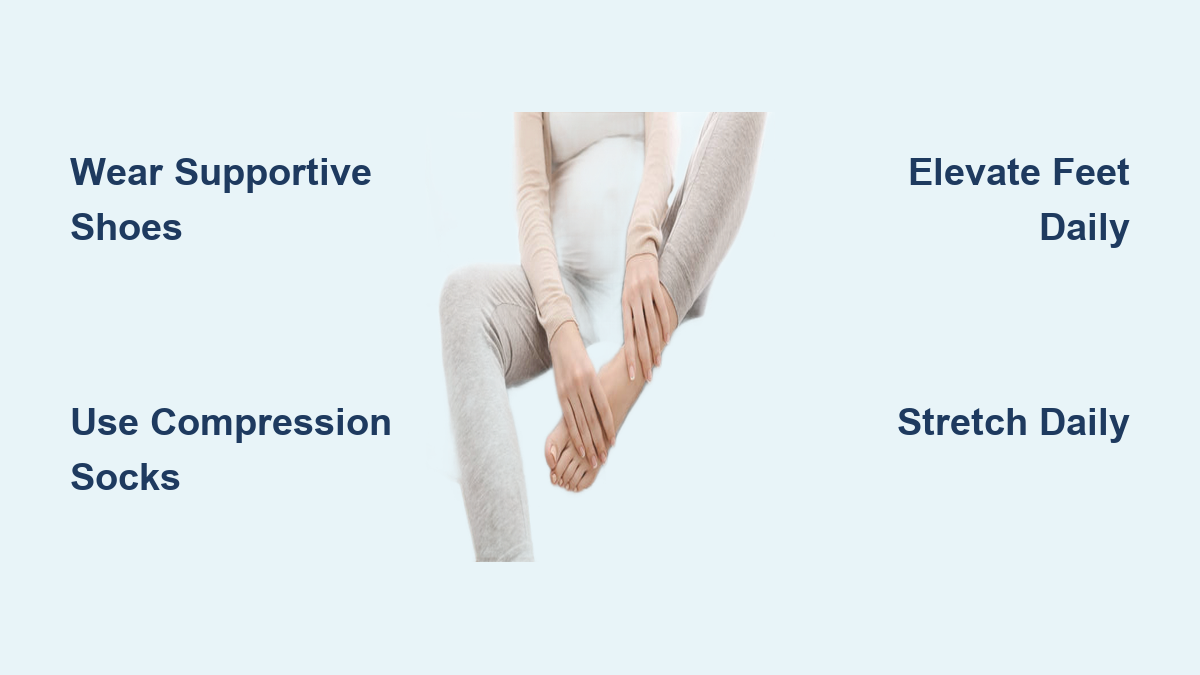
Elevate Feet Regularly
Prop your feet above heart level for 20–30 minutes, 3–4 times daily. Use pillows while sitting or lying down to help fluid return to the heart.
Wear Compression Stockings
Use 15–20 mmHg medical-grade compression socks. Put them on first thing in the morning before swelling starts. Sock donners can help if you can’t reach your feet.
Stay Hydrated
Drink 8–10 glasses of water daily. Dehydration signals your body to retain more fluid—so staying hydrated actually reduces swelling.
Adjust Your Diet
- Cut back on sodium (found in processed foods and snacks)
- Boost potassium with bananas, spinach, avocados, and sweet potatoes
- Eat small, frequent meals to stabilize blood sugar
Cool Compresses and Soaks
Soak feet in cool (not hot) water for 15 minutes. Try Epsom salt for soothing relief—but avoid hot tubs, which can increase swelling.
Arch Pain and Flat Feet

Many women develop fallen arches during pregnancy—sometimes permanently.
Why Arches Collapse
The combination of relaxin-induced ligament laxity and added weight causes the medial arch to flatten. This leads to overpronation, where the foot rolls inward with each step, straining muscles and tendons.
Signs You’re Developing Flat Feet
- Aching in the arch or midfoot
- Fatigue after standing
- Heel pain
- Shoes wearing out on the inner sole
How to Support Your Arches
Wear Supportive Shoes
Look for:
– Firm arch support
– Cushioned midsole
– Wide toe box
– Low heel (under 1 inch)
Replace old shoes every 6–12 months.
Use Orthotics
- Over-the-counter inserts (like Powersteps) offer temporary relief
- Custom orthotics from a podiatrist provide long-term support and can be adjusted postpartum
Do Daily Foot Exercises
- Heel-to-toe walking: Improves balance
- Single-leg stance: Stand on one foot for 30 seconds (hold a chair)
- Towel scrunches: Use toes to pull a towel toward you—strengthens arch muscles
“Custom orthotics reduce strain on overused tissues and improve comfort.” – Podiatry Hotline
Plantar Fasciitis: Sharp Heel Pain Relief
If your first steps in the morning feel like stepping on glass, you may have plantar fasciitis.
What Causes It
Flattened arches stretch the plantar fascia, a thick band of tissue under the foot. Weight gain and overpronation lead to micro-tears and inflammation, causing stabbing heel pain.
How to Treat It Safely
Stretch Before Getting Out of Bed
- Ankle circles: 10 rotations each way
- Toe flexes: Point and flex toes 15 times
- Towel stretch: Gently pull a towel looped around your foot
Roll a Ball Under Your Foot
Use a tennis ball or frozen water bottle for 2–3 minutes to massage and cool the area.
Wear Supportive Shoes Immediately
Never walk barefoot—even indoors. Keep supportive slippers by your bed.
Try a Night Splint (If Severe)
Keeps the fascia stretched overnight, reducing morning pain.
Safe Pain Relief
- Ice the heel for 15 minutes
- Use pregnancy-safe gels like Biofreeze
- Avoid NSAIDs (e.g., ibuprofen) unless approved by your OB-GYN
Ingrown Toenails and Varicose Veins
Swelling and hormonal changes increase risks for both conditions.
Ingrown Toenails: Prevention Tips
- Trim nails straight across—never rounded
- Wear wide-toe-box shoes
- See a podiatrist early if redness, pain, or pus appears—don’t dig it out yourself
Varicose Veins: How to Manage
- Wear compression stockings (15–20 mmHg)
- Elevate legs frequently
- Stay active—walk 20–30 minutes daily
- Avoid crossing legs or sitting too long
“Varicose veins are more common due to blood volume the veins aren’t used to.”
Foot Cramps, Cracked Heels, and Numbness
Other common—but often preventable—issues.
Stop Nighttime Cramps
- Stretch calves and feet before bed
- Stay hydrated
- Ensure adequate magnesium and calcium from prenatal vitamins
- Gently massage or apply heat during cramps
Heal Cracked Heels
- Apply urea-based cream (10–20%) daily
- Wear gel heel sleeves overnight
- Choose closed-back, supportive shoes
Numbness and Restless Legs
- Elevate and stretch to relieve nerve pressure
- Talk to your doctor if you have persistent tingling or a strong urge to move your legs at night—this could be restless legs syndrome (RLS)
Preventing Falls and Sprains
Balance issues make falls more likely—especially in the third trimester.
How to Stay Stable
- Wear non-slip, supportive shoes
- Strengthen core and legs with prenatal yoga or wall squats
- Remove tripping hazards at home—secure rugs, clear floors, use handrails
“Ankle bracing can prevent 90% of sprains.”
Post-Pregnancy Foot Changes
Your feet may never go back to their pre-pregnancy size.
- 60–70% of women report permanent foot enlargement—often a half to full shoe size larger
- Feet become wider and longer due to ligament stretching
- Swelling can last 6–12 months postpartum
- Custom orthotics may still be needed
“Most foot changes happen during the first pregnancy—and tend to be permanent.” – Dr. Burmeister
When to See a Podiatrist
Don’t wait if you have:
– Severe or worsening pain
– Sudden or one-sided swelling
– Signs of infection (redness, pus, fever)
– Numbness, tingling, or difficulty walking
A podiatrist can prescribe custom orthotics, compression therapy, or safe treatments like shockwave or laser therapy.
Daily Foot Care Routine
Follow this 7-step plan:
1. Elevate feet 3–4 times daily
2. Stretch calves and feet morning and night
3. Moisturize heels with urea cream
4. Inspect feet daily—ask for help if needed
5. Wear supportive shoes—never go barefoot
6. Use compression socks if swelling occurs
7. Stay active with walking, swimming, or prenatal exercise
Final Note
Foot problems during pregnancy are common but not normal. Swelling, arch pain, and heel discomfort are signs your body needs support—not just endurance. With the right footwear, stretches, and care, you can stay mobile, reduce pain, and protect your foot health long-term. Remember: 60–70% of women experience permanent foot changes, so investing in proper care now pays off for years. If pain persists or swelling is severe, see a podiatrist—early action prevents chronic issues. Your feet carry you through pregnancy; make sure they’re supported every step of the way.