If you’ve ever winced with every step after a long day on your feet, struggled with plantar fasciitis pain, or been told you overpronate, you know how crucial proper foot support can be. But what if you could get orthotics designed exactly for your feet — shaped to your arches, tailored to your gait, and delivered in days instead of weeks — all for under $100? That’s the reality of 3D printed custom insoles, a breakthrough merging digital precision with advanced manufacturing to revolutionize foot health.
Unlike off-the-shelf insoles that promise “one-size-fits-all” comfort (and rarely deliver) or traditional custom orthotics made from messy foam impressions and weeks-long lab processes, 3D printed custom insoles are digitally crafted using high-resolution scans of your feet and built layer by layer through additive manufacturing. This means no more guesswork, no more waiting, and no more compromises. Instead, you get a lightweight, breathable, biomechanically optimized insert that fits like it was made only for you — because it was.
These aren’t rigid plastic shells with foam glued on. They’re engineered structures — often featuring flexible lattice zones, graduated arch support, soft heel cushions, and open-cell designs for airflow — all printed as a single piece. Used by athletes, diabetics, people with chronic foot conditions, and everyday wearers, 3D printed insoles are redefining comfort, performance, and accessibility. In this guide, you’ll discover how they’re made, why they outperform traditional orthotics, and where to get them — so you can finally step into real, personalized support.
How 3D Printed Custom Insoles Are Made

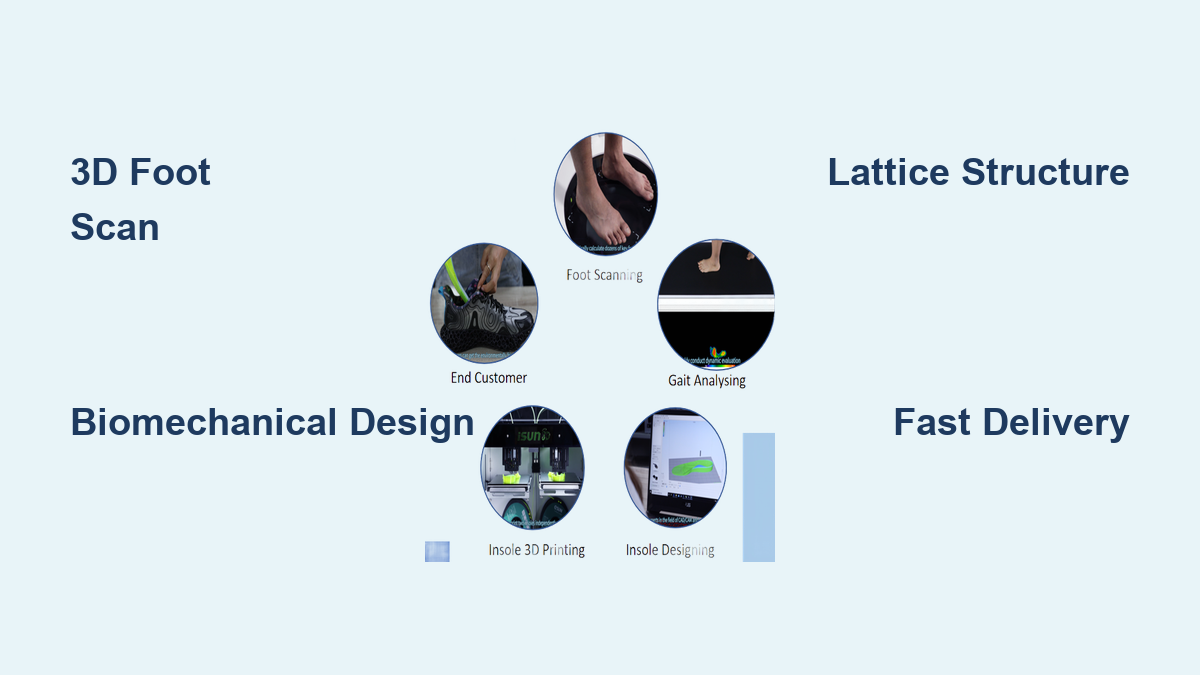
The creation of a 3D printed custom insole follows a seamless digital workflow: scan, design, print, finish. Each stage replaces outdated manual techniques with precision technology, cutting production time from weeks to hours while improving accuracy and personalization.
3D Foot Scanning: Capturing Your Foot’s Digital Twin
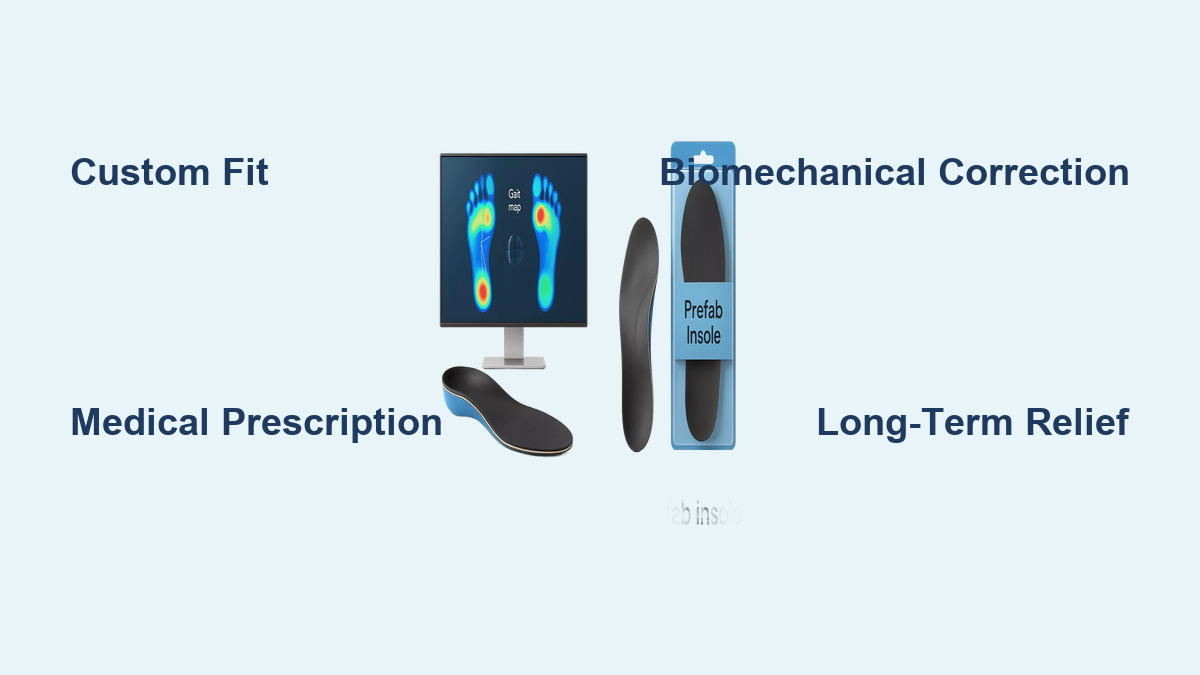
It all starts with a 3D foot scan — a fast, non-invasive process that captures the exact shape, volume, and structure of your foot in under 10 minutes. Gone are the days of messy foam boxes or plaster casts. Today, clinics, retail kiosks, or even your smartphone can generate a high-resolution digital model of your foot using technologies like:
- Structured light or laser scanners (e.g., ScanPod3D, UPOD-S)
- LiDAR or infrared sensors in handheld podiatric devices
- Mobile app-based systems like Sooley or 3D Shoemaker
These tools produce a 3D file (.STL, .OBJ, or .3MF) showing every contour — arch height, heel width, forefoot volume — with millimeter accuracy. Some advanced setups go further by integrating pressure mapping or gait analysis, capturing how your foot loads during movement, not just its static shape.
You can scan:
– In-clinic with professional podiatry equipment
– In-store at retail kiosks (e.g., Liverpool stores in Mexico City and Germany)
– At home using smartphone apps — enabling remote access worldwide
This digital-first approach ensures consistency, eliminates human error, and allows for exact reproductions — essential for medical use and long-term care.
CAD Design: Engineering Support Into Every Layer
Once scanned, the 3D foot model is imported into specialized orthotic design software where biomechanical experts or AI-driven systems customize the insole to your needs.
Popular platforms include:
– LutraCAD – intuitive for clinics
– IsoleCAD – medical-grade precision
– Hypergenic – grayscale modeling for variable stiffness
– ideaMaker (Raise3D) – slicer-integrated control
– 3D Shoemaker Plugin for Rhino 3D – parametric customization
Designers adjust:
– Arch height and heel cup depth
– Forefoot width and toe box space
– Medial/lateral support zones
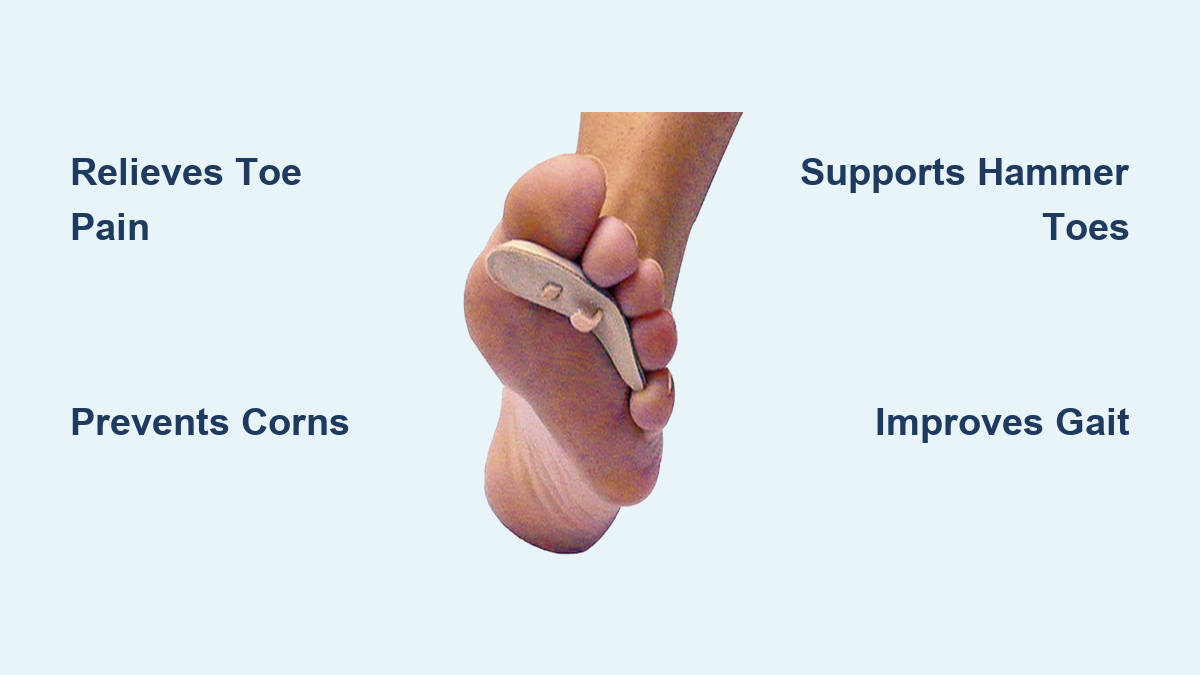
– Cutouts for bunions, hammer toes, or diabetic ulcers
But the real innovation lies in structural design. Instead of solid plastic, engineers use lattice, gyroid, or ladder structures that vary stiffness across the insole. For example:
– A firm lattice under the arch provides support
– A soft, open-cell infill in the heel absorbs shock
– Graded transitions prevent pressure points
With grayscale modeling (used in Hypergenic), different shades in the digital file translate to varying material density during printing — enabling seamless shifts from rigid to flexible zones without layering materials.
Simulation tools can even test how the insole behaves under load before printing, ensuring clinical effectiveness from day one.
3D Printing: Building Insoles Layer by Layer
After finalizing the design, the file goes straight to the printer. No molds, no handcrafting — just additive manufacturing building the insole layer by layer.
Different 3D printing methods are used based on volume, material, and application:
| Technology | Best For | Key Benefits |
|---|---|---|
| FDM/FFF | TPU insoles, home/small clinics | Low cost, flexible prints |
| SLS | Medical-grade, durable insoles | No supports, batch printing |
| MJF | High-volume production | Fast, precise, excellent finish |
| SLA/DLP | Rigid components, prototypes | Smooth finish, fine detail |
Popular printers:
– Raise3D E2 – dual extruder for TPU
– Formlabs Fuse 1+ – SLS with Nylon 11 and TPU 90A
– BCN3D Sigma/Sigmax – reliable FDM for flexible filaments
Print time ranges from 2 to 12 hours per pair, depending on size and complexity. SLS and MJF allow batch printing — dozens of insoles in one build — making them ideal for clinics and manufacturers.
Post-Processing: From Raw Print to Ready to Wear
After printing, insoles undergo finishing to ensure comfort, durability, and hygiene.
For FDM Prints:
- Support removal (if used)
- Sanding or trimming rough edges
- Vapor smoothing (optional) to reduce friction
- Top cover application (EVA foam, memory foam, fabric)
For SLS Prints:
- Powder removal using sifters like Fuse Sift
- Automated cleaning with Fuse Blast
- No supports needed — powder acts as natural support
- Optional coating for moisture resistance
Some systems, like Visi printing, produce ready-to-wear insoles with no post-processing — only a soft top cover needs to be added.
Top covers serve multiple purposes:
– Protect skin from textured surfaces
– Add extra cushioning
– Improve breathability and moisture wicking
– Allow easy replacement
This final step ensures the insole feels as good as it performs — critical for patient compliance and long-term use.
Why 3D Printed Insoles Outperform Traditional Orthotics

Perfect Fit From Digital Precision
Traditional orthotics rely on foam impressions — methods prone to distortion, shrinkage, and human error. 3D printed insoles start with high-resolution digital scans, capturing your foot’s true shape with millimeter accuracy.
No more “close enough.” Every curve, arch, and pressure point is mapped and addressed. And because the file is digital, you can:
– Reprint an exact copy anytime
– Adjust the design as your needs change
– Share it securely with specialists
This precision leads to higher patient satisfaction and better biomechanical outcomes.
Faster, Cheaper, and More Accessible
One of the biggest advantages? Speed and affordability.
| Metric | 3D Printed Insoles | Traditional Orthotics |
|---|---|---|
| Production Time | 2–24 hours + 1 day post-processing | 3–6 weeks |
| Lead Time | Under 7 days (Zoles) | 4+ weeks |
| Patient Cost | $65–$100 | $300–$500 |
| Material Cost (Home) | ~$10 per pair | N/A |
Clinics save on labor and inventory. Patients save hundreds — and get relief faster.
Superior Biomechanical Support
3D printed insoles don’t just fit better — they perform better.
- Targeted support based on pressure maps and gait data
- Dynamic load distribution across the foot
- Alignment correction for knees, hips, and back
- Reduced risk of secondary pain from poor foot mechanics
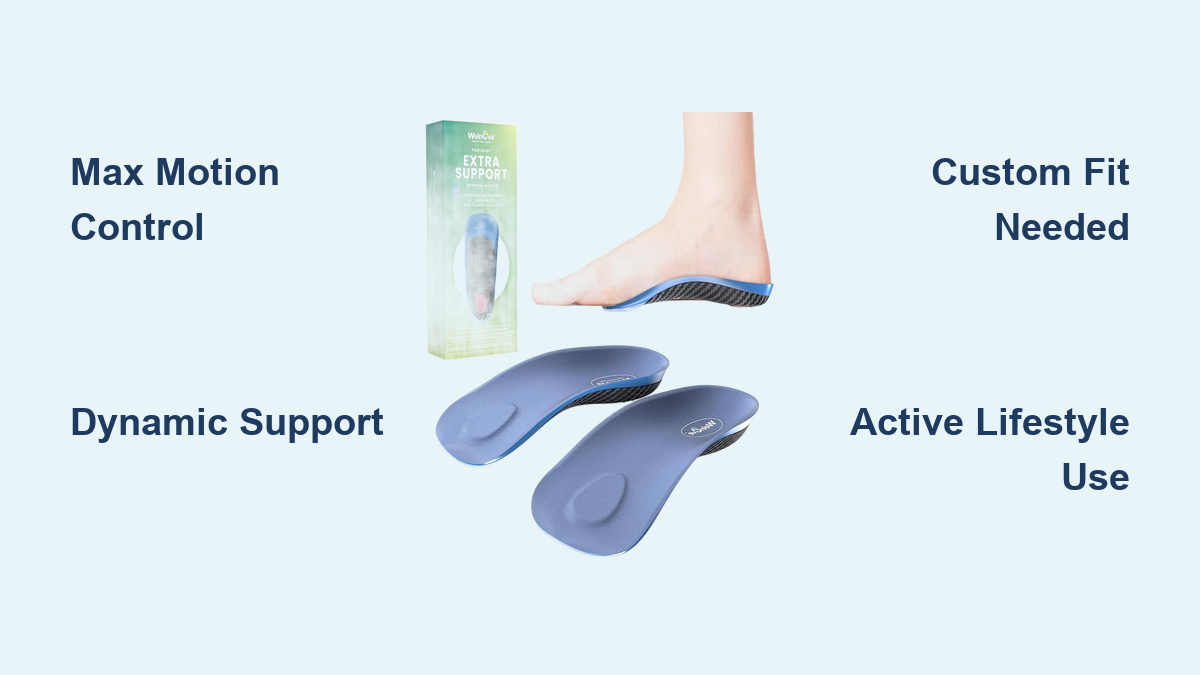
Athletes use them for shock absorption and pronation control. Diabetics benefit from pressure relief zones and custom cutouts that prevent ulcers.
Sustainable and Waste-Free
Traditional orthotics generate waste from:
– Molding materials
– Foam impressions
– Milling excess from solid blocks
3D printing is additive — material is added only where needed.
- SLS powder can be 80–95% recycled
- Single-material designs (like foaming TPU) are fully recyclable
- Local, on-demand production cuts shipping emissions
Plus, no chemicals from mold release agents — making it cleaner for clinics and the planet.
Consistent, Repeatable Results
With traditional orthotics, quality depends on the technician’s skill. One mold might differ from the next.
3D printing delivers 100% consistency:
– Same digital file = same insole every time
– No variation between batches
– Easy to reorder identical replacements
This reliability is vital for medical settings and long-term care.
Where to Buy 3D Printed Custom Insoles

In-Store Kiosks and Clinics
Many podiatry clinics and shoe stores now offer on-site 3D scanning and printing.
- Liverpool Department Store (Mexico City, Germany) has in-store kiosks
- CREA3D and hospital 3D labs produce medical-grade devices
- Scan → Print → Fit in under a week
This model combines expert assessment with rapid delivery.
Online Retailers
Several brands offer fully digital workflows:
- Zoles: Europe-wide distribution, €65/pair, fast shipping
- Sooley (Germany): App-based scan, sustainable production
- Superfeet ME3D: Biometric scanning, trim-to-fit, 60-day guarantee
- Doc Souls: Ladder-structure insoles
Process:
1. Scan at home or in-store
2. Upload data
3. Receive insoles in 3–7 days
Home Printing (DIY Option)
For tech-savvy users, STL files can be sold and printed at home.
- Cost: ~$10 in materials per pair
- Requires: TPU filament, FDM printer (e.g., BCN3D, Raise3D)
- Future trend: Companies may sell $10 digital files instead of $300 physical pairs
This democratizes access — but requires knowledge of slicing, calibration, and post-processing.
The Future of Custom Foot Support
The next generation of 3D printed insoles is already emerging — smarter, faster, and more personalized.
AI-Driven Design Automation
Soon, AI will turn your scan into a fully optimized insole model in seconds — no manual design needed. Platforms like Hypergenic are leading this shift, using machine learning to predict optimal support zones based on foot type and activity.
Home Printing and Digital Files
Imagine buying an STL file for $10, printing it on your home 3D printer, and having custom insoles the same day. As printers become more accessible, this could disrupt the entire orthotics market.
Multi-Material and Color Printing
Future printers will combine soft and rigid materials in one print — think flexible heel + rigid arch + antimicrobial top layer. Color coding could indicate support zones or wear patterns.
Embedded Sensors for Real-Time Feedback
Smart insoles with pressure sensors and Bluetooth are in development. They’ll track:
– Gait symmetry
– Step count
– Pressure distribution
– Overpronation alerts
Data syncs to your phone — creating a closed-loop system: scan → print → test → optimize.
Final Note: 3D printed custom insoles are more than a tech trend — they’re a revolution in foot health. By merging digital precision with advanced materials, they deliver personalized support, faster delivery, and lower costs than ever before. Whether you’re managing a medical condition, boosting athletic performance, or just want all-day comfort, these insoles offer a smarter way to step forward. As AI, home printing, and smart materials evolve, the future of foot care isn’t just custom — it’s intelligent, sustainable, and within reach.