You kick off your synthetic sneakers after a long day, only to be met with a sharp, sour stench that lingers in the air. You’ve washed them, aired them out, even tried baking soda—yet the smell returns like clockwork. If you’ve ever wondered why synthetic materials in shoes can cause odor, the answer lies not in your hygiene, but in the very chemistry of the materials themselves.
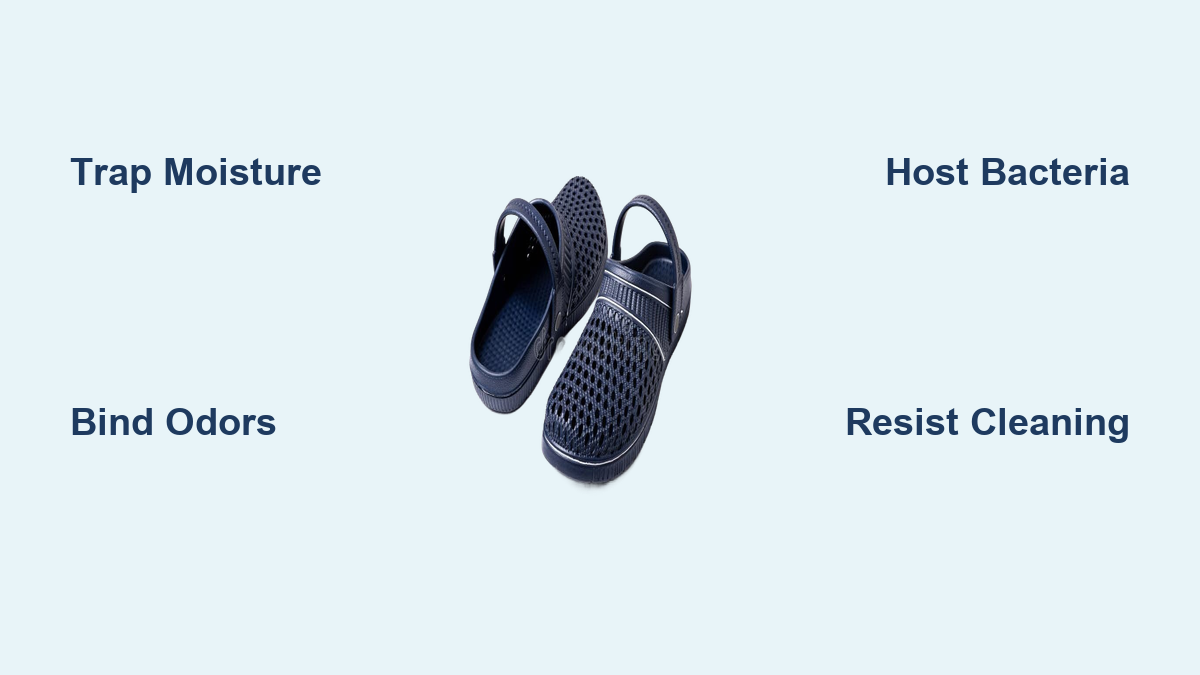
Synthetic fabrics like polyester, polyurethane (PU), nylon, and PVC are engineered for durability, affordability, and water resistance. But these advantages come at a cost: they create the perfect storm for foot odor. Unlike natural materials, synthetics don’t absorb moisture, resist airflow, and bond tightly with odor-causing compounds, turning your shoes into a microbial breeding ground.
In this guide, we’ll break down the science of why synthetic shoes smell, how their structure traps bacteria and odors permanently, and what you can do—beyond surface cleaning—to finally stop the stink.
The Hidden Moisture Trap: How Synthetic Shoes Keep Feet Damp

Your feet produce up to 250 mL of sweat daily, making them one of the most perspiration-prone parts of your body. While sweat is initially odorless, it becomes problematic when trapped in an environment where bacteria thrive. That’s exactly what happens inside synthetic shoes.
Non-Porous Materials Block Evaporation
Synthetic materials are hydrophobic, meaning they repel water instead of absorbing it. While this might sound beneficial, it prevents sweat from evaporating. Instead of being wicked away, moisture pools against your skin and the shoe lining, creating a warm, dark, humid microclimate—ideal for bacterial growth.
Unlike leather or cotton, which absorb moisture and gradually release it into the air, synthetics hold moisture on their surfaces. This means dampness persists long after you’ve taken your shoes off, allowing bacteria to keep multiplying between wears.
Bacteria Turn Sweat Into Smell
The human foot hosts over 250,000 sweat glands and a complex ecosystem of skin bacteria, including Staphylococcus and Brevibacterium. These microbes feed on sweat proteins, dead skin cells, and sebum (skin oils), breaking them down into volatile organic compounds (VOCs).
The most notorious of these include:
– Isovaleric acid – responsible for a sharp, cheesy odor
– Thioalcohols – emit a sulfur-like, oniony stench
– 4-Methyl-3-hexenoic acid – creates a rancid, sour smell
These compounds are what give synthetic shoes their unmistakable “gym locker” stench. And because synthetics stay damp longer, bacterial activity continues even when the shoes are off, intensifying the odor over time.
Why Synthetic Fibers Hold Odors Like a Sponge

The problem isn’t just moisture—it’s how synthetic materials chemically and physically trap odor molecules in ways natural fabrics don’t.
Polyester and Nylon Bind Fat-Soluble Odors
Synthetic fibers like polyester and polyamide are lipophilic, meaning they attract and bind to fat-soluble compounds. The most persistent foot odors are lipid-based byproducts of bacterial metabolism—exactly the type of molecules these fibers love to hold onto.
Standard detergents are water-based and can’t dissolve these oily residues, so they fail to remove deep-seated odors. This is why washing synthetic insoles often only masks the smell temporarily—until body heat reactivates the trapped compounds.
Microscopic Pits Protect Bacteria and Residue
Under a microscope, synthetic fibers reveal tiny cracks, pits, and surface irregularities. These micro-pockets become reservoirs for:
– Skin oils
– Sweat salts
– Antiperspirant residues (especially aluminum-based)
– Bacterial biofilms
Cleaning agents and water struggle to penetrate these spaces, leaving odor-causing compounds shielded deep within the material. Over time, this builds up a stubborn, embedded stench that resists conventional cleaning.
Non-Breathable Layers Lock in Humidity
Many synthetic shoes use solid foam linings, PU leather uppers, or PVC coatings that block airflow. Without breathability, humidity remains high inside the shoe even after removal.
Studies show that synthetic-lined footwear harbors up to 3x more bacteria than natural leather shoes after just one week of wear. The lack of air exchange turns your shoe into a petri dish, accelerating odor development with every use.
How Synthetic Materials Degrade and Smell Worse Over Time
New synthetic shoes often come with a “plastic” smell. But over time, that evolves into a sour, musty stink—not just from bacteria, but from the material itself breaking down.
Polyurethane Soles and Cushioning Rot from Within
PU is widely used in midsoles and linings for its cushioning properties, but it’s chemically unstable. With exposure to moisture, heat, and oxygen, PU undergoes hydrolysis and oxidation, breaking down into:
– Aldehydes (vinegar-like smell)
– Ketones (moldy, musty odor)
– Amines (fishy, ammonia-like stench)
This degradation is irreversible and leads to cracking, delamination, and sticky residues that trap even more moisture and bacteria. Eventually, the shoe smells bad even when clean—because the material itself has begun to rot.
Odors Become Chemically Bonded
Unlike wool or cotton, which release odors when aired out, synthetic polymers chemically bind to VOCs, locking them in permanently. This is why freezing or baking soda might help temporarily, but the smell returns once the shoe warms up and releases trapped compounds.
Everyday Habits That Make Synthetic Shoe Odor Worse
Even with good foot hygiene, certain habits can accelerate odor buildup in synthetic shoes.
Wearing Shoes Without Socks
Going sockless in synthetic flats or loafers puts bare skin in direct contact with non-breathable materials. Sweat, oils, and dead skin accumulate rapidly, forming a sticky biofilm that adheres tightly to the lining.
This creates a self-reinforcing odor cycle—especially in polyester or PU leather shoes, which already struggle with moisture management.
Using Aluminum or Silicone-Based Antiperspirants
Foot antiperspirants containing aluminum salts or silicones can backfire. These compounds react with synthetic fibers, forming a waxy, water-resistant film inside the shoe.
This film:
– Blocks cleaning agents
– Traps bacteria
– Resists washing
– Accelerates odor retention
Wearing the Same Pair Daily
Synthetic shoes need 24–48 hours to dry completely. Wearing them daily without rotation means moisture never fully evaporates, allowing bacteria to thrive between uses.
Even if the shoe feels dry on the outside, the lining and insole remain damp inside, creating a hidden reservoir for microbial growth.
Synthetic vs. Natural: Which Materials Resist Odor Best?

Not all shoe materials are equal. Here’s how synthetics stack up against natural alternatives.
| Property | Synthetic (Polyester, PU) | Natural (Leather, Wool) |
|---|---|---|
| Moisture Absorption | Low (traps on surface) | High (absorbs up to 30% weight) |
| Breathability | Poor (blocks airflow) | High (porous structure) |
| Odor Retention | High (binds fat-soluble VOCs) | Low (releases when aired) |
| Bacterial Growth | Promotes (prolonged dampness) | Inhibits (dries quickly) |
| Washability | Odors persist after cleaning | Easier to deodorize |
| Longevity | Degrades with moisture | Durable with care |
Why Wool and Leather Stay Fresher
- Merino wool absorbs moisture without feeling wet and contains lanolin, a natural antibacterial agent.
- Full-grain leather allows airflow and wicks moisture to the surface, where it evaporates.
- Both materials release odor molecules when aired out—unlike synthetics, which lock them in.
How to Deodorize Synthetic Shoes (Without Ruining Them)
You can’t change the material, but you can disrupt the odor cycle with targeted cleaning.
Use Vinegar to Kill Bacteria Safely
A 1:4 mix of white vinegar and water neutralizes bacteria and breaks down odor compounds without damaging PU or polyester.
Steps:
1. Dampen a microfiber cloth with the solution.
2. Wipe the insole, heel, and toe box thoroughly.
3. Let air dry for 12 hours in a ventilated area.
Try Freezing to Inactivate Odors
Place shoes in a sealed plastic bag and freeze overnight. Cold temperatures inactivate bacteria and VOCs, reducing odor volatility. Best for light to moderate odor—not a permanent fix.
Spot Clean Only—Never Machine Wash
Agitation and heat from washing machines can:
– Peel PU leather
– Crack synthetic coatings
– Shrink or warp insoles
Always use gentle, manual cleaning methods.
Best Natural Deodorizers for Synthetic Shoes
Tea Tree Oil: Antibacterial Power
Tea tree oil has strong antimicrobial properties and breaks down fat-soluble odor molecules.
How to use:
– Mix 5–10 drops with 1 cup of water.
– Spray lightly inside the shoe.
– Let dry overnight.
Peppermint and Eucalyptus Oils
- Peppermint oil: Fresh scent + mild antibacterial effect.
- Eucalyptus oil: Neutralizes chemical and sour odors.
Use in a dry spray bottle with baking soda for a dual-action deodorizer.
Prevent Odor Before It Starts: Smart Habits
Rotate Your Shoes Daily
Allow 24–48 hours of drying time between wears. Use a shoe rack in a ventilated area.
Wear Moisture-Wicking Socks
Choose merino wool or performance synthetics—not 100% cotton. Change socks midday if needed.
Choose Breathable Designs
Look for shoes with:
– Mesh panels
– Perforated uppers
– Ventilated insoles
Even vegan shoes can be breathable if designed properly.
Final Note
Synthetic materials in shoes cause odor because they trap moisture, bind fat-soluble compounds, and resist cleaning. Their non-porous, hydrophobic nature creates a perfect environment for bacteria to thrive, while their chemical structure locks in smells permanently.
But you don’t have to live with stinky shoes. By rotating footwear, using natural deodorizers, and applying enzyme-based treatments, you can break the odor cycle. Pair synthetic shoes with moisture-wicking socks and breathable designs to stay fresh all day.
Understanding the science behind shoe odor empowers you to make smarter choices—balancing style, comfort, and hygiene without sacrificing one for the other.