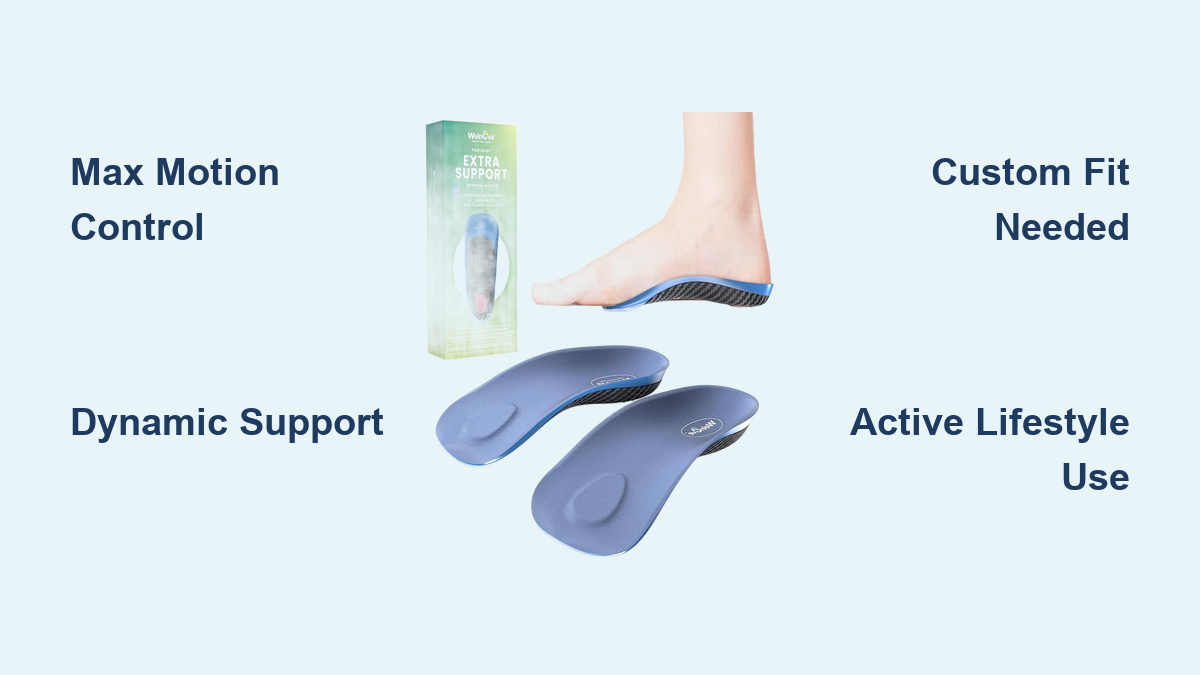
If you’re dealing with foot pain, overpronation, or persistent aches in your knees, hips, or lower back, your podiatrist may recommend orthotics—custom shoe inserts designed to correct how your feet move during walking and standing. Among the different types, rigid and semi-rigid orthotics are both functional, corrective devices, but they serve very different purposes. So, what is the difference between rigid and semi-rigid orthotics?
The answer lies in their materials, support levels, flexibility, and intended use. Rigid orthotics are built for maximum motion control, ideal for people with severe biomechanical imbalances. Semi-rigid orthotics, on the other hand, blend firm support with cushioning—perfect for active individuals who need correction without sacrificing comfort. Understanding these differences is crucial to choosing the right solution for your foot health. This guide breaks down everything from construction and performance to real-world use, so you can make an informed decision alongside your healthcare provider.
How Rigid and Semi-Rigid Orthotics Control Foot Motion

Rigid Orthotics: Restricting Abnormal Movement
Rigid orthotics are engineered to limit excessive foot motion, especially at the subtalar joint, which plays a key role in how your foot rolls inward (overpronation) or outward (supination). Made from hard, non-compressible materials like carbon fiber, graphite, or polypropylene, these devices don’t bend under pressure. Their primary goal is biomechanical correction, not comfort or shock absorption.
They work by locking the heel and arch into a neutral position, preventing the foot from collapsing inward during walking or standing. This stabilization reduces strain on critical structures like the posterior tibial tendon and plantar fascia, making rigid orthotics highly effective for chronic conditions such as severe flat feet (pes planus), posterior tibial tendon dysfunction (PTTD), and plantar fasciitis caused by overpronation.
Pro Tip: If your shoes show extreme wear on the inner edge of the sole, rigid orthotics can help stop the progression of misalignment by correcting your gait at its source.
Semi-Rigid Orthotics: Dynamic Support for Active Lifestyles
Semi-rigid orthotics offer a balanced approach, combining a firm structural base with soft, shock-absorbing top layers made from materials like EVA foam, cork, or neoprene. This dual-layer design allows them to correct alignment while cushioning impact, making them ideal for runners, athletes, and people on their feet all day.
Unlike rigid models, semi-rigid orthotics allow controlled flexibility, which supports natural foot movement during push-off and landing. This responsiveness enhances proprioception—your body’s ability to sense foot position—which improves balance and coordination, especially on uneven terrain.
Expert Insight: “Semi-rigid orthotics are the go-to for athletes who train hard but need alignment support to prevent injury.” — Dr. Tom Truong, DPM
Materials and Build: What Sets Them Apart

Rigid Orthotic Construction
- Core Materials: Carbon fiber, graphite, acrylic, rigid polypropylene
- Design: Solid, single-layer structure with deep heel cups and high arch profiles
- Flexibility: Minimal to none—resists bending even under full body weight
- Weight: Heavier due to dense composite materials
- Durability: Up to 5 years with proper care
Because of their inflexible nature, rigid orthotics provide consistent biomechanical correction over time. This precision is essential for long-term conditions like tarsal coalition or chronic overpronation, where even slight misalignment can worsen symptoms.
Semi-Rigid Orthotic Build
- Core Materials: Multi-layered—rigid shell (polypropylene or carbon) + soft top cover (EVA, neoprene, cork)
- Design: Dual-density construction for targeted support and cushioning
- Flexibility: Moderate—allows slight give while resisting excessive pronation
- Weight: Lighter than rigid models, suitable for athletic shoes
- Durability: 2–5 years; top layers may compress or require replacement
The layered design allows for custom modifications, such as metatarsal pads, arch fills, or heel lifts. This adaptability makes semi-rigid orthotics highly effective for both treatment and injury prevention.
Biomechanical Effects During Walking and Running
Rigid Orthotics and Gait Correction
Rigid orthotics alter lower limb mechanics by restricting motion at key joints. During the gait cycle, they:
– Prevent excessive inward rolling of the foot (overpronation)
– Stabilize the rearfoot and midfoot
– Reduce rotational forces traveling up the kinetic chain—from the ankle to the knee, hip, and lower back
This level of control is especially beneficial for people whose foot instability contributes to knee pain, hip discomfort, or lower back issues. By correcting the foundation, rigid orthotics help reduce compensatory strain in higher joints.
Visual Cue: If you notice your knees collapsing inward when walking, your feet may be overpronating—rigid orthotics could help realign your entire posture.
Semi-Rigid Orthotics in High-Impact Activities
Semi-rigid orthotics are built for dynamic movement. They:
– Allow natural foot flexion during toe-off
– Absorb shock at heel strike
– Maintain arch support under load
Runners and athletes often report improved stride efficiency and reduced fatigue with semi-rigid inserts. Their shock-absorbing properties protect joints during high-impact activities, making them effective for preventing shin splints, stress fractures, and Achilles tendinopathy.
Pro Tip: These orthotics enhance balance and stability on trails, courts, or uneven pavement—ideal for hikers, basketball players, or anyone active on varied terrain.
Which Conditions Benefit Most from Each Type?

When Rigid Orthotics Are the Best Choice
- ✅ Severe flat feet (pes planus) with flexible arch collapse
- ✅ Posterior tibial tendon dysfunction (Stage I–II)
- ✅ Chronic plantar fasciitis linked to overpronation
- ✅ Lower back, hip, or knee pain originating from foot instability
- ✅ Sever’s disease in children with gait abnormalities
- ✅ Biomechanically driven arthritis in the foot or ankle
Clinical Note: Rigid orthotics are particularly effective when pain extends beyond the foot. By stabilizing the foundation, they reduce compensatory strain in higher joints.
Ideal Uses for Semi-Rigid Orthotics
- ✅ Mild to moderate overpronation in active adults
- ✅ Athletic overuse injuries (shin splints, Achilles tendinopathy)
- ✅ Children with in-toeing or out-toeing who remain active
- ✅ Foot fatigue during prolonged standing or walking
- ✅ Performance enhancement in sports like soccer, hiking, or basketball
- ✅ Early-stage PTTD where flexibility and shock absorption are needed
Expert Insight: “Functional orthotics like rigid and semi-rigid types are prescribed when the goal is to correct abnormal biomechanics—not just mask symptoms.”
Who Should Use Rigid vs. Semi-Rigid Orthotics?
Best Candidates for Rigid Orthotics
| User Profile | Why It Fits |
|---|---|
| Adults with chronic overpronation | Provides long-term structural correction |
| Patients with non-responsive heel or arch pain | Addresses root cause, not just symptoms |
| People with lower limb joint pain | Improves alignment from the ground up |
| Those needing maximum rearfoot stability | Deep heel cups lock the calcaneus in neutral position |
Warning: Rigid orthotics can feel stiff at first—expect a 1–4 week break-in period. Start with 1–2 hours per day and gradually increase wear time.
Ideal Users for Semi-Rigid Orthotics
| User Profile | Why It Fits |
|---|---|
| Runners and gym-goers | Shock absorption protects joints during impact |
| Active children and teens | Supports development without restricting natural motion |
| Workers on their feet (nurses, teachers) | Reduces fatigue with balanced support |
| Hikers and outdoor enthusiasts | Enhances stability on uneven ground |
Real-World Feedback: Many users describe semi-rigid orthotics as “supportive sneakers inside your shoes”—firm enough to correct, soft enough to feel natural.
Comfort and Wearability: What to Expect
Rigid Orthotics: Firm Support with a Learning Curve
- Initial Feel: Firm, sometimes described as “walking on wood”
- Break-In Time: 7–30 days depending on foot sensitivity
- Comfort Tips:
- Start with short wear periods (1–2 hours)
- Use thick socks to reduce pressure
- Gradually increase daily use
- Footwear Needs: Deep, structured shoes (e.g., hiking boots, orthopedic models)
Common Mistake: Skipping the adaptation phase leads to skin irritation or discomfort. Patience is key.
Semi-Rigid Orthotics: Supportive and Ready to Go
- Initial Feel: Supportive with slight give—“springy” underfoot
- Break-In Time: 1–7 days for most users
- Comfort Advantages:
- Softer top layer reduces pressure points
- Flexible enough for daily wear from day one
- Works well in low-profile athletic shoes
- Footwear Compatibility: Running shoes, walking sneakers, cross-trainers
Pro Tip: Look for models with moisture-wicking covers if you sweat heavily or wear them all day.
Custom vs. Over-the-Counter Options
Rigid Orthotics: Almost Always Custom-Made
- Fabrication Process:
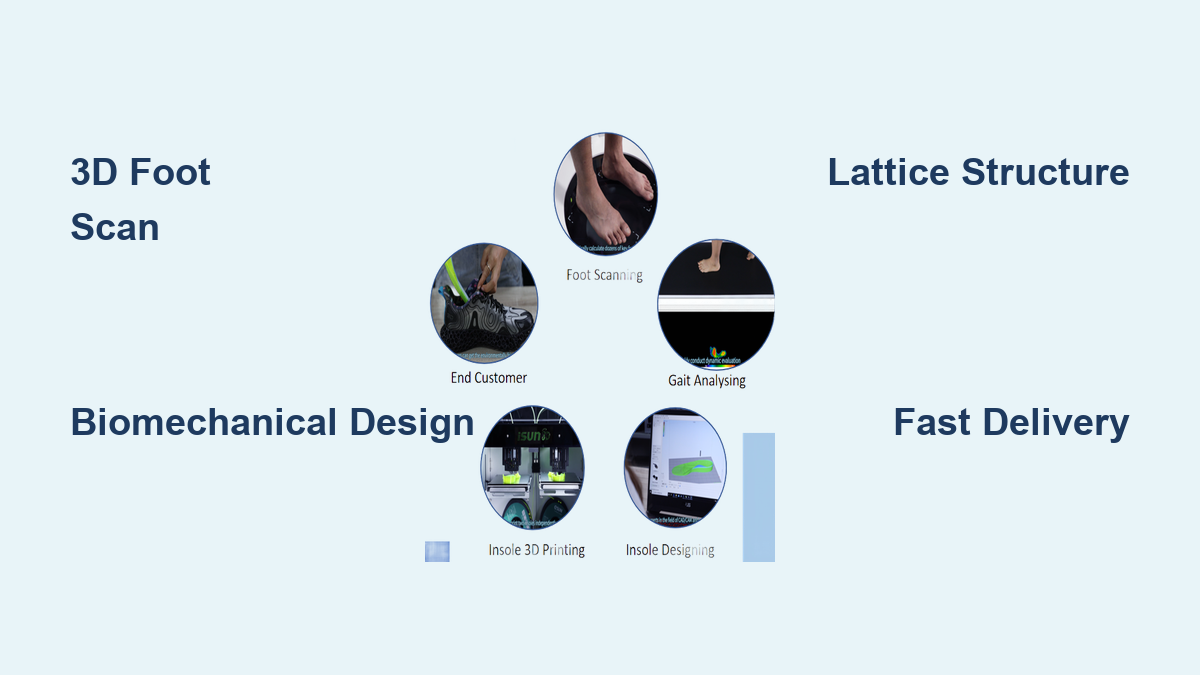
1. 3D foot scan or plaster cast
2. Gait analysis using pressure plates
3. Podiatrist prescribes angles, arch height, and posting
4. Lab crafts device to exact specifications - Availability: Rarely available OTC; requires professional fitting
- Why Custom?: Precision is critical—small errors in alignment can worsen symptoms
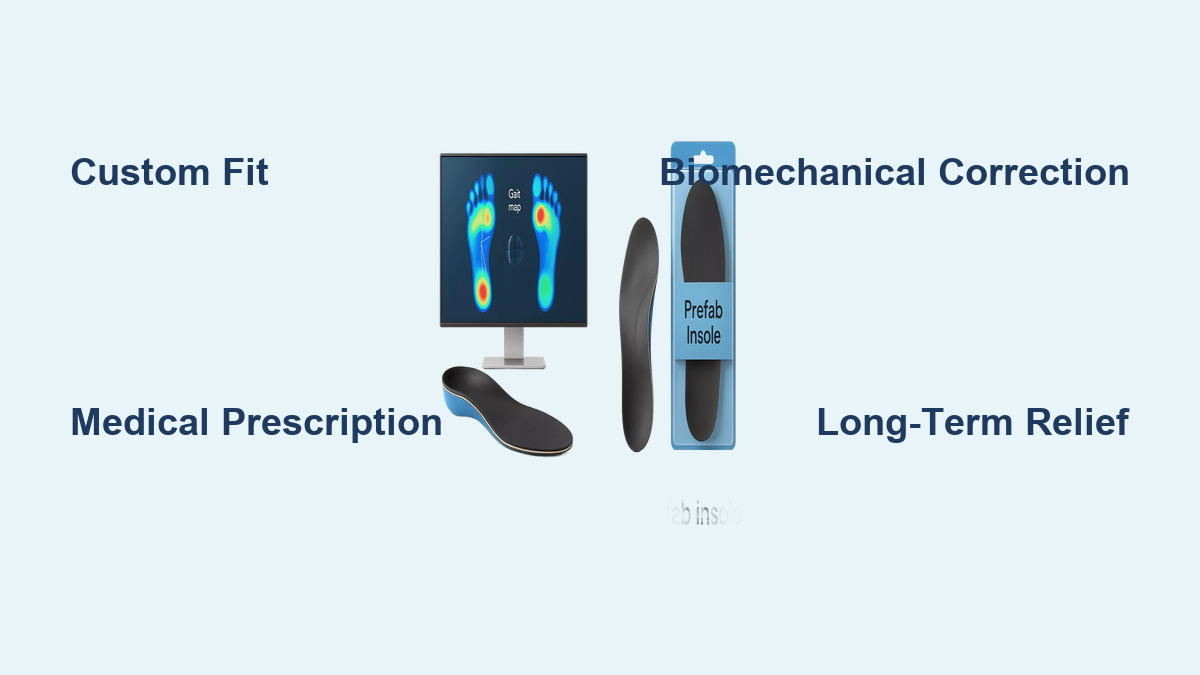
Semi-Rigid Orthotics: Custom and Prefabricated Choices
- Custom Versions: Same process as rigid, with added cushioning layers
- Prefabricated Options: Brands like Superfeet or Powerstep offer semi-rigid-style insoles
- When OTC Works: Mild symptoms, temporary use, or trial before custom order
- Limitations: Less precise correction; may not fit unique foot shapes
Expert Advice: Even if you try OTC first, see a podiatrist if pain persists—custom orthotics offer superior results.
Longevity and Maintenance Tips
Rigid Orthotic Lifespan
- Expected Duration: Up to 5 years
- Wear Signs:
- Cracks or warping in the shell
- Reduced symptom relief
- Care Tips:
- Keep dry—avoid moisture
- Clean with damp cloth and mild soap
- Replace shoes regularly to maintain fit
Note: These orthotics rarely wear out—their lifespan often matches changes in foot structure or gait over time.
Semi-Rigid Orthotic Durability
- Expected Duration: 2–4 years (softer layers degrade faster)
- Wear Signs:
- Flattened foam or EVA top cover
- Loss of cushioning feel
- Odor or material breakdown
- Maintenance:
- Remove and air out weekly
- Replace top cover if worn (some models allow this)
- Use antimicrobial sprays to prevent odor
Cost-Saving Tip: Some labs offer resurfacing services—keep the rigid base, replace only the top layer.
Final Verdict: Which One Do You Need?
Choose Rigid Orthotics If:
- You have severe biomechanical dysfunction
- Pain affects knees, hips, or back
- You need maximum foot stabilization
- Your daily activity is low-impact
- You’re committed to a short adaptation period
Choose Semi-Rigid Orthotics If:
- You’re athletic or highly active
- You want both support and comfort
- You have mild to moderate overpronation
- You walk or stand for long periods
- You prefer quicker, easier adjustment
Expert Quote: “Custom orthotics are made specifically for you and your issues.” — The Lower Limb Clinic
Final Note: Over-the-counter insoles may help with mild discomfort, but custom rigid or semi-rigid orthotics are engineered for real correction. Whether you need firm control or dynamic support, the right orthotic can transform your mobility, reduce pain, and prevent future injuries. Always consult a podiatrist for a full assessment—including gait analysis and foot imaging—to ensure you get the best solution for your feet.